
Where Can I Junk My Car?

Junking your car is a straightforward way to dispose of an old, damaged, or non-running vehicle while earning cash. Your primary options include selling to a junkyard, a scrap metal recycling center, a specialized junk car buyer, or donating it to charity. The key to maximizing your payout is to get multiple quotes, understand your car’s value for parts and metal, and ensure you have the proper paperwork ready.
Key Takeaways
- Know Your Car’s Value: Its worth comes from reusable parts, scrap metal weight, and sometimes catalytic converters. Get an estimate before calling buyers.
- Get Multiple Quotes: Contact at least 3-5 local junkyards or junk car services. Prices can vary significantly based on current metal rates and part demand.
- Paperwork is Crucial: The title is the most important document. If you don’t have it, learn about selling a junk car without a title, as rules vary by state.
- Free Towing is Standard: Reputable junk car buyers offer free towing. Never pay to have your junk car removed.
- Consider Donation: Donating to a qualified charity can provide a tax deduction and supports a cause you care about, though you won’t get cash.
- Remove Personal Belongings: Thoroughly check the car for any items, including insurance cards, sunglasses, or tools. The buyer takes the car “as-is.”
- Cancel Insurance & Registration: Once you arrange the sale, cancel your auto insurance and notify the DMV to transfer ownership and avoid future liability.
📑 Table of Contents
Understanding Your Options: Where Can I Junk My Car?
So, your car has reached the end of the road. Maybe it won’t start, the repair costs exceed its value, or it’s just been sitting in the driveway for years, gathering rust and memories. The big question is, where can I junk my car? You have several excellent paths to choose from, each with its own process and benefits. Let’s break them down simply.
The most common destinations for a junk vehicle are junkyards (also called salvage yards), scrap metal recycling facilities, and professional junk car buying services. There’s also the charitable route of donation. The best choice for you depends on your priorities: getting the fastest cash payout, maximizing the dollar amount, or supporting a good cause.
Junkyards vs. Scrap Yards: What’s the Difference?
This is a common point of confusion. A junkyard or salvage yard is a business that buys old or wrecked vehicles primarily to sell off usable parts. They have an inventory of cars and strip them for components like engines, transmissions, doors, and mirrors, which they then sell to mechanics, body shops, and DIYers. When you sell to a junkyard, they assess your car’s value based on the parts they believe they can resell.
A scrap metal recycling center focuses on the raw materials. They buy vehicles almost exclusively for the value of their metal content—primarily steel, aluminum, and copper. They crush the entire car and process it. Their offer is almost entirely based on the vehicle’s weight. If your car is a total loss with few good parts left, a scrap yard might be your best bet. Many large facilities operate as both, so the distinction isn’t always clear-cut.
Specialized Junk Car Buyers & Cash-for-Cars Services
In recent years, companies specializing in buying junk cars directly from consumers have become very popular. These are often national or regional chains with a simple process: you get a quote online or over the phone, they schedule a free towing time, and they pay you at pickup (often by check or instant payment apps). They handle all the paperwork and towing, making them the most convenient option. They then sell the cars to their network of junkyards and scrap yards. This is often the easiest answer to “where can I junk my car?”
The Charitable Route: Donating Your Junk Car
If your primary goal isn’t cash but rather a tax deduction and supporting a charity, donation is a fantastic option. Nonprofits like Goodwill, Habitat for Humanity, and many local charities accept junk cars. They often use auction houses that specialize in selling donated vehicles, even if they don’t run. The proceeds from the sale fund their programs. You’ll need to itemize your tax return to claim the deduction, and the charity provides the necessary paperwork. It’s a win-win: you get rid of the car and feel good about it.
How to Prepare Your Car for Junking
Before you pick up the phone, a little prep work can smooth the process and potentially increase your payout. Think of it as getting your home ready for a buyer—you want it to be an easy, no-hassle transaction.
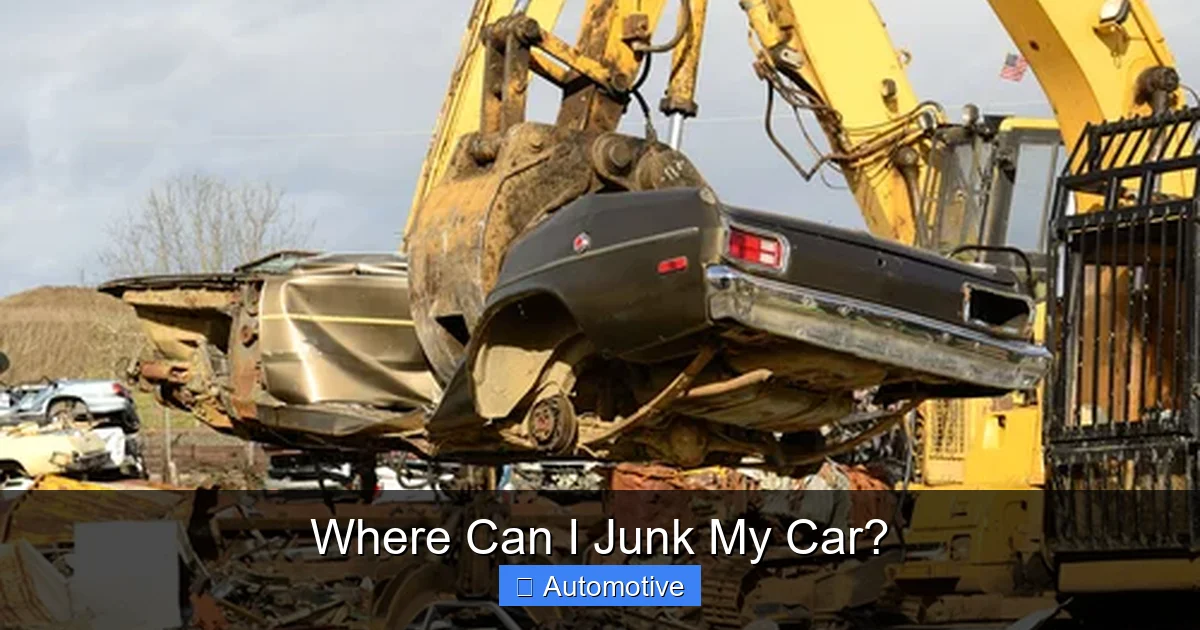
Visual guide about Where Can I Junk My Car?
Image source: junkmycardetroit.net
Gather Your Paperwork
This is the most critical step. The single most important document is the vehicle title. It proves you own the car and legally transfers ownership to the buyer. Locate it. If it’s lost, contact your state’s DMV to apply for a duplicate. This can take time, so start early. You’ll also need a valid photo ID (driver’s license or state ID). Have your registration handy, though the title is paramount. If there’s an outstanding loan, you must pay it off first to get the title from the lender.
Do a Thorough Sweep for Personal Items
Cars are great at hiding things. Check every compartment: glove box, center console, under seats, trunk (including spare tire well), and visors. Don’t forget the items in the door pockets. Remove everything—old CDs, gym clothes, loose change, insurance cards, and registration papers (keep a copy of the registration for your records). Once the car is on the tow truck, getting anything back is nearly impossible.
Remove Valuable Aftermarket Parts (If You Want)
If you’ve installed expensive aftermarket parts like a high-end sound system, custom rims, or a roof rack, consider removing them before selling the car as junk. You can often sell these items separately for more money. Check out our guide on where to sell car parts for cash to maximize your return. Also, remove your license plates; you’ll need to return them to the DMV or surrender them as required by your state.
Cancel Insurance and Note the Mileage
As soon as you have a firm sale date, call your insurance company to cancel coverage on that vehicle. You don’t want to pay for insurance on a car you no longer own. Also, when the buyer arrives, they will need to record the final odometer reading. Make sure you note it down yourself for your records.
The Junking Process: Step-by-Step
Now that you’re prepared, here’s a simple walkthrough of what happens when you decide to junk your car.
Visual guide about Where Can I Junk My Car?
Image source: aimob.tech
Step 1: Get Quotes
Start by searching locally. Use phrases like “junk my car for cash,” “scrap my car,” or “sell my junk car” plus your city or town name. Call at least three places. Be ready to describe your car accurately: year, make, model, condition (does it run? any major damage like fire or flood?), and location. Most will give you a rough quote over the phone or via an online form. Remember, the final offer may change slightly after a physical inspection, but a good company will honor their initial quote if the description was accurate.
Step 2: Compare and Choose
Don’t just take the first offer. Compare the quotes. Consider not only the cash price but also the towing schedule (same-day? next-day?), the payment method (cash, check, Venmo?), and the company’s reputation. A quick online search for reviews can reveal a lot. Look for companies that are transparent and professional.
Step 3: Schedule the Towing
Once you accept an offer, the buyer will schedule a time for the tow truck to pick up the vehicle. They will need you to be present to sign over the title and any release of liability forms. You will hand over the keys and the signed title. The driver should provide you with a bill of sale or receipt as proof of the transaction. Keep this document with your important papers for at least a year.
Step 4: The Final Handover
On pickup day, have the title and ID ready. The driver will inspect the car quickly to confirm its condition matches your description. After you sign the paperwork, they will load the car and drive away. You should receive your payment immediately—this is standard. If a company asks you to pay for towing or promises payment later, walk away. That’s a major red flag.
Maximizing Your Cash Payout: Tips and Tricks
While junking a car isn’t like selling a pristine classic, you can still take steps to ensure you get the fairest price. It’s all about understanding what the buyer sees.
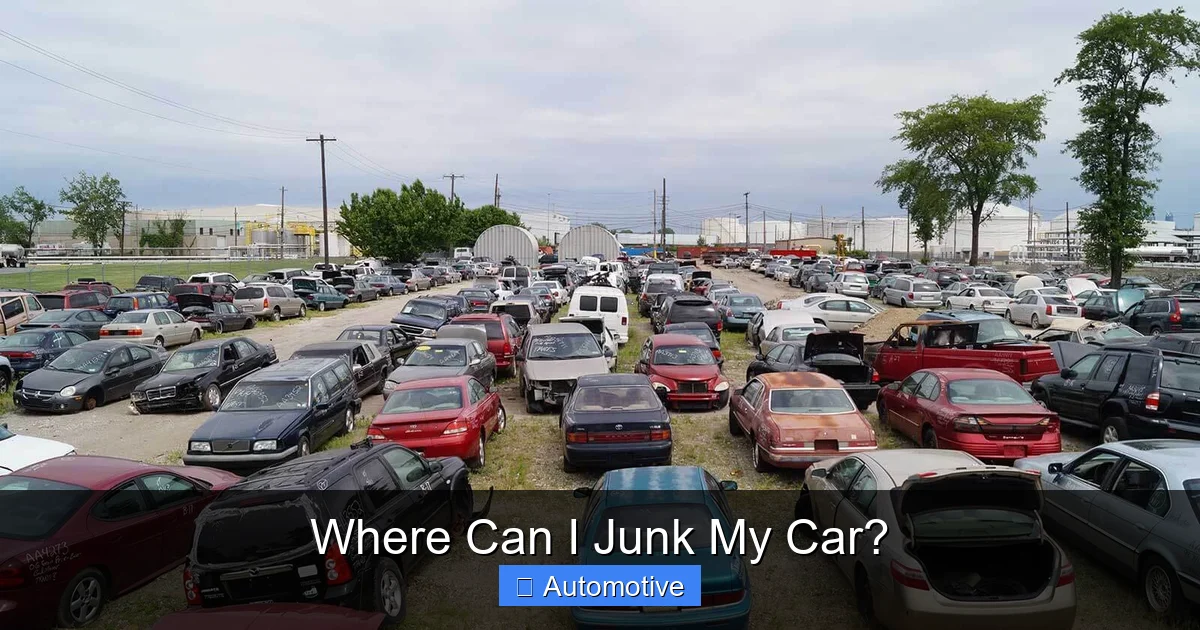
Visual guide about Where Can I Junk My Car?
Image source: essingtonavenue.com
Know What Adds Value
Even a junk car has value in its components. A working engine or transmission, especially from a popular model, can be worth hundreds of dollars to a salvage yard. Catalytic converters contain precious metals and are always valuable. Aluminum wheels and a decent battery also add to the bottom line. When you get quotes, be honest about any parts that are in good condition. Don’t hide a blown engine, but do mention if the transmission was recently rebuilt or if the car has four good tires.
Time Your Sale (If You Can)
Scrap metal prices fluctuate with global markets. While you can’t time the market perfectly, being aware that prices rise and fall can help. If you’re not in a hurry, you might wait for a seasonal upswing. However, for most people, the convenience and immediate removal outweigh trying to guess market trends.
Sell Valuable Parts Separately (Advanced)
For the truly motivated, you can increase your profit by parting out the car yourself. You can sell the catalytic converter, tires, battery, and any electronics separately through online marketplaces or to local shops. This takes time and effort, but the sum of the parts can be significantly higher than what a junkyard offers for the whole car. Once you’ve stripped it, the remaining shell is just scrap metal, and you can sell that for its weight. This is a great strategy if you have mechanical skills and storage space.
Don’t Forget to Ask About Towing
Always confirm that towing is free. This is non-negotiable. A legitimate junk car buyer will never charge you to remove the vehicle. If they try to add a towing fee, find another buyer. The cost of towing is built into their business model.
Environmental Responsibility and Recycling
Junking your car isn’t just about cash; it’s also a major form of recycling. Cars are one of the most recycled consumer products in the world. When you responsibly junk your vehicle, you’re participating in a vital environmental process.
What Happens to Your Junk Car?
After your car is towed to a salvage yard or recycling center, a systematic process begins. First, all hazardous fluids are drained and disposed of or recycled: engine oil, transmission fluid, coolant, brake fluid, and refrigerant from the A/C system. Then, the battery is removed for recycling (lead-acid batteries are nearly 100% recyclable). The catalytic converter is taken out to recover platinum, palladium, and rhodium. Finally, the remaining hulk is crushed and shredded. The metal is separated magnetically (steel) and by density (aluminum, copper) and sold to manufacturers to make new products. Tires, glass, and plastics are also sorted for recycling or proper disposal. This process saves immense amounts of energy and raw materials compared to mining and refining new metal.
Choosing an Eco-Conscious Buyer
How can you ensure your car is recycled responsibly? Ask the buyer about their process. Reputable junkyards and recyclers are proud of their environmental compliance. They work under strict state and federal regulations for handling hazardous waste. You can also look for certifications like the Automotive Recyclers Association’s (ARA) Certified Recycler program. By choosing a licensed, established business, you can be confident your car won’t end up in an illegal dump, leaking toxins into the soil and groundwater.
Special Considerations and FAQs Addressed
Every junk car situation is unique. Here are answers to common special cases that can affect your options and payout.
Cars Without Titles
This is a major hurdle. The title is the key to legal transfer. Some states have very strict laws requiring a title for any sale. Others allow the sale of a junk car without a title if it’s over a certain age (e.g., 10-15 years old) and the seller provides a signed affidavit and proof of ownership. This is why researching your specific state’s DMV rules is the first step if you lack a title. Some junk car buying companies specialize in navigating these complex situations and may still buy your car, but their offer might be lower due to the extra paperwork and risk on their end. You can learn more about the process for selling a junk car without a title.
Cars with Salvage or Rebuilt Titles
A salvage title means the car was declared a total loss by an insurance company. A rebuilt title means it was repaired, inspected, and deemed roadworthy again. Both types dramatically reduce a car’s value for a private sale but don’t make it worthless for junking. Junkyards will still buy them, often for their scrap metal value, as the title status doesn’t affect the weight of the steel. Be upfront about the title status when getting quotes.
Cars Missing Major Parts
If your car is missing its engine, transmission, or even wheels, its value drops significantly. A junkyard might still be interested, but primarily for the shell and remaining parts. Be very clear about what is and isn’t present when you request a quote. The price will be based on the remaining usable parts and the weight of the metal.
Abandoned or Unregistered Cars
If the car is on your property, you’re generally free to sell it as junk, provided you can prove ownership (old registration, bill of sale). If the car is abandoned on public property or someone else’s land, the process is different. You typically need to report it to local law enforcement or the city’s code enforcement office. They may have it towed as an abandoned vehicle, and the towing company will then auction it off or scrap it. It’s much harder to get cash from an abandoned vehicle you don’t own.
Frequently Asked Questions
Do I need a title to junk my car?
In most cases, yes. The title is the primary proof of ownership required for a legal sale. Some states allow the sale of very old vehicles (often 10+ years) without a title using an affidavit of ownership. Always check your state’s specific DMV regulations first.
How much cash can I get for my junk car?
Payouts vary widely based on your car’s year, make, model, condition, and current scrap metal prices. A typical junk car might fetch $200 to $500. Larger vehicles like trucks and SUVs often get more due to more metal. Cars with valuable parts like a good engine or catalytic converter can command higher prices.
Will they really tow my junk car for free?
Yes, if you use a legitimate junk car buyer or junkyard. Free towing is a standard service offered to attract sellers. The cost of towing is factored into their business model. If a company tries to charge you a towing fee, it’s a sign to find a different, more reputable buyer.
How long does the entire process take?
Once you start getting quotes, it can be as quick as the same day. Many companies offer same-day or next-day towing after accepting a quote. From your first call to having the car hauled away and cash in hand, the process often takes 24-48 hours.
Is junking my car bad for the environment?
No, the opposite. Modern auto recycling is a highly regulated and efficient process. Over 80% of a vehicle’s materials are recycled. Fluids are safely removed, hazardous components are handled properly, and metals are melted down for reuse, saving energy and reducing the need for new mining.
Should I junk my car or donate it?
That depends on your goal. Junking provides immediate cash. Donating provides a potential tax deduction (if you itemize) and supports a charity. If you need cash now, junking is the way. If you want a tax benefit and can wait to claim it, donation is a great philanthropic choice. Compare offers from junk buyers against the estimated value a charity might get at auction.