
How Can I Make My Toyota Corolla More Fuel Efficient

Maximizing your Toyota Corolla’s fuel efficiency is easier than you think. By adopting smarter driving habits, staying on top of routine maintenance, and making a few small adjustments, you can significantly improve your miles per gallon. This guide covers actionable steps from tire pressure checks to weight reduction, helping you save money at the pump and get the most out of your reliable compact car.
Key Takeaways
- Drive Smoothly: Aggressive acceleration and hard braking can lower your Corolla’s MPG by up to 30% in city driving. Gentle throttle control and anticipating traffic flow are key.
- Maintain Your Engine: Regular oil changes, clean air filters, and properly functioning spark plugs ensure your engine runs efficiently. A neglected engine burns more fuel.
- Mind Your Tires: Under-inflated tires increase rolling resistance. Check pressure monthly and inflate to the placard rating (usually on the driver’s door jamb) for optimal efficiency and safety.
- Lighten the Load: Extra weight is the enemy of fuel economy. Remove unnecessary items from the cabin and trunk. Roof racks add aerodynamic drag even when empty.
- Use the Right Fuel: Your Corolla is designed for regular unleaded (87 octane). Using higher-octane premium gas offers no benefit unless specifically required for a turbocharged model, wasting money.
- Leverage Technology: Utilize your Corolla’s Eco mode, monitor real-time MPG feedback, and consider using cruise control on flat highways to maintain a steady, efficient speed.
- Plan Your Trips: Combining errands into one trip saves fuel because a warm engine is more efficient than multiple cold starts. Use navigation apps to avoid traffic congestion.
📑 Table of Contents
- Introduction: Your Corolla’s Hidden Fuel-Saving Potential
- 1. Master the Art of Efficient Driving (Your Footprint Matters Most)
- 2. Non-Negotiable Maintenance: A Tuned Engine is an Efficient Engine
- 3. Tires and Wheels: Rolling Resistance is Real
- 4. Reduce Weight and Aerodynamic Drag
- 5. Fuel Choices and Smart Refueling
- 6. Leverage Your Corolla’s Built-In Efficiency Features
- 7. The Long-Term View: Professional Services and Modifications
- Conclusion: Efficiency is a Habit, Not a Destination
Introduction: Your Corolla’s Hidden Fuel-Saving Potential
Let’s be honest, the Toyota Corolla has a legendary reputation for reliability and value. But its reputation for stellar fuel economy? That’s something you have to actively cultivate. While the EPA ratings are a great baseline, the real-world MPG you get day in and day out is largely in your hands. Think of your Corolla not just as a point-A-to-point-B machine, but as a finely tuned instrument where every driver choice and maintenance decision plays a note in the symphony of efficiency.
The good news is that unlocking better fuel economy doesn’t require a hybrid conversion or a wallet-draining mechanic bill. It’s a combination of mindful driving, proactive care, and understanding how your car works. Whether you have a older, high-mileage workhorse or a newer model with all the tech bells and whistles, these principles apply. We’re going to break down exactly how you can squeeze every last drop of gasoline’s potential out of your trusty Toyota Corolla, turning good MPG into great MPG.
1. Master the Art of Efficient Driving (Your Footprint Matters Most)
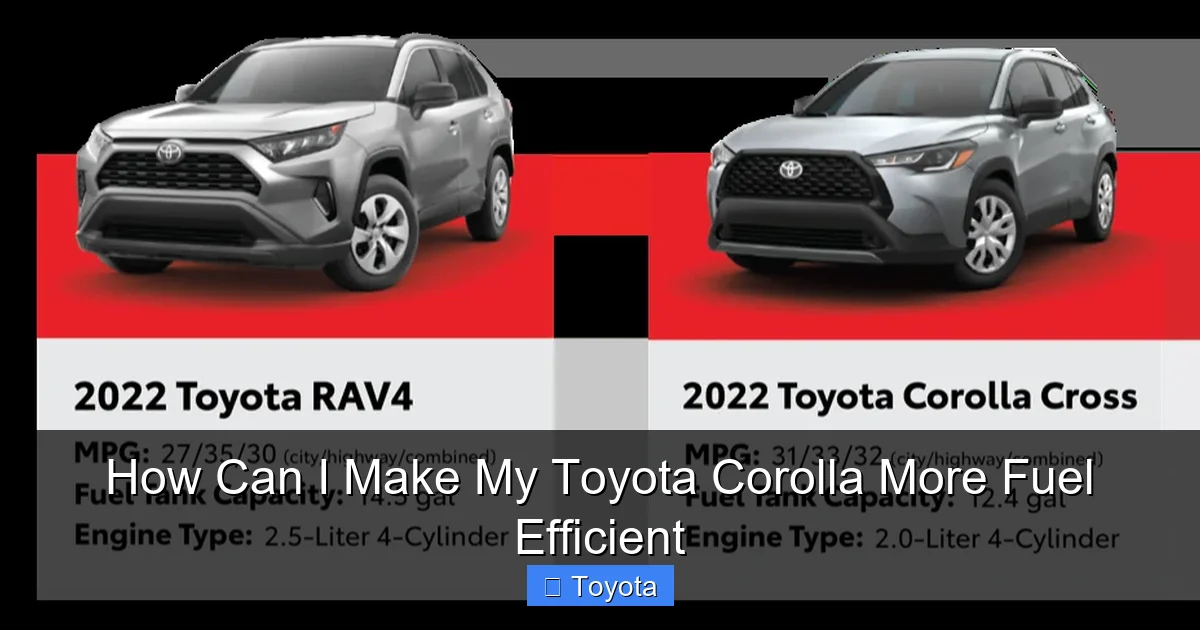
This is the single most impactful factor you control. Your driving style can make a difference of 5 to 15 MPG in city driving. It’s not about driving slowly; it’s about driving smartly. The goal is to minimize the work your engine has to do.
Visual guide about How Can I Make My Toyota Corolla More Fuel Efficient
Image source: toyotadirect.com
The Throttle is Not a Sprint Button
Imagine your engine is a athlete. Asking it to sprint from a stoplight (hard acceleration) burns energy (fuel) rapidly. Instead, practice smooth, progressive acceleration. Press the gas pedal gently, as if there’s an egg under your foot. Aim to reach your cruising speed in about 7-10 seconds rather than 3. This method uses far less fuel to get up to speed. Once you’re moving, your engine operates more efficiently at a moderate RPM.
Practical Tip: On your next commute, try to be the first to accelerate gently at a green light and the last to brake at the next red. You’ll likely catch the next green wave, saving both fuel and brake pads.
Brake Less, Coast More
Every time you press the brake pedal, you’re literally converting your car’s forward motion (and the fuel you used to create it) into wasted heat. The key is to anticipate traffic flow. Look several cars ahead. If a car far ahead is braking, start easing off the gas early to slow down gradually instead of slamming on the brakes at the last second. This “coasting” or “driving with anticipation” is a cornerstone of hypermiling.
Practical Example: When approaching a stop sign or red light, take your foot off the accelerator as soon as you see the light change or the car ahead braking. Let the car’s momentum carry you forward. You’ll often still need to brake lightly at the very end, but you’ve recovered a lot of energy.
Cruise Control on Open Roads
On long, flat stretches of highway, using cruise control is a fantastic way to maintain a constant speed. Your car’s computer is much better at holding a steady throttle than your right foot is, preventing the tiny speed-ups and slow-downs that waste fuel. However, on hilly terrain, it’s often more efficient to drive manually, allowing the car to gain a little momentum downhill to help climb the next hill.
2. Non-Negotiable Maintenance: A Tuned Engine is an Efficient Engine
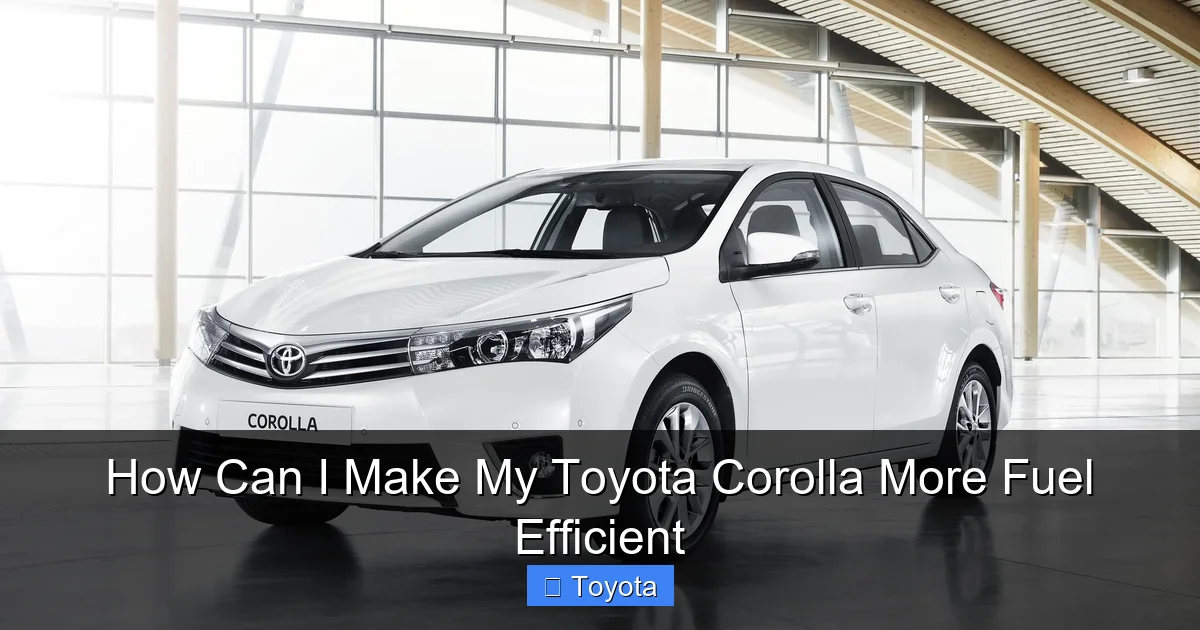
Your Corolla’s engine is a complex air pump. For it to make power efficiently, it needs the right mix of air and fuel. Neglected maintenance disrupts this balance, forcing the engine to work harder and burn more gas.
Visual guide about How Can I Make My Toyota Corolla More Fuel Efficient
Image source: content.presspage.com
Oil Changes: The Lifeblood of Efficiency
Engine oil lubricates moving parts and reduces friction. Over time, oil breaks down, thickens, and gets contaminated. Thick, dirty oil makes the engine work harder to pump and increases internal friction. Always use the oil viscosity grade specified in your owner’s manual (e.g., 0W-20 for many modern Corollas). Using a heavier weight oil “to protect an older engine” can actually decrease fuel economy.
Pro Tip: Consider using a high-quality full synthetic oil. While more expensive per quart, synthetics maintain their viscosity better over longer drain intervals and can provide a tiny but measurable improvement in efficiency due to superior lubrication properties.
The Air Filter: Your Engine’s Breath
Your engine needs clean air. The engine air filter traps dirt and debris. A clogged, dirty filter restricts airflow, forcing the engine to suck fuel harder to get the air it needs, creating a “rich” (fuel-heavy) mixture. This hurts power and MPG. Inspect your air filter at every oil change. If it’s visibly dirty or covered in grime, replace it. It’s one of the cheapest and easiest DIY maintenance tasks you can do. In dusty environments, you may need to change it more often.
Spark Plugs and Fuel System Health
Worn-out spark plugs can misfire, wasting unburned fuel. Similarly, clogged fuel injectors or a dirty throttle body can disrupt the precise fuel spray pattern. While modern Corollas with coil-on-plug ignitions and direct injection are more resilient, following the manufacturer’s service interval for spark plugs (often 60,000-120,000 miles) is crucial. If you notice rough idling, hesitation, or poor performance, have a mechanic check the fuel system.
Check Engine Light: Never Ignore It
A lit Check Engine Light is your car’s cry for help. It often indicates an issue that directly impacts emissions and fuel economy, like a faulty oxygen (O2) sensor, a loose gas cap, or a failing catalytic converter. An O2 sensor telling the computer the mixture is wrong can cause a 10-40% drop in MPG. Get the code scanned immediately at an auto parts store (often free) or your mechanic.
3. Tires and Wheels: Rolling Resistance is Real
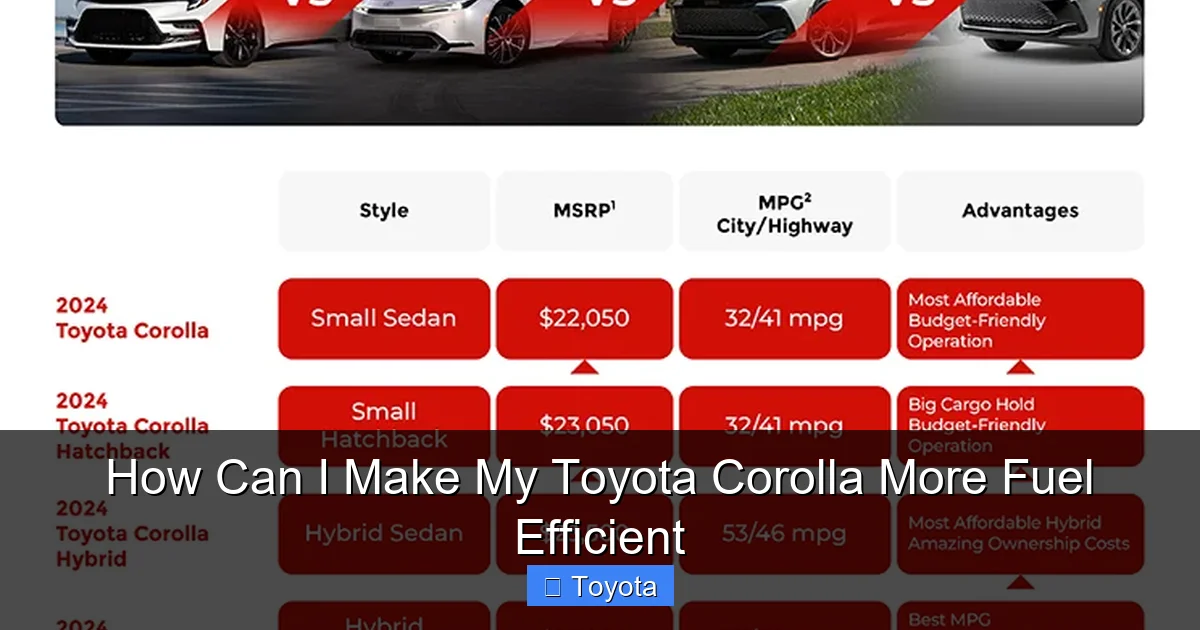
Your tires are the only part of your car touching the road. Their pressure, type, and size have a massive impact on how hard the engine has to work to keep you moving.
Visual guide about How Can I Make My Toyota Corolla More Fuel Efficient
Image source: earnhardttoyota.com
Pressure is Paramount
Under-inflated tires are soft and deform more as they roll. This increased “flexing” creates more rolling resistance, which the engine must overcome, burning more fuel. The correct pressure is NOT the number on the tire sidewall (that’s the max). It’s the number on the sticker inside your driver’s door jamb or fuel filler flap. Check your tire pressure at least once a month with a good digital gauge, and when the tires are cold (driven less than a mile). Inflate them to the recommended PSI. You can often gain 0.3-0.6 MPG just by keeping tires properly inflated.
Consider Low-Rolling-Resistance (LRR) Tires
When it’s time for new tires, consider a model rated for low rolling resistance. These tires are engineered with special rubber compounds and tread designs to minimize the energy lost as heat during flexing. Many major manufacturers (like Michelin, Bridgestone, Goodyear) offer LRR versions of their standard all-season tires. Look for the “LRR” designation or check tire reviews for fuel economy ratings. The slight extra cost upfront is often paid back in fuel savings over the life of the tire.
Keep Wheels and Alignment in Check
Wheel alignment that is out of spec causes tires to scrub or drag sideways as they roll, dramatically increasing resistance. Hit a pothole or curb? Get an alignment check. Also, ensure your wheels are clean and free of excessive brake dust, as this can slightly affect aerodynamics. While we’re on wheels, remember that aftermarket alloy wheels that are significantly heavier than the stock steel or alloy wheels will negatively affect both acceleration and fuel economy due to increased unsprung weight.
4. Reduce Weight and Aerodynamic Drag
Every extra pound your car carries is weight it must accelerate. And at highway speeds, aerodynamics become a major fuel-sucking factor.
Declutter Your Corolla
Open your trunk and back seat. Do you have golf clubs, a stroller, a bag of dog food, or old books that live in your car? Remove them! An extra 100 pounds can reduce fuel economy by about 1-2%. Make your Corolla a minimalist’s dream on wheels. Only carry what you need for the immediate trip.
Ditch the Roof Rack When Not in Use
That empty roof rack or cargo carrier is a major aerodynamic disruptor. At highway speeds, it creates significant drag, like a parachute on your roof. If you use a roof rack for occasional trips, remove it immediately after and store it in the garage. The improvement in highway MPG can be noticeable. The same goes for bike racks. If you’re not actively transporting bikes, take it off.
Mind the Windows at Speed
At low city speeds, rolling down the windows is more efficient than running the AC. But at highway speeds (above 55-60 mph), the open windows create immense turbulence and drag, which is worse for fuel economy than using the air conditioner. Use a combination: open windows at low speeds, switch to AC with windows up at high speeds. The AC system does put a load on the engine, but modern systems are efficient, and the drag from open windows is often the greater penalty at speed.
5. Fuel Choices and Smart Refueling
What goes into your tank and how you put it in matters for both your wallet and your MPG.
Use the Correct Octane Fuel
This is critical. Your Toyota Corolla’s engine is designed and tuned for regular unleaded gasoline with an octane rating of 87. Using a higher-octane premium fuel (91 or 93) provides zero benefit unless your specific model has a turbocharged engine that explicitly requires it (most naturally aspirated Corollas do not). Premium fuel is more expensive and does not clean your engine better or give you more power. It simply resists “knock” in high-compression engines, which your Corolla’s engine doesn’t need. Save your money and use regular gas. For a definitive answer on your specific model year and trim, you can check resources like this guide on using premium gas in a Corolla.
Shop Smart and Time Your Fill-Ups
Fuel prices fluctuate. Use apps like GasBuddy to find the cheapest station along your route. Also, consider filling up in the morning or evening when fuel is denser. Gasoline expands with heat, so you get slightly less actual fuel volume (though the same energy content) when you buy during the hottest part of the day. The difference is small, but it’s a free tip.
Don’t Run on Empty (But Don’t Overfill)
While the old advice to never let your tank go below 1/4 is partly about avoiding sediment from the tank bottom, it’s also about weight. A full tank is heavy. However, constantly driving with a near-empty tank means you’re carrying less weight, which is good. The real danger is running so low that you overheat the in-tank fuel pump (which is cooled by gasoline) or getting stranded. A good rule is to refuel when you reach 1/4 tank. This balances weight savings with safety and pump longevity. If you’re curious about the exact range after the light comes on, check this detailed article.
6. Leverage Your Corolla’s Built-In Efficiency Features
Your Corolla comes with tools to help you drive efficiently. Learn to use them!
Eco Mode: Your Digital Co-Pilot
Almost all modern Corollas have an “Eco” button. When activated, it subtly changes the throttle response (making it less sensitive), adjusts the air conditioning system for maximum efficiency, and may tweak shift points in the automatic transmission to encourage upshifts at lower RPMs. The effect is a car that feels a bit more relaxed and lazier, directly translating to better fuel economy in city driving. It’s a no-brainer switch to use for daily commuting.
Read the Real-Time MPG Gauge
Your instrument cluster likely has a screen that shows instant or average MPG. Use it as a coaching tool! Watch how the number drops when you accelerate hard or climb a hill. See it rise when you coast or descend. This immediate feedback is powerful for training yourself to drive more efficiently. Try to keep the average MPG as high as possible during your trip.
Smart Use of Accessories
Every electrical accessory draws power from the engine via the alternator. This includes the radio, heated seats, rear window defroster, and especially the air conditioner. Be mindful. Do you need the rear defroster on after the glass is clear? Turn it off. Use seat heaters instead of cabin heat for localized warmth, as the heater uses the engine’s hot coolant and a fan, which is a smaller load than the AC compressor.
7. The Long-Term View: Professional Services and Modifications
For the enthusiast looking to eke out every last drop, there are deeper steps.
Professional Fuel System Cleaning
Over thousands of miles, fuel injectors can develop tiny deposits that disrupt their spray pattern. A professional, multi-step fuel system cleaning (often called an “injector cleaning” or “fuel induction service”) can restore optimal spray, improve throttle response, and help fuel economy. This is a worthwhile service for a high-mileage Corolla that has never had it done. It’s more effective than just adding a bottle of cleaner to the tank.
Consider Low-Viscosity Synthetic Oil
We mentioned oil earlier, but this is a specific tip. Many modern Corollas are designed to use 0W-16 or 0W-20 synthetic oil. This extremely thin oil reduces internal friction more than traditional 5W-30. If your manual allows it, using the lightest weight synthetic oil specified is one of the best “free” efficiency gains you can get. Never use a viscosity not approved by Toyota.
A Word of Caution on “MPG Boosters”
The market is full of gadgets claiming to increase fuel economy—magnetic fuel conditioners, vortex generators, “chips” that promise more power and MPG. The vast majority are snake oil. They do not work and are a waste of money. Stick to the proven methods outlined here. Real gains come from physics (reducing friction, drag, and weight) and chemistry (proper combustion), not pseudoscience.
Conclusion: Efficiency is a Habit, Not a Destination
Making your Toyota Corolla more fuel efficient is not about one magical fix. It’s the cumulative result of dozens of small, smart choices. It’s the gentle press of the accelerator, the monthly tire pressure check, the empty roof rack, and the timely oil change all working together. Your Corolla is already a champion of reliability; with these practices, it can become a champion of economy too.
Start by picking two or three items from this list that are easiest for you—perhaps checking tire pressure and using Eco mode—and make them habits. Then gradually incorporate more. You’ll not only see the savings add up at the gas station, but you’ll also likely reduce wear and tear on your brakes and engine, potentially extending your Corolla’s already impressive lifespan. The most efficient Corolla is the one that’s well-maintained and driven with intention. Now, go enjoy those extra miles between fill-ups!
Frequently Asked Questions
Will using premium gas in my Toyota Corolla improve fuel economy?
No. Your Corolla’s engine is designed for regular unleaded 87-octane fuel. Using premium gas offers no efficiency or power benefits unless you have a specific turbocharged model that requires it. You’ll just spend more money per gallon without any MPG return.
How much does tire pressure really affect fuel economy?
Significantly. For every 1 PSI that all four tires are under-inflated, your fuel economy can drop by about 0.2%. Properly inflated tires reduce rolling resistance, improve handling, and increase tire life. Check them monthly for safety and efficiency.
Is it better to roll down the windows or use the air conditioner for fuel economy?
It depends on speed. At low city speeds (under 55 mph), rolling down windows creates less aerodynamic drag than the AC compressor’s load on the engine. At highway speeds (above 55-60 mph), the drag from open windows is much worse than using the AC. Use windows down in town and AC on the highway.
Does removing my empty roof rack help fuel economy?
Absolutely. Even an empty roof rack or cargo carrier disrupts airflow over your car, creating significant aerodynamic drag at highway speeds. This can reduce fuel economy by several MPG. Remove it when not in use to restore your car’s sleek, efficient shape.
What is the single best thing I can do to improve my Corolla’s MPG?
Change your driving habits. Smooth, gentle acceleration and anticipating traffic to brake less and coast more provides the most dramatic and immediate improvement in fuel economy, especially in city driving. No maintenance item can match the impact of how you drive.
How often should I change my engine air filter?
Check it at every oil change. If it’s visibly dirty or clogged with debris, replace it. In normal driving conditions, the interval is typically every 15,000 to 30,000 miles, but in dusty or polluted areas, you may need to change it more frequently. A clean air filter is essential for optimal air-fuel mixture and efficiency.
