
Toyota Highlander Hybrid Xle Vs Limited: What’s the Difference?

The Toyota Highlander Hybrid XLE and Limited share the same efficient powertrain but differ in premium features. The XLE provides excellent value with essential upgrades, while the Limited adds luxury amenities like ventilated seats and premium audio. Your choice depends on budget and desired comfort levels.
So, you’ve decided on a Toyota Highlander Hybrid. Great choice—it’s one of the most reliable and efficient three-row SUVs on the market. But now you’re staring at the trim list, and the Toyota Highlander Hybrid XLE vs Limited comparison has you scratching your head. They look similar, they both have that fantastic hybrid system, so what’s really the difference? Is the Limited worth the extra cash? We’re breaking it down, trim by trim, feature by feature, to help you pick the perfect Highlander for your family and your wallet.
Let’s be real: choosing a car is personal. It’s not just about specs on a sheet. It’s about the feel of the steering wheel, the comfort of the seats on a long drive, and the little conveniences that make everyday errands feel smoother. The XLE and Limited are both excellent trims, but they cater to slightly different priorities. One is the thoughtful, well-equipped family hauler. The other is the sophisticated, comfort-first cruiser. By the end of this deep dive, you’ll know exactly which one aligns with your lifestyle.
Key Takeaways
- Price Gap: The Limited trim commands a significant premium, typically $3,000–$5,000 more than the XLE.
- Interior Materials: XLE uses durable SofTex; Limited upgrades to perforated leather with ventilated front seats.
- Infotainment: Both have large touchscreens, but Limited includes the premium 11-speaker JBL audio system.
- Seating Configuration: XLE offers 8-passenger seating; Limited standardizes 7-passenger with captain’s chairs.
- Shared Core: Identical hybrid powertrain, fuel economy, towing capacity, and Toyota Safety Sense 2.5+.
- Target Buyer: XLE suits value-focused families; Limited appeals to those wanting near-luxury amenities.
- Resale Value: Limited often holds a slightly higher percentage of its value due to higher demand for luxury features.
📑 Table of Contents
- Understanding the Highlander Hybrid Lineup: Where XLE and Limited Fit
- Exterior Design: Subtle Clues to Trim Level
- Interior Comfort and Seating: Where Luxury Truly Shines
- Technology and Infotainment: Screens and Sound
- Performance, Efficiency, and Capability: No Difference Here
- Pricing, Value, and Which Trim Should You Choose?
Understanding the Highlander Hybrid Lineup: Where XLE and Limited Fit
Before we dive into the nitty-gritty, it helps to see the bigger picture. The Toyota Highlander Hybrid comes in several trims, usually starting with the LE, then moving to the XLE, followed by the sportier XSE, the luxurious Limited, and the range-topping Platinum. The Toyota Highlander Hybrid XLE vs Limited debate essentially sits in the middle-to-upper tier of this lineup.
The Trim Hierarchy: From Practical to Premium
The XLE is what we’d call the “sweet spot” trim for many buyers. It takes the solid, efficient base LE and adds a meaningful bundle of comfort, tech, and style upgrades without a huge price jump. Think of it as the trim that gives you 80% of the luxury feel for about 70% of the price of the top models. The Limited, on the other hand, is where things get seriously plush. It’s not the absolute highest (that’s the Platinum), but it’s the first trim where every surface feels intentionally upscale and every amenity is focused on comfort and convenience.
If you’re trying to decide between these two, you’re likely bypassing the entry-level LE but aren’t ready to jump all the way to the Platinum. You want more than basics, but you’re also cost-conscious. This is the heart of the XLE vs. Limited conversation.
The Shared Hero: The Hybrid Powertrain
Here’s the most important thing to remember: under the hood and in the drivetrain, the XLE and Limited are identical. Both use Toyota’s proven 2.5-liter four-cylinder hybrid engine paired with electric motors, delivering a combined 245 horsepower. Both come standard with Electronic On-Demand AWD. This means:
- Fuel Economy: Identical EPA estimates (typically around 36 MPG combined for AWD models). Your commute costs will be the same.
- Performance: Same smooth, quiet acceleration and identical 0-60 times.
- Towing Capacity: Both max out at 3,500 pounds—enough for a small trailer or jet skis.
- Standard Safety: Both include the full Toyota Safety Sense 2.5+ suite with Pre-Collision System, Lane Departure Alert, Adaptive Cruise Control, and more.
So, the decision isn’t about power, efficiency, or core safety. It’s purely about the experience—the interior ambiance, the tech, and the comfort features. If you’re looking at a used model, you might also find that the maintenance requirements are identical due to the shared powertrain.
Exterior Design: Subtle Clues to Trim Level
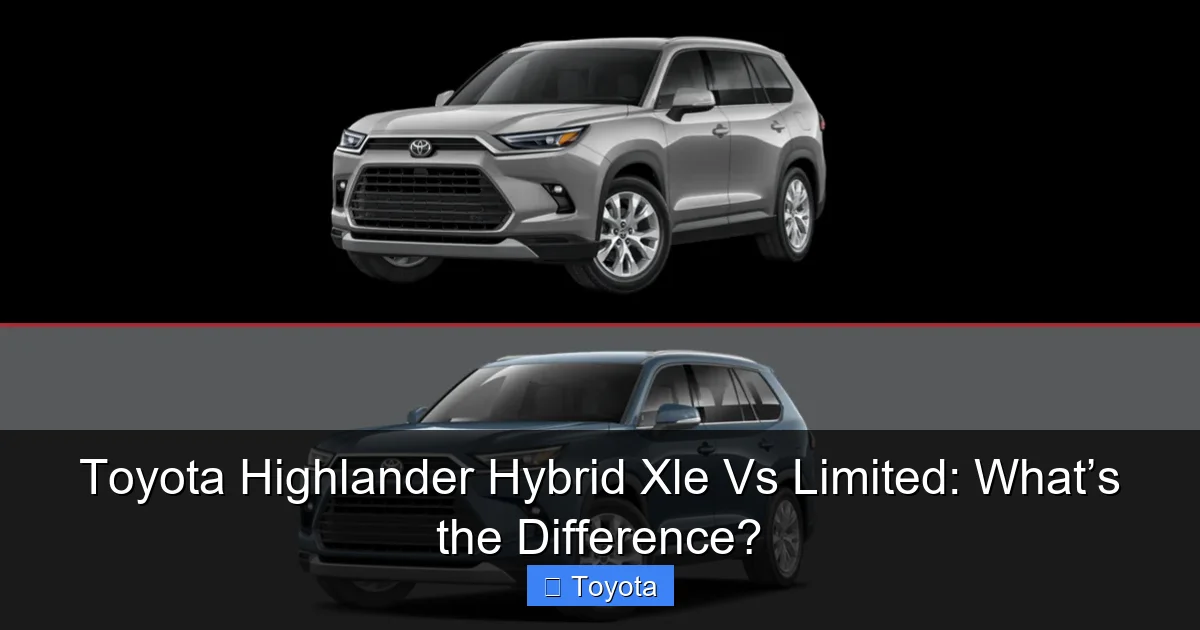
From the outside, the Highlander Hybrid is a handsome, muscular SUV. The differences between XLE and Limited are present but subtle—more about accents and wheels than radical redesigns. If you want your vehicle to announce its price tag, the Limited gives you a few more shiny bits.
Visual guide about Toyota Highlander Hybrid Xle Vs Limited: What’s the Difference?
Image source: darcarstoyotaoffrederick.com
Front End and Grille Details
Both trims feature Toyota’s signature trapezoidal grille with LED headlights. The XLE gets a body-color grille with a chrome surround, which looks clean and modern. The Limited steps up with a more elaborate mesh-pattern grille insert and additional chrome plating, giving it a slightly more prestigious appearance. It’s a small detail, but it’s one of the first things people notice.
Wheels and Tires
This is a clear differentiator. The XLE rides on standard 18-inch alloy wheels. They’re perfectly fine, but the Limited rolls on larger 20-inch alloy wheels. Those extra two inches make a visual impact, filling the wheel wells more aggressively and giving the SUV a more planted, upscale stance. The tire profile will be slightly lower on the Limited, which can sometimes translate to a firmer ride, but the larger wheels are a definite style upgrade.
Lighting and Other Exterior Touches
Both trims have LED headlights, taillights, and daytime running lights. However, the Limited often includes features like automatic headleveling and rain-sensing windshield wipers, which are comfort-oriented tech that you might not notice until you use them. Body side molding, door handles, and roofline accents are similarly body-color on both, but the Limited may feature more chrome on the window trim or rear valance. Color availability can also play a role; some premium paint shades (like shades of metallic or pearl) might be exclusive to the Limited or require an added cost on the XLE.
Interior Comfort and Seating: Where Luxury Truly Shines
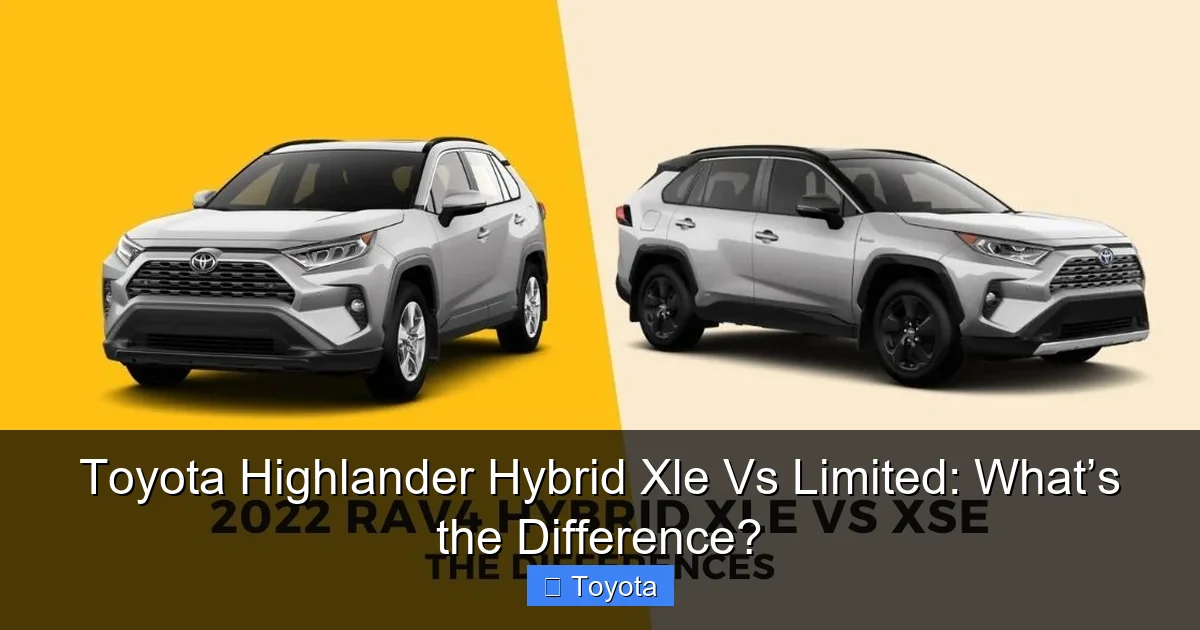
This is where your money starts to talk. The interior is where you live with the car every day, and the differences between the Highlander Hybrid XLE and Limited are most apparent here. It’s not just about “leather vs. cloth”—it’s about the entire sensory experience.
Visual guide about Toyota Highlander Hybrid Xle Vs Limited: What’s the Difference?
Image source: evto.ca
Materials: SofTex vs. Perforated Leather
The XLE’s seats and much of its dashboard are upholstered in Toyota’s proprietary “SofTex” material. It’s a synthetic material designed to look and feel like leather—soft, durable, and easy to clean. It’s a massive step up from basic cloth and feels premium in its own right. The Limited, however, swaps this for genuine perforated leather. The perforations aren’t just for show; they enhance the functionality of the ventilated seats (more on that below). The leather has a richer, more supple feel, and the stitching often contrasts for a custom look. Door panels, armrests, and the steering wheel also get the leather upgrade in the Limited, creating a consistently luxurious touchpoint throughout the cabin.
Seating Configuration and Space
This is a huge functional difference. The XLE typically comes standard with a second-row bench seat, allowing for 8-passenger seating. This is a major selling point for larger families or anyone who frequently carries adults in the second row. The Limited, in pursuit of a more premium, “captain’s chair” experience, standardizes a 7-passenger layout with individual second-row bucket seats. These captain’s chairs often come with a generous middle console with storage and cupholders, making the second row feel more like a first-class lounge. They also make accessing the third row easier, as you don’t have to flip a bench seat forward. Cargo space behind the third row is identical between trims, as the overall vehicle dimensions are the same.
Comfort and Convenience Features
Here’s where the Limited justifies its price for many buyers. Both trims have heated front seats, but the Limited adds:
- Ventilated Front Seats: These are game-changers in hot climates or during summer drives. They blow cool air through perforations in the seat cushions and backs, providing immediate relief that standard AC vents can’t match.
- Driver’s Seat Memory: Save your ideal seat, mirror, and steering wheel positions at the touch of a button. Perfect for households with multiple drivers.
- Heated Steering Wheel and Heated Second-Row Seats: The XLE may have heated front seats, but the Limited extends that warmth to the second row and the wheel, a huge winter luxury.
- Power-Adjustable Pedals: A subtle but fantastic feature for taller drivers, allowing the pedal assembly to move closer.
The XLE’s comfort features are still excellent—power-adjustable driver’s seat, heated front seats, tri-zone climate control—but the Limited’s additions are the kind you don’t realize you need until you experience them, and then you can’t go back.
Technology and Infotainment: Screens and Sound
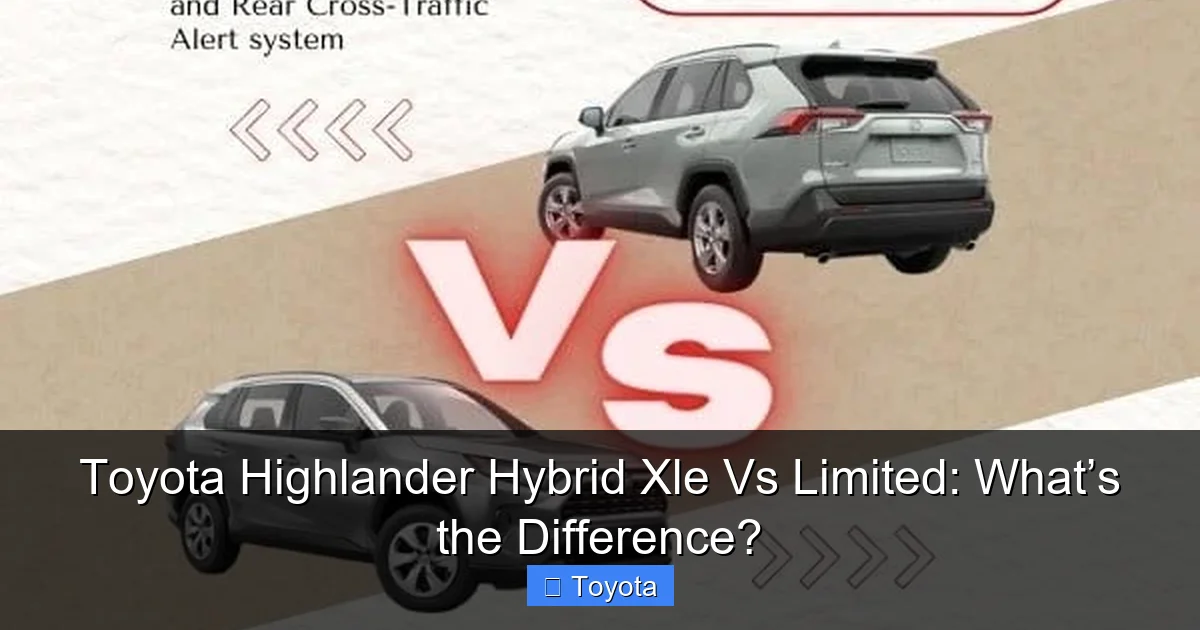
Modern families live on their tech. The Highlander Hybrid keeps you connected, but the XLE and Limited offer different tiers of the audio and visual experience.
Visual guide about Toyota Highlander Hybrid Xle Vs Limited: What’s the Difference?
Image source: rav4hub.com
Display and Interface
Both trims feature a large central touchscreen. The XLE comes with an 8-inch display. It’s responsive and includes standard Apple CarPlay and Android Auto (wired). The Limited upgrades to a larger, more impressive 12.3-inch touchscreen. This isn’t just about size; the interface is often more graphically rich, and the Limited may include built-in navigation (which can be added to the XLE as an option in some model years). The larger screen makes maps and media more legible and feels more futuristic.
Audio System: Standard vs. JBL Premium
This is a classic luxury upgrade. The XLE has a competent 6-speaker audio system. It gets the job done for podcasts and news. The Limited, however, includes a premium 11-speaker JBL audio system with a subwoofer. The difference is night and day. You’ll hear clearer highs, deeper bass, and a much more immersive, concert-hall soundstage. For audiophiles or anyone who enjoys music as a core part of their drive, the JBL system alone might be worth considering the Limited. It transforms the cabin from a quiet space into a personal sound studio.
Connectivity and Driver Tech
Both trims offer a good suite of connectivity: multiple USB ports (including USB-C), Bluetooth, and wireless charging (often standard on Limited, optional on XLE). The Limited may also include a digital key or remote connect features via the Toyota app that are more limited on the XLE. In terms of driver-focused tech, both have a digital gauge cluster, but the Limited’s may offer more customizable layouts or a larger driver display.
Performance, Efficiency, and Capability: No Difference Here
We touched on this earlier, but it bears repeating: mechanically, these two are twins. You aren’t sacrificing any performance or efficiency by choosing the XLE. The hybrid system’s seamless transition between gas and electric, the confident AWD grip, and the serene cabin at low speeds are identical.
Fuel Economy and Real-World MPG
Because the weight difference between XLE and Limited is minimal (mostly due to seats and wheels), the EPA ratings are the same. Expect around 36 MPG combined (34 city / 35 highway for AWD models, but always verify the specific model year). In real-world driving, you’ll likely see very similar numbers. The extra features in the Limited don’t significantly impact fuel consumption.
All-Wheel Drive and the Snow Button
Both come standard with Electronic On-Demand AWD. This system is primarily rear-wheel biased for efficiency but can send up to 50% of torque to the rear wheels when slip is detected. A key feature for many is the dedicated SNOW mode button on the center console. When engaged, this softens the throttle response and adjusts the AWD logic to maximize traction on ice and snow. It’s a simple but effective tool for winter driving. Since both trims have this system, the functionality is identical. If you want to understand the nuances of how this AWD system works and when to use the snow button, we have a detailed explainer on the snow button’s purpose that applies to both trims.
Towing and Payload
As mentioned, both are rated to tow up to 3,500 pounds when properly equipped. This is sufficient for a small utility trailer, a couple of jet skis, or a lightweight camper. The hybrid system’s low-end torque actually makes towing feel quite effortless. Payload capacity (how much weight you can put inside) is also nearly identical, with the Limited perhaps being a hair lower due to heavier seats and audio equipment, but the difference is negligible for practical purposes.
Pricing, Value, and Which Trim Should You Choose?
Now, the million-dollar question (or rather, the several-thousand-dollar question). Is the Limited’s premium justified?
The Cost Difference: Breaking It Down
For the 2024 model year, the MSRP typically starts around $47,000 for the Hybrid XLE and $51,500 for the Hybrid Limited (AWD included on both). That’s a starting difference of about $4,500. However, this gap can widen or narrow depending on dealer incentives, regional demand, and optional packages. The Limited’s price includes all its upgrades as standard. On the XLE, adding similar features à la carte (like a premium audio system, larger screen, or leather) would likely cost nearly as much as the trim difference, if not more, due to packaging.
Is the Limited Worth the Extra Money?
This is a personal calculus. Ask yourself:
- Do you prioritize daily comfort and luxury? If you spend hours in the car weekly, the ventilated seats, leather, and JBL audio provide a tangible, daily upgrade in quality of life.
- How many people do you usually carry? If you need 8 seats, the Limited’s captain’s chairs won’t work. The XLE’s bench is the only way to get that capacity.
- How important is resale value? Historically, the Limited trim often holds its value slightly better percentage-wise than the XLE because the luxury features have strong appeal in the used market.
- Do you want the largest possible screen? The 12.3-inch display is a noticeable upgrade for tech enthusiasts.
Our Recommendation: The Practical Verdict
For the majority of families, the Toyota Highlander Hybrid XLE represents the best blend of value, space, and features. You get a huge touchscreen (8-inch is still large), SofTex seats that look great, a solid audio system, and all the core hybrid efficiency and safety. It’s a no-compromise choice for 8-passenger needs.
Step up to the Limited if:
- You consistently carry 6-7 people and prefer the comfort and storage of captain’s chairs.
- You live in a hot climate and dream of ventilated seats.
- You are an audio enthusiast who will deeply appreciate the JBL system.
- You simply want the most luxurious cabin experience possible without going to the Platinum trim.
Think of it this way: the XLE is the thoughtfully equipped family workhorse. The Limited is that same workhorse, but with a first-class upgrade on the inside. If you can afford the difference and those luxury touches call to you, the Limited delivers. If your priority is maximizing value and space for the dollar, the XLE is a phenomenal choice that won’t leave you wanting.
Ultimately, the best way to decide is to test drive both back-to-back. Sit in the seats. Play with the infotainment. Feel the materials. The difference is immediately apparent, and your personal preference will be the final decider.
Frequently Asked Questions
Are the Toyota Highlander Hybrid XLE and Limited mechanically identical?
Yes. Both trims share the exact same 2.5-liter hybrid powertrain, Electronic On-Demand AWD system, fuel economy ratings, towing capacity, and Toyota Safety Sense 2.5+ suite. All performance and efficiency metrics are identical.
Which trim has better fuel economy, XLE or Limited?
Neither. Because they use the same hybrid system and have nearly identical weight, both the XLE and Limited achieve the same EPA-estimated fuel economy, typically around 36 MPG combined for AWD models.
Does the Limited have more cargo or passenger space than the XLE?
No. The exterior dimensions and overall cargo volume are identical. The key difference is seating configuration: the XLE offers 8-passenger seating with a second-row bench, while the Limited standardizes 7-passenger seating with captain’s chairs. The captain’s chairs may feel more spacious for second-row occupants but reduce total capacity by one.
Is the Limited’s leather and ventilated seat upgrade worth the cost?
This is subjective. The perforated leather and ventilated seats provide a significant leap in daily comfort and luxury feel, especially in hot climates. If these features are important to you and you’ll use them regularly, they can justify the price difference. If you’re primarily concerned with space and value, the XLE’s SofTex is still very premium.
What safety features are standard on both the XLE and Limited?
Both trims come standard with the complete Toyota Safety Sense 2.5+ package, including Pre-Collision System with Pedestrian Detection, Full-Speed Range Adaptive Cruise Control, Lane Departure Alert with Steering Assist, Road Sign Assist, and Automatic High Beams. There is no safety feature advantage to the Limited.
Which trim holds its resale value better, XLE or Limited?
Historically, the Limited trim tends to hold a slightly higher percentage of its original value over time compared to the XLE. This is because the luxury features (leather, premium audio, larger screen) remain desirable in the used market, often commanding a price premium over similarly equipped XLE models.
