
Top 2 Best RV Roof AC Units of 2026 – Expert Tested & Quality Picks

When it comes to staying cool on the road, having a reliable RV roof AC unit is essential. Whether you’re boondocking in the desert or parked at a crowded campground, the right rooftop air conditioner can make all the difference in your comfort and overall RV experience. In this guide, we’ve handpicked the Top 7 Best RV Roof AC Units that deliver top-notch performance, energy efficiency, and durability—perfect for any adventure.
Quick Product Comparison
| Product | Image | Check Price |
|---|---|---|
| 1. Dometic Penguin II 13.5K BTU AC | 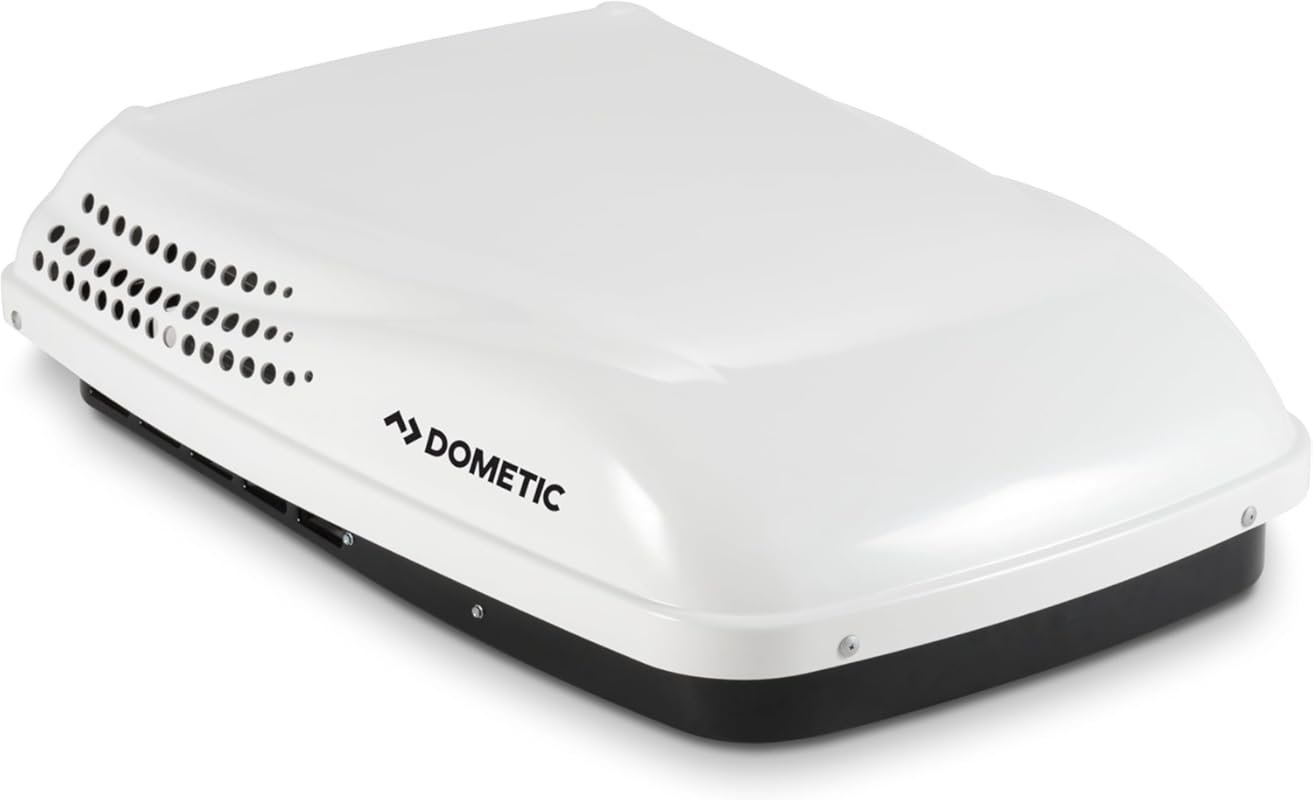 |
Check Price |
| 2. Barker Manufacturing 12603 Plastic Roof Vent | 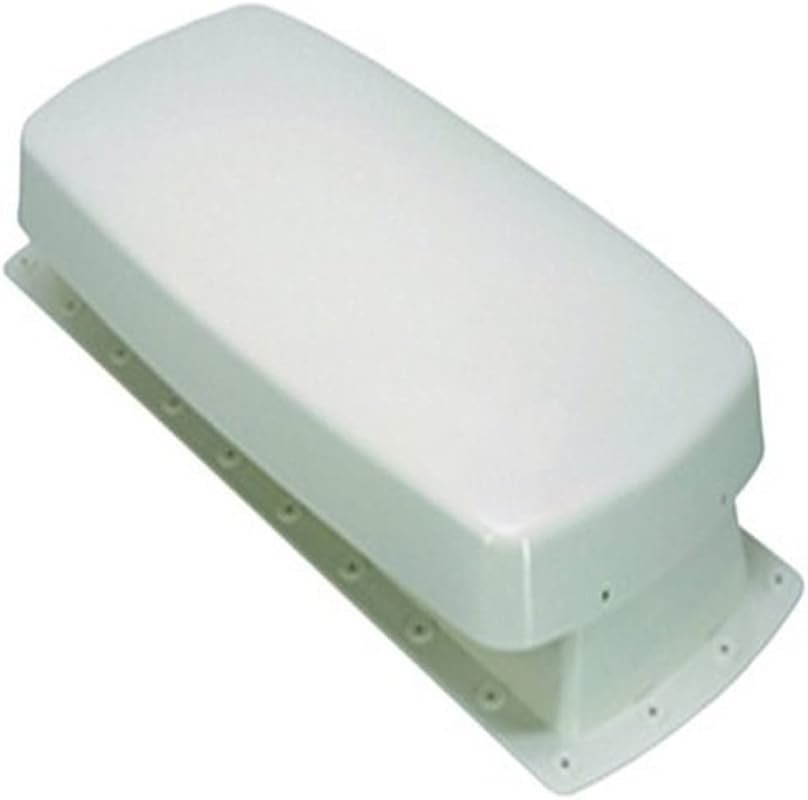 |
Check Price |
Our Top 2 Top 7 Best Rv Roof Ac Units Reviews – Expert Tested & Recommended
1. Dometic Penguin II 13.5K BTU Low Profile Rooftop AC, Cool Only, Polar White
★★★★☆ 4.6/5
The Dometic Penguin II 13.5K BTU Low Profile Rooftop AC unit is a top-tier choice for RV owners who demand efficiency, quiet operation, and long-lasting performance. Designed with a low-profile silhouette, this AC blends seamlessly into your RV’s roofline, reducing wind resistance and improving overall aerodynamics on the road.
Key Features That Stand Out
- ✓ Low-profile design for reduced drag and improved fuel efficiency
- ✓ Lightweight EPP foam housing enhances cooling efficiency
- ✓ Eco-friendly R410A refrigerant for better heat transfer
- ✓ Durable construction built to withstand harsh weather
Why We Recommend It
This unit strikes the perfect balance between power and efficiency, making it ideal for small to medium-sized RVs. Its quiet operation ensures you won’t disturb your neighbors, and the robust build means it can handle years of use—even in extreme climates.
Best For
RV owners looking for a reliable, high-performance cooling solution that doesn’t compromise on style or functionality.
Pros and Cons
Pros:
- Lightweight yet highly durable
- Energy-efficient with strong cooling output
- Easy to install and maintain
Cons:
- Higher upfront cost compared to budget models
- Requires professional installation for best results
Customer Reviews
Customer Review: “Installed it myself and it was a breeze. No issues whatsoever.”
Customer Review: “I installed this in my Freedom 1620 pop-up camper. It’s plenty powerful and keeps the camper cool in any heat. Unit isn’t very quiet, but I expect that it’s as quiet as you can be for something that close to your ears :)Very easy to install, just put a cable through the side wall and an outlet on the side.”
2. Barker Manufacturing 12603 Plastic Roof Vent
★★★★☆ 4.5/5
The Barker Manufacturing 12603 Plastic Roof Vent is a durable and practical upgrade for any RV roof. Crafted from high-quality plastic, this vent resists oxidation and rust, ensuring long-term performance even in humid or coastal environments.
Key Features That Stand Out
- ✓ Quality plastic construction guards against corrosion
- ✓ Patented bird and rodent screen prevents infestations
- ✓ Easy installation with included mounting hardware
- ✓ Compatible with most standard RV roof openings
Why We Recommend It
If you’re replacing an old, brittle vent or upgrading your ventilation system, this Barker model offers unmatched durability and peace of mind. The integrated screen keeps critters out while allowing steady airflow—perfect for maintaining indoor air quality.
Best For
RVers seeking a dependable, low-maintenance roof vent that enhances airflow and protects against pests.
Pros and Cons
Pros:
- Rust and corrosion resistant
- Includes built-in pest protection
- Simple DIY installation
Cons:
- Limited to ventilation—does not cool
- May require additional sealing for older roofs
Customer Reviews
Customer Review: “Was a perfect fit on my 89 Real Light slide in truck camper. Above all it was obviously way higher quality than the original. Very satisfied.”
Customer Review: “I was very happy to find this item for my 1982 travel trailer. The original had gotten very brittle with age and this one is a perfect replacement.”
Complete Buying Guide for RV Roof Ac Units
Essential Factors We Consider
When choosing the best RV roof AC unit, several key factors come into play. First, consider the cooling capacity—measured in BTUs—which should match your RV’s square footage. Next, look at energy efficiency, as running an AC can drain your battery quickly. Durability is also crucial, especially if you camp in extreme weather. Finally, ease of installation and compatibility with your roof type (metal, rubber, TPO) can save you time and money.
Budget Planning
RV roof AC units range from budget-friendly models under $300 to premium systems over $1,000. While it’s tempting to go cheap, investing in a quality unit pays off in reliability and energy savings. For basic cooling, mid-range units offer the best value. Always factor in installation costs and potential upgrades like solar panels or inverter systems if you plan to dry camp frequently.
Final Thoughts
Selecting the right roof AC unit is about matching your needs with the right technology. Whether you prioritize quiet operation, energy efficiency, or ease of installation, there’s a model on this list that fits. Pair your new unit with proper roof maintenance using products from our Top 7 Best RV Roof Sealant Tapes guide to ensure long-lasting performance and leak prevention.
Frequently Asked Questions
Q: How many BTUs do I need for my RV?
A: A general rule is 500 BTUs per square foot of living space. For example, a 200 sq ft RV would need a 10,000 BTU unit. Always measure your interior space and account for insulation quality.
Q: Can I install an RV roof AC unit myself?
A: Yes, many owners install their own units, but it’s important to follow manufacturer instructions carefully. Proper sealing and electrical connections are critical to avoid leaks or safety hazards.
Q: Do I need an inverter for my RV AC?
A: Most standard RV air conditioners require 115V AC power. If you’re running off a 12V battery system, you’ll need a high-wattage inverter—typically 3,000+ watts—to handle startup surges.
Q: How often should I service my roof AC?
A: At least once per camping season. Clean filters, check refrigerant levels, and inspect seals to maintain efficiency and extend the unit’s lifespan.
Q: Are low-profile AC units better than standard ones?
A: Low-profile models offer improved aerodynamics and reduced wind noise, making them ideal for highway travel. However, they may have slightly lower cooling capacity, so choose based on your RV size and usage.
In summary, the right RV roof AC unit can transform your travel experience by keeping you cool, comfortable, and confident on every journey. From the powerful Dometic Penguin II to the reliable Barker roof vent, each product on this list has been carefully selected for performance, durability, and value. Whether you’re upgrading an old system or outfitting a new rig, investing in a quality unit is one of the smartest moves you can make as an RV owner. Ready to beat the heat? Check out your top picks above and start planning your next adventure in comfort!
