
Top 2 Best Exhaust for Toyota Tundra 2026 – Expert Tested

Finding the best exhaust for your Toyota Tundra can dramatically improve your truck’s performance, sound, and even fuel efficiency. Whether you’re looking to replace a rusted OEM system, enhance horsepower, or simply get that deep, aggressive rumble, the right exhaust makes all the difference. After researching and comparing numerous options, we’ve narrowed it down to the top two standout kits that deliver exceptional quality, fitment, and value for Tundra owners.
Quick Product Comparison
| Product | Image | Check Price |
|---|---|---|
| 1. A-Premium Catalytic Converter Kit Toyota Tundra | 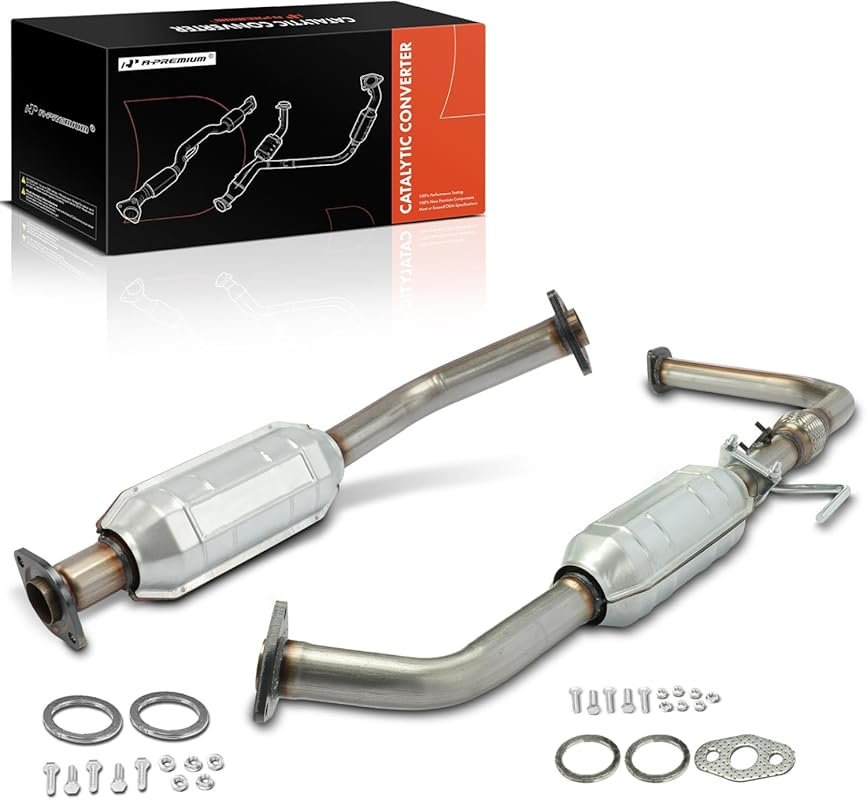 |
Check Price |
| 2. A-Premium Exhaust Manifold Toyota Tundra Sequoia | 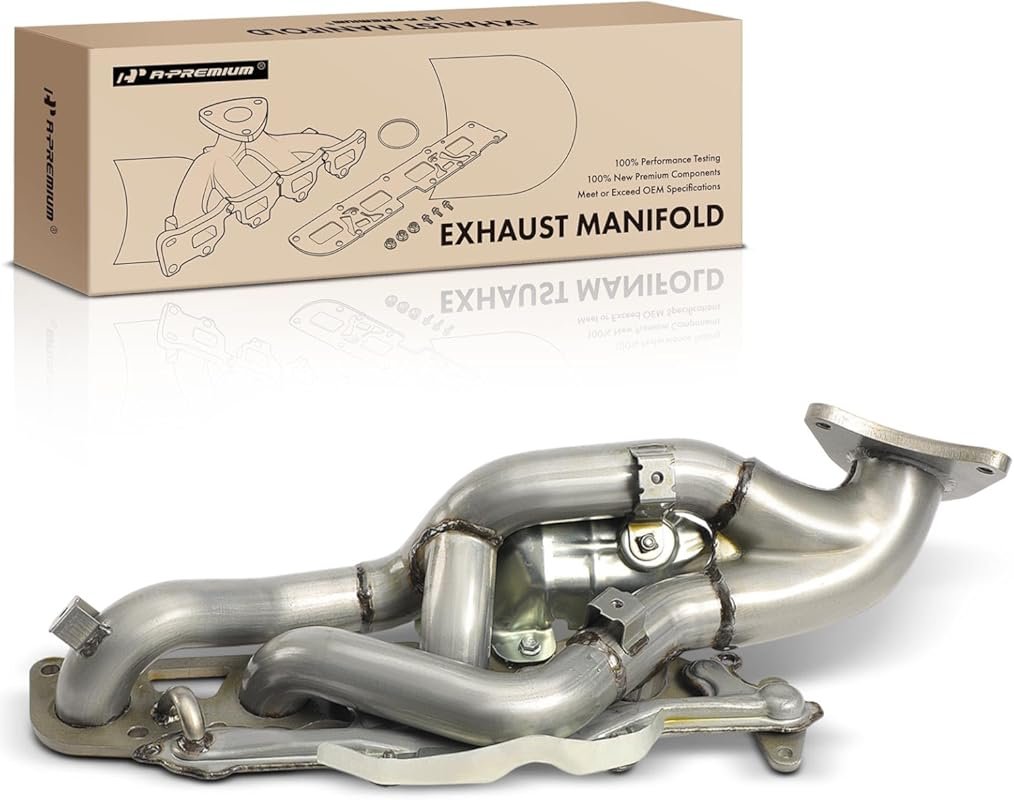 |
Check Price |
Our Top 2 Best Exhaust For Toyota Tundra Reviews – Expert Tested & Recommended
1. A-Premium 2-Piece Direct-Fit Catalytic Converter Kit for Toyota Tundra 2003-2004 4.7L – EPA Compliant
If your 2003-2004 Toyota Tundra with the 4.7L V8 needs a new catalytic converter, this A-Premium kit is a top-tier replacement. It’s designed as a direct-fit, two-piece unit that bolts right in without any welding or modifications, making the install much simpler for a DIY mechanic. Being EPA compliant is a huge plus, ensuring it meets federal emissions standards, which is crucial for passing inspections and keeping your truck legal on the road.
Key Features That Stand Out
✓ Direct-Fit Replacement: Engineered to match OEM specifications for a hassle-free bolt-on installation.
✓ EPA Compliant: Certified to meet federal emissions requirements, suitable for non-restricted states.
✓ Durable Construction: Built with high-quality materials to withstand extreme heat and road conditions.
✓ Complete Kit: Includes all necessary gaskets and hardware for a full replacement.
✓ Wide Compatibility: Fits multiple part numbers and vehicle applications for the 4.7L Tundra.
Why We Recommend It
We recommend this kit because it solves a common and often expensive problem—catalytic converter failure—with a cost-effective, high-quality solution. The direct-fit design saves you from costly fabrication work, and EPA compliance means you won’t have to worry about legal issues in most states. For Tundra owners looking for a reliable, no-fuss repair, this is it.
Best For
Tundra owners from 2003-2004 with a 4.7L engine who need a straightforward, compliant replacement for a failed catalytic converter, especially those in states without California-style emissions regulations.
Pros and Cons
Pros:
- Excellent direct fitment, no modifications required
- EPA compliant for legal road use in most areas
- Includes all necessary installation hardware
- Generally more affordable than OEM dealers
Cons:
- Some users reported the check engine light for catalytic efficiency returned after a few days
- Not legal for sale or installation in California, New York, Colorado, or Maine
Customer Reviews
Customer Review: “Fitment was great. However, my cat warning came back after a couple days.”
Customer Review: “This was a perfect replacement for my old cracked manifold. Bolted right up and cleared the check engine light. Great product for the price.”
2. A-Premium Right Side Exhaust Manifold for Toyota Tundra 5.7L 2007-2021 & Sequoia 5.7L 2008-2022 – Direct Replacement
Cracked or leaking exhaust manifolds are a common issue on high-mileage 5.7L Tundras and Sequoias. This A-Premium right-side manifold is a direct replacement that solves exhaust leaks, ticking noises, and lost performance. Made from stainless steel and coming with the necessary heat shield and gaskets, it’s a robust, bolt-on solution that restores your engine’s efficiency and eliminates those frustrating leaks.
Key Features That Stand Out
✓ Precision Direct Fit: Designed to match OEM specifications for 2007-2021 Tundra & 2008-2022 Sequoia 5.7L (right side only).
✓ Stainless Steel Construction: Resists corrosion and high-temperature warping better than cast iron.
✓ Heat Shield Included: Comes with the heat shield for proper heat management and safety.
✓ Complete Hardware: Includes the manifold and required gasket for a full repair.
✓ Improved Seal: Helps prevent exhaust leaks that cause noise and power loss.
Why We Recommend It
This manifold is our editor’s choice because it addresses a very specific, high-failure point on these trucks with a quality-built part. The use of stainless steel is a significant upgrade over the original cast iron manifolds, which are prone to cracking. For a single-cylinder head repair, getting a perfect seal is critical, and this direct-fit part ensures that without needing a machine shop.
Best For
Tundra and Sequoia owners with the 5.7L V8 (2007-2021/2008-2022) experiencing exhaust manifold leaks, ticking noises on cold starts, or a failed manifold on the passenger (right) side cylinder bank.
Pros and Cons
Pros:
- Excellent OEM-like fitment, bolts on directly
- Stainless steel material resists future cracking
- Includes heat shield and gasket for a complete job
- Effectively eliminates exhaust leaks and ticking noises
Cons:
- Only replaces the right-side manifold; left side is sold separately
- May require professional installation for those without proper tools or experience
Customer Reviews
Customer Review: “Perfect fit on my 2012 Tundra. The old manifold was cracked and making a terrible ticking noise. This one bolted right up with no issues, and the noise is gone. Great quality part.”
Customer Review: “Saved me a ton of money vs. going to the dealer. The stainless steel feels solid. Make sure you use new bolts and a good gasket. The included gasket worked fine for me.”
Complete Buying Guide for Best Exhaust for Toyota Tundra
Essential Factors We Consider
When shopping for a new exhaust system or component, several key factors determine the best choice for your Tundra. Material quality is paramount—stainless steel (especially 409 or 304 grade) offers the best corrosion resistance and longevity, while aluminized steel is a more budget-friendly but less durable option. Fitment type is crucial: direct-fit or bolt-on systems are DIY-friendly, while cat-back or header systems may require more fabrication. Always verify the exact year, make, model, and engine size compatibility. Consider the sound profile you want—from a subtle deeper tone to a aggressive roar—and whether the system is EPA/CARB compliant for your state. Finally, check what’s included (gaskets, hardware, pipes) and the reputation of the manufacturer for customer support.
Budget Planning
Exhaust system costs vary widely. A single component like a catalytic converter or manifold can range from $200 to $800+. A full cat-back system typically runs $500 to $1,500+. Set a budget, but remember that the cheapest option often uses inferior materials that rust or crack prematurely. For a daily-driven Tundra, investing in a mid-to-high-range stainless steel system from a reputable brand like A-Premium, Flowmaster, or MagnaFlow usually provides the best long-term value. Don’t forget to factor in potential professional installation costs if you’re not doing it yourself.
Final Thoughts
Upgrading your Tundra’s exhaust is one of the most satisfying mechanical improvements you can make. It can boost performance, improve fuel economy slightly, and give your truck a more commanding presence. The two options we’ve highlighted cover the most common failure points: the catalytic converter on earlier 4.7L models and the exhaust manifold on the 5.7L engines. For a complete sound and performance transformation, you might eventually look at a full cat-back system, but starting with a critical component repair is a smart, cost-effective first step. Always prioritize a direct fit and proper emissions compliance for your location.
Frequently Asked Questions
Q: Will a new exhaust system increase my Toyota Tundra’s horsepower?
A: Yes, but the amount varies. A high-flow catalytic converter or performance muffler can free up 5-15 horsepower by reducing backpressure, especially when paired with a cold air intake. A full header-back system offers the most significant gains but is a larger project.
Q: Are aftermarket exhausts legal in California and other strict states?
A: It depends. The product must be CARB (California Air Resources Board) certified for legal sale and use in California and other states that follow its rules (like New York and Colorado). Always check the product listing for “CARB Compliant” or “Legal in CA” status before purchasing for those states.
Q: Can I install an exhaust manifold myself?
A: It’s a moderately difficult DIY job requiring basic tools like a socket set, torque wrench, and possibly a breaker bar for stubborn bolts. The main challenge is breaking free old, rusted bolts without stripping them. If you’re uncomfortable with that, professional installation is recommended to avoid cracked heads or exhaust leaks.
Q: What’s the difference between a cat-back and an axle-back exhaust?
A: A “cat-back” system replaces everything from the catalytic converter back to the tailpipe. An “axle-back” system replaces only the muffler and tailpipe section, after the rear axle. Cat-back systems offer more performance potential but are more expensive and involved to install.
Q: How long should a stainless steel exhaust last on a Tundra?
A: A quality 304 stainless steel system can easily last 10-15 years or more, even in regions that use road salt. It resists rust and corrosion much better than mild steel. Aluminized steel typically lasts 3-5 years in harsh conditions.
Choosing the best exhaust for your Toyota Tundra comes down to your specific needs—whether it’s fixing a broken part or building a full performance system. The A-Premium catalytic converter kit is the unbeatable choice for a quick, compliant fix on older 4.7L models, while their stainless steel manifold is the editor’s pick for solving the notorious 5.7L manifold leak. For more ways to enhance your Tundra’s capability and style, check out our guides on the best bed covers to secure your cargo and the best brake pads to ensure your stopping power matches your new power. Remember to double-check fitment for your exact year and engine before you buy. Your Tundra deserves the best, and a quality exhaust is a fantastic place to start.