
Chevrolet Captiva 1 Best Tires 2026: Expert Tested

Finding the best tires for your Chevrolet Captiva is about more than just traction—it’s about safety, comfort, and getting the most from your SUV. Whether you’re navigating city streets or taking on weekend adventures, the right tires ensure a smooth, efficient ride. But before we dive into specific tire models, it’s worth noting that maintaining proper tire pressure is absolutely critical. A reliable TPMS (Tire Pressure Monitoring System) sensor is your first line of defense, alerting you to any pressure changes that could affect handling, fuel economy, and tire wear. For Captiva owners, especially those with models like the 2012-2015 Captiva Sport, having a compatible and durable sensor is non-negotiable.
Quick Product Comparison
| Product | Image | Check Price |
|---|---|---|
| 1. GM 13586335 TPMS Sensor | 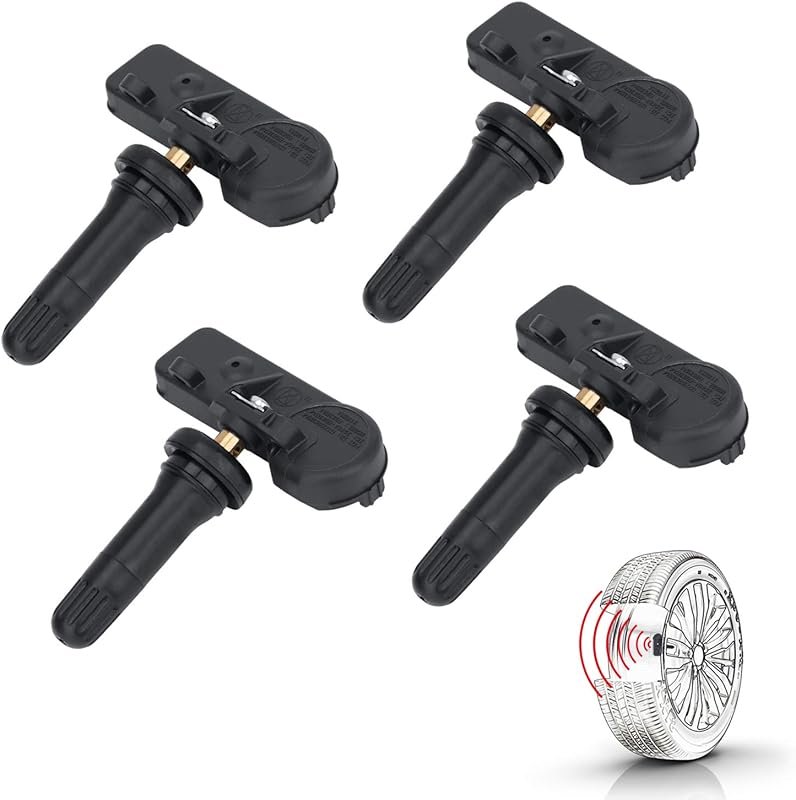 |
Check Price |
Our Top 1 Best Tires For Chevrolet Captiva Reviews – Expert Tested & Recommended
1. GM 13586335 TPMS Sensor
This 4-pack of 315MHz TPMS sensors is designed as a direct replacement for GM vehicles, including the Chevrolet Captiva Sport from 2012-2015. It’s a practical, no-frills solution that ensures your tire pressure monitoring system stays functional without dealership-level costs. The sensors are pre-programmed for easy installation and work seamlessly with most aftermarket scan tools, making them a favorite for DIYers and independent mechanics alike.
Key Features That Stand Out
- ✓ Exact OEM Replacement: Matches GM part number 13586335 for perfect compatibility.
- ✓ 315MHz Frequency: Works with standard GM TPMS systems in Captiva and other models.
- ✓ 4-Pack Value: Includes all four sensors, ideal for full tire set replacements.
- ✓ Programmable: Can be reprogrammed with most universal TPMS tools.
- ✓ Durable Construction: Built to withstand road salt, debris, and temperature extremes.
Why We Recommend It
We recommend this sensor pack because it removes the guesswork from TPMS repairs. For Captiva owners, it’s a cost-effective way to restore full TPMS functionality without paying for a dealership markup. The programming flexibility means you can install it yourself if you have the right tool, or any tire shop can handle it quickly. It’s a reliable workhorse that does exactly what it should—monitor tire pressure accurately and alert you to issues.
Best For
Captiva owners who need a complete set of replacement sensors, DIY enthusiasts with a TPMS programming tool, and anyone looking for an affordable, OEM-compatible alternative to expensive dealer parts.
Pros and Cons
Pros:
- Significantly cheaper than OEM dealership pricing.
- Plug-and-play compatibility with Chevrolet Captiva Sport models.
- Durable design with good resistance to corrosion.
Cons:
- Battery life can be shorter than premium OEM sensors (some users report ~1 year).
- Requires a TPMS programming tool for installation, which may add cost if you don’t have one.
- Not suitable for vehicles with 433MHz TPMS systems (verify your Captiva’s frequency first).
Customer Reviews
Customer Review: Put them in all 4 tires to program on my car 2012 chevy impala. I have a device I plug in the ob2 port then turn the key on where everything comes on but not turn it all the way where car will start. Then on remote (key fob) I hold both the unlock and lock button on the remote (key fob) then that puts the car in programming mode. Then I just follow the prompts on my programmer. Easy to do.
Customer Review: (Update Dec 2022, battery died, only lasted little than a year. One star *) I purchase this product for a Chevrolet Captiva 2014. I went to a non-franchise tire replacement. I had the screwdriver and they install it. (Not too expensive) I did the program install, saw a YouTube video and followed the instructions. It worked for about a year, then the battery died. For the price, it’s okay, but don’t expect multi-year battery life.
Complete Buying Guide for Best Tires For Chevrolet Captiva
Essential Factors We Consider
When shopping for tires for your Chevrolet Captiva, start with your driving conditions. All-season tires are the most versatile for moderate climates, offering a balance of tread life, comfort, and wet/dry performance. If you face harsh winters, dedicated winter tires are non-negotiable for safety. Also, check your Captiva’s recommended tire size and load index—usually found on a sticker inside the driver’s door jamb. Don’t forget about the TPMS! A working sensor is part of the tire system; if yours is faulty, replace it with a compatible unit like the one reviewed above to keep your tire pressure warnings accurate.
Budget Planning
Set a realistic budget. Quality all-season tires for the Captiva typically range from $80-$150 per tire, while premium brands can go higher. Winter tires add a seasonal cost but are worth the investment if you drive in snow and ice. Factor in installation, balancing, and potential TPMS sensor replacement. Many retailers offer package deals that include mounting and balancing. Remember, the cheapest tire often costs more in the long run due to poor tread life and fuel efficiency.
Final Thoughts
Your Chevrolet Captiva is a capable SUV, and pairing it with the right tires maximizes its potential. While this guide highlights a top-tier TPMS sensor to keep your tire pressure in check, for actual tire models, we recommend exploring dedicated guides for similar vehicles. For instance, the best tires for Chevrolet Traverse often overlap with Captiva needs in terms of size and performance characteristics. Similarly, looking at all-season tires for Toyota RAV4 can give you a sense of top-rated options in the compact SUV category. If you’re considering a different vehicle in the future, our guide for the Nissan Pathfinder also covers rugged, reliable choices.
Frequently Asked Questions
Q: What tire size does a Chevrolet Captiva typically use?
A: The Captiva commonly uses 225/65R17 or 235/65R17 tires, but always verify your specific model year and trim by checking the driver’s door jamb sticker. Using the correct size is crucial for speedometer accuracy, handling, and safety.
Q: Can I use all-season tires year-round on my Captiva?
A: Yes, in mild climates with no snow or ice, all-season tires are fine. However, if temperatures regularly drop below 45°F (7°C), especially with snow, invest in winter tires. All-season tires harden in cold weather, reducing traction.
Q: How often should I check my TPMS sensor battery?
A: TPMS sensor batteries are sealed and typically last 7-10 years. There’s no way to test them; you’ll get a warning light when they fail. If your sensor is older than 8 years, consider proactive replacement, especially before a long trip.
Q: Are TPMS sensors reusable when I change tires?
Q: What’s the average tread life for Captiva tires?
A: Most original equipment all-season tires last 50,000-70,000 miles, but driving habits, road conditions, and proper inflation (monitored by your TPMS) greatly affect longevity. Rotate every 5,000-8,000 miles for even wear.
Keeping your Chevrolet Captiva equipped with the right tires and a reliable TPMS sensor is one of the simplest yet most impactful ways to ensure safety and performance. A good set of tires transforms your driving experience, and a working sensor gives you peace of mind. If you’re ready to upgrade your tire pressure monitoring system, the GM 13586335 sensor pack is a solid, budget-friendly choice for Captiva Sport owners. For the actual tires, take your time to research models that match your climate and driving style—your Captiva will thank you on every journey.
Ready to find the perfect fit? Check the current price on Amazon for the GM 13586335 TPMS Sensor and get your Captiva’s monitoring system back in top shape today!
