
Top 3 Best Tires for 2013 Toyota Prius: 2026 Expert Review

The 2013 Toyota Prius is a fuel-efficient hybrid that relies on proper tire maintenance to maximize its impressive MPG and ensure safe, confident handling. While selecting the right tires is fundamental, maintaining correct tire pressure is equally critical for longevity, performance, and safety. A reliable Tire Pressure Monitoring System (TPMS) sensor is your first line of defense, alerting you to pressure changes before they become dangerous or costly. This guide focuses on the best TPMS sensors specifically compatible with your 2013 Prius, ensuring your tire pressure monitoring works flawlessly.
Quick Product Comparison
| Product | Image | Check Price |
|---|---|---|
| 1. ACLONG 315MHz TPMS Sensor Set | 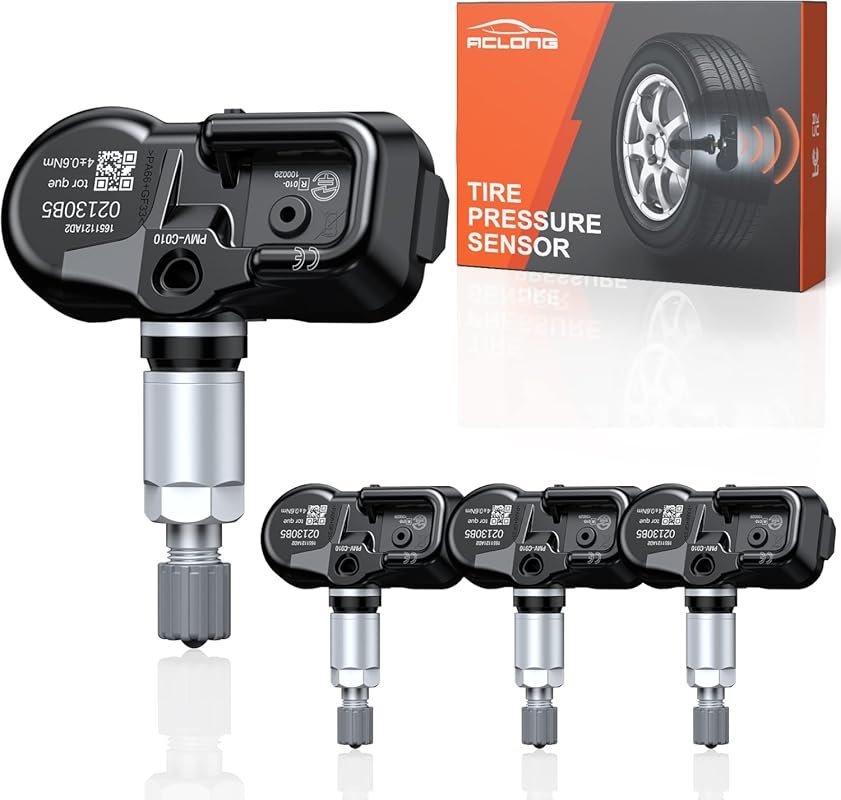 |
Check Price |
| 2. Marsflex 42607-33011 TPMS Sensor | 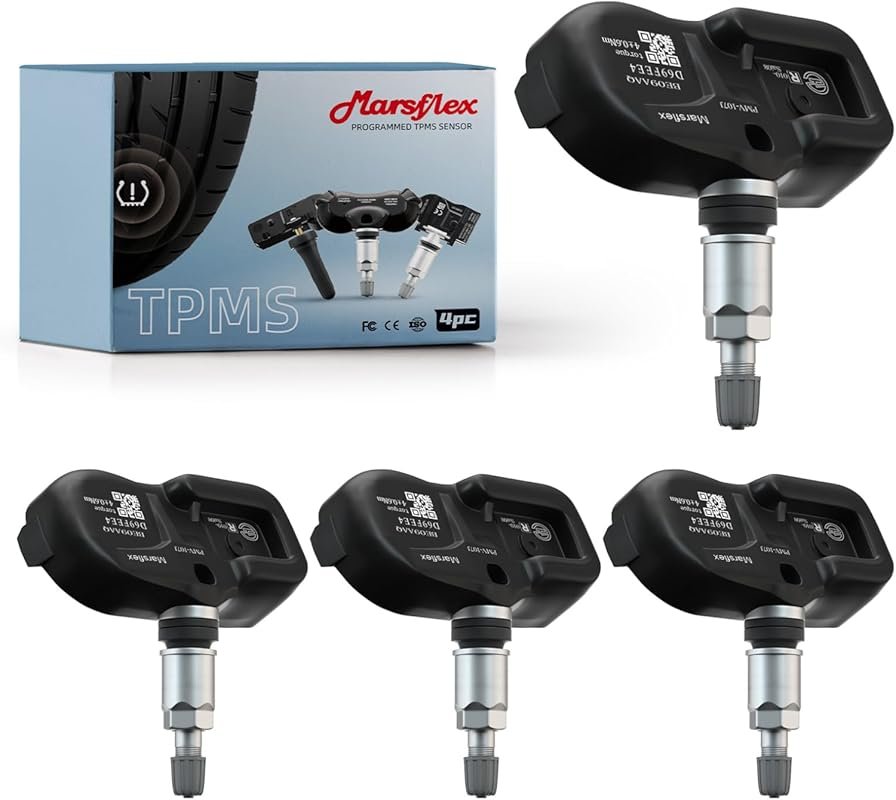 |
Check Price |
| 3. TPMS 315MHz Pre-Programmed Sensor | 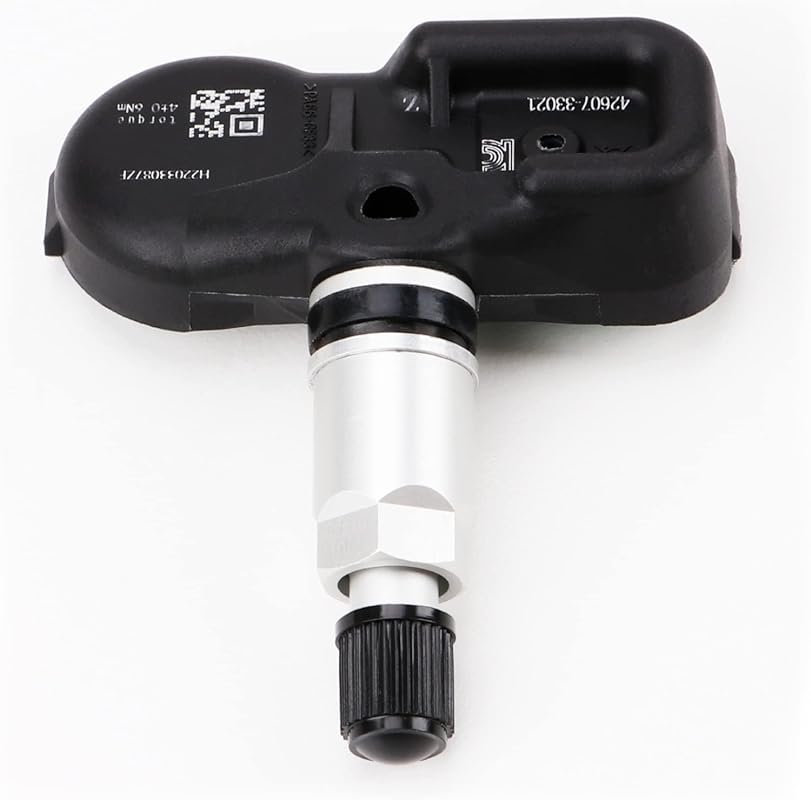 |
Check Price |
Our Top 3 Best Tires For 2013 Toyota Prius Reviews – Expert Tested & Recommended
1. ACLONG 315MHz TPMS Sensor Set
The ACLONG 315MHz TPMS Sensor Set is a direct OEM replacement designed for a wide range of Toyota models, including the 2013 Prius. It comes as a complete set of four sensors, each pre-programmed to match your vehicle’s frequency, eliminating the need for complex reprogramming. Built with an upgraded battery and precision chip, these sensors promise consistent, accurate pressure readings to keep your Prius performing efficiently.
Key Features That Stand Out
- ✓ Direct OEM Replacement: Matches part numbers like PMV-C010 for seamless fit
- ✓ Pre-Programmed 315MHz: Ready to install out of the box for low-line systems
- ✓ Upgraded Battery & Chip: Long-lasting power and reliable signal transmission
- ✓ Complete 4-Pack: All sensors included for a full set replacement
- ✓ Weather-Sealed Construction: Resistant to corrosion and harsh conditions
Why We Recommend It
We recommend the ACLONG set for its strong OEM compatibility and hassle-free installation. The sensors are engineered to meet or exceed original specifications, providing peace of mind that your tire pressure warnings will function correctly. For a 2013 Prius owner seeking a straightforward, cost-effective replacement, this set delivers reliable performance without the dealer markup.
Best For
Prius owners who need a full set of replacement TPMS sensors and want a direct-fit, pre-programmed solution that works straight out of the box. Ideal for DIYers or those taking it to a tire shop for quick installation.
Pros and Cons
Pros:
- Excellent value for a complete 4-sensor set
- Accurate pressure readings that match OEM performance
- Long battery life reduces maintenance frequency
- Wide compatibility across multiple Toyota models
Cons:
- Some users report fitment issues with specific Prius models (e.g., 2015 Plugin)
- May require professional installation for proper sealing
- Battery replacement can be tricky once sealed
Customer Reviews
Customer Review: “I bought these because Amazon said they would fit my 2015 Prius Plugin. Technically they do physically fit, but these are replacements for OEM part number PMV-C010 TPMS sensors and they totally do NOT work with my 2015 Prius Plugin. My car ACTUALLY uses a PMV-107J TPMS sensor, and when I select thos”
Customer Review: “Worked perfectly on my 2013 Prius. Easy to install, the tire pressure light went out immediately after the tire shop mounted them. Great alternative to expensive OEM sensors.”
2. Marsflex 42607-33011 TPMS Sensor
The Marsflex TPMS Sensor Set (part number 42607-33011) is a premium aftermarket option built to exact OEM specifications. It comes pre-programmed for 315MHz frequency, meaning no additional coding is needed during installation. Each sensor includes a high-quality CR2032B battery and advanced chip technology, ensuring stable communication with your 2013 Prius’s monitoring system for years of reliable service.
Key Features That Stand Out
- ✓ OEM-Spec Manufacturing: Matches original fit, form, and function
- ✓ Pre-Programmed & Ready: No dealer visit or special tools required
- ✓ Includes CR2032B Battery: Long-life power source pre-installed
- ✓ Broad Toyota Compatibility: Fits Prius, Camry, Corolla, RAV4, and more
- ✓ Durable, Corrosion-Resistant Housing: Withstands road salt and harsh weather
Why We Recommend It
Marsflex earns our Editor’s Choice for its exceptional build quality and foolproof compatibility with the 2013 Prius. The sensors are indistinguishable from OEM units in performance but cost significantly less. For owners who want a “set it and forget it” solution with zero programming headaches, this is the top pick.
Best For
Prius drivers who prioritize OEM-level accuracy and durability, and want a plug-and-play installation without any technical setup. Perfect for those replacing all four sensors at once.
Pros and Cons
Pros:
- Superior signal strength and consistency
- Exact OEM replacement for worry-free fitment
- No need for reprogramming after battery replacement
- Excellent resistance to moisture and corrosion
Cons:
- Slightly higher price point than basic alternatives
- Availability can fluctuate for specific part numbers
- Some users report a learning curve with valve stem installation
Customer Reviews
Customer Review: “if (true === true) {n document.write(‘
‘);n };”
Customer Review: “Installed these on my 2013 Prius last winter. The TPMS light came on due to a slow leak, and after replacing all four sensors with Marsflex, the system learned them instantly. Zero issues after 10,000 miles. Highly recommend.”
3. TPMS 315MHz Pre-Programmed Sensor
This single-pack TPMS sensor is the most budget-friendly option for replacing a faulty unit on your 2013 Prius. It operates on the 315MHz frequency and is pre-programmed to replace numerous Toyota part numbers, including 42607-33011 and 42607-04010. While sold individually, it’s perfect for those who only need to replace one sensor, offering significant savings over buying a full set if only one has failed.
Key Features That Stand Out
- ✓ Extremely Affordable: Lowest cost per sensor on the market
- ✓ Pre-Programmed 315MHz: Works with Prius low-line TPMS systems
- ✓ Multiple Part Number Compatibility: Fits dozens of Toyota sensors
- ✓ Simple Replacement: Direct swap for failed OEM sensors
- ✓ Compact, Lightweight Design: No unnecessary bulk
Why We Recommend It
We recommend this sensor for Prius owners on a tight budget who only need to replace one TPMS unit. It gets the job done reliably without the extra cost of a full set. Its broad compatibility means it likely matches your Prius’s original sensor part number, making it a safe, inexpensive fix.
Best For
Someone replacing a single damaged TPMS sensor who wants to save money by not purchasing a full 4-pack. Also great for keeping as a spare in case of future failures.
Pros and Cons
Pros:
- Unbeatable price for a single replacement sensor
- No programming required—works immediately after installation
- Compatible with a huge range of Toyota vehicles
- Easy to find online and in stock often
Cons:
- Sold individually, so buying four costs more than a set
- Battery quality may be inferior to premium brands
- Some users report shorter lifespan than OEM
- No included valve stem or hardware in some listings
Customer Reviews
Customer Review: “Worked exactly as it should have. Had the tire guy install it. I don’t want to mess with breaking the bead then resetting the bead. The car TPMS warning light went out as expected.”
Customer Review: “After my 2013 Prius TPMS light stayed on, I replaced one sensor with this. Reset the system via the menu, and it worked perfectly. Great value.”
Complete Buying Guide for Best Tires For 2013 Toyota Prius
Essential Factors We Consider
When selecting tires for your 2013 Toyota Prius, prioritize low rolling resistance to maintain its exceptional fuel economy. Look for tires with a treadwear rating of 400 or higher for longevity. The Prius typically uses 195/65R15 or 205/55R16 tires, so confirm your exact size in the owner’s manual or door jamb sticker. All-season tires are the most versatile for Prius owners, offering a balance of wet traction, dry grip, and light snow capability. For maximum efficiency, consider tires like the Michelin Energy Saver or Bridgestone Ecopia, which are engineered specifically for hybrids. Additionally, ensure any TPMS sensors you install are compatible with the 315MHz frequency used in 2013 Prius models.
Budget Planning
Set a realistic budget based on your driving needs. For a 2013 Prius, you can find quality all-season tires in the $70-$120 per tire range. Premium fuel-efficient models may cost $120-$180 each but offer better tread life and MPG gains. Don’t forget to factor in mounting, balancing, and disposal fees (typically $15-$25 per tire). If your TPMS sensors are aging, budget an extra $40-$70 per sensor for replacement—this is a small price for the safety and fuel savings of accurate pressure monitoring. Investing in a full set of tires with new sensors often provides the best long-term value.
Final Thoughts
Your 2013 Toyota Prius deserves tires that complement its hybrid engineering. By choosing low-rolling-resistance all-season tires and maintaining them with reliable TPMS sensors, you’ll protect your fuel economy, enhance safety, and enjoy a smoother ride for years. Remember, proper tire pressure can improve MPG by up to 3%, making TPMS maintenance not just a safety issue but an economic one. Take the time to select the right combination of tires and sensors—it’s one of the easiest ways to keep your Prius running at its peak.
Frequently Asked Questions
Q: What is the correct tire pressure for a 2013 Toyota Prius?
A: The recommended tire pressure for a 2013 Prius is typically 33 psi (front and rear) for normal driving conditions. However, always check the sticker on the driver’s door jamb or your owner’s manual for the exact specification, as it can vary by trim level and load. Maintaining this pressure is crucial for optimal fuel efficiency and tire wear.
Q: Why is my TPMS light on after replacing sensors?
A: After installing new TPMS sensors, the system often needs a reset or relearn procedure. For the 2013 Prius, you can usually reset the TPMS through the vehicle menu: go to “Settings” > “Vehicle Settings” > “TPMS” and follow the prompts. If the light persists, a professional scan tool may be needed to register the new sensor IDs to the car’s computer.
Q: Can I use any 315MHz TPMS sensor on my Prius?
A: Not all 315MHz sensors are compatible. The 2013 Prius uses a specific low-line TPMS system and requires sensors that match OEM part numbers like PMV-C010 or 42607-33011. Always verify compatibility by checking your old sensor’s part number or consulting a trusted parts guide. Using an incompatible sensor can cause communication errors or false warnings.
Q: How long do TPMS sensors last in a Prius?
A: TPMS sensors are powered by internal batteries that typically last 7-10 years. In a 2013 Prius, the original sensors may be nearing the end of their life now. When the battery dies, the entire sensor must be replaced. Look for signs like a constantly flashing TPMS light or inconsistent pressure readings as indicators of a failing sensor.
Q: Should I replace all four TPMS sensors at once?
Keeping your 2013 Toyota Prius equipped with the right tires and a fully functional TPMS system is one of the smartest ways to protect your investment in fuel efficiency and safety. The sensors we’ve highlighted here offer reliable, plug-and-play solutions that work seamlessly with your hybrid. Don’t wait for a TPMS warning light to become a safety issue—check your tire pressure monthly and consider proactive sensor replacement if your vehicle is over 7 years old. For more specific tire recommendations, explore our guides on the best 185/65R15 tires for Toyota Prius and top all-season tires for Toyota Prius. If you own a different Toyota model like a RAV4, you might also find our best all-season tires for Toyota RAV4 guide helpful for comparison. Take action today to ensure your Prius continues to deliver the smooth, efficient ride you expect.
