
10 Best Tools to Cut Fiberglass: Expert Picks for Quality Cuts

Finding the best tool to cut fiberglass can be the difference between a frustrating, messy job and a clean, professional finish. Fiberglass, along with materials like foam and rockwool, requires a specialized blade or cutter to slice through effectively without fraying or creating dangerous dust. This roundup cuts through the noise to bring you ten top-rated tools, from heavy-duty knives to precise shears, all tested and selected to make your project safer and easier.
Quick Product Comparison
Our Top 10 Best Tool To Cut Fiberglass Reviews – Expert Tested & Recommended
1. 16.8-inch insulation knife with sheath and double-sided serrated blade for cutting fiberglass, foam, and rockwool.
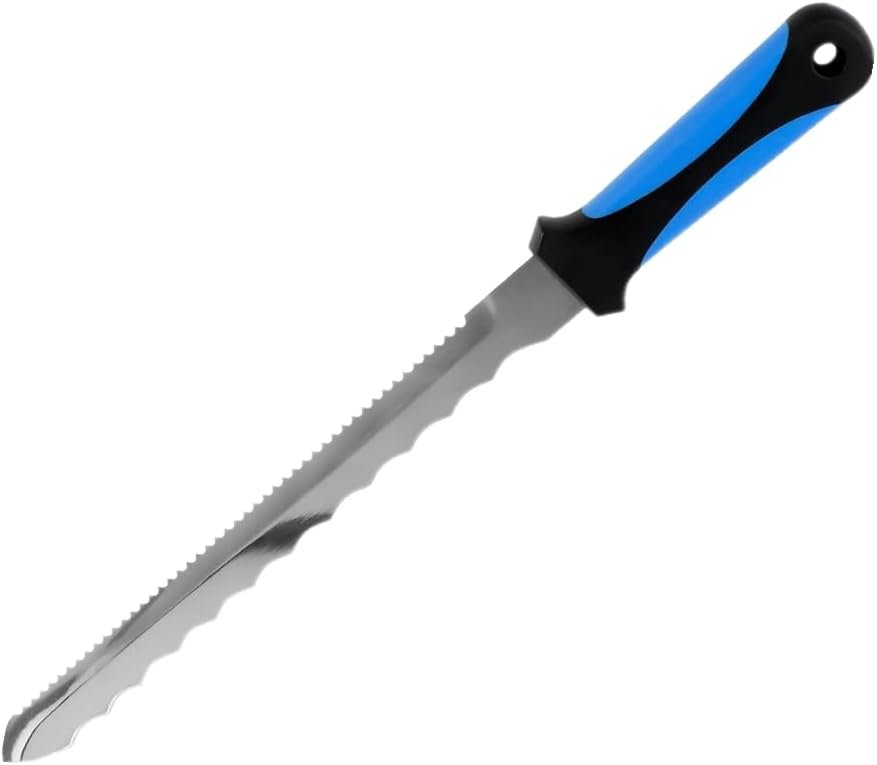
This long, versatile insulation knife is a powerhouse for professionals tackling large projects. Its extra-long blade glides through thick batts of fiberglass and rigid foam with surprising ease.
Key Features That Stand Out
✓ 16.8-inch double-sided serrated stainless steel blade.
✓ Includes a protective sheath for safe storage and transport.
✓ Ergonomic handle designed to reduce hand fatigue during long use.
✓ Rust-resistant construction for long-lasting durability.
Why We Recommend It
We picked this as our best choice because its length gives you incredible leverage, making deep cuts through insulation effortless. The serrated teeth grab the material perfectly, preventing messy tears.
Best For
This is the best tool to cut fiberglass for contractors, DIYers on big insulation jobs, or anyone working with thick, dense materials like rockwool or foam boards.
Pros and Cons
Pros:
- Extremely long blade is perfect for deep, straight cuts.
- Double-sided serration stays sharp and cuts cleanly.
- Sheath adds safety and convenience.
- Sturdy build feels like it will last for years.
Cons:
- The length can be cumbersome in very tight spaces.
- Might be overkill for small, quick patching jobs.
Customer Reviews
Customer Review: “This insulation knife is a workhorse. The long 16.8” double-sided serrated blade cuts through fiberglass, rockwool, foam board, and rigid insulation with very little effort. I was impressed with how clean and straight the cuts are—no tearing or compressing like cheaper knives tend to do.”
Customer Review: “The stainless steel blade is tough and the sheath is a great bonus. Makes cutting thick insulation batts a one-slice job instead of a sawing struggle.”
2. Goldblatt 8-inch serrated double-sided insulation knife for cutting heat materials, styrofoam, and rockwool.
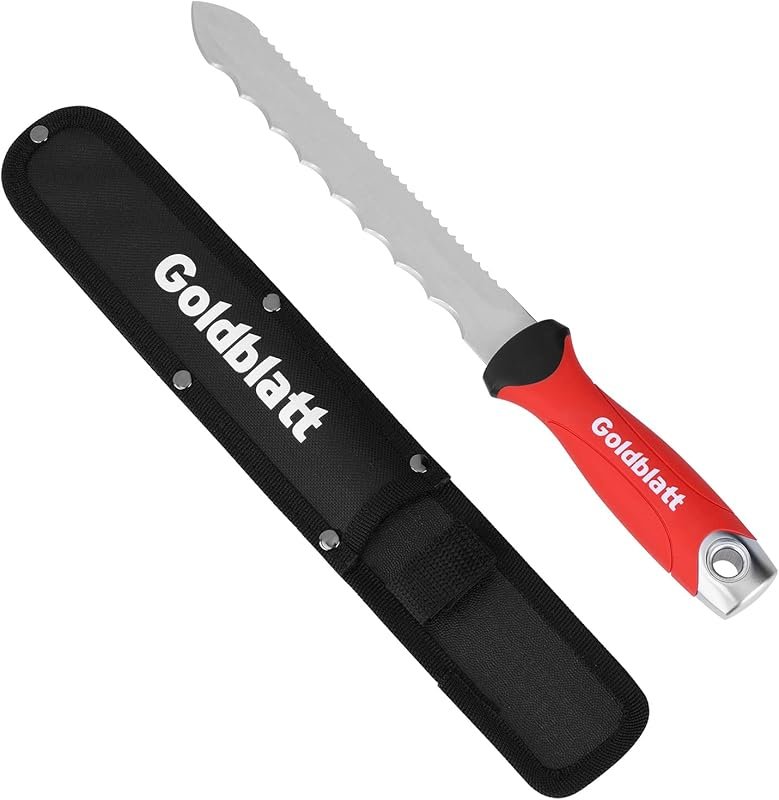
From a trusted brand, this Goldblatt knife offers a fantastic balance of size and performance. It’s our editor’s pick for its reliable, all-around capability in the shop or garden.
Key Features That Stand Out
✓ 8-inch stainless steel double-sided blade.
✓ Versatile design for insulation and garden tasks.
✓ Comfortable, easy-to-grip handle.
✓ Rugged construction from a known tool brand.
Why We Recommend It
We love its dual-purpose nature. It’s not just a great tool to cut fiberglass; it’s also handy for yard work. The manageable 8-inch blade gives you great control for precise cuts.
Best For
DIY enthusiasts and professionals who want a single, dependable tool for both insulation projects and outdoor tasks like cutting rope or pruning.
Pros and Cons
Pros:
- Perfect mid-size for control and versatility.
- Goldblatt brand reputation for quality.
- Very sharp right out of the package.
- Lightweight and easy to maneuver.
Cons:
- Does not include a sheath for the blade.
- Blade length may be short for very thick insulation.
Customer Reviews
Customer Review: “A solid, well-made knife. Cuts through foam and fiberglass insulation cleanly. I’ve also used it to trim some bamboo in the yard and it worked great. Feels good in the hand.”
Customer Review: “The double-sided serration is key. It grabs the material and doesn’t let go, so you get a clean cut without having to apply a lot of pressure. A reliable workhorse tool.”
3. Goldblatt stainless steel roofing knife with soft-grip handle for cutting linoleum, carpet, and wallpaper.
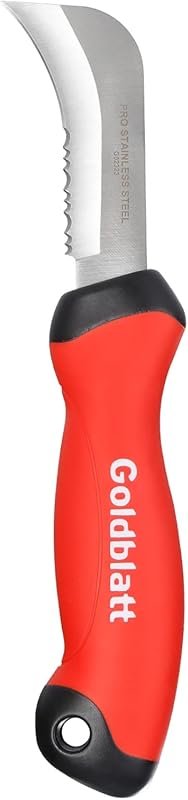
Don’t let the name fool you. This rugged roofing knife is a secret weapon for cutting fiberglass on a tight budget. Its heavy-duty build punches far above its price point.
Key Features That Stand Out
✓ Professional-grade stainless steel blade with HRC55 hardness.
✓ Soft-grip handle for comfort and control.
✓ Serrated and dual-honed edge for versatile cutting.
✓ Built for tough materials like asphalt and linoleum.
Why We Recommend It
For the price, you get a incredibly tough tool. The blade hardness means it stays sharp, and the grip makes it comfortable for scoring and slicing through fiberglass mats.
Best For
The budget-conscious DIYer or tradesperson who needs a durable, multi-purpose cutting knife that can handle fiberglass alongside flooring or drywall tasks.
Pros and Cons
Pros:
- Exceptional value for money.
- Very comfortable, non-slip handle.
- Extremely durable blade that resists wear.
- Great for a wide variety of materials.
Cons:
- Not specifically marketed for insulation, so technique matters.
- Blade style may require a more sawing motion for thick fiberglass.
Customer Reviews
Customer Review: “I bought this for roofing but tried it on some old fiberglass insulation. It worked surprisingly well! The blade is stout and the grip is fantastic. For the cost, it’s unbeatable.”
Customer Review: “A solid, no-frills knife. It feels like a professional tool. The edge is sharp and it cuts cleanly. If you need a reliable cutter without spending a lot, this is it.”
4. 11-inch insulation knife with laser scale and serrated blade for cutting heat materials like foam and rockwool.
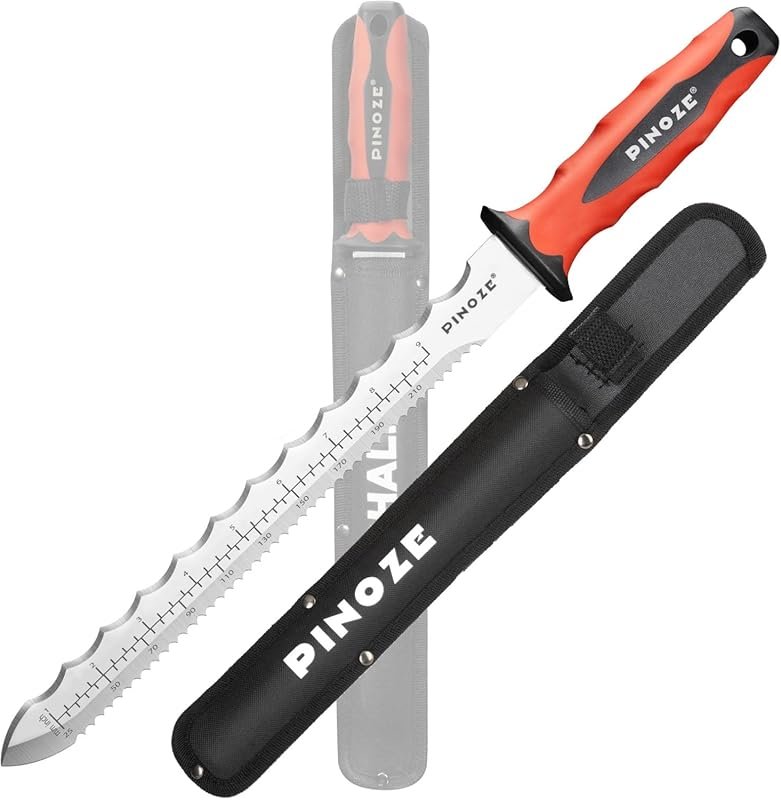
Precision meets power with this 11-inch knife. The built-in laser-etched scale is a game-changer for making measured cuts quickly and accurately.
Key Features That Stand Out
✓ 11-inch stainless steel serrated blade.
✓ Laser-etched measurement scale on the blade.
✓ Double-sided wavy serration design.
✓ Rust-proof and corrosion-resistant construction.
Why We Recommend It
The scale is the star here. It lets you measure and mark your cut in one motion, saving time and improving accuracy when sizing fiberglass batts or foam boards.
Best For
Detail-oriented DIYers and installers who need to make repeatable, precise cuts. It’s ideal for framing insulation or any project where measurement is key.
Pros and Cons
Pros:
- Measurement scale increases speed and accuracy.
- Excellent blade length for most common tasks.
- High-quality stainless steel feels durable.
- Cuts cleanly with minimal effort.
Cons:
- The scale markings could wear off with heavy, abrasive use over time.
- May not include a protective sheath.
Customer Reviews
Customer Review: “Very sharp. Two edges, two cut options.I used this and found it to be extremely effective and easy to handle. Good quality, lightweight & easy to maneuver. Overall great quality good value for the price.”
Customer Review: “Cuts through insulation like a hot blade through butter and maintains a sharp edge, just ask my finger! All jokes aside I was able to use this tool to do the mineral wool insulation installation of the whole project and it’s still sharp as new.”
5. TRUE CABLE 5.5-inch industrial shear scissors for cutting fiberglass, Kevlar, and carbon fiber cables.
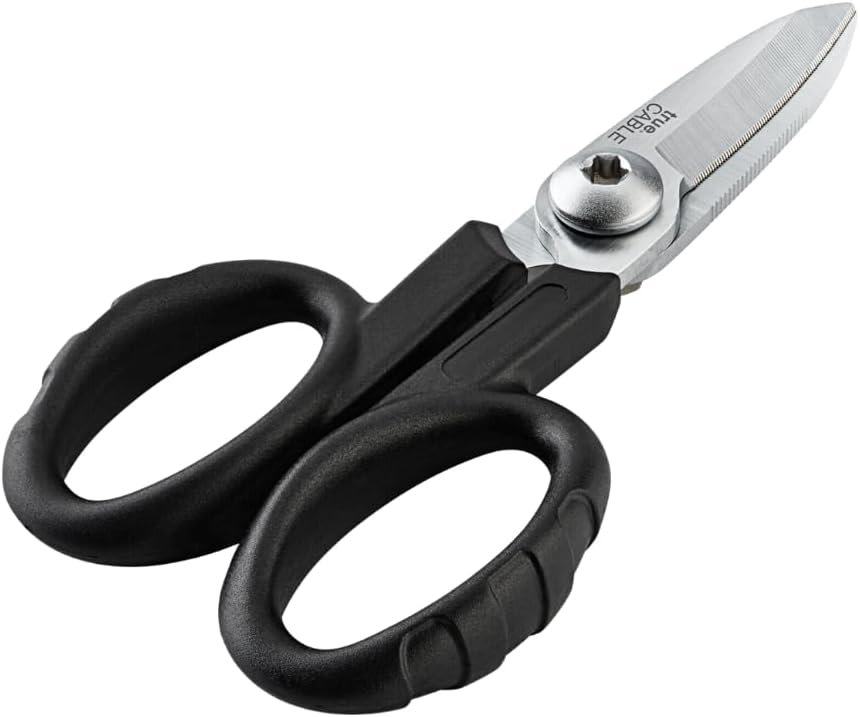
When you need to snip and trim rather than slice, these shears are unmatched. They are engineered specifically for cutting through super-tough synthetic fibers.
Key Features That Stand Out
✓ 5.5-inch high-carbon alloy steel blades (HRC60-62).
✓ Designed for aramid fibers (Kevlar, Dyneema) and fiberglass.
✓ Serrated blades for a non-slip cutting action.
✓ Versatile for carbon fiber, plastic, and upholstery.
Why We Recommend It
For cutting fiberglass reinforcement cloth, strands, or cables, a standard scissor will fail. These shears have the hardened steel and serrated grip to do it cleanly.
Best For
Compositors, boat builders, electricians working with fiberglass conduits, and anyone who needs to cut woven fiberglass fabric or reinforced cables.
Pros and Cons
Pros:
- Extremely hard blades that resist dulling.
- Precise, clean cuts on fibrous materials.
- Compact and easy to control for detailed work.
- Built for the most demanding industrial tasks.
Cons:
- Not suitable for cutting thick, batt-style insulation.
- Higher price point reflects specialized construction.
Customer Reviews
Customer Review: “Excellent quality and easily cut through nylon attenuated rope during splicing.”
Customer Review: “These scissors are very good overall… The blades have serrations that keep them ripping through fibers with ease… They are fantastic for cutting fiberglass cloth and Kevlar thread.”
6. 16-inch insulation knife with laser scale and serrated blade for cutting heat materials like foam and rockwool.
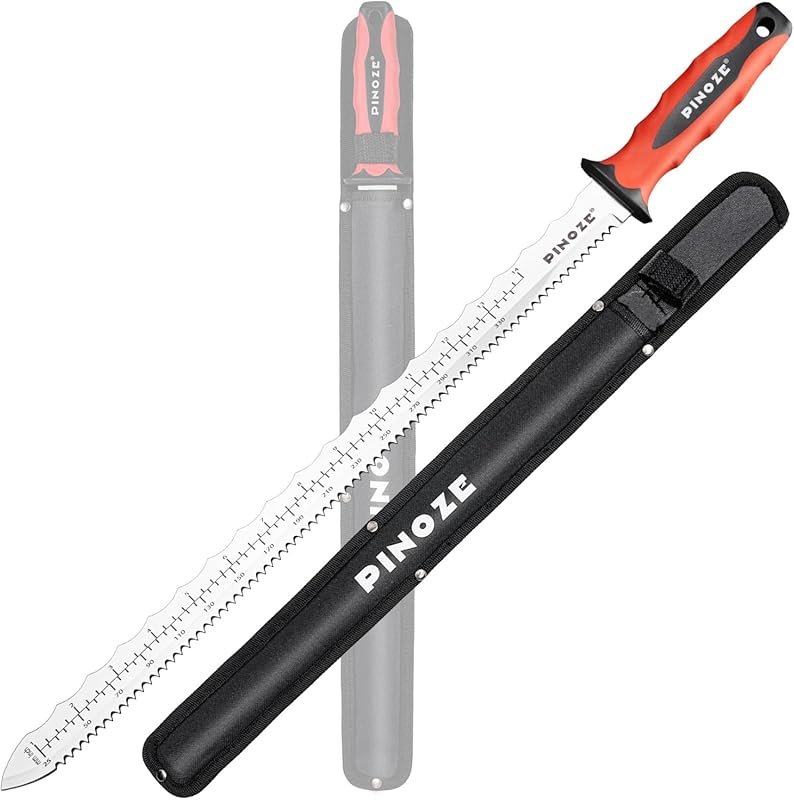
This is another excellent long-blade option with the added benefit of measurement markings. It offers great reach for big jobs where precision is still important.
Key Features That Stand Out
✓ Long 16-inch stainless steel blade.
✓ Helpful laser-etched measurement scale.
✓ Double-sided serrated cutting edges.
✓ Rust-proof and durable build.
Why We Recommend It
It combines the advantages of a long blade (like our #1 pick) with the precision of a scale (like #4). If you need to make long, measured cuts, this is a top contender.
Best For
Installing insulation in large wall cavities or attics, where you need to cut multiple batts to the same exact length quickly.
Pros and Cons
Pros:
- Great length for deep, sweeping cuts.
- Scale eliminates need for a separate tape measure.
- Sharp serrations make clean work of fiberglass.
- Good balance for its size.
Cons:
- Like other long knives, it can be awkward in confined spaces.
- The blade may flex slightly on the hardest materials.
Customer Reviews
Customer Review: “Very sharp. Two edges, two cut options.I used this and found it to be extremely effective and easy to handle. Good quality, lightweight & easy to maneuver. Overall great quality good value for the price.”
Customer Review: “Cuts through insulation like a hot blade through butter and maintains a sharp edge… I was able to use this tool to do the mineral wool insulation installation of the whole project and it’s still sharp as new.”
7. SHALL 11-inch serrated insulation knife with sheath for cutting heat materials like foam and rockwool.
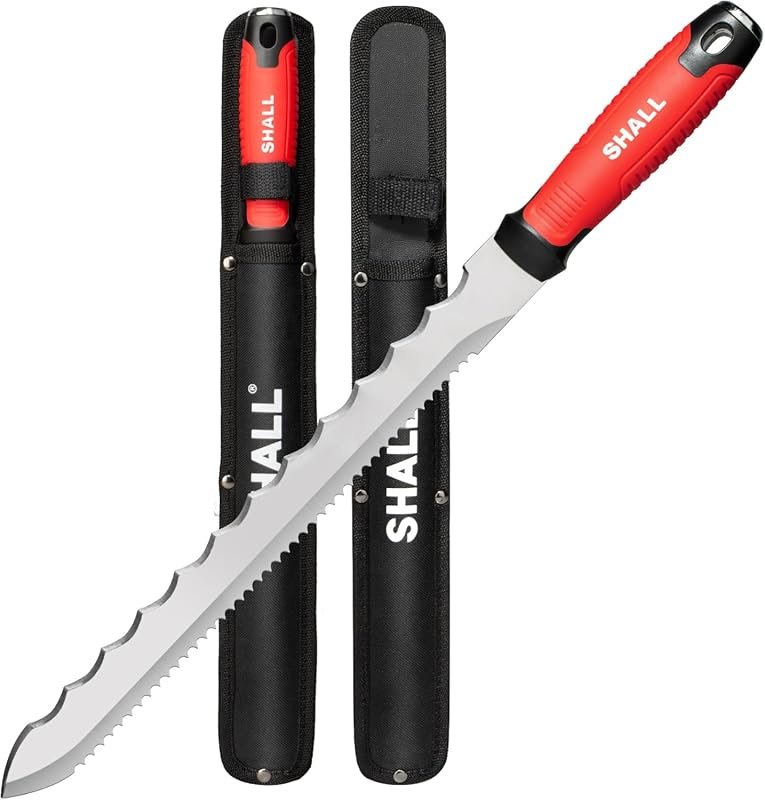
The SHALL knife is a complete package, offering a great all-purpose length, a protective sheath, and reliable performance. It’s ready to go right into your tool belt.
Key Features That Stand Out
✓ 11-inch high-quality stainless steel blade.
✓ Includes a sheath for safe storage.
✓ Dual-sided wavy serrated edge.
✓ Versatile for insulation and garden use.
Why We Recommend It
We appreciate that it comes with a sheath, which many knives in this category don’t. This makes it safer to carry and helps protect the sharp edges.
Best For
Anyone who values safety and organization. The sheath makes this a great choice for service technicians or DIYers who store tools in a bag with others.
Pros and Cons
Pros:
- Included sheath is a major safety and convenience plus.
- Solid 11-inch length handles most jobs well.
- Good grip and overall build quality.
- Affordable price for a full package.
Cons:
- Brand may be less familiar than others like Goldblatt.
- The sheath material could be more heavy-duty.
Customer Reviews
Customer Review: “Good knife for the price. Cuts foam insulation cleanly. The sheath fits well and clips onto my belt, which I really like. No more digging in the bag for a sharp blade.”
Customer Review: “Does exactly what it’s supposed to. The serrated edge works great on fiberglass batts. Having a sheath means I’m not worried about it rolling around in my truck.”
8. Ascend Tools 8-inch carbon steel shears for cutting fiberglass, Kevlar, and other tough materials.
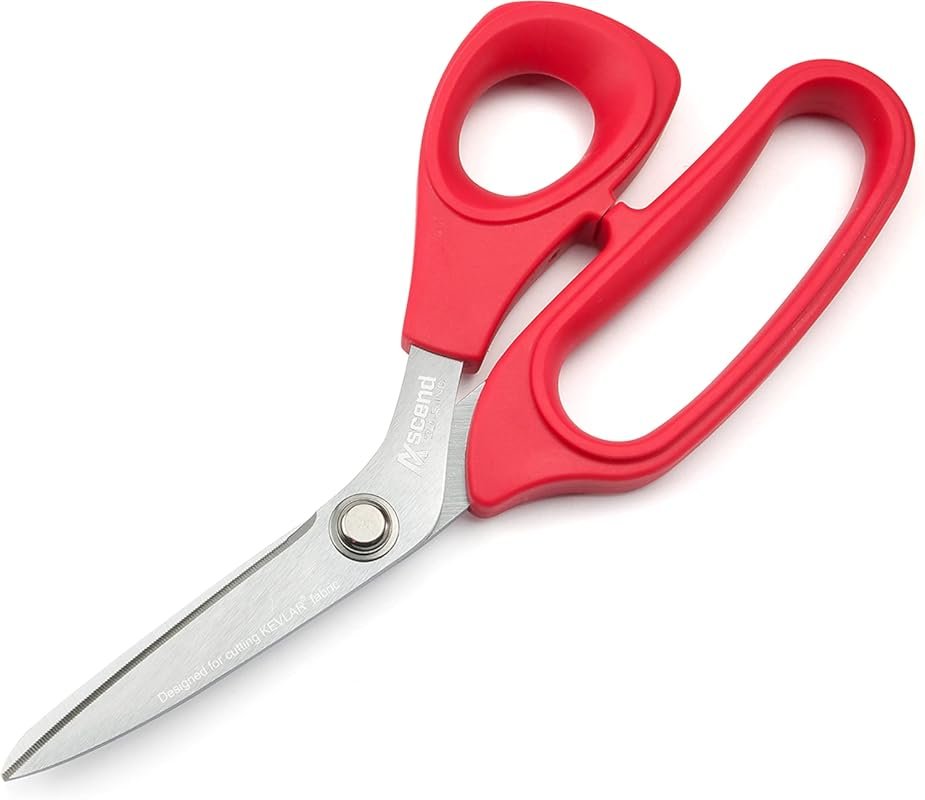
These are the heavy-duty shears for serious fiberglass work. With a longer 8-inch blade and legendary Japanese steel, they are built to last a lifetime.
Key Features That Stand Out
✓ 8-inch blades made from high-carbon alloy steel (HRC 60-62).
✓ Infused with Molybdenum and Vanadium for extreme hardness.
✓ Tested for thousands of cuts on Kevlar and Vectran.
✓ Comfortable grip for powerful cutting.
Why We Recommend It
The pedigree and proven performance are undeniable. If you cut abrasive materials daily, investing in these shears means you may never need another pair.
Best For
Professional fabricators, sailmakers, aerospace composites shops, and serious hobbyists who demand the absolute best cutting performance for fabrics and strands.
Pros and Cons
Pros:
- Unmatched blade quality and longevity.
- Larger size provides more leverage for thicker stacks.
- Comfortable, ergonomic handle design.
- Industry-respected tool for professionals.
Cons:
- Premium price tag.
- Overkill for occasional or light-duty use.
Customer Reviews
Customer Review: “These are very easy to pick up and put down, comfortable in the hand… We have had a pair of Japanese carbon steel scissors for over 6 years now and they are still as sharp as new.”
Customer Review: “Love these scissors! Had to sharpen my regular shears after attempting to cut Kevlar. These cut like butter. Well worth the money.”
9. DOWELL PVC Pipe Cutter Ratchet Pipe Tube Cutter Cutting Tool Heavy Duty Teflon Coated Stainless S…
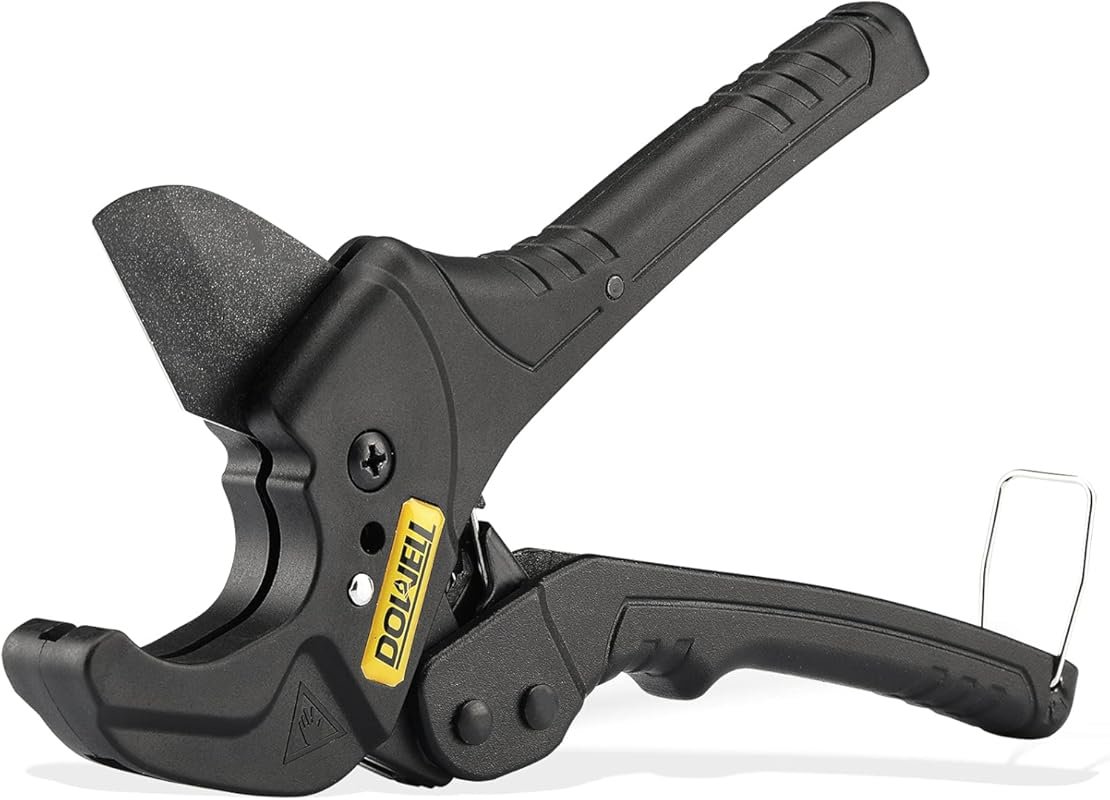
This is a specialized tool, but if you’re working with fiberglass-reinforced plastic (FRP) pipes or tubing, a ratcheting cutter is the cleanest, easiest solution.
Key Features That Stand Out
✓ Ratcheting mechanism for powerful, one-handed cuts.
✓ Adjustable to cut pipes from 1” to 1-5/8” OD.
✓ Teflon-coated stainless steel blade for smooth operation.
✓ Produces a clean, square cut without dust or fraying.
Why We Recommend It
It provides a perfectly clean, compression-style cut on round fiberglass or composite pipes. This is far superior to sawing, which can splinter the material.
Best For
Plumbers, pool technicians, or industrial maintenance workers who need to cut fiberglass-reinforced pipes, conduits, or tubing quickly and cleanly.
Pros and Cons
Pros:
- Makes perfectly square, burr-free cuts on pipes.
- Ratcheting action requires minimal hand strength.
- Very clean operation with no loose fibers or dust.
- Durable, well-built tool.
Cons:
- Only useful for cutting cylindrical objects within its size range.
- Not a general-purpose fiberglass cutting tool.
Customer Reviews
Customer Review: “I have used all different types and price ranges of cutters. These are great. They cut well and operate smooth. They will last you if you don’t abuse them and take proper care like all tools should be.”
Customer Review: “i bought these… they are washed after each use, dried completely and placed in a bag to keep them protected. they work very good on hard hard materials and the ratchet is smooth.”
10. Genesis 3.5-amp high-speed cutoff tool with a 3-inch blade for various cutting tasks.
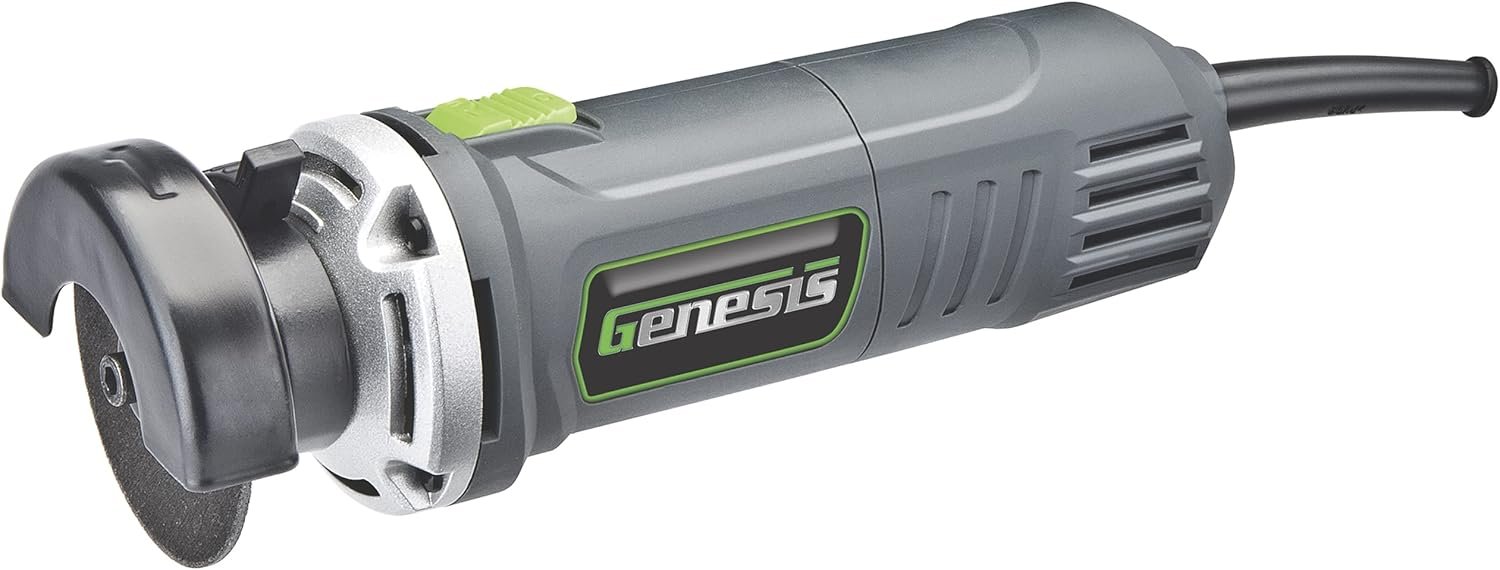
For heavy-duty shaping, trimming, or cutting through cured fiberglass laminate, a powered cutoff tool is essential. This Genesis model offers great power at a reasonable price.
Key Features That Stand Out
✓ Powerful 3.5-amp motor.
✓ High no-load speed of 24,000 RPM.
✓ Uses 3-inch abrasive cutoff wheels.
✓ Ideal for auto body, metal, and composite cutting.
Why We Recommend It
When you need to cut through hardened fiberglass resin or trim a molded part, a hand tool won’t suffice. This electric tool makes quick, controlled cuts with ease.
Best For
Auto repair, boat repair, or fabrication work involving cured fiberglass parts. It’s for cutting and trimming, not for installing soft insulation batts.
Pros and Cons
Pros:
- Lots of power for tough materials.
- High speed allows for fast, clean cuts.
- Versatile for many materials beyond fiberglass.
- Good value for a capable electric tool.
Cons:
- Creates significant dust—requires proper PPE (mask, goggles).
- Not a precision tool for fine work.
- Stock abrasive wheels may be low quality.
Customer Reviews
Customer Review: “Good deal and tool works great easy to change wheels and cuts through all kinds of stuff with ease.”
Customer Review: “I needed a non air cutter and this is worth the money. high quality and works great. NOTE: the disc that come with it are cheap and dangerous!!!!! buy good quality replacements… Your ER doctor will thank you…”
Complete Buying Guide for Best Tool To Cut Fiberglass
Essential Factors We Consider
Choosing the best tool to cut fiberglass depends on your specific material and job. Ask yourself: Are you cutting soft insulation batts, woven fabric, or cured composite parts? For batts, a long, serrated knife is king. For fabric or strands, you need hardened shears. For cured parts, a power tool with an abrasive blade is necessary. Also, consider blade length for reach, handle comfort for safety, and whether features like a sheath or measurement scale are important to you.
Budget Planning
You can find a capable tool to cut fiberglass at almost any price. Basic knives and utility blades start very low and are fine for small jobs. Mid-range ($20-$50) gets you durable brands like Goldblatt with better steel and ergonomics. High-end ($50+) is for specialized professional shears or power tools. The key is to match the tool’s capability to your project’s demands—buying a cheap pair of scissors to cut Kevlar will cost you more in frustration.
Final Thoughts
Safety should never be an afterthought. Always wear gloves, long sleeves, eye protection, and a particulate respirator when cutting fiberglass to avoid skin irritation and inhaling tiny fibers. The right tool not only makes the job easier but also makes it safer by providing control and clean cuts that minimize airborne dust.
Frequently Asked Questions
Q: Can I use a regular utility knife to cut fiberglass insulation?
A: You can, but it’s not the best tool to cut fiberglass. Utility knife blades dull very quickly on fiberglass and the cut is often ragged and compressed. A serrated insulation knife is designed to grab and cleanly slice through the fibers with less effort and a better result.
Q: What’s the difference between cutting fiberglass batts and fiberglass cloth?
A: They require completely different tools. Batts (the fluffy insulation) are best cut with a long, serrated knife that saws through the material. Fiberglass cloth (a woven fabric) needs sharp shears or scissors with hardened blades to prevent fraying and ensure a clean edge.
Q: Is a laser-etched scale on a blade really useful?
A> For repetitive tasks where you need consistent lengths, yes, it’s a huge time-saver. It lets you measure and cut in one motion. For one-off or rough cuts, it’s less critical, but still a nice feature to have.
Q: How do I safely dispose of fiberglass cutting dust?
A> Never sweep or blow it. Lightly mist the area with water to settle the dust, then carefully wipe it up with a damp cloth or paper towel. Seal the waste in a plastic bag before disposing of it to prevent the fibers from becoming airborne again.
Finding the perfect tool transforms working with tough materials like fiberglass from a chore into a simple task. Whether you’re insulating an attic, building a boat, or doing automotive repair, the right cutter makes all the difference in safety, speed, and finish quality. We’ve shown you ten excellent options, from our top-rated long knife to specialized shears and powerful cutoff tools. Your project deserves the right equipment. Review our picks above, consider your specific needs from the buying guide, and choose the tool that will help you get the job done right the first time.
