
How Much Is a Porsche Taycan?

The Porsche Taycan starts around $90,000, but fully loaded models can exceed $200,000. Pricing varies by trim, battery size, performance upgrades, and optional features. This guide breaks down every cost factor so you know exactly how much a Porsche Taycan really costs.
So, you’re thinking about buying a Porsche Taycan. Maybe you’ve seen one silently glide past you on the highway, its sleek silhouette cutting through traffic like a whisper. Or perhaps you’ve watched a review and were blown away by its instant torque, razor-sharp handling, and that unmistakable Porsche growl—even though it’s electric. Whatever sparked your interest, one question keeps coming up: *How much is a Porsche Taycan?*
The short answer? It depends. A lot. The Taycan isn’t just one car—it’s a whole family of high-performance electric vehicles, ranging from a relatively accessible luxury sedan to a fire-breathing, all-terrain wagon that costs as much as a small house. And while the base model starts at a surprisingly reasonable (for a Porsche) price point, things can get expensive fast once you start adding options, performance packages, and premium finishes.
In this guide, we’ll walk you through every factor that affects the price of a Porsche Taycan. We’ll break down the different trims, explain what you get (and don’t get) at each level, and show you how optional features can dramatically increase the final price. We’ll also cover real-world costs like charging, insurance, maintenance, and potential tax incentives. By the end, you’ll have a clear picture of not just the sticker price—but the true cost of owning one of the most exciting electric cars on the road today.
Key Takeaways
- Base Price Starts at $90,900: The entry-level Taycan (rear-wheel drive) is the most affordable model, ideal for first-time EV buyers wanting Porsche prestige.
- Top-Tier Models Exceed $200,000: The Taycan Turbo S Cross Turismo can cost over $200k with performance packages, premium interiors, and tech upgrades.
- Battery and Range Affect Cost: Larger 93.4 kWh Performance Battery Plus adds $5,000–$7,000 but boosts range and power output.
- Performance Upgrades Add Up Fast: Options like Sport Chrono, adaptive air suspension, and carbon-ceramic brakes can increase the price by $10,000–$20,000.
- Charging and Maintenance Are Cheaper Than Gas Cars: Electricity costs less than gasoline, and EVs require less routine maintenance—saving you money long-term.
- Federal and State Incentives May Apply: Depending on your location, you could qualify for tax credits or rebates that reduce the effective price.
- Resale Value Holds Strong: Porsche’s reputation and limited EV supply help the Taycan retain value better than many competitors.
📑 Table of Contents
Understanding the Porsche Taycan Lineup
Before we dive into pricing, it’s important to understand that the Taycan comes in several body styles and performance tiers. Porsche offers the Taycan as a four-door sedan, a sporty Sport Turismo wagon, and an off-road-ready Cross Turismo. Each has its own personality, capabilities, and price range.
Taycan (Base Model)
The standard Taycan is rear-wheel drive and powered by a single electric motor. It’s the most affordable entry point into the Taycan family, starting at $90,900 (MSRP as of 2024). This model uses the smaller 79.2 kWh battery (usable capacity), delivering around 227 miles of EPA-estimated range. While it’s not the fastest in the lineup, it still offers smooth acceleration, precise steering, and that signature Porsche driving feel. It’s perfect for daily commuting and weekend drives—without breaking the bank.
Taycan 4S
Step up to the Taycan 4S, and you get dual motors (all-wheel drive), more power, and better performance. The 4S starts at $106,500 and comes with the larger 93.4 kWh Performance Battery Plus as standard. This boosts range to about 246 miles and cuts the 0–60 mph time to just 3.8 seconds. The 4S strikes a great balance between performance, range, and price—making it one of the most popular choices among Taycan buyers.
Taycan GTS
The GTS is where things get serious. Starting at $138,000, the GTS blends track-ready performance with daily usability. It features a sport-tuned suspension, upgraded brakes, and a more aggressive exhaust note (yes, even though it’s electric, Porsche adds sound enhancement). With 590 horsepower and a 0–60 mph time of 3.1 seconds, the GTS is a true driver’s car. It also includes unique interior trim, sport seats, and exclusive badging.
Taycan Turbo and Turbo S
At the top of the performance pyramid are the Taycan Turbo and Turbo S. The Turbo starts at $161,800, while the Turbo S kicks off at $194,900. Both feature dual motors and over 600 horsepower, with the Turbo S hitting 750 hp in launch control mode. The Turbo S rockets from 0–60 mph in just 2.6 seconds—faster than many supercars. These models come loaded with high-end features like adaptive air suspension, ceramic composite brakes, and premium interiors. They’re not just fast—they’re statements.
Sport Turismo and Cross Turismo
Porsche also offers the Taycan in wagon form: the Sport Turismo (sporty, low-roof) and Cross Turismo (rugged, raised suspension). The Sport Turismo starts around $95,000 for the base model, while the Cross Turismo begins at $103,000. The Cross Turismo adds all-wheel drive, increased ground clearance, and off-road styling cues. Both offer more cargo space than the sedan, making them ideal for families or adventurers who want performance and practicality.
Breaking Down the Base Prices by Trim
Now that you know the different models, let’s look at the starting prices for each trim in 2024. Keep in mind that these are manufacturer’s suggested retail prices (MSRP) and don’t include destination fees, taxes, or optional upgrades.
- Taycan (RWD): $90,900
- Taycan 4S: $106,500
- Taycan GTS: $138,000
- Taycan Turbo: $161,800
- Taycan Turbo S: $194,900
- Taycan Sport Turismo (base): $95,000
- Taycan Cross Turismo (base): $103,000
These prices reflect the core vehicle with minimal options. But here’s the thing: most buyers don’t stop at the base model. Porsche offers a wide range of customization options, and it’s easy to add $20,000–$50,000 (or more) in upgrades. Let’s explore what those options cost—and whether they’re worth it.
Optional Features and How They Affect Price
One of the biggest factors in how much a Porsche Taycan costs is the options you choose. Porsche is known for its extensive customization menu, and the Taycan is no exception. From performance upgrades to luxury interiors, here’s a breakdown of the most common (and costly) add-ons.
Performance Upgrades
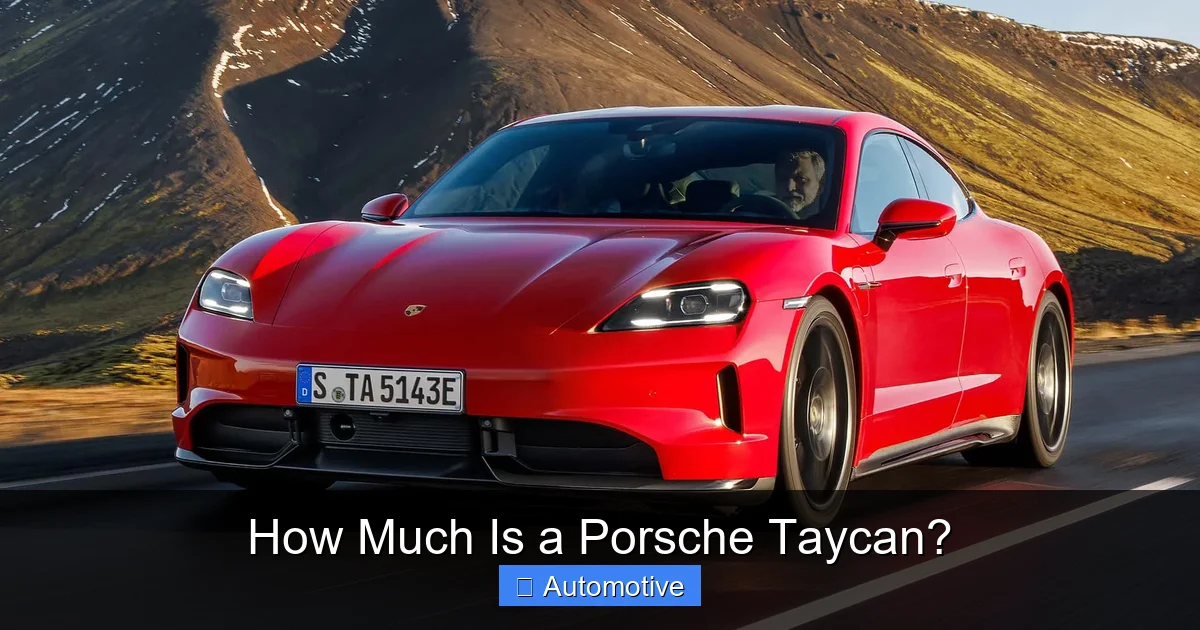
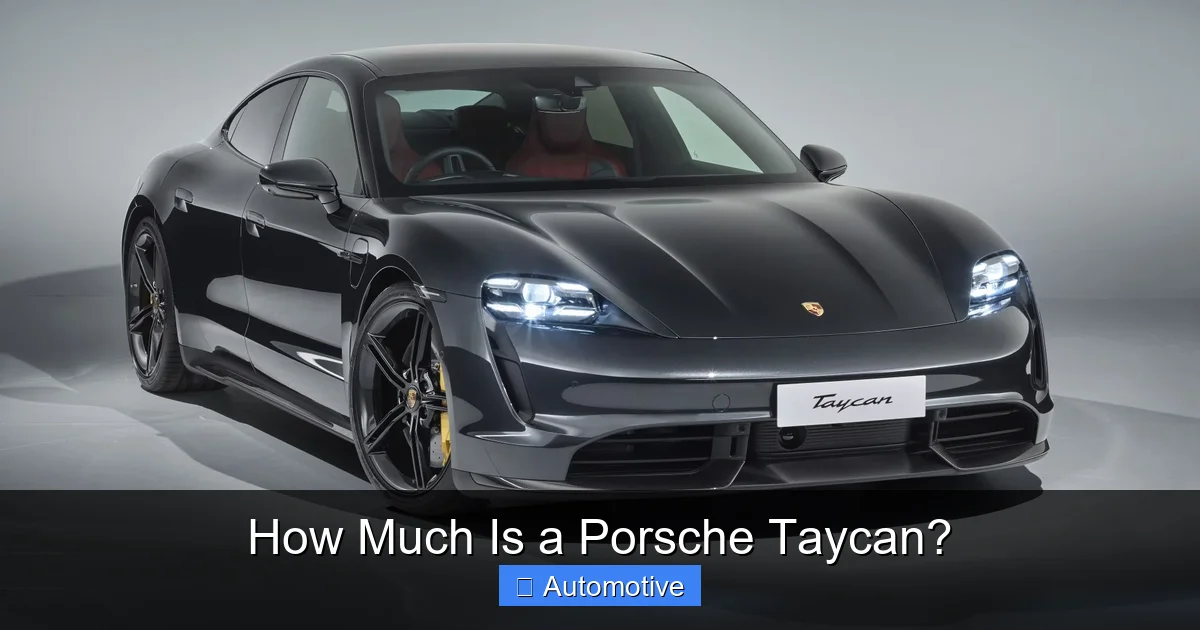
If you want more speed and handling, Porsche offers several performance packages. The Sport Chrono Package ($3,610) adds launch control, dynamic engine mounts, and a sport mode dial on the steering wheel. It also includes a performance display and overboost function for extra power during acceleration.
Visual guide about How Much Is a Porsche Taycan?
Image source: cdn.motor1.com
Visual guide about How Much Is a Porsche Taycan?
Image source: hdcarwallpapers.com
For serious track enthusiasts, the Track Precision App ($1,200) lets you record lap times, G-forces, and driving data. Pair it with Adaptive Air Suspension ($3,370), which adjusts ride height and damping based on driving conditions, and you’ve got a car that’s as comfortable on the highway as it is on the track.
Want to stop as fast as you go? The Porsche Ceramic Composite Brakes (PCCB) add $9,360 to the price. These carbon-ceramic rotors are lighter, more durable, and resist fade during hard braking—perfect for spirited driving.
Battery and Range Options
The Taycan offers two battery sizes: the standard 79.2 kWh and the larger 93.4 kWh Performance Battery Plus. Upgrading to the larger battery costs around $5,000–$7,000, depending on the trim. While it adds weight, it also increases range by 15–20 miles and provides more consistent performance during repeated acceleration.
For example, the base Taycan with the smaller battery gets about 227 miles of range. With the Performance Battery Plus, that jumps to around 246 miles. If you plan to take long road trips or live in a cold climate (where EV range drops), the upgrade is worth considering.
Interior and Comfort Features
Porsche interiors are known for their craftsmanship, but luxury comes at a price. The standard Taycan comes with partial leather seats, but upgrading to full leather adds $3,000–$5,000. For even more opulence, the Porsche Exclusive Manufaktur program offers custom stitching, exotic materials, and personalized details—starting at $10,000 and going much higher.
Other popular interior upgrades include:
- Heated and ventilated seats: $1,200
- Massage seats: $2,400
- Four-zone climate control: $1,000
- Premium audio (Burmester 3D): $3,200
These features make long drives more comfortable, but they can quickly add up.
Exterior and Wheels
The Taycan’s exterior can be customized with different paint colors, wheel designs, and body kits. Standard paint is included, but metallic and special colors (like Carmine Red or Chalk) cost $1,000–$3,000. Upgrading to 21-inch wheels can add $2,500–$4,000, while performance wheel packages with summer tires cost even more.
For a more aggressive look, the SportDesign Package ($3,500) adds a rear spoiler, side skirts, and unique front fascia. The Cross Turismo Off-Road Package ($2,800) includes skid plates, roof rails, and all-terrain tires—ideal for light off-roading.
Technology and Driver Assistance
The Taycan comes with a 16.9-inch curved digital display and Porsche Communication Management (PCM) system. But if you want the latest tech, consider the Head-Up Display ($1,500), which projects speed, navigation, and alerts onto the windshield.
Driver assistance features like Adaptive Cruise Control ($1,200), Lane Keep Assist ($800), and Night Vision ($2,500) enhance safety and convenience. The Porsche InnoDrive system ($2,200) combines adaptive cruise with predictive navigation, adjusting speed based on traffic and road conditions.
Real-World Ownership Costs
So, you’ve picked your trim and options. Now let’s talk about the ongoing costs of owning a Taycan. While the upfront price is important, you’ll also need to budget for charging, insurance, maintenance, and depreciation.
Charging Costs
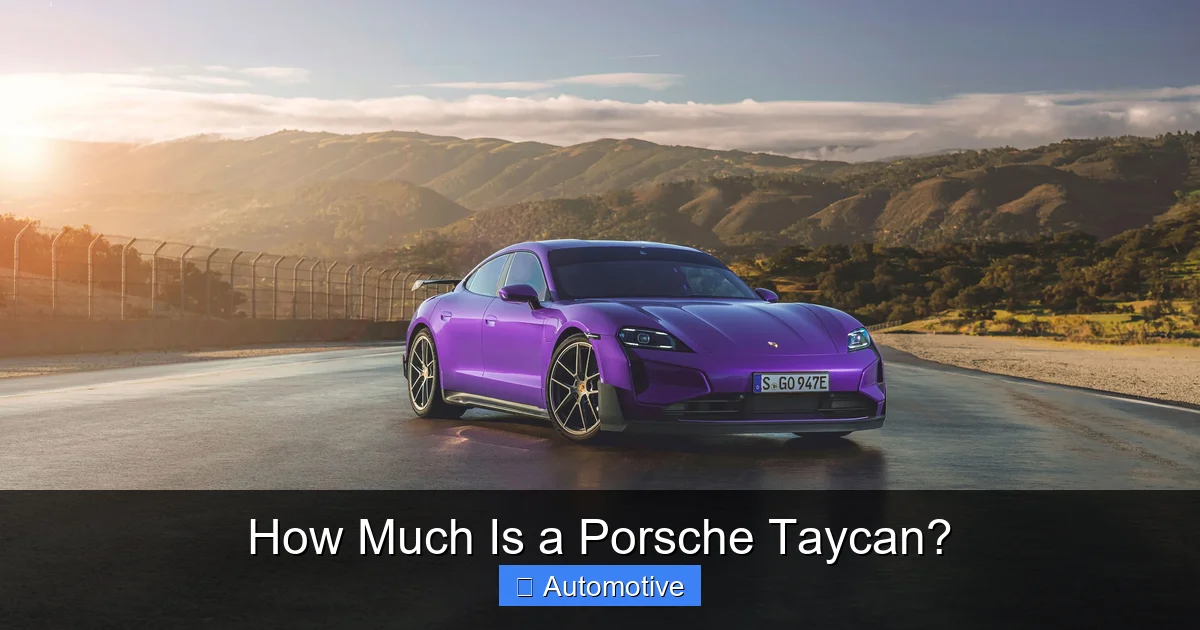
One of the biggest advantages of electric vehicles is lower fuel costs. The Taycan has an efficiency rating of around 3.5–4.0 miles per kWh, depending on driving style and conditions. At the U.S. average electricity rate of $0.15 per kWh, it costs about $0.04–$0.05 per mile to charge.
Visual guide about How Much Is a Porsche Taycan?
Image source: media.evkx.net
For example, a 300-mile trip would cost around $12–$15 in electricity. Compare that to a gas-powered Porsche, which might cost $40–$60 for the same distance. Home charging is even cheaper if you have a Level 2 charger installed (typically $500–$1,500 for equipment and installation).
Public charging is more expensive, especially at fast chargers. Rates vary by network, but expect to pay $0.30–$0.50 per kWh. Still, even with occasional fast charging, the Taycan is far cheaper to “fuel” than a traditional sports car.
Insurance
Insurance for a Taycan is higher than average due to its high value and performance. Expect to pay $2,500–$4,500 per year for full coverage, depending on your location, driving history, and deductible. Luxury and performance vehicles are more expensive to insure because repair costs are higher and theft risk is greater.
Some insurers offer EV-specific discounts, so it’s worth shopping around. Bundling with home or renters insurance can also lower your premium.
Maintenance and Repairs
EVs require less maintenance than gas cars—no oil changes, no spark plugs, no exhaust system repairs. The Taycan’s regenerative braking also reduces wear on brake pads. Routine maintenance includes tire rotations, cabin air filter replacements, and software updates—typically costing $200–$500 per year.
However, when repairs are needed, they can be expensive. Porsche parts and labor rates are high, and specialized EV components (like the battery or inverter) are costly to replace. Extended warranties or prepaid maintenance plans can help manage these costs.
Depreciation and Resale Value
The Taycan holds its value better than most EVs, thanks to Porsche’s strong brand and limited supply. After three years, a Taycan typically retains 60–70% of its original value, compared to 50–60% for many competitors.
Factors that affect resale value include mileage, condition, battery health, and market demand. Keeping service records and avoiding excessive wear can help maximize resale price.
Tax Incentives and Rebates
One way to reduce the effective cost of a Taycan is through government incentives. While the federal tax credit for EVs has changed in recent years, some Taycan models may still qualify—especially if they’re assembled in North America and meet battery sourcing requirements.
Federal Tax Credit
As of 2024, the Inflation Reduction Act offers a $7,500 federal tax credit for new EVs that meet specific criteria. The Taycan may qualify if it’s built in the U.S. and uses domestically sourced battery components. However, the credit is subject to income limits and vehicle price caps, so not all buyers will be eligible.
It’s important to check the latest IRS guidelines or consult a tax professional. The credit is non-refundable, meaning it can reduce your tax liability but won’t result in a refund if you don’t owe taxes.
State and Local Incentives
Many states offer additional rebates or tax credits for EV purchases. For example:
- California: Up to $2,000 rebate through the Clean Vehicle Rebate Project (CVRP)
- New York: $2,000 rebate for EVs under $60,000 (Taycan may not qualify due to price)
- Colorado: $5,000 state tax credit
- Colorado and Oregon: Additional incentives for low-income buyers
These programs change frequently, so check your state’s energy or transportation website for the latest info.
Utility and Employer Programs
Some electric utilities offer rebates for EV purchases or home charger installations. Employers may also provide incentives, such as free workplace charging or purchase discounts. These can add up to hundreds or even thousands of dollars in savings.
Is the Porsche Taycan Worth the Price?
So, after all this—how much is a Porsche Taycan, really? The answer depends on your priorities. If you’re looking for a stylish, high-performance electric car with cutting-edge tech and Porsche’s legendary driving dynamics, the Taycan delivers in spades.
The base model offers a compelling entry point, especially with potential tax credits. But if you want the full experience—lightning-fast acceleration, track-ready handling, and luxury finishes—you’ll need to spend significantly more. A fully loaded Turbo S Cross Turismo can easily exceed $220,000.
That said, the Taycan isn’t just a car—it’s a statement. It says you value innovation, performance, and sustainability. And while the price tag is steep, the driving experience, lower operating costs, and strong resale value make it a smart long-term investment for the right buyer.
Final Thoughts
The Porsche Taycan redefines what an electric car can be. It’s not just eco-friendly—it’s exhilarating. From the base model to the fire-breathing Turbo S, there’s a Taycan for every type of driver. And while the price can climb quickly with options, the combination of performance, luxury, and efficiency is hard to beat.
Before you buy, take a test drive. Feel the instant torque, hear the simulated engine note, and experience the precision steering. Then, crunch the numbers—factoring in incentives, charging costs, and long-term savings. When you do, you’ll have a clear answer to the question: *How much is a Porsche Taycan?* And more importantly, whether it’s worth it for you.
Frequently Asked Questions
How much is a Porsche Taycan in 2024?
The Porsche Taycan starts at $90,900 for the base rear-wheel-drive model. Higher trims like the Turbo S begin at $194,900, and fully loaded versions can exceed $220,000 with options.
Does the Taycan qualify for the federal tax credit?
Some Taycan models may qualify for the $7,500 federal tax credit if they meet assembly and battery sourcing requirements. Check the latest IRS guidelines for eligibility.
What is the range of a Porsche Taycan?
The Taycan’s EPA-estimated range varies by model and battery size, from about 227 miles (base model) to 246 miles (with the Performance Battery Plus).
How much does it cost to charge a Taycan at home?
Charging a Taycan at home costs about $0.04–$0.05 per mile, depending on your electricity rate. A full charge typically costs $10–$15.
Is the Taycan expensive to maintain?
Routine maintenance is cheaper than gas cars due to fewer moving parts. However, repairs can be costly, especially for high-performance components.
Can I get a Taycan under $100,000?
Yes, the base Taycan starts at $90,900, making it the most affordable option in the lineup. Adding options will increase the price, but it’s possible to stay under $100k with minimal upgrades.