
How Much to Tint Tesla Model Y

Tinting your Tesla Model Y enhances privacy, reduces heat, and improves aesthetics—but costs vary widely. Prices typically range from $200 to $800 depending on film quality, coverage, and installer expertise. Choosing the right tint involves balancing legality, performance, and budget.
So, you’ve just driven off the lot in your sleek new Tesla Model Y—congratulations! You’re already enjoying the silent ride, instant torque, and futuristic tech. But as you cruise down the highway under that expansive glass roof, you might notice something: the sun is *really* shining in. Or maybe you’re tired of feeling like you’re on display every time you park at the mall. That’s where window tinting comes in.
Tinting your Tesla Model Y isn’t just about looking cool (though it definitely helps). It’s a practical upgrade that boosts privacy, cuts down on glare, reduces interior heat, and protects your skin and upholstery from harmful UV rays. But before you book an appointment or order a DIY kit, you’re probably wondering: *How much to tint Tesla Model Y?* The answer isn’t one-size-fits-all. It depends on several factors—film type, coverage area, local labor rates, and even your state’s tinting laws. In this guide, we’ll break down everything you need to know so you can make a smart, informed decision without overspending or ending up with a bubbly, peeling mess.
Whether you’re a first-time Tesla owner or upgrading from a previous model, this article will walk you through the costs, options, and best practices for tinting your Model Y. We’ll cover the different types of tint films, what to expect during installation, how to stay legal, and why paying a little more upfront can save you headaches (and money) down the road.
Key Takeaways
- Understanding How Much to Tint Tesla Model Y: Provides essential knowledge
📑 Table of Contents
- Why Tint Your Tesla Model Y?
- How Much Does It Cost to Tint a Tesla Model Y?
- Types of Window Tint Films
- Legal Considerations: Know Your State’s Tint Laws
- DIY vs. Professional Installation: Which Is Right for You?
- Tesla Model Y Tinting: Special Considerations
- Maintaining Your Tint: Tips for Longevity
- Is Tinting Your Tesla Model Y Worth It?
- Final Thoughts
Why Tint Your Tesla Model Y?
Let’s start with the “why.” Sure, tinted windows look sharp—especially on a vehicle as modern and minimalist as the Model Y. But aesthetics are just the beginning. There are real, tangible benefits to adding tint, especially on a car with so much glass.
First, **heat reduction**. The Model Y has a massive panoramic glass roof and large side windows. On a sunny day, that can turn your cabin into a greenhouse. Quality tint—especially ceramic or carbon films—can reject up to 60–80% of solar heat. That means less reliance on the AC, which translates to better range efficiency. Yes, even electric cars benefit from staying cool without draining the battery.
Second, **UV protection**. Over 99% of harmful UV rays can be blocked by high-quality tint. This isn’t just about sunburns—it’s about long-term skin health and preserving your interior. Sunlight fades leather, cracks dashboards, and dulls fabrics. Tint acts like sunscreen for your car.
Third, **privacy and security**. Whether you’re parked in a busy city or just want to keep prying eyes away from your charging cable or groceries, tint adds a layer of discretion. It also makes it harder for thieves to see valuables inside.
Finally, **glare reduction**. Bright sunlight or headlights at night can be distracting and dangerous. Tint softens harsh light, improving visibility and driving comfort.
How Much Does It Cost to Tint a Tesla Model Y?
Visual guide about How Much to Tint Tesla Model Y
Image source: lirp.cdn-website.com
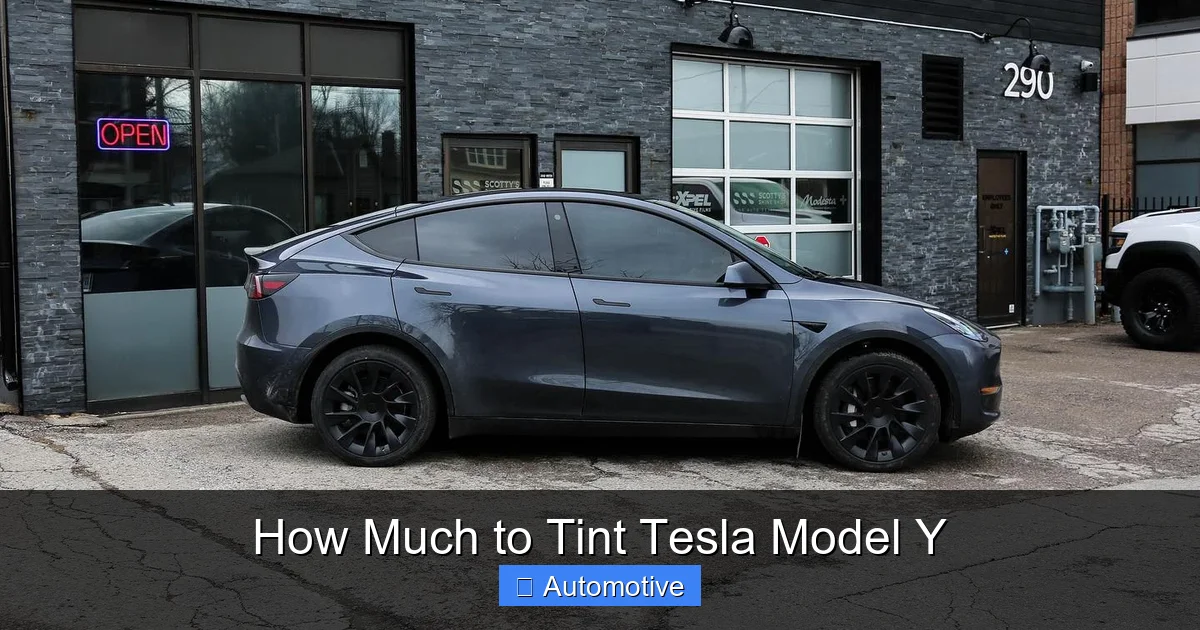
Now, let’s get to the big question: *How much to tint Tesla Model Y?* The short answer? **Between $200 and $800**, depending on several variables.
At the lower end, you’ll find basic dyed film installations from budget shops or DIY kits. These might cost $200–$350 for a full tint job (all five windows plus the rear windshield). But be cautious—cheap film often fades, bubbles, or peels within a year or two.
Mid-range options ($400–$600) typically use hybrid or carbon films. These offer better heat rejection, durability, and clarity. They’re a solid choice for most owners who want performance without breaking the bank.
At the premium end ($600–$800+), you’re looking at **ceramic tint**. This is the gold standard—offering superior infrared rejection, zero signal interference (important for Tesla’s cellular and GPS systems), and a lifetime warranty in many cases. Brands like 3M Crystalline, Llumar Stratos, and SunTek Ceramic are popular among Tesla owners.
Cost Breakdown by Coverage
Not all tints are created equal—and neither are the areas you choose to cover. Here’s a rough estimate of what you’ll pay based on how much of your Model Y you tint:
- Front Side Windows Only: $100–$250. This is the minimum legal tint in most states and the cheapest option. Ideal if you’re on a tight budget or just want slight privacy.
- Front + Rear Side Windows: $200–$400. Adds uniformity and better heat control.
- Full Tint (All Windows + Rear Windshield): $300–$600. Most popular choice for full protection and sleek look.
- Full Tint + Glass Roof: $500–$800+. The panoramic roof is large and tricky to tint. Many shops charge extra for this due to the curvature and risk of cracking.
Keep in mind, labor costs vary by region. A shop in Los Angeles or New York might charge 20–30% more than one in a smaller city. Always ask for a detailed quote that includes film type, coverage, and warranty.
Types of Window Tint Films
Visual guide about How Much to Tint Tesla Model Y
Image source: austinclearbra.com
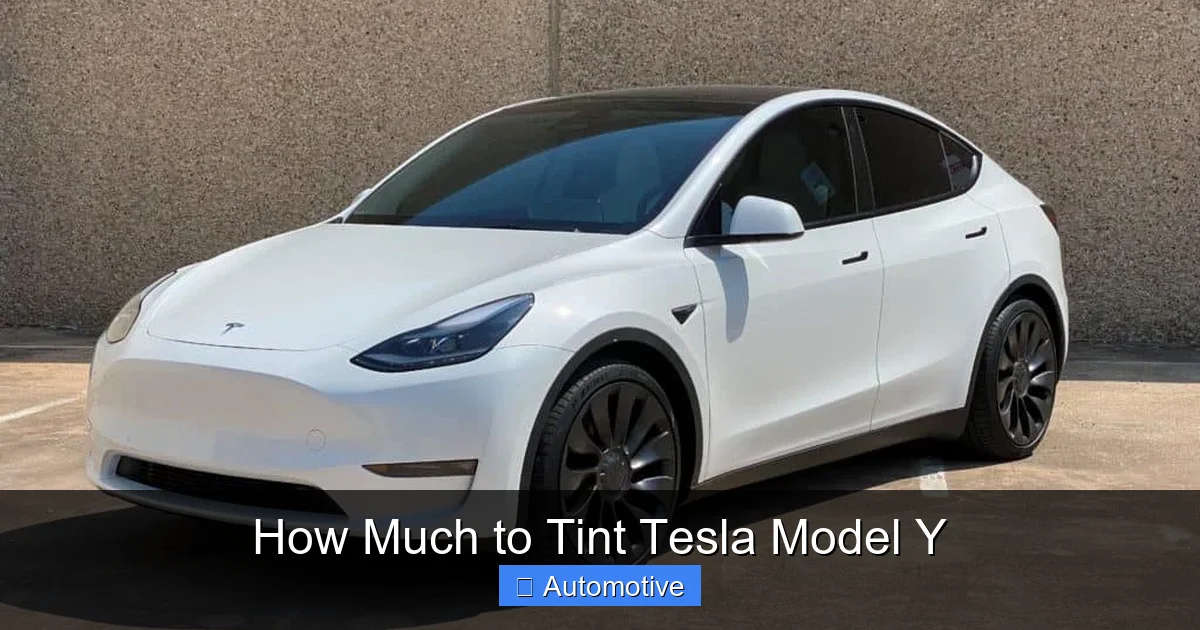
Not all tint is the same. The type of film you choose directly affects performance, price, and longevity. Let’s break down the five main types:
Dyed Film
This is the most affordable option—typically $50–$150 for a DIY kit. It uses a layer of dye between adhesive and protective coating. It blocks some heat and offers privacy, but it’s prone to fading and doesn’t reject infrared well. Over time, it can turn purple or bubble. Best for budget-conscious owners who plan to replace it often.
Metalized Film
Metalized films contain tiny metallic particles that reflect heat and UV rays. They’re more durable than dyed films and offer better heat rejection. However, they can interfere with electronic signals—like your Tesla’s key fob, GPS, or cellular connection. If you go this route, make sure the installer knows about Tesla’s tech to avoid signal loss.
Hybrid Film
A blend of dyed and metalized layers, hybrid films offer a balance of performance and price. They reject more heat than dyed films without the signal interference of fully metalized ones. A solid mid-tier choice at $200–$400.
Carbon Film
Carbon films are non-metallic and non-reflective, giving them a sleek, matte-black finish. They reject infrared heat well and won’t interfere with electronics. They’re more durable than dyed films and resist fading. Prices range from $300–$500 for a full installation.
Ceramic Film
The top-tier option. Ceramic films use nano-ceramic particles to block up to 99% of UV rays and 80% of infrared heat—without metal. They offer crystal-clear visibility, zero signal interference, and exceptional durability. Many come with lifetime warranties. This is the best choice for Tesla owners who want maximum performance and don’t mind paying $500–$800.
Legal Considerations: Know Your State’s Tint Laws
Visual guide about How Much to Tint Tesla Model Y
Image source: cruxmoto.com
Before you tint, you *must* check your state’s window tinting laws. Violating them can result in fines, failed inspections, or even having to remove the tint.
Each state sets limits on how dark your tint can be, measured by **Visible Light Transmission (VLT)**—the percentage of light that passes through the film. Lower VLT = darker tint.
For example:
– **California:** Front side windows must allow more than 70% light (70% VLT). Rear windows and windshield can be darker.
– **Texas:** Front side windows must be 25% VLT or lighter. Rear and back windshield can be any darkness.
– **Florida:** Front side windows must be 28% VLT or lighter.
The Tesla Model Y’s **panoramic glass roof** adds another layer of complexity. Some states allow tinting the roof, others don’t. In California, for instance, you can tint the roof as long as it’s not opaque. Always confirm with your local DMV or a reputable tint shop.
Tint Darkness Guide by Window
Here’s a quick reference for common legal limits (check your state!):
- Windshield: Most states allow a non-reflective tint strip along the top (usually 4–6 inches). Full windshield tinting is rarely legal.
- Front Side Windows: Typically 50–70% VLT. This is the most restricted area.
- Rear Side Windows: Often 15–35% VLT, depending on the state.
- Rear Windshield: Usually 15–35% VLT.
- Glass Roof: Varies—some states allow it, others require it to remain clear.
When getting quotes, ask the installer if they’re familiar with your state’s laws. A good shop will ensure your tint is legal and provide documentation if needed.
DIY vs. Professional Installation: Which Is Right for You?
You’ve probably seen DIY tint kits online for under $100. So why pay $500 for a pro? Let’s compare.
DIY Tinting: Pros and Cons
Pros:
– Saves money (up to $600).
– You can do it on your schedule.
– Satisfaction of doing it yourself.
Cons:
– High risk of bubbles, creases, or peeling.
– Hard to get perfect edges on curved Tesla windows.
– No warranty—if it fails, you’re on your own.
– Mistakes can damage glass or trim.
The Tesla Model Y’s **large, curved windows and glass roof** make DIY tinting especially challenging. One wrong move can ruin the film or scratch the glass. And if you mess up the roof, you could crack it during removal.
Professional Installation: Why It’s Worth It
A skilled installer brings experience, precision, and the right tools. They:
– Use high-quality films with warranties.
– Have climate-controlled environments to prevent dust and debris.
– Know how to handle Tesla’s unique glass design.
– Offer guarantees—many will redo the job for free if issues arise.
Most importantly, pros understand **Tesla-specific challenges**. For example, the Model Y’s rear windshield has a tight curve and defroster lines. Cutting the film too aggressively can damage the defroster. A pro will use precision plotting and heat-shrinking techniques to get a perfect fit.
How to Choose a Reputable Installer
Not all shops are equal. Here’s how to find a great one:
– Look for **Tesla-specific experience**. Ask if they’ve tinted Model Ys before.
– Check reviews on Google, Yelp, and Tesla forums.
– Ask about **film brands and warranties**. Reputable shops use name-brand films with transferable warranties.
– Get a **written quote** that includes film type, coverage, and labor.
– Avoid shops that pressure you into upsells or won’t show samples.
A good installer might cost more upfront, but it’s an investment in your car’s appearance, comfort, and value.
Tesla Model Y Tinting: Special Considerations
The Model Y isn’t like a typical sedan. Its design presents unique challenges and opportunities when it comes to tinting.
The Panoramic Glass Roof
This is the biggest differentiator. The roof spans nearly the entire length of the car and is made of tempered glass. Tinting it requires special care:
– Use **flexible, high-shrink films** that conform to the curve.
– Avoid excessive heat during installation to prevent cracking.
– Choose a **light to medium shade**—too dark can reduce visibility and may not be legal.
Many owners opt for a **light ceramic tint** on the roof (like 50% VLT) to reduce heat without sacrificing the open, airy feel.
Curved Side Windows
The Model Y’s side windows have a subtle curve, especially toward the rear. This makes pre-cut films less effective. A skilled installer will use **plotter-cut patterns** or hand-cut the film to ensure a seamless fit.
Defroster and Sensor Compatibility
The rear windshield has defroster lines and may include rain/light sensors. Tint must be applied carefully to avoid interfering with these systems. Ceramic and carbon films are ideal here because they don’t block signals.
Paint Protection Film (PPF) and Tint Combo
Some owners combine window tint with **paint protection film** on the front bumper, hood, and mirrors. This dual upgrade protects against rock chips, UV damage, and heat. While PPF adds $1,000–$2,000 to the total cost, it’s popular among Tesla enthusiasts who want maximum protection.
Maintaining Your Tint: Tips for Longevity
Once your tint is installed, a little care goes a long way.
First 30 Days: The Critical Window
– **Don’t roll down windows** for at least 3–5 days. The adhesive needs time to cure.
– **Avoid cleaning** for the first week. Water and soap can seep under the edges.
– **Park in the shade** when possible to reduce thermal stress.
Ongoing Care
– Use a **soft microfiber cloth** and ammonia-free cleaner. Ammonia can degrade dyed and metalized films.
– Don’t use abrasive pads or scrapers.
– Inspect edges regularly for lifting or bubbling. Small issues can be fixed if caught early.
Most quality tints last 5–10 years. Ceramic films often come with lifetime warranties against fading, peeling, or discoloration.
Is Tinting Your Tesla Model Y Worth It?
Absolutely—if you choose wisely. The upfront cost might seem steep, but the long-term benefits are hard to ignore.
You’ll enjoy:
– A cooler cabin, especially in summer.
– Less glare while driving.
– Protection for your skin and interior.
– Enhanced privacy and security.
– A more premium, customized look.
And with Tesla’s minimalist design, a well-done tint job complements the car’s aesthetics rather than clashing with it.
Just remember: **you get what you pay for**. Skimping on film or installation can lead to disappointment. Invest in quality, follow the laws, and choose a pro who knows Teslas.
Final Thoughts
So, how much to tint Tesla Model Y? The answer depends on your goals, budget, and location—but you can expect to spend between $200 and $800 for a professional, high-quality installation. Whether you go full ceramic or stick with a mid-tier carbon film, the upgrade is well worth it for the comfort, protection, and style it adds.
Take the time to research, compare quotes, and choose a reputable installer. Your Tesla deserves the best—and so do you.
Frequently Asked Questions
Can I tint the Tesla Model Y glass roof?
Yes, but it’s more complex and costly than side windows. The roof is large, curved, and made of tempered glass, so it requires skilled installation. Many owners choose a light ceramic tint to reduce heat without darkening the cabin too much.
Will tinting void my Tesla warranty?
No, window tinting does not void your Tesla warranty. However, if improper installation damages the glass or defroster, Tesla may not cover those repairs. Always use a qualified installer.
What’s the best tint for a Tesla Model Y?
Ceramic tint is the best overall choice. It offers superior heat rejection, UV protection, and clarity without interfering with Tesla’s electronics. Brands like 3M, Llumar, and SunTek are highly recommended.
How long does it take to tint a Tesla Model Y?
A professional tint job typically takes 2–4 hours, depending on coverage. Full tint including the roof may take longer. Most shops can complete it in one day.
Can I wash my car after tinting?
Wait at least 3–5 days before washing. Avoid high-pressure sprays near the edges for the first week. Use a gentle wash method to prevent water from seeping under the film.
Is it legal to tint all windows on a Tesla Model Y?
It depends on your state. Most states allow rear windows and windshield to be darker, but front side windows have strict limits (usually 50–70% VLT). Always check local laws before tinting.
