
How Much Do Bmw Brake Pads Cost?

BMW brake pads typically cost between $150 and $400 per axle, depending on the model, driving habits, and whether you choose OEM or aftermarket parts. While premium materials and performance engineering justify the higher price, regular maintenance and early replacement can prevent costly rotor damage and ensure optimal safety.
Key Takeaways
- BMW brake pad costs range from $150 to $400 per axle. Varies by model, materials, and labor.
- Choose OEM for reliability and performance. Best for maintaining BMW’s engineering standards.
- Aftermarket pads can save money. Ensure compatibility and quality to avoid safety risks.
- Labor adds $100–$200 to the total cost. Dealerships are pricier than independent shops.
- Replace brake pads in pairs. Ensures even braking and prevents uneven wear.
- Watch for warning signs like squealing or reduced braking. Early replacement prevents rotor damage.
- Consider ceramic pads for quieter, cleaner performance. Ideal for daily driving and comfort.
📑 Table of Contents
- How Much Do BMW Brake Pads Cost?
- Why Brake Pads Matter—Especially on a BMW
- Average Cost of BMW Brake Pads: What to Expect
- OEM vs. Aftermarket Brake Pads: Which Is Right for You?
- DIY vs. Professional Installation: Can You Save Money?
- Hidden Costs and What to Watch Out For
- Real-World Examples: Brake Pad Costs by BMW Model
- Tips to Save Money on BMW Brake Pad Replacement
- Final Thoughts: Is It Worth the Cost?
How Much Do BMW Brake Pads Cost?
So, you’re driving your sleek BMW down the highway, the engine purring like a contented cat, and suddenly you notice something… off. Maybe the brake pedal feels a little spongy, or you hear a faint squeal when you slow down at a red light. Your first thought? “Uh-oh. Are my brake pads going bad?” And right behind that: “How much is this going to cost me?”
If you’re nodding along, you’re not alone. Brake pad replacement is one of the most common—and important—maintenance tasks for any car owner, especially for luxury vehicles like BMWs. But unlike your average Honda or Toyota, BMWs come with a premium price tag, and that often extends to parts and labor. The good news? Understanding what goes into the cost of BMW brake pads can help you make smarter decisions, avoid surprise bills, and keep your Beemer running safely and smoothly. In this guide, we’ll break down everything you need to know—from average prices to hidden fees, OEM vs. aftermarket options, and tips to save money without sacrificing safety.
Why Brake Pads Matter—Especially on a BMW
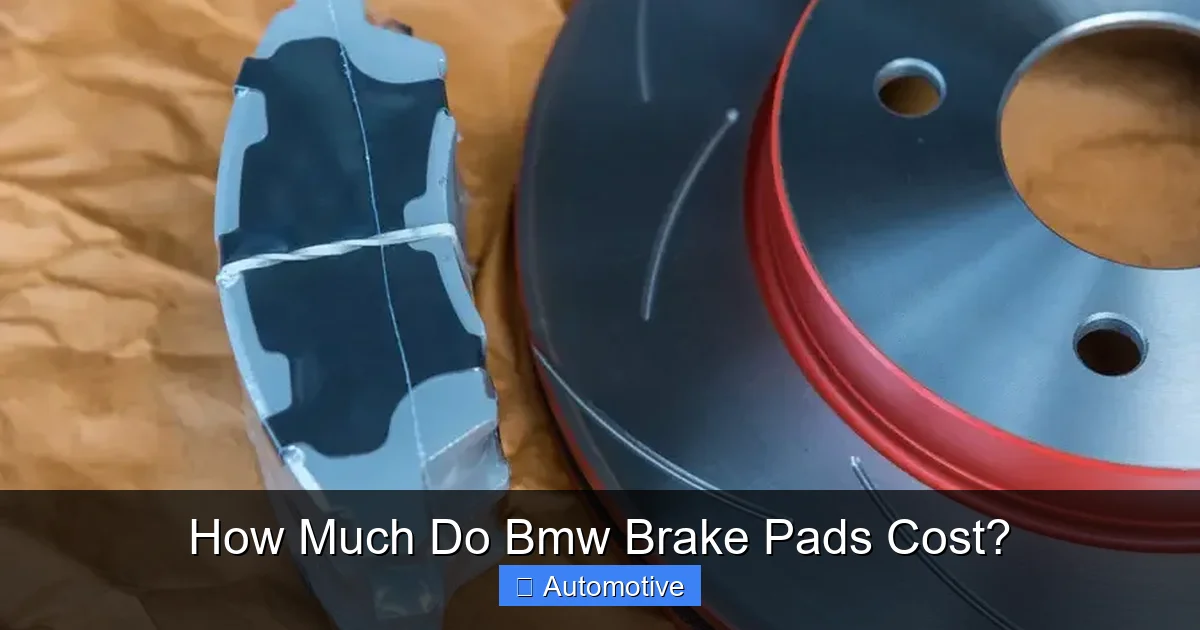
Let’s start with the basics: why are brake pads so important? Think of them as the unsung heroes of your car’s braking system. Every time you press the brake pedal, the pads clamp down on the rotors (the spinning discs behind your wheels), creating friction that slows your car down. Over time, that friction wears the pads down—just like how the soles of your favorite sneakers get thinner with every mile you walk.
Visual guide about How Much Do Bmw Brake Pads Cost?
Image source: scanneranswers.com
Now, BMWs aren’t just any car. They’re engineered for performance, precision, and responsiveness. That means their braking systems are built to handle higher speeds, sharper turns, and more aggressive driving styles. Whether you’re cruising in a 3 Series sedan or pushing the limits in an M3, your brakes need to perform flawlessly. Worn brake pads don’t just reduce stopping power—they can lead to longer braking distances, overheating, and even damage to other components like rotors and calipers.
The Risks of Ignoring Worn Brake Pads
Ignoring brake pad wear might seem like a small thing, but it can snowball into serious problems. Here’s what can happen if you wait too long:
- Reduced braking efficiency: Your car takes longer to stop, which is dangerous in emergencies.
- Rotor damage: Metal-on-metal contact from worn pads can score or warp your rotors, leading to costly replacements.
- Increased repair costs: What starts as a $200 brake job can turn into a $1,000+ repair if calipers or sensors get damaged.
- Safety risks: In extreme cases, complete brake failure is possible—though rare, it’s not worth the gamble.
BMW also includes advanced safety systems like ABS (Anti-lock Braking System) and brake assist, which rely on properly functioning brake pads to work correctly. So, keeping your pads in good shape isn’t just about maintenance—it’s about protecting yourself, your passengers, and your investment.
Average Cost of BMW Brake Pads: What to Expect
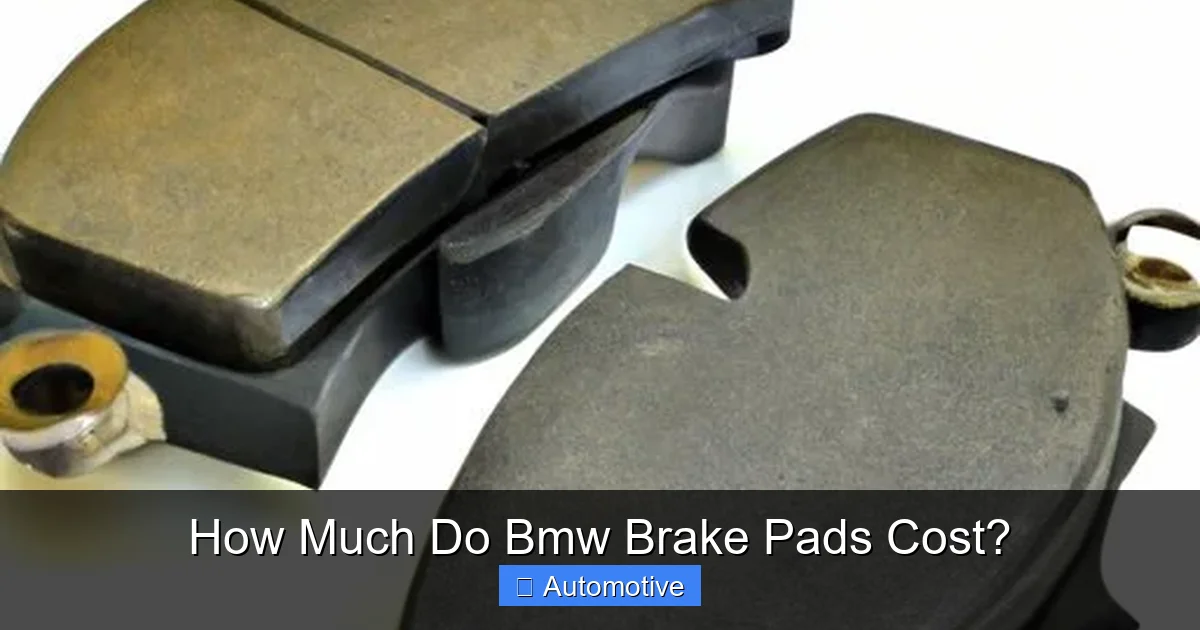
Now, let’s get to the heart of the matter: how much do BMW brake pads actually cost? The short answer? It depends. But here’s a realistic breakdown based on real-world data and industry averages.
Visual guide about How Much Do Bmw Brake Pads Cost?
Image source: tffn.net
For most BMW models, the total cost of replacing brake pads (including parts and labor) typically ranges from $300 to $800 per axle. That means if you’re doing both front and rear pads, you’re looking at $600 to $1,600 total. Yes, that’s a wide range—and we’ll explain why in a moment.
Breaking Down the Costs
Let’s look at what makes up that price tag:
- Parts (brake pads only): $100–$400 per axle
- Labor: $150–$400 per axle
- Additional fees (rotor resurfacing, sensors, etc.): $50–$300
So, if you’re replacing just the front pads on a 2020 BMW 330i, you might pay around $400 at a dealership. But if you’re doing all four wheels on a high-performance M5 with ceramic pads and electronic wear sensors, that number could easily climb to $1,200 or more.
Factors That Influence the Price
Several variables affect how much you’ll pay for BMW brake pads:
- Model and year: Newer or performance-oriented models (like M Series) often use more advanced—and expensive—brake systems.
- Pad material: Organic, semi-metallic, ceramic—each has different costs and performance traits.
- OEM vs. aftermarket: Genuine BMW parts cost more, but aftermarket options can vary widely in quality.
- Labor rates: Dealerships charge more than independent shops, but they may offer warranties and use factory-trained technicians.
- Location: Urban areas with higher living costs tend to have higher labor rates.
For example, replacing brake pads on a 2018 BMW X5 at a dealership in Los Angeles might cost $650, while the same job at an independent shop in Kansas City could be $450. Always get multiple quotes to compare.
OEM vs. Aftermarket Brake Pads: Which Is Right for You?
One of the biggest decisions you’ll face is whether to go with OEM (Original Equipment Manufacturer) or aftermarket brake pads. Let’s break down the pros and cons of each.
Visual guide about How Much Do Bmw Brake Pads Cost?
Image source: loosoostore.com
OEM Brake Pads: The BMW Standard
OEM pads are made by BMW or their authorized suppliers and are designed specifically for your vehicle. They’re the same ones installed at the factory.
Pros:
- Perfect fit and compatibility
- Consistent performance and braking feel
- Often come with a warranty
- Recommended for newer or high-performance models
Cons:
- More expensive—often 2–3 times the cost of aftermarket options
- May not offer performance upgrades
For example, genuine BMW front brake pads for a 2021 430i might cost $220 for the set, while a quality aftermarket brand like Akebono or Brembo could be $120.
Aftermarket Brake Pads: Performance and Value
Aftermarket pads are made by third-party manufacturers and come in a wide range of materials and performance levels. Some are budget-friendly, while others are designed for track use.
Pros:
- Lower cost—great for budget-conscious owners
- Wider variety of options (ceramic, low-dust, performance)
- Some brands offer better performance than OEM
Cons:
- Quality varies—cheap pads may wear faster or cause noise
- May not integrate perfectly with BMW’s electronic systems (like wear sensors)
- Warranty may be limited or voided if installed incorrectly
Popular aftermarket brands for BMWs include:
- Brembo: High-performance, often used in racing
- Akebono: Known for quiet, low-dust ceramic pads
- Power Stop: Affordable and reliable for daily driving
- EBC Brakes: Great for performance and track use
Tip: If you’re unsure, ask your mechanic which aftermarket brands they trust. Many independent shops have preferred suppliers and can recommend pads that work well with BMWs.
DIY vs. Professional Installation: Can You Save Money?
Now, here’s a question many BMW owners ask: “Can I replace my brake pads myself to save money?” The answer is: yes, but with caveats.
The Case for DIY Brake Pad Replacement
Replacing brake pads is one of the more beginner-friendly car repairs. If you’re comfortable with basic tools and have a safe workspace, it’s definitely doable.
Estimated savings: $150–$400 per axle (the cost of labor)
What you’ll need:
- Jack and jack stands (or a lift)
- Lug wrench
- C-clamp or brake caliper tool
- Socket set
- New brake pads
- Brake cleaner
- Torque wrench (optional but recommended)
Steps (simplified):
- Lift the car and remove the wheel.
- Remove the caliper bolts and slide the caliper off.
- Take out the old pads and compress the caliper piston (using a C-clamp).
- Install the new pads and reassemble.
- Torque bolts to spec and test drive.
Pros of DIY:
- Big savings on labor
- Learn more about your car
- Flexibility to choose your own parts
Cons of DIY:
- Risk of improper installation (which can be dangerous)
- No warranty on labor
- Time and effort required
- Special tools may be needed for某些 models (e.g., electronic parking brakes)
When to Leave It to the Pros
While DIY is possible, there are times when professional installation is the smarter choice:
- Your BMW has an electronic parking brake (EPB) system—resetting it often requires a scan tool.
- You’re not confident working with brakes (safety first!).
- The rotors are worn and need resurfacing or replacement.
- You want a warranty on the work.
Many independent BMW specialists offer high-quality service at lower rates than dealerships. Look for shops certified by organizations like ASE (Automotive Service Excellence) or those with positive reviews on Google or Yelp.
Hidden Costs and What to Watch Out For
Here’s the thing about brake jobs: the quoted price for “brake pads only” might not be the final bill. Several hidden costs can sneak up on you if you’re not prepared.
Rotor Resurfacing or Replacement
If your rotors are warped, scored, or below the minimum thickness, they’ll need attention. Resurfacing (also called “turning”) costs $50–$100 per rotor. Replacement can run $150–$400 per rotor, depending on the model.
Tip: Ask your mechanic to measure rotor thickness and check for warping. If they’re still within spec, you might not need to replace them.
Brake Wear Sensors
Most modern BMWs have electronic wear sensors that alert you when pads are low. These sensors are often integrated into the pads and must be replaced with them. A new sensor can add $20–$50 per axle.
Labor Surcharges
Some shops charge extra for:
- Disposal of old parts
- Use of specialty tools
- Time spent resetting electronic systems
Always ask for a detailed estimate before work begins.
Fluid Flush (Optional but Recommended)
While not part of a standard pad replacement, many mechanics recommend a brake fluid flush every 2–3 years. This removes moisture and contaminants that can reduce braking performance. Expect to pay $100–$150 extra.
Real-World Examples: Brake Pad Costs by BMW Model
To give you a clearer picture, here’s a table showing average brake pad replacement costs for popular BMW models (front axle only, parts + labor at a dealership):
| BMW Model | Model Year | Pad Type | Average Cost (Front Axle) |
|---|---|---|---|
| 3 Series (330i) | 2020 | OEM Ceramic | $450 |
| 5 Series (540i) | 2019 | Aftermarket Semi-Metallic | $380 |
| X3 (xDrive30i) | 2021 | OEM Organic | $500 |
| M3 (G80) | 2023 | OEM Performance Ceramic | $750 |
| X5 (xDrive40i) | 2020 | Aftermarket Ceramic (Akebono) | $420 |
| i4 (eDrive40) | 2022 | OEM Low-Dust | $550 |
Note: Costs vary by location, shop, and condition of existing components. Always get a written estimate.
Tips to Save Money on BMW Brake Pad Replacement
No one likes unexpected car bills, but there are smart ways to reduce the cost of brake pad replacement without cutting corners on safety.
1. Compare Quotes from Multiple Shops
Don’t just go to the nearest dealership. Get estimates from:
- BMW dealerships
- Independent BMW specialists
- National chains (like Midas or Firestone—though quality varies)
You might be surprised by the difference. One shop might quote $600, while another does it for $400 with the same parts.
2. Choose the Right Pad Material
Not all brake pads are created equal. Here’s a quick guide:
- Organic: Quiet and affordable, but wear faster. Good for city driving.
- Semi-Metallic: Durable and great for performance, but can be noisy and create more dust.
- Ceramic: Expensive but long-lasting, quiet, and low-dust. Ideal for daily drivers.
For most BMW owners, ceramic pads offer the best balance of performance and comfort.
3. Bundle Services
If your car is due for other maintenance (like an oil change or tire rotation), ask if the shop offers a discount for multiple services. Some places will knock $50–$100 off the total bill.
4. Watch for Promotions
Dealerships and repair shops often run seasonal promotions—especially in spring and fall. Sign up for email newsletters or check their websites for deals like “10% off brake service” or “Free brake inspection.”
5. Consider Used or Reconditioned Parts (With Caution)
While not recommended for critical safety components, some owners save money by buying lightly used rotors or calipers from reputable salvage yards. Just make sure they’re inspected and come with a warranty.
Final Thoughts: Is It Worth the Cost?
So, how much do BMW brake pads cost? As we’ve seen, the answer isn’t simple—but it’s usually between $300 and $800 per axle, depending on your model, location, and choices. While that might seem steep compared to a Toyota or Ford, remember: you’re paying for precision engineering, advanced materials, and a driving experience that few cars can match.
The key is to stay informed, shop smart, and never ignore the warning signs. A little noise or a soft pedal might seem minor, but your brakes are your first line of defense in an emergency. Whether you go OEM or aftermarket, DIY or professional, the most important thing is that your BMW stops safely—every single time.
Take care of your brakes, and they’ll take care of you. After all, that’s what owning a BMW is all about: performance, reliability, and peace of mind.
Frequently Asked Questions
How much do BMW brake pads cost on average?
The average cost for BMW brake pads ranges from $150 to $300 per axle for parts and labor, depending on the model and whether you choose OEM or aftermarket options. High-performance or luxury BMW models may cost more due to specialized components.
Are BMW brake pads more expensive than other brands?
Yes, BMW brake pads tend to be more expensive than those for non-luxury vehicles due to higher-quality materials and precision engineering. OEM (Original Equipment Manufacturer) pads are typically pricier than aftermarket alternatives but offer better compatibility and performance.
Can I buy BMW brake pads online to save money?
Absolutely—you can purchase BMW brake pads online from retailers like FCP Euro, Amazon, or BMW parts websites, often at lower prices than dealerships. Just ensure you’re buying the correct part number for your specific BMW model and year.
Do I need to replace brake rotors when changing BMW brake pads?
Not always, but it’s recommended if the rotors are warped, scored, or below the minimum thickness specification. Replacing both pads and rotors together ensures optimal braking performance and longevity, especially on high-mileage BMWs.
How often should BMW brake pads be replaced?
BMW brake pads typically last between 30,000 and 70,000 miles, depending on driving habits and conditions. City driving with frequent stops may wear them out faster, so regular inspections during service visits are important.
Is it cheaper to install BMW brake pads myself?
Yes, installing BMW brake pads yourself can save on labor costs, which usually range from $100 to $200 at a shop. However, proper tools and mechanical knowledge are required to ensure safety and correct installation.