
How Much Is a 2005 Kia Sorento Worth?

The 2005 Kia Sorento is a budget-friendly midsize SUV that still holds value for practical buyers. Depending on condition, mileage, and location, prices typically range from $2,000 to $6,000, making it a solid used vehicle choice.
If you’re eyeing a 2005 Kia Sorento or trying to sell one, you’re probably wondering: How much is a 2005 Kia Sorento worth? It’s a fair question. This midsize SUV was one of Kia’s early attempts to break into the competitive American market, and while it didn’t win awards for luxury or performance, it offered solid value for families and adventurers on a budget. Nearly two decades later, the 2005 Sorento still pops up on used car lots and online marketplaces—often at surprisingly affordable prices.
But “affordable” doesn’t mean one-size-fits-all. The value of a 2005 Kia Sorento can vary dramatically based on a handful of key factors. A low-mileage, well-cared-for model with a clean history might fetch close to $6,000, while a high-mileage, neglected example could be lucky to hit $2,000. Understanding what drives that price difference is essential whether you’re buying, selling, or just curious. In this guide, we’ll break down everything that affects the worth of a 2005 Kia Sorento—from engine type and trim level to regional demand and common mechanical issues.
Key Takeaways
- Typical Price Range: Most 2005 Kia Sorentos sell between $2,000 and $6,000, with well-maintained models reaching the higher end.
- Mileage Matters: Vehicles under 120,000 miles command higher prices, while those over 150,000 miles drop significantly in value.
- Condition Is Key: Clean interiors, rust-free bodies, and full service records can boost resale value by 20–30%.
- Trim and Features: EX and LX trims with V6 engines, 4WD, and premium options (like leather or sunroof) are more desirable.
- Market Fluctuations: Local demand, fuel prices, and seasonal trends (e.g., winter SUV demand) can affect pricing.
- Private vs. Dealer Sales: Private sellers often get $500–$1,000 more than trade-in or dealer offers.
- Reliability Concerns: Known issues like transmission problems or rust can lower value—buyers should inspect thoroughly.
📑 Table of Contents
Understanding the 2005 Kia Sorento: A Quick Overview
The 2005 Kia Sorento was part of the first generation of this now-popular SUV lineup. Launched in 2002, the Sorento was built on a truck-based platform, sharing some underpinnings with the Hyundai Santa Fe of the same era. This gave it a more rugged feel than some of its car-based competitors, making it a decent choice for light off-roading or towing small trailers.
In 2005, the Sorento came in two main trims: the base LX and the more upscale EX. Both were available with either rear-wheel drive (RWD) or four-wheel drive (4WD), and buyers could choose between a 2.5L inline-4 diesel engine (in select markets) or a 3.5L V6 gasoline engine. In the U.S., the V6 was the standard and only available option, producing around 192 horsepower and 217 lb-ft of torque. Paired with a 5-speed automatic transmission, it offered adequate power for daily driving and highway merging, though it wasn’t exactly quick.
Inside, the Sorento was functional but not fancy. The LX trim featured cloth seats, basic audio, and manual controls, while the EX added niceties like leather upholstery, a sunroof, power accessories, and upgraded audio. Third-row seating was optional, though it was tight—better suited for kids than adults. Cargo space was decent for the class, especially with the rear seats folded.
Safety features were modest by today’s standards. Dual front airbags were standard, but side airbags and electronic stability control were not widely available. The Sorento earned a four-star overall rating from the NHTSA, which was respectable for its time but falls short of modern expectations.
Despite its age, the 2005 Sorento remains appealing to budget-conscious buyers who need a reliable, no-frills SUV. It’s not flashy, but it’s practical, and when maintained properly, it can still serve faithfully for years.
Factors That Determine the Value of a 2005 Kia Sorento
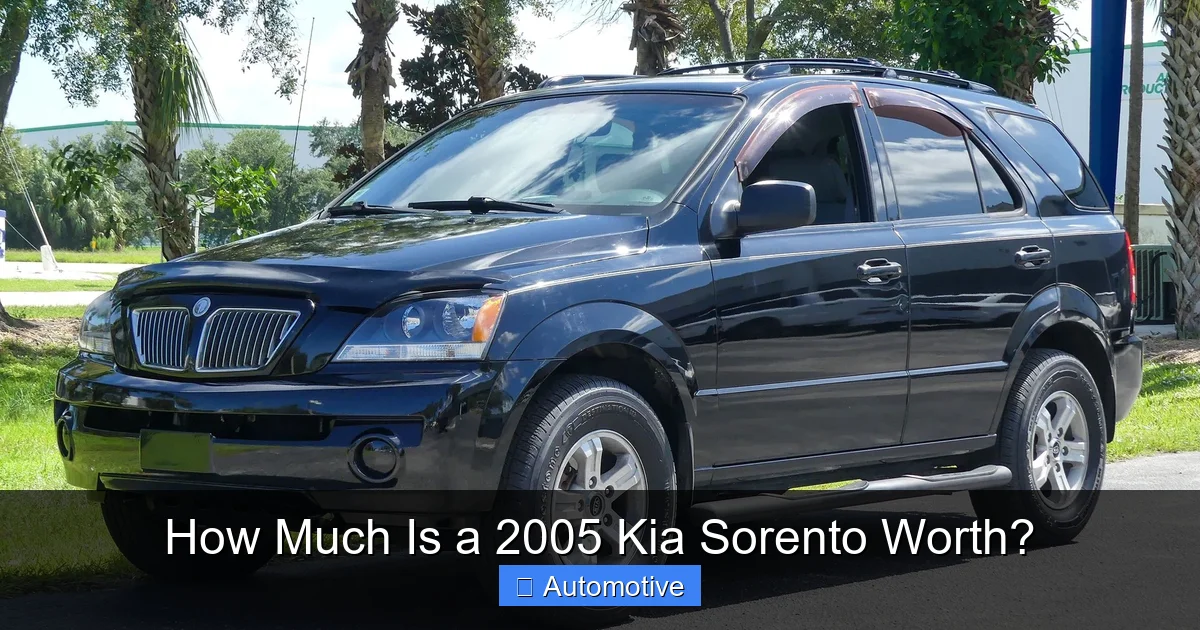
Visual guide about How Much Is a 2005 Kia Sorento Worth?
Image source: cdn.dealeraccelerate.com
So, what exactly makes one 2005 Kia Sorento worth $5,500 and another only $2,800? The answer lies in a combination of objective and subjective factors. Let’s dive into the biggest influencers of resale value.
Mileage: The Single Biggest Price Driver
Mileage is the most straightforward indicator of a vehicle’s wear and tear. For a 2005 model, anything under 120,000 miles is considered low for its age. These vehicles often retain more value because they’ve likely seen less mechanical stress and may have more life left in critical components like the engine and transmission.
For example, a 2005 Sorento with 95,000 miles, clean title, and full service records might list for $5,200 privately. In contrast, a similar model with 160,000 miles—even if it runs well—might struggle to sell for more than $2,500. High-mileage vehicles raise red flags for buyers, who worry about upcoming repairs, even if the current owner has maintained it well.
That said, mileage isn’t the only factor. A 140,000-mile Sorento with a documented transmission rebuild and new suspension components could still command a premium over a 110,000-mile example with unknown maintenance history.
Vehicle Condition: Inside and Out
A car’s physical and mechanical condition plays a huge role in its value. Buyers want to see a clean, rust-free body, intact paint, and minimal dents or scratches. Rust—especially around wheel wells, rocker panels, and undercarriage—can drastically reduce value, particularly in regions with harsh winters and road salt.
Inside, a well-kept cabin signals care and attention. Stains, tears, or strong odors (like smoke or mildew) can turn buyers away. Functional electronics—power windows, locks, mirrors, and climate control—are also important. A non-working AC system, for instance, might not seem like a big deal in winter, but it can knock $300–$500 off the price in warmer climates.
Mechanical condition is even more critical. A Sorento that idles smoothly, shifts without hesitation, and doesn’t leak fluids is far more valuable than one with warning lights or odd noises. A recent inspection or pre-purchase inspection (PPI) report can boost buyer confidence and justify a higher asking price.
Trim Level and Features
Not all 2005 Sorentos are created equal. The EX trim typically commands a $800–$1,500 premium over the base LX, thanks to its upgraded interior, additional features, and often better maintenance history. Buyers are willing to pay more for leather seats, a sunroof, alloy wheels, and premium audio—especially if they’re comparing multiple used SUVs in the same price range.
4WD models also tend to sell for more than their RWD counterparts, particularly in snowy or rural areas. The added capability appeals to buyers who need traction for off-road adventures or winter driving. A 4WD EX with low mileage can easily hit the $6,000 mark, while a base LX RWD with high mileage might top out at $3,000.
Optional features like a towing package, roof rack, or third-row seat can add incremental value, though they rarely justify a huge price jump on their own.
Title Status and Accident History
A clean title is essential for maximizing value. Vehicles with salvage, rebuilt, or flood titles are significantly harder to sell and often worth 30–50% less than clean-title equivalents. Even a minor accident reported to insurance can raise concerns, especially if structural repairs were involved.
Buyers use services like Carfax or AutoCheck to check for accidents, title issues, and service records. A Sorento with a clean history report and consistent maintenance logs will always outperform one with gaps or red flags.
Geographic Location and Market Demand
Where you live—or where the car is being sold—can impact its value. In rural or mountainous regions, 4WD SUVs like the Sorento are in higher demand, especially during winter months. This can push prices up by $500 or more compared to urban areas where compact cars dominate.
Conversely, in cities with high fuel prices or strict emissions standards, older SUVs may be less desirable, lowering their market value. Additionally, local inventory levels matter. If there are dozens of similar Sorentos for sale in your area, competition drives prices down. If they’re rare, you might get a better deal—or have to pay a premium.
Average Pricing: What to Expect in 2024
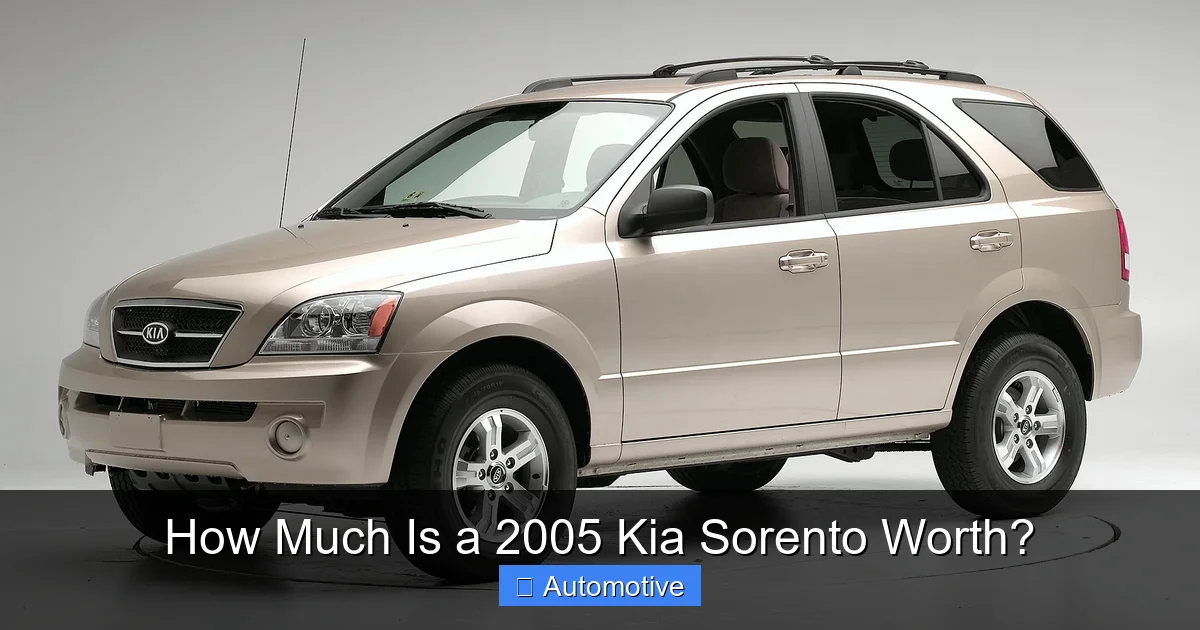
Visual guide about How Much Is a 2005 Kia Sorento Worth?
Image source: iihs.org
As of 2024, the used car market has stabilized after the pandemic-driven price spikes, but older models like the 2005 Sorento remain relatively affordable. Based on data from Kelley Blue Book (KBB), Edmunds, and recent sales on platforms like Autotrader, Cars.com, and Facebook Marketplace, here’s a realistic breakdown of what you can expect to pay.
Private Party Sale Prices
When selling directly to another individual, owners typically receive the highest return. Private sales cut out dealer overhead and allow for negotiation based on condition and urgency.
– Excellent Condition (under 100k miles, clean title, full records): $4,500–$6,000
– Good Condition (100k–130k miles, minor wear, some service history): $3,500–$4,500
– Fair Condition (130k–160k miles, cosmetic flaws, no major issues): $2,500–$3,500
– Poor Condition (over 160k miles, mechanical issues, rust, or salvage title): $1,500–$2,500
For example, a 2005 Sorento EX 4WD with 98,000 miles, leather interior, and a recent brake job recently sold on Craigslist for $5,300. Meanwhile, a high-mileage LX with transmission shudder and rust spots listed for $2,200 but ultimately sold for $1,800 after negotiation.
Dealer and Trade-In Values
Dealerships and trade-in offers are typically lower because they need to resell the vehicle at a profit. KBB’s trade-in values for a 2005 Sorento in “Good” condition range from $2,000 to $3,800, depending on trim and mileage.
– Trade-In Value (Good Condition): $2,000–$3,800
– Dealer Retail Price: $3,500–$5,500
Keep in mind that dealers may offer more for a Sorento if they’re short on inventory or if it fits a customer’s needs. But don’t expect top dollar—dealers prioritize turnover and margin.
Auction and Wholesale Prices
If you’re buying at auction or through a wholesale channel (like a dealer-only auction), prices can be even lower. These vehicles often have higher mileage, minor damage, or incomplete histories.
– Wholesale Value (Fair Condition): $1,200–$2,500
These prices are useful for mechanics, flippers, or buyers planning major repairs. For the average consumer, private sales or certified pre-owned listings are safer bets.
Common Issues That Affect Value

Visual guide about How Much Is a 2005 Kia Sorento Worth?
Image source: file.kelleybluebookimages.com
The 2005 Kia Sorento isn’t without its flaws. While many have proven reliable with proper care, several known issues can scare off buyers and drag down resale value.
Transmission Problems
One of the most common complaints about the 2005 Sorento is transmission failure. The 5-speed automatic can develop shifting delays, harsh engagements, or complete failure, especially in higher-mileage examples. Repair costs can range from $1,500 to $3,000 for a rebuild or replacement.
Buyers are wary of this issue, and a Sorento with transmission trouble will lose significant value—even if it’s otherwise clean. A documented repair or recent fluid change can help, but it’s still a red flag.
Rust and Corrosion
Rust is a major problem for first-gen Sorentos, particularly in northern states and coastal areas. The undercarriage, wheel wells, and door sills are common trouble spots. Surface rust can be treated, but structural rust compromises safety and value.
A Sorento with extensive rust might be worth 20–40% less than a rust-free counterpart. Buyers should inspect thoroughly or request a professional inspection.
Engine and Cooling System Wear
The 3.5L V6 is generally durable, but it’s not immune to issues. Overheating, oil leaks, and timing belt failures (if not replaced on schedule) can occur. The timing belt should be replaced every 60,000–100,000 miles—missing this service can lead to catastrophic engine damage.
A well-maintained engine with recent coolant flushes and belt replacements will hold value better than one with unknown service history.
Suspension and Steering Wear
With age and mileage, suspension components like ball joints, control arms, and shocks wear out. This leads to a rough ride, poor handling, and alignment issues. While not as costly as transmission work, suspension repairs can still run $500–$1,200.
A Sorento that drives smoothly and handles well will always be more valuable than one with clunks and vibrations.
Tips for Buying or Selling a 2005 Kia Sorento
Whether you’re in the market to buy or ready to sell, a little strategy goes a long way.
For Buyers: How to Get the Best Deal
– Set a Budget: Include not just the purchase price, but also taxes, registration, and potential repairs.
– Check Vehicle History: Always run a Carfax or AutoCheck report. Look for accidents, title issues, and service records.
– Get a Pre-Purchase Inspection (PPI): Spend $100–$150 to have a mechanic inspect the car. It could save you thousands.
– Negotiate Based on Condition: Use any flaws—rust, high mileage, worn tires—as leverage to lower the price.
– Compare Listings: Look at 5–10 similar Sorentos in your area to understand fair market value.
For example, if you find a Sorento listed at $5,000 but it needs new tires and has a check engine light, you might offer $4,200 and use the repair costs as justification.
For Sellers: How to Maximize Value
– Clean and Detail the Vehicle: A $100 detail can make your car look years younger and justify a higher price.
– Fix Minor Issues: Replace burnt-out bulbs, fix cracked windshields, and top off fluids. Small fixes build trust.
– Gather Maintenance Records: Organize receipts and service logs. A documented history adds credibility.
– Price Competitively: Research similar listings and price yours slightly below to attract quick offers.
– Advertise Effectively: Use high-quality photos, write a detailed description, and list on multiple platforms (Craigslist, Facebook Marketplace, Autotrader).
A well-presented Sorento with full records and recent maintenance can sell in days—even at the higher end of the price range.
Is the 2005 Kia Sorento Still a Good Buy?
Despite its age, the 2005 Kia Sorento can still be a smart purchase—if you know what to look for. It’s not the most fuel-efficient SUV (averaging 15–18 mpg), nor is it the most modern in terms of tech or safety. But for under $6,000, you get a capable, spacious vehicle that can handle daily commutes, family trips, and light off-roading.
The key is diligence. Avoid high-mileage examples with unknown histories, and prioritize models with 4WD, the EX trim, and strong maintenance records. If you’re handy with tools or have a trusted mechanic, you can often find a solid Sorento that will last another 50,000 miles with proper care.
On the flip side, if you’re looking for low maintenance, high resale value, or advanced features, you might be better off with a newer compact SUV like a Honda CR-V or Toyota RAV4—even if it costs a bit more upfront.
Ultimately, the 2005 Kia Sorento’s worth comes down to practicality and value. It won’t turn heads, but it can get the job done—and for the right buyer, that’s worth every penny.
Conclusion
So, how much is a 2005 Kia Sorento worth? The short answer: between $2,000 and $6,000, depending on condition, mileage, trim, and location. While it’s no longer a new vehicle, the Sorento remains a viable option for budget-minded buyers who need space, capability, and reliability without breaking the bank.
By understanding the factors that influence value—mileage, condition, features, and market trends—you can make a smarter decision whether you’re buying or selling. And with a little research and preparation, you can find (or sell) a 2005 Sorento that delivers great value for years to come.
Don’t let its age fool you. In the right hands, this Kia still has plenty of life left.
Frequently Asked Questions
What is the average mileage for a 2005 Kia Sorento?
The average mileage for a 2005 Kia Sorento is around 130,000 to 150,000 miles. Vehicles under 120,000 miles are considered low-mileage and command higher prices.
Can a 2005 Kia Sorento be reliable?
Yes, with proper maintenance, a 2005 Sorento can be reliable. However, watch for common issues like transmission problems and rust, which can affect longevity.
Is it worth buying a high-mileage 2005 Sorento?
It can be, if it has a clean history and recent major repairs. But budget for potential maintenance, as high-mileage vehicles are more likely to need work.
How much does it cost to maintain a 2005 Kia Sorento?
Annual maintenance costs average $400–$600 for routine service. Major repairs like transmission or suspension work can add $1,000–$3,000 over time.
Does the 2005 Sorento have 4WD?
Yes, the 2005 Kia Sorento was available with either rear-wheel drive (RWD) or four-wheel drive (4WD). 4WD models are more desirable and valuable.
What should I look for when inspecting a used 2005 Sorento?
Check for rust, transmission smoothness, engine leaks, suspension wear, and interior condition. Always get a pre-purchase inspection and vehicle history report.