
How Much Is a Tesla Model 3 Windshield?

Replacing a Tesla Model 3 windshield can cost between $500 and $1,500, depending on glass type, labor, and whether you use OEM or aftermarket parts. Insurance often covers the full cost with zero deductible, especially for comprehensive claims. Knowing your options helps you save time and money.
If you own a Tesla Model 3, you already know it’s more than just a car—it’s a tech-forward driving experience packed with innovation. From its minimalist interior to its over-the-air software updates, every detail is designed with precision. But even the most advanced vehicles aren’t immune to the occasional rock chip or cracked windshield. When that happens, one of the first questions Tesla owners ask is: How much is a Tesla Model 3 windshield?
The answer isn’t as simple as you might think. Unlike traditional cars, the Tesla Model 3’s windshield isn’t just a piece of glass—it’s an integral part of the vehicle’s advanced safety and driver assistance systems. That means replacing it involves more than just swapping out old glass for new. You’re dealing with sensors, cameras, and calibration requirements that can significantly impact the final price. Whether you’re facing a small chip that needs repair or a full windshield replacement, understanding the costs, options, and process can save you hundreds of dollars and a lot of stress.
In this guide, we’ll break down everything you need to know about Tesla Model 3 windshield pricing, from OEM vs. aftermarket choices to insurance coverage and mobile service options. We’ll also share practical tips to help you make the best decision for your budget and safety. So whether you’re a new Tesla owner or a seasoned EV enthusiast, keep reading to get the full picture on windshield replacement costs.
Key Takeaways
- Cost Range: A Tesla Model 3 windshield typically costs $500–$1,500, including parts and labor.
- OEM vs. Aftermarket: OEM glass is more expensive but ensures perfect fit and sensor compatibility; aftermarket options are cheaper but may lack precision.
- Insurance Coverage: Most comprehensive auto insurance policies cover windshield replacement with little or no deductible.
- Advanced Features Matter: Windshields with built-in sensors (like rain, light, and camera systems) require calibration, adding $100–$300 to the total cost.
- DIY Not Recommended: Due to ADAS (Advanced Driver Assistance Systems), professional installation is essential for safety and functionality.
- Mobile Service Available: Many glass repair companies offer mobile windshield replacement at your home or office for added convenience.
- Warranty Options: Some installers offer lifetime warranties on workmanship, so always ask before booking.
📑 Table of Contents
- Understanding the Tesla Model 3 Windshield
- Factors That Affect Windshield Replacement Cost
- OEM vs. Aftermarket Windshields: Which Is Right for You?
- Insurance Coverage and Windshield Replacement
- Mobile Windshield Replacement: Convenience at Your Doorstep
- DIY Windshield Replacement: Why It’s a Bad Idea
- Tips to Save Money on Tesla Model 3 Windshield Replacement
- Conclusion
Understanding the Tesla Model 3 Windshield
The Tesla Model 3 windshield is not your average piece of automotive glass. It’s a high-tech component designed to support the car’s suite of advanced driver assistance systems (ADAS), including Autopilot, automatic emergency braking, lane-keeping assist, and traffic-aware cruise control. At the top center of the windshield, behind a small black dot matrix, sits the forward-facing camera and various sensors that feed data to these systems. This means the windshield isn’t just a barrier against wind and debris—it’s a critical part of your car’s brain.
Because of this integration, replacing the windshield isn’t as simple as popping in a new piece of glass. The sensors must be carefully aligned and recalibrated after installation to ensure they function correctly. Even a minor misalignment can cause warning lights on your dashboard or, worse, disable safety features. That’s why professional installation is not just recommended—it’s essential.
Another key feature of the Model 3 windshield is its acoustic and solar properties. Tesla uses laminated acoustic glass that reduces road noise and improves cabin comfort. Many models also come with a solar-rejecting coating to help keep the interior cooler in hot weather. These features add to the cost but also enhance the driving experience. So when you’re asking, “How much is a Tesla Model 3 windshield?” you’re really asking about a high-performance, sensor-integrated piece of engineering—not just glass.
Factors That Affect Windshield Replacement Cost
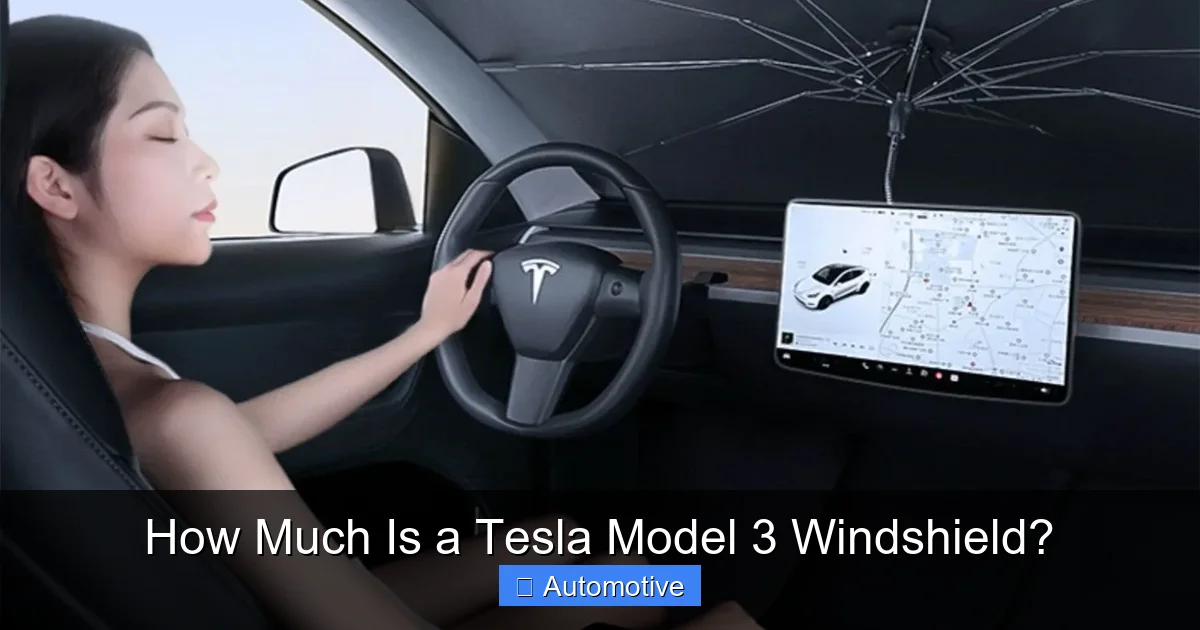
Visual guide about How Much Is a Tesla Model 3 Windshield?
Image source: tesery.com
Several factors influence the final price of a Tesla Model 3 windshield replacement. Understanding these can help you avoid surprise charges and make informed decisions.
Type of Glass: OEM vs. Aftermarket
The biggest cost driver is whether you choose Original Equipment Manufacturer (OEM) glass or an aftermarket alternative. OEM windshields are made by the same manufacturer that supplied Tesla and are designed to meet exact specifications. They ensure perfect fit, optimal sensor performance, and compatibility with Tesla’s software. However, they come at a premium—typically $800–$1,200 for the glass alone.
Aftermarket windshields, on the other hand, are produced by third-party companies and can cost 30–50% less. While many are high quality, some may not meet Tesla’s precise tolerances. This can lead to issues like poor sensor alignment, wind noise, or even water leaks. Some aftermarket options also lack the acoustic or solar coatings found in OEM glass. If you’re on a tight budget, aftermarket might seem tempting, but proceed with caution—especially if your car relies heavily on Autopilot.
Labor and Calibration Costs
Labor is another major expense. Replacing a windshield takes 2–4 hours, depending on the complexity. But with the Model 3, there’s an added step: ADAS calibration. After the new glass is installed, the forward-facing camera and sensors must be recalibrated using specialized equipment. This process ensures that features like Autosteer and collision avoidance work correctly.
Calibration typically adds $100–$300 to the total cost. Some shops include it in their quote, while others charge separately. Always ask upfront to avoid surprises. Also, not all glass shops are equipped to handle Tesla calibrations—make sure the installer has experience with EVs and ADAS systems.
Geographic Location and Shop Rates
Where you live also affects pricing. Urban areas with higher labor rates and more Tesla owners tend to have more competitive pricing, but costs can still vary widely. For example, a replacement in Los Angeles might cost $1,200, while the same service in a smaller city could be $900. Additionally, dealerships often charge more than independent glass specialists, so it’s worth getting multiple quotes.
Insurance and Deductibles
If you have comprehensive auto insurance, windshield replacement is often covered with little or no deductible—especially if the damage is due to a rock chip or debris. Many insurers consider windshield repair a safety issue and waive the deductible to encourage prompt fixes. However, if you’re paying out of pocket, the full cost will come from your wallet. Always check your policy before scheduling service.
OEM vs. Aftermarket Windshields: Which Is Right for You?
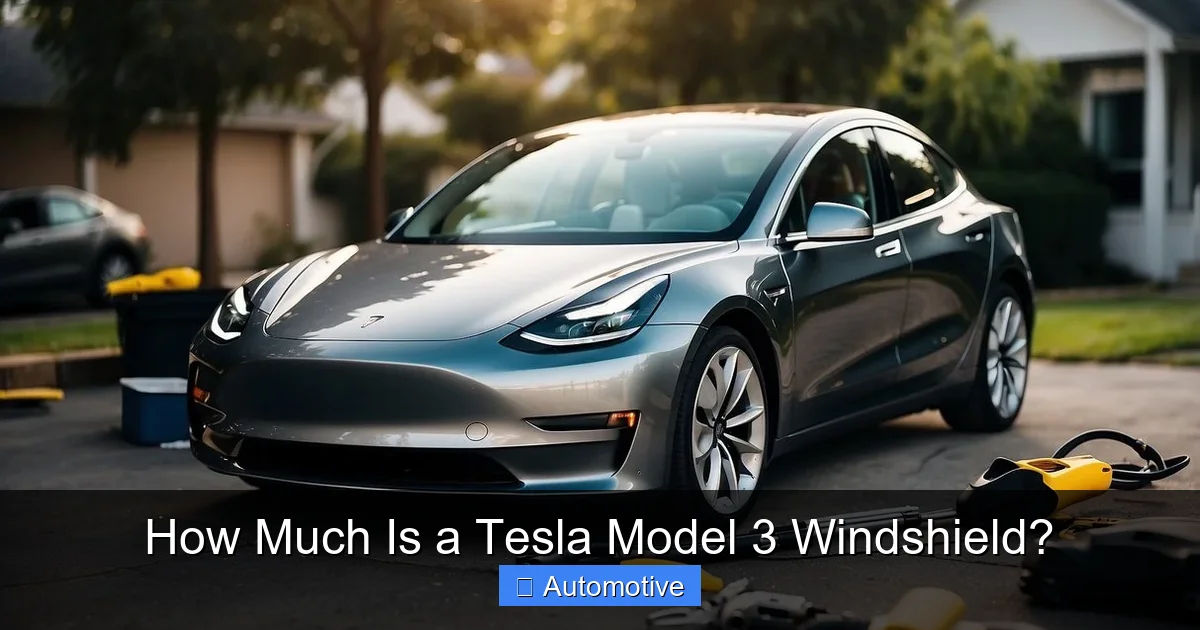
Visual guide about How Much Is a Tesla Model 3 Windshield?
Image source: koala.sh
Choosing between OEM and aftermarket glass is one of the most important decisions you’ll make when replacing your Tesla Model 3 windshield. Let’s break down the pros and cons of each.
OEM Windshields: Precision and Peace of Mind
OEM windshields are the gold standard for Tesla owners who want everything to work exactly as intended. These parts are made to Tesla’s exact specifications, ensuring a perfect fit and seamless integration with the car’s sensors and software. If you rely on Autopilot or other ADAS features, OEM is the safest choice.
Pros:
– Perfect fit and finish
– Full compatibility with sensors and cameras
– Retains acoustic and solar properties
– Often covered by Tesla’s parts warranty
Cons:
– Higher cost ($800–$1,200 for glass)
– Limited availability at some shops
– May require longer wait times
Aftermarket Windshields: Budget-Friendly Options
Aftermarket windshields are produced by companies like Safelite, Pilkington, or PGW. Many are high quality and meet or exceed OEM standards, but there’s more variability. Some aftermarket glass may not have the same curvature or sensor alignment, which can cause calibration issues.
Pros:
– Lower cost ($400–$700 for glass)
– Wider availability
– Faster turnaround at some shops
Cons:
– Potential fit and finish issues
– May lack acoustic or solar coatings
– Risk of sensor misalignment
– Not always covered by Tesla warranty
Making the Right Choice
If your Tesla is still under warranty or you use Autopilot frequently, OEM is the best investment. The peace of mind and performance are worth the extra cost. However, if you’re on a tight budget and your car is out of warranty, a reputable aftermarket option from a trusted installer can be a smart compromise—just make sure the shop has experience with Teslas and offers a warranty on both parts and labor.
Insurance Coverage and Windshield Replacement
Visual guide about How Much Is a Tesla Model 3 Windshield?
Image source: media.printables.com
One of the best ways to reduce the cost of a Tesla Model 3 windshield replacement is through insurance. Most comprehensive auto insurance policies cover windshield damage, including cracks and chips, with little or no deductible. This is because insurers recognize that a damaged windshield can compromise safety and lead to more expensive repairs down the line.
How Insurance Works for Windshield Claims
When you file a claim for windshield damage, your insurer will typically cover the full cost of repair or replacement, minus any applicable deductible. However, many companies waive the deductible for windshield-only claims, especially if the damage is minor. For example, State Farm, GEICO, and Progressive often offer zero-deductible windshield replacement as part of their comprehensive coverage.
To file a claim, contact your insurance provider and provide details about the damage. They’ll usually direct you to an approved repair shop or allow you to choose your own. Some insurers partner with national chains like Safelite, which can simplify the process.
Repair vs. Replacement: What’s Covered?
Insurance companies prefer repair over replacement when possible. If the chip or crack is small (usually under 6 inches) and not in the driver’s line of sight, repair is often sufficient and costs $50–$150. Most insurers cover this at 100% with no deductible.
However, if the damage is large, in a critical area, or affects the structural integrity of the glass, replacement is necessary. In these cases, your policy will cover the full cost, including OEM or aftermarket glass, labor, and calibration—again, often with no deductible.
Tips for Filing a Claim
– Act quickly: Small chips can spread, turning a $100 repair into a $1,000 replacement.
– Use approved shops: Some insurers require you to use their network to waive the deductible.
– Keep records: Save receipts and photos for your records.
– Ask about calibration: Ensure the shop includes ADAS recalibration in the quote.
Mobile Windshield Replacement: Convenience at Your Doorstep
One of the biggest advantages of modern windshield services is mobile replacement. Instead of driving to a shop and waiting hours, many companies now come to you—whether you’re at home, work, or even the grocery store.
How Mobile Service Works
Mobile windshield replacement involves a technician arriving in a van equipped with all the tools and materials needed to remove the old glass and install the new one. The process typically takes 2–3 hours, and you can often stay nearby while it’s done. Most mobile services offer the same quality as in-shop installations, including ADAS calibration.
Benefits of Mobile Replacement
– No need to take time off work
– Safe and convenient
– Often faster than scheduling an in-shop appointment
– Available in most urban and suburban areas
Finding a Reputable Mobile Service
Not all mobile glass companies are created equal. Look for providers with:
– Experience with Tesla vehicles
– Positive customer reviews
– Proper licensing and insurance
– Clear pricing and warranty options
Companies like Safelite, AutoGlassNow, and local specialists often offer mobile service for Tesla Model 3 windshields. Always confirm they can handle ADAS calibration before booking.
DIY Windshield Replacement: Why It’s a Bad Idea
With so many DIY tutorials online, you might be tempted to replace your Tesla Model 3 windshield yourself. But unless you’re a trained technician with specialized tools, this is a risky move.
The Risks of DIY Installation
The Tesla Model 3’s windshield is bonded to the frame with high-strength urethane adhesive. Removing the old glass without damaging the frame requires precise tools and technique. One mistake can lead to leaks, wind noise, or even structural weakness.
More importantly, the ADAS sensors must be perfectly aligned after installation. DIY calibration is nearly impossible without factory-level equipment. Even a slight misalignment can disable Autopilot or cause false warnings.
When Repair Is Enough
For small chips and cracks, DIY repair kits are available for $20–$50. These can be effective for cosmetic fixes but won’t restore structural strength. If the damage is in the driver’s line of sight or larger than a quarter, professional repair or replacement is strongly recommended.
Tips to Save Money on Tesla Model 3 Windshield Replacement
Replacing a windshield doesn’t have to break the bank. Here are some practical tips to reduce costs:
– Use insurance: File a comprehensive claim to avoid out-of-pocket expenses.
– Get multiple quotes: Compare prices from dealerships, independent shops, and mobile services.
– Ask about calibration: Ensure it’s included in the quote to avoid hidden fees.
– Choose aftermarket wisely: Opt for reputable brands with good reviews.
– Repair early: Fix chips before they spread and require full replacement.
– Check for promotions: Some shops offer discounts for first-time customers or referrals.
Conclusion
So, how much is a Tesla Model 3 windshield? The answer depends on several factors, but you can expect to pay between $500 and $1,500 for a full replacement, including parts, labor, and calibration. While that might sound steep, it reflects the advanced technology and precision engineering that goes into every Tesla.
The key to minimizing cost and maximizing safety is understanding your options. OEM glass offers the best performance and compatibility, while aftermarket can save money if chosen carefully. Insurance often covers the full cost, especially for comprehensive claims, so always check your policy first. And with mobile services now widely available, getting your windshield replaced has never been more convenient.
Remember, your Tesla’s windshield is more than just glass—it’s a vital part of your car’s safety and intelligence systems. Don’t cut corners. Choose a qualified installer, ensure proper calibration, and prioritize quality over cost. By doing so, you’ll keep your Model 3 running smoothly, safely, and efficiently for years to come.
Frequently Asked Questions
How much does a Tesla Model 3 windshield cost?
The cost of a Tesla Model 3 windshield replacement typically ranges from $500 to $1,500, including parts, labor, and ADAS calibration. Prices vary based on glass type, location, and installer.
Is Tesla Model 3 windshield replacement covered by insurance?
Yes, most comprehensive auto insurance policies cover Tesla Model 3 windshield replacement with little or no deductible, especially for rock chips or debris damage.
Can I use aftermarket glass for my Tesla Model 3?
Yes, aftermarket windshields are available and can save money, but ensure the installer has experience with Teslas and can properly calibrate the ADAS sensors.
Do I need ADAS calibration after windshield replacement?
Yes, the forward-facing camera and sensors must be recalibrated after replacement to ensure Autopilot and other safety features work correctly.
Can I replace my Tesla Model 3 windshield myself?
DIY replacement is not recommended due to the need for precise sensor alignment and structural bonding. Professional installation is required for safety and functionality.
How long does it take to replace a Tesla Model 3 windshield?
Windshield replacement typically takes 2–4 hours, including removal, installation, and ADAS calibration. Mobile services can often complete the job at your location.
