
How Much Is a 2006 Subaru Forester Worth

The 2006 Subaru Forester is a dependable, versatile SUV that still holds value well thanks to its all-wheel drive, reliability, and practicality. Depending on condition, mileage, trim, and location, you can expect to pay between $3,500 and $8,500 for a used model in 2024.
[FEATURED_IMAGE_PLACEOLDER]
If you’re in the market for a used SUV that’s rugged, reliable, and built to handle everything from snowy mountain roads to weekend camping trips, the 2006 Subaru Forester might just be the perfect fit. This compact crossover has earned a loyal following over the years thanks to its standard all-wheel drive, spacious interior, and reputation for longevity. But before you start shopping, you’re probably wondering: how much is a 2006 Subaru Forester worth?
The answer isn’t a single number—it depends on a mix of factors including mileage, trim level, mechanical condition, and where you live. In 2024, prices for this model year typically range from around $3,500 for a high-mileage, base-model example to over $8,500 for a low-mileage, well-maintained XT or XS with a clean history. That said, you can find solid deals in the $5,000–$7,000 range if you know what to look for.
Subaru built the 2006 Forester with practicality in mind. It offers generous cargo space, a high seating position, and excellent visibility—qualities that still resonate with buyers today. Whether you’re a first-time car buyer, a family looking for a safe second vehicle, or an outdoor enthusiast needing a capable hauler, the Forester delivers. And because it’s not flashy or overly luxurious, it tends to hold its value better than more trendy SUVs that depreciate quickly.
In this guide, we’ll break down everything you need to know about the 2006 Subaru Forester’s value. We’ll explore pricing trends, trim differences, common mechanical issues, and tips for getting the best deal—whether you’re buying or selling. By the end, you’ll have a clear picture of what this dependable Subaru is really worth in today’s used car market.
Key Takeaways
- Price Range: Most 2006 Subaru Foresters sell for $3,500 to $8,500, with higher trims and lower mileage commanding premium prices.
- Mileage Matters: Vehicles under 100,000 miles typically cost more, while those over 150,000 may be priced lower but still offer good value.
- Trim Levels Impact Value: The XT (turbocharged) and XS trims are more desirable and expensive than the base X or L models.
- Condition Is Key: A well-maintained Forester with service records can fetch 20–30% more than a neglected one.
- Geographic Variation: Prices are often higher in snowy or rural areas where AWD vehicles are in demand.
- Common Issues to Watch For: Head gasket failures, oil consumption, and suspension wear can affect value and should be inspected.
- Resale and Private Sale Differences: Private sellers usually get $1,000–$2,000 more than trade-in or dealer values.
📑 Table of Contents
Understanding the 2006 Subaru Forester’s Market Value
When evaluating how much a 2006 Subaru Forester is worth, it’s important to understand the current used car market dynamics. Unlike brand-new vehicles, older models like the 2006 Forester don’t follow a strict MSRP. Instead, their value is determined by supply and demand, condition, and regional preferences.
As of 2024, the used car market has stabilized after the pandemic-driven price spikes, but well-maintained, low-mileage examples of popular models like the Forester remain in demand. Subaru’s reputation for building durable, all-weather vehicles means their older models—especially those with standard AWD—continue to attract buyers in colder climates and rural areas.
According to data from Kelley Blue Book (KBB), Edmunds, and private sale listings on platforms like Craigslist and Facebook Marketplace, the average private-party sale price for a 2006 Forester falls between $5,500 and $7,000. Dealerships typically price them slightly higher, often ranging from $6,500 to $8,500, especially if the vehicle has been certified or reconditioned.
Trade-in values are generally lower, with most dealerships offering $3,000 to $5,500 depending on condition. This gap between private sale and trade-in values is common and highlights why selling privately can yield a better return if you’re willing to put in the effort.
One key factor influencing value is the vehicle’s history. A Forester with a clean title, no accidents, and consistent maintenance records will command a higher price than one with a salvage title or spotty service history. Buyers are increasingly cautious about hidden problems, so transparency can significantly boost resale value.
Factors That Influence Price
Several variables affect how much a 2006 Subaru Forester is worth. Let’s break them down:
Mileage: This is one of the biggest determinants. A Forester with under 100,000 miles is considered low-mileage for its age and will typically sell for $6,500–$8,500. Vehicles with 100,000–130,000 miles fall in the $5,000–$6,500 range, while those over 150,000 miles may drop to $3,500–$5,000—though some well-cared-for examples can still fetch more.
Trim Level: The 2006 Forester came in several trims: X, XS, XT, and the limited-edition L.L. Bean. The base X and L models are the most affordable, while the XS (with upgraded interior and features) and XT (turbocharged engine) are more desirable. The XT, in particular, appeals to driving enthusiasts and can sell for $1,000–$2,000 more than a comparable X model.
Condition: A Forester that’s been garage-kept, regularly serviced, and free of rust or major cosmetic flaws will always be worth more. Look for signs of care: clean engine bay, intact upholstery, and no smoke or pet odors. A pre-purchase inspection (PPI) can reveal hidden issues and give you leverage in negotiations.
Location: Geography plays a surprising role. In states like Colorado, Minnesota, or Vermont—where snow and rough terrain are common—AWD vehicles like the Forester are in high demand. As a result, prices can be 10–15% higher than in warmer, urban areas like Florida or Arizona.
Market Trends: The rise of remote work and outdoor recreation has increased interest in practical, versatile vehicles. The Forester fits this trend perfectly, which has helped sustain its value even as it ages.
Trim Levels and Their Impact on Value
Visual guide about How Much Is a 2006 Subaru Forester Worth
Image source: 2040-cars.com
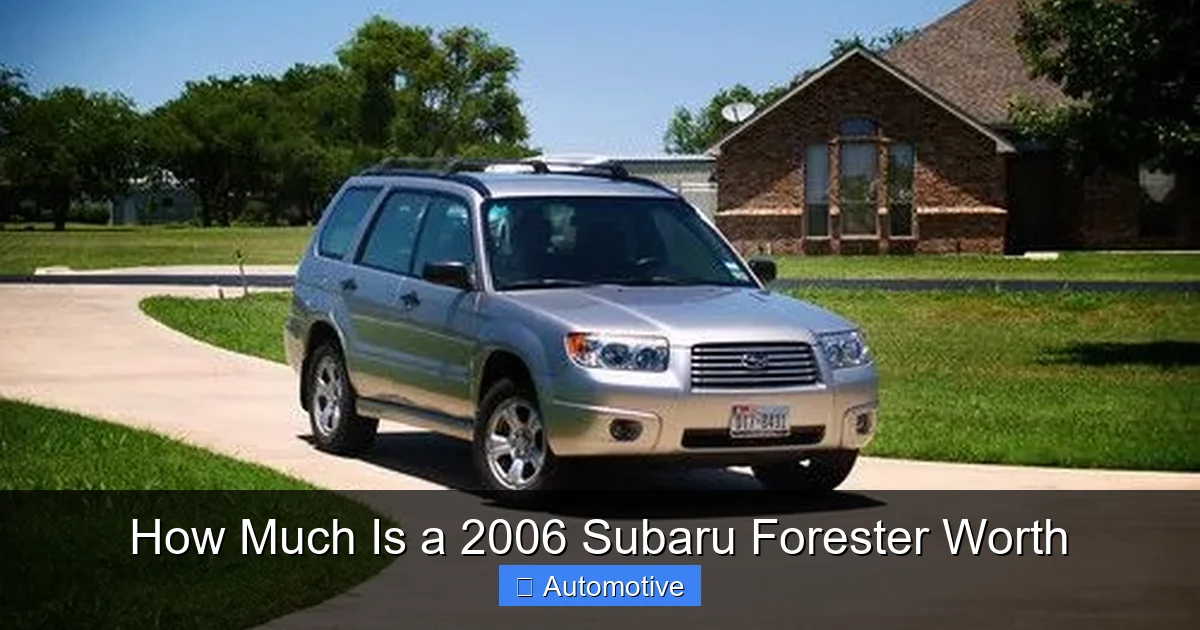
Not all 2006 Subaru Foresters are created equal. The trim level you choose can significantly affect both performance and resale value. Let’s take a closer look at the available trims and what they offer.
Base Model: Forester X and L
The X and L trims are the entry-level options. Both come with a 2.5-liter naturally aspirated 4-cylinder engine producing 165 horsepower. The L trim is essentially an X with a few extra comfort features, such as power windows and locks, and sometimes a sunroof.
These models are the most common on the used market and typically sell for $3,500–$6,000. They’re ideal for buyers who prioritize affordability and fuel efficiency (around 22–27 mpg combined) over performance. While they lack the turbocharged power of the XT, they’re still capable and reliable for daily driving and light off-roading.
Because they’re simpler and less expensive to maintain, base models often appeal to budget-conscious buyers, students, or those looking for a no-frills commuter car.
Mid-Level: Forester XS
The XS trim steps up the game with a more refined interior, upgraded audio system, and additional convenience features like automatic climate control and alloy wheels. It uses the same 2.5-liter engine as the X but often includes better suspension tuning for a smoother ride.
XS models typically sell for $5,500–$7,500, depending on mileage and condition. They strike a great balance between affordability and features, making them a popular choice for families and daily drivers.
One advantage of the XS is that it avoids the potential reliability concerns of the turbocharged XT while still offering a more premium feel than the base model.
Performance Option: Forester XT
For those who want more power, the XT trim is the way to go. It features a turbocharged 2.5-liter engine that delivers 210 horsepower and 215 lb-ft of torque—a significant upgrade over the naturally aspirated versions. This makes the XT more fun to drive, especially on highways or mountain roads.
However, the turbo engine comes with trade-offs. It requires premium fuel, consumes more oil, and can be more expensive to repair if issues arise. The head gasket and turbo system are common trouble spots if not properly maintained.
Because of its performance appeal, the XT holds its value well. Well-maintained examples with under 120,000 miles often sell for $7,000–$8,500. Enthusiasts and Subaru fans often seek out the XT, which can drive up demand in certain markets.
Special Edition: L.L. Bean
The L.L. Bean edition was a limited-run trim that added luxury touches like leather upholstery, woodgrain accents, and a premium sound system. It was based on the XS platform but aimed at buyers who wanted a more upscale experience.
These models are rare and can command a slight premium—typically $500–$1,000 more than a comparable XS—if they’re in excellent condition. However, the added features don’t always translate to higher long-term value, as leather can wear and electronics may fail over time.
Common Issues and How They Affect Value
Visual guide about How Much Is a 2006 Subaru Forester Worth
Image source: 2024subaru.com
No used car is perfect, and the 2006 Subaru Forester is no exception. While it’s known for reliability, certain mechanical issues are common and can impact its worth—especially if they haven’t been addressed.
Head Gasket Failures
One of the most well-known issues with 2000s-era Subarus is head gasket failure. The 2.5-liter engine used in the 2006 Forester is prone to this problem, especially in vehicles with over 100,000 miles. Symptoms include coolant leaks, overheating, and white smoke from the exhaust.
A failed head gasket can cost $1,500–$2,500 to repair, depending on labor rates. However, many owners have had the issue fixed, and some even upgrade to multi-layer steel (MLS) gaskets for added durability. If the repair has been done properly, it shouldn’t drastically reduce the car’s value—but a neglected Forester with signs of overheating will be worth significantly less.
Oil Consumption
Some 2006 Foresters, particularly the turbocharged XT models, are known to consume oil at a higher rate than average. This isn’t always a sign of a major problem, but it does require vigilance. Owners should check oil levels regularly and top off as needed.
High oil consumption can be a red flag for buyers, so a well-documented maintenance history showing consistent oil changes and top-offs can help maintain value. If the engine is burning excessive oil (more than a quart every 1,000 miles), it may indicate internal wear and could lower the price by $500–$1,000.
Suspension and Rust Issues
The Forester’s suspension components, including struts, control arms, and bushings, can wear out over time—especially in areas with rough roads or harsh winters. Worn suspension leads to a rough ride, poor handling, and uneven tire wear.
Rust is another concern, particularly in the wheel wells, undercarriage, and rocker panels. Salted roads accelerate corrosion, so Foresters from the Northeast or Midwest may show more rust than those from drier climates. Surface rust can be managed, but structural rust can severely impact safety and value.
A Forester with visible rust or suspension issues may sell for $1,000–$2,000 less than a clean example. A thorough inspection by a trusted mechanic is essential before purchase.
Transmission and Electrical Problems
The 2006 Forester uses a 4-speed automatic or 5-speed manual transmission. While generally reliable, the automatic can develop shift hesitation or slipping if the fluid hasn’t been changed regularly. Replacing the transmission fluid and filter every 30,000–60,000 miles can prevent issues.
Electrical problems are less common but can include faulty window switches, dashboard lights, or issues with the AWD system. These are usually minor but can be annoying and costly if multiple components fail.
How to Get the Best Value When Buying or Selling
Visual guide about How Much Is a 2006 Subaru Forester Worth
Image source: motorbiscuit.com
Whether you’re looking to buy a 2006 Subaru Forester or sell one you already own, knowing how to maximize value is key. Here are some practical tips to help you get the best deal.
For Buyers: What to Look For
Start by setting a budget and deciding which trim and features matter most to you. If you prioritize reliability and low running costs, a base X or XS with under 120,000 miles is a smart choice. If you want more power and don’t mind higher maintenance, consider an XT—but budget for potential repairs.
Always get a pre-purchase inspection (PPI) from a mechanic familiar with Subarus. This $100–$150 investment can save you thousands by uncovering hidden problems. Ask for service records, check the Carfax or AutoCheck report, and test drive the car in various conditions.
When negotiating, use any issues found during the inspection as leverage. For example, if the struts are worn or the head gasket was recently replaced, you can justify a lower offer. Be polite but firm—most private sellers are willing to negotiate, especially if the car has been listed for a while.
For Sellers: How to Maximize Your Sale Price
If you’re selling your 2006 Forester, presentation is everything. Clean the interior and exterior thoroughly, fix minor cosmetic flaws (like scratches or dents), and replace worn wiper blades or light bulbs. A well-maintained car looks more valuable—even if it’s not.
Gather all service records and create a summary of major repairs (e.g., “Head gasket replaced at 110,000 miles”). This builds trust and justifies a higher asking price. Consider getting a professional inspection and including the report with your listing.
Price your Forester competitively by researching similar listings in your area. Use platforms like KBB’s “Private Party Value” as a guide, but adjust based on condition and demand. If you’re in a snowy region, you can likely ask for a premium.
Finally, be responsive to inquiries and flexible with showing times. A quick, hassle-free buying experience can encourage offers closer to your asking price.
Regional Price Variations and Market Demand
One of the most overlooked factors in determining how much a 2006 Subaru Forester is worth is geography. Because Subarus are popular in certain regions, prices can vary significantly from one state to another.
In the Pacific Northwest, New England, and the Upper Midwest—areas with heavy snowfall and rugged terrain—AWD vehicles are in high demand. As a result, Foresters in these regions often sell for 10–20% more than the national average. For example, a clean 2006 Forester with 110,000 miles might go for $7,200 in Minnesota but only $5,800 in Texas.
Conversely, in warm, urban areas like Southern California or Florida, demand is lower. Buyers there often prefer front-wheel-drive crossovers or hybrids, so Subarus may sit on dealer lots longer and be priced more aggressively.
Rural areas also tend to have higher prices due to limited inventory. If you live in a small town with few used car options, you might pay a premium—but you could also find a great deal if a local seller is motivated.
When shopping, consider expanding your search radius. A 200-mile drive might save you $1,000 or more, especially if you’re looking for a specific trim or color.
Long-Term Value and Ownership Costs
Beyond the purchase price, it’s important to consider the long-term costs of owning a 2006 Subaru Forester. While it’s not the cheapest car to maintain, it’s far from the most expensive—especially when compared to luxury or performance SUVs.
Fuel economy is respectable: expect 22–27 mpg combined, depending on driving habits and trim. The naturally aspirated models are more efficient, while the XT will use more fuel and require premium gas.
Insurance costs are moderate. The Forester is a safe, family-friendly vehicle, which helps keep premiums low. However, rates vary by driver age, location, and coverage level.
Maintenance and repairs are where costs can add up. Regular oil changes, timing belt replacements (every 105,000 miles), and brake service are essential. Budget $500–$800 per year for routine maintenance, and set aside another $500–$1,000 for unexpected repairs.
That said, many 2006 Foresters are still on the road with 200,000+ miles, proving their durability. With proper care, this SUV can easily last another 50,000–100,000 miles—making it a smart long-term investment.
Conclusion
So, how much is a 2006 Subaru Forester worth? The answer depends on a mix of factors, but in 2024, you can expect to pay between $3,500 and $8,500 for a used model. The sweet spot for most buyers is a well-maintained XS or XT with 100,000–130,000 miles, priced around $6,000–$7,500.
This SUV remains a standout choice for its combination of practicality, reliability, and all-weather capability. Whether you’re navigating city streets or backcountry trails, the Forester delivers. And because it’s not flashy or overly complex, it holds its value better than many competitors.
If you’re buying, do your homework, get an inspection, and don’t rush. If you’re selling, clean it up, document its history, and price it fairly. Either way, the 2006 Subaru Forester continues to prove that sometimes, the best value isn’t the newest—it’s the one that’s built to last.
Frequently Asked Questions
What is the average price of a 2006 Subaru Forester in 2024?
The average price ranges from $5,500 to $7,000 for a private-party sale, depending on condition, mileage, and trim. Dealership prices are typically higher, often between $6,500 and $8,500.
Is the 2006 Subaru Forester XT worth the extra cost?
The XT offers more power and driving excitement, but it requires premium fuel and may have higher maintenance costs. It’s worth the extra cost if you value performance and can budget for potential repairs.
How many miles can a 2006 Subaru Forester last?
With proper maintenance, many 2006 Foresters exceed 200,000 miles. Regular oil changes, timing belt replacements, and addressing issues early are key to longevity.
What are the most common problems with the 2006 Forester?
Common issues include head gasket failures, oil consumption (especially in XT models), suspension wear, and rust. A pre-purchase inspection can help identify these problems.
Should I buy a 2006 Forester with over 150,000 miles?
It can be a good deal if the vehicle has been well-maintained and major repairs (like head gasket or timing belt) have been done. Budget for upcoming maintenance and get a thorough inspection.
Is it better to buy a 2006 Forester from a dealer or private seller?
Private sellers usually offer lower prices and more room for negotiation, but dealers may provide limited warranties or reconditioning. Weigh the trade-offs based on your budget and risk tolerance.
