
How Much Is Bmw Timing Chain Replacement?

BMW timing chain replacement costs typically range from $2,500 to $4,500, depending on the model, labor rates, and whether additional engine components need servicing. This critical repair prevents catastrophic engine failure, so understanding pricing and warning signs helps BMW owners make informed decisions and avoid costly surprises.
Key Takeaways
- Typical Cost Range: BMW timing chain replacement usually costs between $2,500 and $4,500, including parts and labor.
- Model Matters: Luxury and performance models like the M3 or X5 may cost more due to complex engine designs and higher labor hours.
- Early Warning Signs: Rattling noises at startup, check engine light, or rough idling can signal timing chain issues—don’t ignore them.
- Preventive Maintenance Helps: Regular oil changes with high-quality synthetic oil can extend the life of your timing chain and related components.
- DIY Not Recommended: Timing chain replacement is highly technical; improper installation can lead to engine damage and void warranties.
- Consider a Specialist: Choosing a BMW-certified mechanic or independent specialist often ensures better quality and fairer pricing than dealerships.
- Warranty and Extended Plans: Some BMWs may still be under warranty or covered by extended service plans—check before paying out of pocket.
📑 Table of Contents
How Much Is BMW Timing Chain Replacement?
If you’re a BMW owner, you already know that driving one of these German-engineered machines is a unique blend of luxury, performance, and precision. But with great engineering comes great responsibility—especially when it comes to maintenance. One of the most critical and potentially expensive repairs you might face is a timing chain replacement. So, how much is BMW timing chain replacement? The short answer: it’s not cheap. But the long answer involves understanding why it’s needed, what affects the cost, and how to avoid unnecessary expenses.
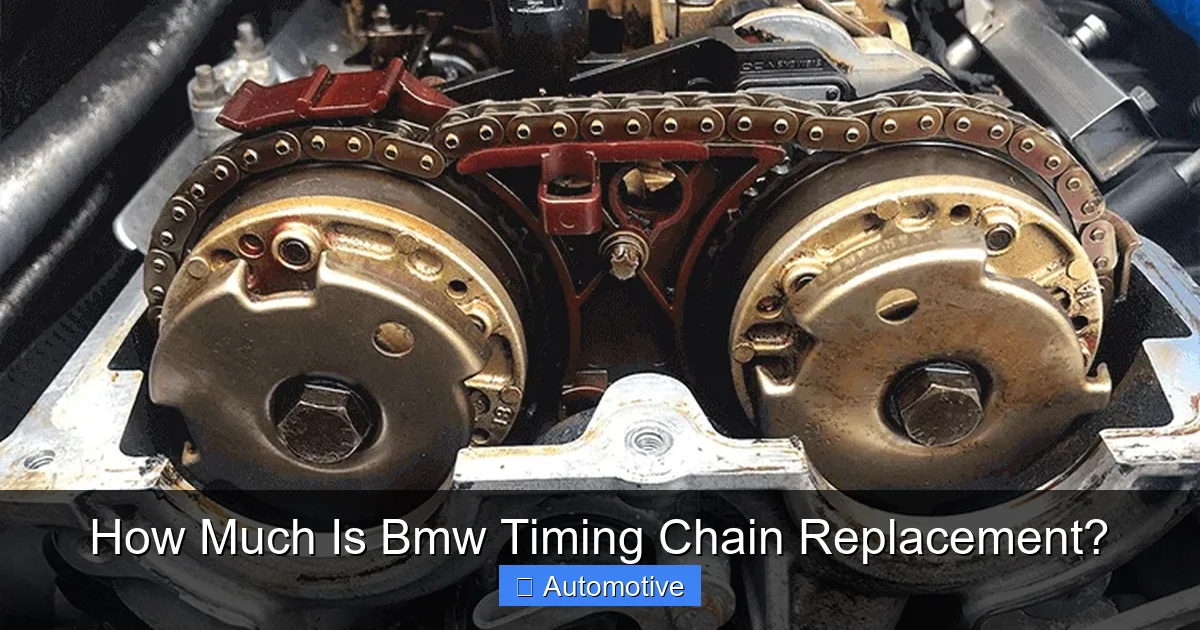
The timing chain is a vital component in your BMW’s engine. Unlike older cars that use timing belts, most modern BMWs—especially those from the mid-2000s onward—use a metal timing chain. This chain synchronizes the rotation of the crankshaft and camshaft, ensuring that the engine’s valves open and close at the right time during each combustion cycle. When it fails, the consequences can be severe: bent valves, damaged pistons, and even total engine failure. That’s why knowing the signs of a failing timing chain and understanding the replacement cost is essential for every BMW owner.
In this guide, we’ll break down everything you need to know about BMW timing chain replacement—from average costs and influencing factors to DIY risks and money-saving tips. Whether you drive a 3 Series, an X3, or a high-performance M5, this information will help you make smart decisions and protect your investment.
Average Cost of BMW Timing Chain Replacement
Visual guide about How Much Is Bmw Timing Chain Replacement?
Image source: bmwrepairdubai.com
So, how much is BMW timing chain replacement? On average, you can expect to pay between $2,500 and $4,500 for a complete timing chain replacement on most BMW models. This price includes both parts and labor, but it can vary significantly depending on several factors.
Let’s start with the parts. A genuine BMW timing chain kit—which typically includes the chain, tensioners, guides, and sometimes the oil pump—can cost anywhere from $800 to $1,500. Aftermarket kits may be slightly cheaper, but they often lack the precision and durability of OEM (Original Equipment Manufacturer) parts. Given the critical role of the timing chain, most experts recommend sticking with genuine BMW components to ensure reliability and longevity.
Labor is where the real expense kicks in. Replacing a timing chain is not a simple job. It requires removing multiple engine components, including the valve cover, front timing cover, water pump, and sometimes even the engine mounts. On average, the job takes between 8 to 12 hours of labor. At a typical BMW repair shop labor rate of $120 to $180 per hour, that adds up quickly—between $960 and $2,160 just for labor.
For example, replacing the timing chain on a 2011 BMW 328i with an N52 engine might cost around $3,200 at a dealership. The same job at an independent BMW specialist could come in closer to $2,700, thanks to lower overhead and competitive pricing. Meanwhile, a high-end model like a 2015 BMW M3 with an S55 engine might push the total cost closer to $4,500 due to the complexity of the twin-turbo setup and tighter engine tolerances.
It’s also worth noting that some BMW models are more prone to timing chain issues than others. For instance, the N20 and N26 four-cylinder engines (found in models like the 328i and X1) have a known history of premature timing chain wear, especially if maintenance has been neglected. In these cases, owners may face higher costs if additional components like the oil pump or VANOS units also need replacement.
Factors That Influence the Cost
Several key factors can push the cost of a BMW timing chain replacement higher or lower. Understanding these can help you budget and avoid surprises.
First, the model and engine type play a major role. As mentioned, performance engines like those in the M Series require more time and expertise to service. The S55 in the M3, for example, has a more complex valvetrain and turbocharging system, which increases labor hours and the risk of complications during reassembly.
Second, your location matters. Labor rates vary widely across the country. In cities like New York, Los Angeles, or Chicago, you’ll likely pay more than in smaller towns or rural areas. A shop in San Francisco might charge $180 per hour, while one in Ohio could be closer to $120.
Third, the choice of repair facility impacts the final bill. BMW dealerships offer factory-trained technicians and genuine parts, but they also charge premium prices. Independent BMW specialists often provide the same quality work at 15–30% lower costs. Some even offer warranties on their labor, which can give you peace of mind.
Finally, the condition of your engine can affect the total cost. If the timing chain has already failed or caused damage, you may need additional repairs—such as valve or piston replacement—which can add thousands to the bill. That’s why early detection is crucial.
Why BMW Timing Chains Fail
Visual guide about How Much Is Bmw Timing Chain Replacement?
Image source: bmwrepairdubai.com
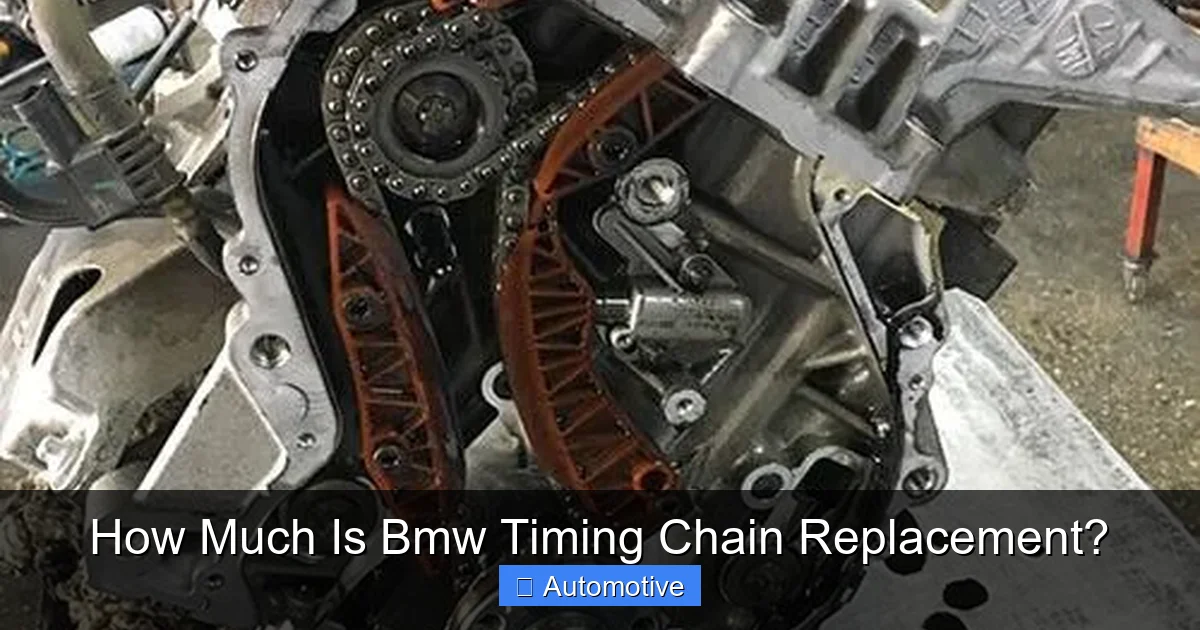
Unlike timing belts, which have a recommended replacement interval (usually every 60,000 to 100,000 miles), timing chains are designed to last the life of the engine. However, in practice, many BMW timing chains fail prematurely due to a combination of design flaws, poor maintenance, and wear over time.
One of the most common causes of timing chain failure in BMWs is oil starvation. The timing chain and its tensioners rely on a steady supply of clean, high-quality oil to function properly. If the oil is old, dirty, or the wrong viscosity, the chain can wear faster, and the tensioners may not maintain proper tension. This leads to slack in the chain, which can cause it to jump teeth or even break.
Another factor is engine design. Some BMW engines, particularly the N20 and N26, have timing chain guides made of plastic. Over time, these guides can crack or wear down, allowing the chain to move excessively. In extreme cases, a broken guide can cause the chain to derail, leading to catastrophic engine damage.
Additionally, frequent short trips and stop-and-go driving can contribute to timing chain wear. These driving conditions don’t allow the engine to reach optimal operating temperature, leading to increased condensation and sludge buildup in the oil system. Over time, this sludge can clog oil passages and reduce lubrication to the timing components.
There’s also the issue of manufacturing defects. In the early 2010s, BMW issued several technical service bulletins (TSBs) related to timing chain problems in certain models. For example, the N20 engine in the 2012–2015 328i was known to have weak chain tensioners that could fail as early as 60,000 miles. While BMW offered extended warranties for some affected vehicles, many owners still faced expensive repairs out of pocket.
Common Symptoms of a Failing Timing Chain
Recognizing the early warning signs of a failing timing chain can save you from a much costlier repair down the road. Here are the most common symptoms to watch for:
– Rattling noise at startup: A loud rattling or clattering sound from the engine, especially during cold starts, is a classic sign of a loose or worn timing chain. This noise usually lasts for a few seconds but can become more persistent as the problem worsens.
– Check engine light: A failing timing chain can trigger the check engine light, often with codes related to camshaft or crankshaft position (such as P0012 or P0015). These codes indicate that the engine’s timing is off.
– Rough idling or stalling: If the timing chain is stretched or jumping teeth, the engine may run unevenly at idle or even stall unexpectedly.
– Reduced engine performance: You might notice a loss of power, hesitation during acceleration, or poor fuel economy—all signs that the engine isn’t firing correctly.
– Metal shavings in the oil: If you perform an oil change and notice fine metal particles in the oil filter or drain pan, it could indicate excessive wear in the timing chain or related components.
If you experience any of these symptoms, it’s important to have your BMW inspected by a qualified mechanic as soon as possible. Continuing to drive with a failing timing chain can result in severe engine damage and a repair bill that far exceeds the cost of a timely replacement.
DIY vs. Professional Replacement: What You Need to Know
Visual guide about How Much Is Bmw Timing Chain Replacement?
Image source: costhack.com
Given the high cost of professional timing chain replacement, some BMW owners wonder if they can tackle the job themselves. While it’s technically possible, we strongly advise against it—unless you’re an experienced mechanic with the right tools and a deep understanding of BMW engines.
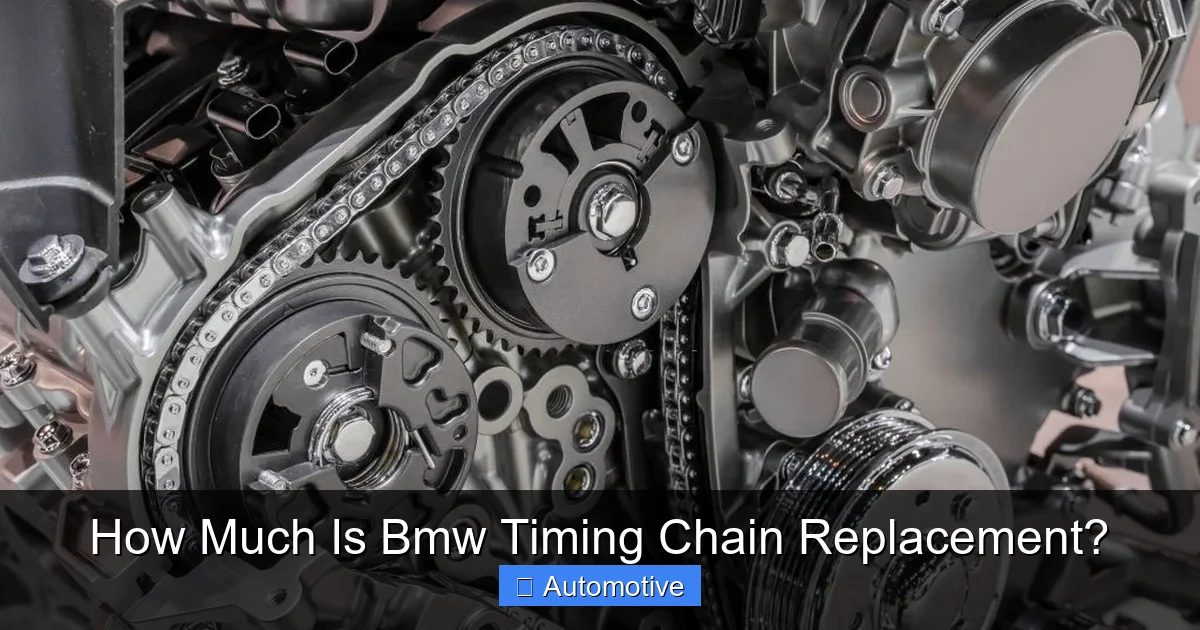
Replacing a timing chain is one of the most complex jobs you can do on a car. It requires precise alignment of the crankshaft and camshaft, correct torque specifications for all bolts, and careful handling of sensitive components like the VANOS system. Even a small mistake—like misaligning the timing by a single tooth—can cause the engine to run poorly or fail completely.
Moreover, BMW engines are tightly packed, and accessing the timing chain often requires removing multiple components. On some models, you may need to lift the engine out of the car or remove the subframe. This isn’t a job for a weekend warrior with basic tools.
That said, if you’re determined to go the DIY route, here are a few tips to increase your chances of success:
– Use a factory service manual (not just a generic repair guide) for your specific BMW model and engine.
– Invest in a quality timing chain locking tool kit to ensure proper alignment.
– Replace all related components—tensioners, guides, oil pump—while you’re in there, even if they seem fine.
– Take photos at every step to help with reassembly.
– Consider having a BMW specialist review your work before starting the engine.
But again, for most owners, the risks far outweigh the savings. A professional repair ensures the job is done correctly, often comes with a warranty, and protects your engine from further damage.
Choosing the Right Repair Shop
When it comes to timing chain replacement, not all repair shops are created equal. Here’s how to find the right one:
– Look for BMW specialists: Independent shops that focus exclusively on BMWs often have the expertise and tools to handle complex jobs like timing chain replacement.
– Check certifications: ASE certification and BMW factory training are good indicators of a qualified technician.
– Read reviews: Sites like Google, Yelp, and Bimmerpost can give you insight into a shop’s reputation and customer service.
– Ask about warranties: A reputable shop should offer a warranty on both parts and labor—typically 12 months or 12,000 miles.
– Get multiple quotes: Don’t settle for the first estimate. Compare prices from at least two or three shops to ensure you’re getting a fair deal.
Preventive Maintenance to Avoid Costly Repairs
The best way to avoid a $4,000 timing chain replacement is to prevent the problem from happening in the first place. Fortunately, there are several steps you can take to extend the life of your timing chain and keep your BMW running smoothly.
First and foremost, follow BMW’s recommended maintenance schedule. This includes regular oil changes every 7,500 to 10,000 miles (or sooner if you drive in harsh conditions) using high-quality synthetic oil that meets BMW’s Longlife specifications (such as LL-01 or LL-04). Clean oil is essential for lubricating the timing chain and preventing sludge buildup.
Second, avoid short trips whenever possible. As mentioned earlier, frequent cold starts and short drives don’t allow the engine to fully warm up, which can lead to oil contamination and increased wear. If you must make short trips, consider using a block heater in colder climates to help the engine reach operating temperature faster.
Third, use premium fuel. BMW engines are designed to run on high-octane gasoline (91 octane or higher). Using lower-octane fuel can cause knocking and increased stress on engine components, including the timing chain.
Finally, listen to your car. If you hear unusual noises or notice performance issues, don’t ignore them. Early detection can mean the difference between a $3,000 repair and a $10,000 engine rebuild.
Extended Warranties and Recalls
If your BMW is still under warranty—either the original factory warranty or an extended service plan—you may be covered for timing chain replacement. BMW has issued several extended warranties for known timing chain issues, particularly on the N20 and N26 engines. For example, some 2012–2015 328i models received a 7-year/100,000-mile coverage extension for timing chain-related failures.
Even if your warranty has expired, it’s worth checking with your local BMW dealership to see if your vehicle qualifies for any goodwill repairs or technical service bulletins. In some cases, BMW may offer partial reimbursement or a discounted repair, especially if the issue is a known defect.
Additionally, if your timing chain fails due to a manufacturing defect, you may have legal recourse under lemon laws or consumer protection statutes, depending on your state and the age of your vehicle.
Conclusion: Is It Worth the Cost?
So, how much is BMW timing chain replacement? As we’ve seen, the answer is typically between $2,500 and $4,500—a significant expense, but one that pales in comparison to the cost of engine replacement, which can exceed $10,000.
While the price tag may seem steep, it’s important to remember that the timing chain is a critical component. Ignoring the problem can lead to catastrophic engine failure, leaving you stranded and facing an even larger bill. By investing in a professional replacement at the first sign of trouble, you’re protecting your BMW’s performance, reliability, and resale value.
The key is to act early, choose a qualified repair shop, and prioritize preventive maintenance. With proper care, your BMW’s timing chain should last well beyond 100,000 miles—and you’ll enjoy many more miles of smooth, powerful driving.
Frequently Asked Questions
How much does it cost to replace a timing chain on a BMW?
The average cost to replace a BMW timing chain ranges from $2,500 to $4,500, including parts and labor. Prices vary based on the model, engine type, and location of the repair shop.
Can I drive my BMW with a bad timing chain?
No, driving with a failing timing chain is extremely risky. It can cause the engine to lose timing, leading to bent valves, piston damage, or complete engine failure.
How long do BMW timing chains last?
BMW timing chains are designed to last the life of the engine, but many fail prematurely—sometimes as early as 60,000 to 80,000 miles—due to poor maintenance or design flaws.
Is timing chain replacement covered under warranty?
Some BMW models with known timing chain issues may be covered under extended warranties or technical service bulletins. Check with your dealership to see if your vehicle qualifies.
Can I replace the timing chain myself?
While possible, DIY timing chain replacement is not recommended unless you’re an experienced mechanic. The job is complex and mistakes can cause severe engine damage.
What are the signs of a failing timing chain?
Common signs include a rattling noise at startup, check engine light, rough idling, reduced performance, and metal shavings in the oil. Address these symptoms promptly to avoid costly repairs.