
How Much Can You Get for Scrapping a Car?

Scrapping a car can earn you anywhere from $100 to over $1,000, depending on weight, condition, and location. The value is mostly based on the vehicle’s metal content, but other factors like parts and demand also play a role.
[FEATURED_IMAGE_PLACEOLDER]
Key Takeaways
- Weight matters most: Heavier cars with more steel and aluminum yield higher scrap payouts.
- Location impacts price: Scrap metal prices vary by region due to supply, demand, and transportation costs.
- Condition affects value: A car with reusable parts or fluids removed may fetch more than a stripped shell.
- Timing is key: Scrap metal prices fluctuate weekly—selling when prices are high boosts your return.
- Choose the right buyer: Licensed recyclers and junkyards often pay more than private buyers or towing services.
- Prepare your paperwork: Having the title and registration ready speeds up the process and avoids delays.
- Remove personal items and fluids: This helps meet safety standards and may increase your payout.
📑 Table of Contents
How Much Can You Get for Scrapping a Car?
So, your old car has finally called it quits. Maybe it’s been sitting in the driveway for months, or it failed its last inspection. You’ve decided it’s time to let it go—but not before getting a little cash out of it. That’s where scrapping comes in.
But how much can you actually get for scrapping a car? The answer isn’t always straightforward. It depends on a mix of factors, from the car’s weight to the current price of steel. Some people walk away with just $100, while others pocket over $1,000. The good news? With a little know-how, you can maximize what you earn.
In this guide, we’ll break down everything you need to know about scrapping your car—from what determines its value to how to find the best buyer. Whether you’re dealing with a rusted-out sedan or a totaled SUV, this article will help you turn that clunker into cold, hard cash.
What Determines the Value of a Scrap Car?
Visual guide about How Much Can You Get for Scrapping a Car?
Image source: greenwayautorecycling.com
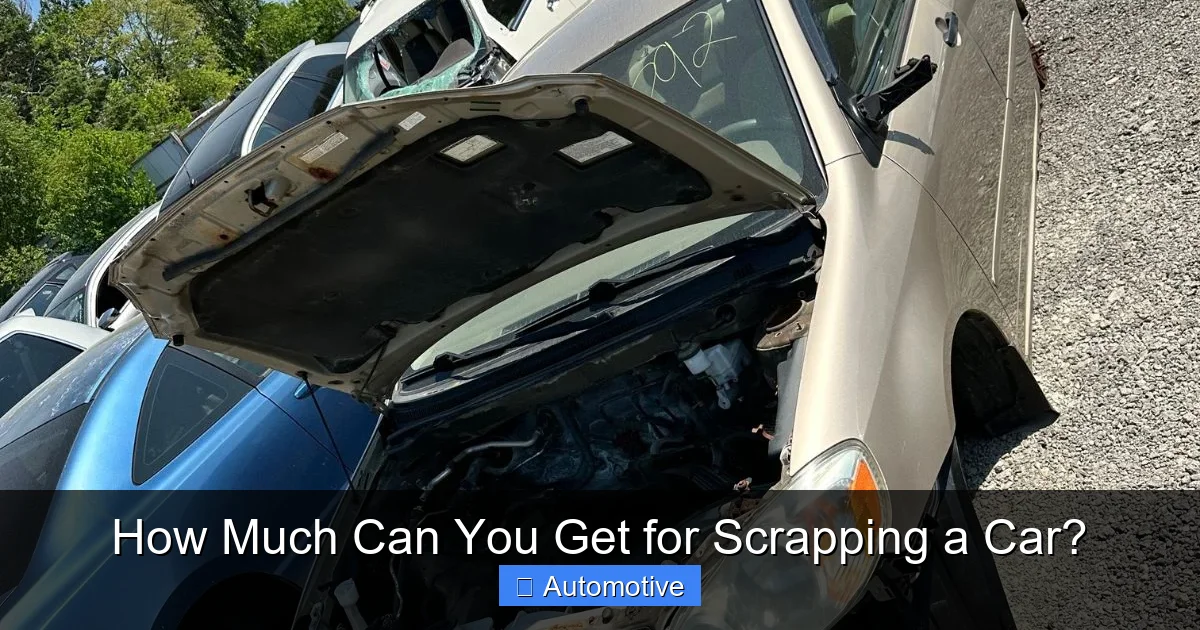
When it comes to scrapping a car, the biggest factor is weight. Most scrap yards pay by the pound, and the heavier your vehicle, the more it’s worth. That’s because cars are mostly made of steel, aluminum, and other recyclable metals. The more metal, the higher the payout.
But weight isn’t the only thing that matters. The condition of the car, the current market price for scrap metal, and even your location can all influence how much you get. Let’s dig into these factors one by one.
Vehicle Weight and Metal Content
A typical passenger car weighs between 2,500 and 4,000 pounds. Larger vehicles like trucks and SUVs can weigh 5,000 pounds or more. Since scrap yards pay based on weight, heavier vehicles naturally bring in more money.
For example, if a scrap yard pays $150 per ton (2,000 pounds), a 3,000-pound car would earn you about $225. A 5,000-pound truck could get you $375. That’s a big difference just based on size.
But not all metal is created equal. Steel is the most common metal in cars and makes up about 60% of the average vehicle. Aluminum is lighter but more valuable per pound. Some newer cars use more aluminum in the engine, wheels, and body panels, which can increase their scrap value.
Copper and brass are also found in wiring, radiators, and some engine parts. These metals are worth more than steel, so cars with intact radiators or catalytic converters (which contain precious metals like platinum) can fetch a higher price.
Current Scrap Metal Prices
Scrap metal prices aren’t fixed—they change weekly based on global supply and demand. When steel prices are high, you’ll get more for your car. When they’re low, your payout drops.
For example, in early 2023, the average price for shredded auto scrap was around $250 per ton. By mid-2024, it had dropped to about $180 per ton. That means a 3,000-pound car that might have earned $375 a year ago could now only get you $270.
To stay ahead, check local scrap metal prices before selling. Websites like ScrapMonster or iScrap App show real-time prices by region. If prices are low, you might consider waiting a few weeks—or selling quickly if you need cash fast.
Car Condition and Usable Parts
A car that’s completely stripped—no engine, no wheels, no fluids—will be worth less than one that still has usable parts. Some scrap yards will pay extra for intact components like batteries, alternators, or catalytic converters.
For instance, a catalytic converter can be worth $50 to $300 on its own, depending on the car and metal content. A working battery might add another $20 to $50. If your car still runs or has valuable parts, you could get more by selling those separately before scrapping the shell.
On the flip side, a car filled with oil, coolant, or gasoline is a hazard. Most scrap yards won’t accept it until fluids are drained. Removing these yourself can save time and may increase your payout.
Location and Local Demand
Where you live plays a big role in how much you’ll get. Scrap yards in urban areas with high demand for metal often pay more than rural yards with lower overhead. Transportation costs also matter—yards closer to steel mills or ports can afford to pay more.
For example, a scrap yard in Los Angeles might pay $200 per ton, while one in rural Kansas pays $150. That’s a $50 difference per ton—meaning a 3,000-pound car could earn $75 more in the city.
Additionally, some states have stricter environmental regulations, which can affect pricing. California, for instance, requires proper fluid disposal and documentation, which may reduce the net payout unless you handle it yourself.
Average Payouts for Scrapping a Car
Visual guide about How Much Can You Get for Scrapping a Car?
Image source: greenwayautorecycling.com
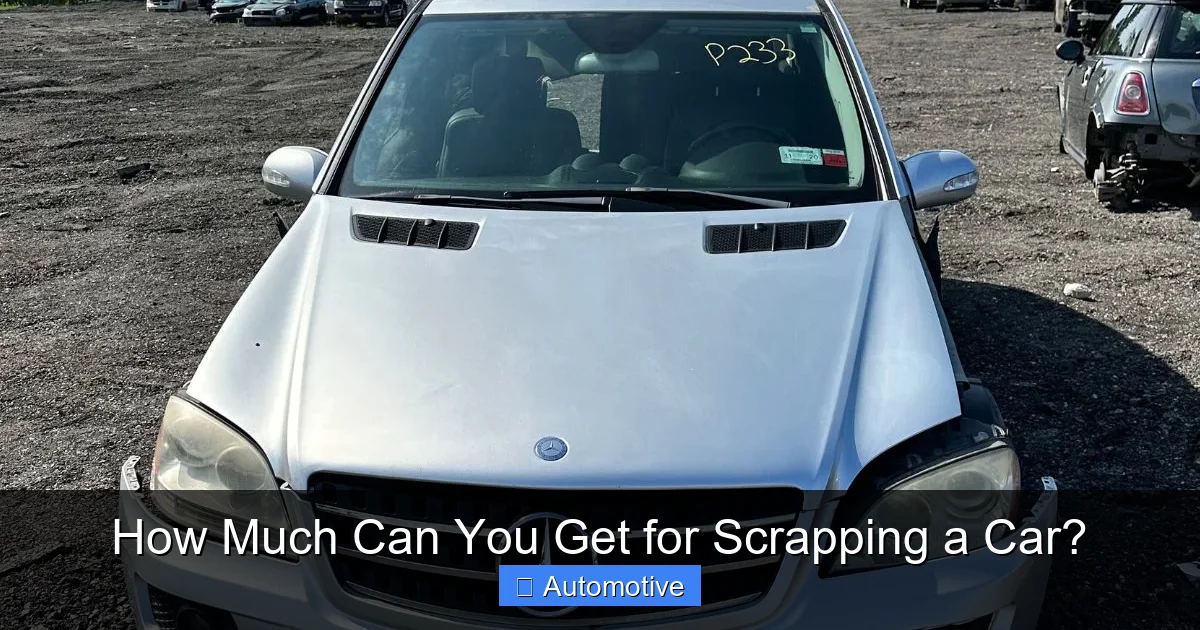
So, what’s the real-world average? Most people get between $100 and $500 for a standard passenger car. Larger vehicles like trucks or SUVs can bring in $500 to $1,000 or more.
Let’s look at some real examples:
– A 2005 Honda Civic (about 2,800 pounds) might earn $200–$300.
– A 2010 Ford F-150 (around 5,000 pounds) could get $400–$600.
– A luxury SUV like a 2012 BMW X5 (over 4,500 pounds) with intact parts might fetch $500–$800.
These numbers assume average scrap metal prices and a car in decent condition. If metal prices spike or your car has valuable components, you could earn even more.
Keep in mind, some companies offer “free towing” but pay less for the car itself. Others might quote a high price upfront but deduct fees for towing or processing. Always ask for a detailed breakdown before agreeing to anything.
How to Maximize Your Scrap Car Value
Visual guide about How Much Can You Get for Scrapping a Car?
Image source: greenwayautorecycling.com
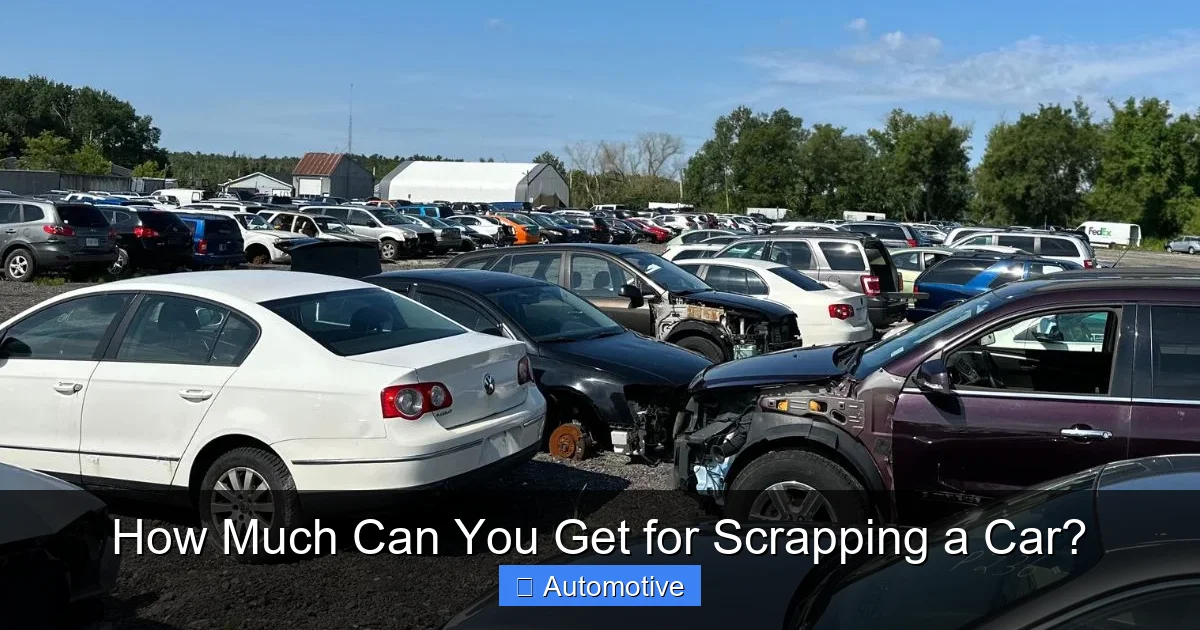
Want to get the most cash for your clunker? Here are some proven tips to boost your payout.
Remove Valuable Parts First
Before scrapping, consider removing and selling high-value parts. Catalytic converters, batteries, alternators, and even wheels can be sold separately for more than their scrap value.
For example, a catalytic converter from a Toyota Prius can sell for $200–$400 online. A set of alloy wheels might fetch $100–$300. Selling these parts yourself—even on platforms like eBay or Craigslist—can add hundreds to your total.
Just make sure you’re legally allowed to sell them. Some states require documentation for catalytic converters, and you’ll need to drain fluids from parts like radiators.
Drain All Fluids
Scrap yards won’t accept cars with oil, coolant, or gasoline inside. These fluids are hazardous and must be disposed of properly. Removing them yourself not only meets safety requirements but can also increase your payout.
Most auto parts stores will take used oil and antifreeze for free. Gasoline can be used in another vehicle or stored safely. Once drained, your car is ready for scrap—and you avoid any deductions.
Choose the Right Scrap Yard
Not all scrap yards are created equal. Some are licensed, transparent, and pay fair prices. Others are fly-by-night operations that lowball you.
Look for yards that are members of the Institute of Scrap Recycling Industries (ISRI) or have good reviews on Google or Yelp. Call ahead to ask about pricing, towing fees, and required paperwork.
You can also get quotes from multiple yards and compare offers. Some even offer online estimators where you enter your car’s make, model, and weight for an instant quote.
Time Your Sale Right
Scrap metal prices fluctuate, so timing matters. If you’re not in a rush, wait for a price spike. Check weekly price reports and sell when steel or aluminum prices are high.
For example, if shredded auto scrap jumps from $180 to $220 per ton, a 3,000-pound car goes from $270 to $330—a $60 difference. Over a few months, that could add up.
Have Your Paperwork Ready
Most states require a title and registration to scrap a car. Without them, you may not be able to sell it legally. If you’ve lost the title, contact your local DMV to get a duplicate.
Some scrap yards will accept a bill of sale or notarized affidavit, but it’s best to have the title. Having everything ready speeds up the process and avoids last-minute delays.
The Scrapping Process: Step by Step
Scrapping a car doesn’t have to be complicated. Here’s a simple step-by-step guide to make it smooth and stress-free.
Step 1: Decide If Scrapping Is the Best Option
Before scrapping, consider other options. Could you sell it privately? Trade it in? Donate it for a tax deduction?
A running car with minor issues might sell for $1,000–$3,000 on Craigslist. Even a non-running car could fetch $500–$1,000 if it has good parts. Scrapping is best for cars that are beyond repair or not worth the effort to sell.
Step 2: Remove Personal Items and Valuables
Go through the car thoroughly. Check the glove box, trunk, under seats, and door pockets. Remove any personal belongings, documents, or valuables.
Also, take out the spare tire, jack, and any aftermarket accessories you want to keep.
Step 3: Drain Fluids and Remove Batteries
Drain the oil, coolant, brake fluid, and gasoline. Use proper containers and dispose of them at a recycling center.
Remove the battery—it’s valuable and often accepted separately. Some scrap yards pay extra for it.
Step 4: Get Quotes from Multiple Scrap Yards
Call or visit local scrap yards and junkyards. Ask for a quote based on your car’s weight and condition.
Compare prices, towing fees, and payment methods. Some pay cash, others by check. Avoid yards that won’t give a firm quote.
Step 5: Schedule Pickup or Drop-Off
Once you choose a yard, schedule a time to drop off the car or have it towed. Make sure you have the title and ID ready.
If the yard offers free towing, confirm there are no hidden fees. Some charge for mileage or after-hours service.
Step 6: Complete the Transaction
At the yard, they’ll weigh the car and inspect it. You’ll sign over the title and receive payment.
Keep a copy of the bill of sale and the title transfer for your records. This protects you if the car is later found on the road.
Common Mistakes to Avoid
Even with the best intentions, people make mistakes when scrapping cars. Here are a few to watch out for.
Not Checking Scrap Metal Prices
Selling during a price dip can cost you hundreds. Always check current rates before accepting an offer.
Choosing the First Offer You Get
Don’t rush. Get at least three quotes to ensure you’re getting a fair deal.
Forgetting to Remove Fluids
A car with oil or gas inside may be rejected or result in a lower payout. Always drain fluids first.
Not Having the Title
Without a title, you can’t legally transfer ownership. Get a duplicate from the DMV if needed.
Selling to an Unlicensed Buyer
Unlicensed scrap dealers may not follow environmental laws. They might also pay less or disappear after taking your car.
Environmental and Legal Considerations
Scrapping a car isn’t just about money—it’s also about responsibility. Old cars contain hazardous materials that can harm the environment if not handled properly.
Proper Fluid Disposal
Oil, coolant, and brake fluid are toxic. Never dump them on the ground or down a drain. Take them to a recycling center or auto shop.
Catalytic Converter Theft
Catalytic converters are valuable and often targeted by thieves. If you remove yours to sell, store it safely and consider selling it through a trusted recycler.
State Regulations
Each state has rules for scrapping cars. Some require a certificate of destruction. Others mandate that the car be crushed or recycled within a certain time.
Check your state’s Department of Motor Vehicles (DMV) website for specific requirements.
Alternatives to Scrapping
Scrapping isn’t your only option. Depending on your car’s condition, you might get more money—or help a good cause—through other routes.
Sell It Privately
Even a non-running car can sell for parts or restoration. List it on Facebook Marketplace, Craigslist, or OfferUp. Be honest about the condition.
Trade It In
Some dealerships accept non-running cars as trade-ins. You might get a credit toward a new vehicle, though the value will be low.
Donate It
Charities like Goodwill or the Salvation Army accept car donations. You get a tax deduction, and the charity sells or recycles it. Just make sure the organization is reputable.
Use a Cash-for-Cars Service
Companies like Cash Cars Buyer or Peddle offer quick quotes and free towing. They often pay more than scrap yards because they resell or part out the car.
Conclusion
So, how much can you get for scrapping a car? The answer depends on weight, metal prices, condition, and location—but most people earn between $100 and $1,000.
The key to maximizing your payout is preparation. Remove valuable parts, drain fluids, check scrap prices, and choose a reputable buyer. With a little effort, you can turn that old car into real cash.
And remember, scrapping isn’t just about money. It’s also about recycling, reducing waste, and doing your part for the environment. When done right, scrapping a car is a win-win.
Whether you’re saying goodbye to a trusty old sedan or a beat-up truck, now you know how to get the most out of it. So go ahead—call that scrap yard, grab your title, and turn that clunker into cash.
Frequently Asked Questions
How much can I get for scrapping a car?
Most people receive between $100 and $500 for a standard car, while larger vehicles like trucks can earn $500 to $1,000 or more. The exact amount depends on weight, metal prices, and condition.
Do I need the title to scrap a car?
Yes, in most states you need the car’s title to legally transfer ownership. If you’ve lost it, contact your local DMV to get a duplicate before selling.
Can I scrap a car that doesn’t run?
Absolutely. Non-running cars can still be scrapped for their metal and parts. Just make sure fluids are drained and the title is available.
How do I find the best scrap yard?
Look for licensed, ISRI-member yards with good reviews. Get quotes from at least three locations and compare prices, fees, and services.
Should I remove parts before scrapping?
Yes, removing valuable parts like catalytic converters, batteries, and wheels can increase your total earnings. Sell them separately for more than their scrap value.
Do scrap yards pay cash?
Some do, but many pay by check to comply with anti-theft and tax regulations. Ask about payment methods when getting a quote.
