
How Much Is an Oil Change for a Volkswagen

An oil change for a Volkswagen typically costs between $70 and $150, depending on the model, oil type, and service location. Dealerships charge more than independent shops, but offer factory-trained technicians and genuine parts.
Key Takeaways
- Typical Cost Range: Most Volkswagen oil changes cost between $70 and $150, with luxury or performance models on the higher end.
- Oil Type Matters: Synthetic oil is standard for most modern VW models and increases the price compared to conventional oil.
- Dealership vs. Independent Shop: Dealerships often charge 20–40% more but provide OEM parts and certified technicians.
- Model-Specific Variations: High-performance models like the Golf R or Arteon may require more oil and specialized filters, raising costs.
- Additional Services Add Up: Many shops include inspections, fluid top-offs, or tire rotations, which can increase the total bill.
- DIY Savings Possible: Doing it yourself can cut costs in half, but requires tools, knowledge, and proper disposal methods.
- Maintenance Plans Help: Some VW owners benefit from prepaid maintenance packages that lock in lower oil change rates.
📑 Table of Contents
How Much Is an Oil Change for a Volkswagen? A Complete Guide
If you own a Volkswagen—whether it’s a compact Jetta, a sporty Golf GTI, or a sleek Atlas SUV—you know that regular maintenance is key to keeping your car running smoothly. One of the most essential and frequent services is the oil change. But how much is an oil change for a Volkswagen, exactly? The answer isn’t one-size-fits-all. Costs can vary widely based on your model, where you live, the type of oil used, and who performs the service.
In this guide, we’ll break down everything you need to know about Volkswagen oil change pricing. We’ll explore average costs, what influences them, where to get the best value, and how to decide whether to go to a dealership, an independent mechanic, or tackle it yourself. Whether you’re a first-time VW owner or a long-time enthusiast, this article will help you make informed decisions and keep your car in top shape without overspending.
Average Cost of a Volkswagen Oil Change
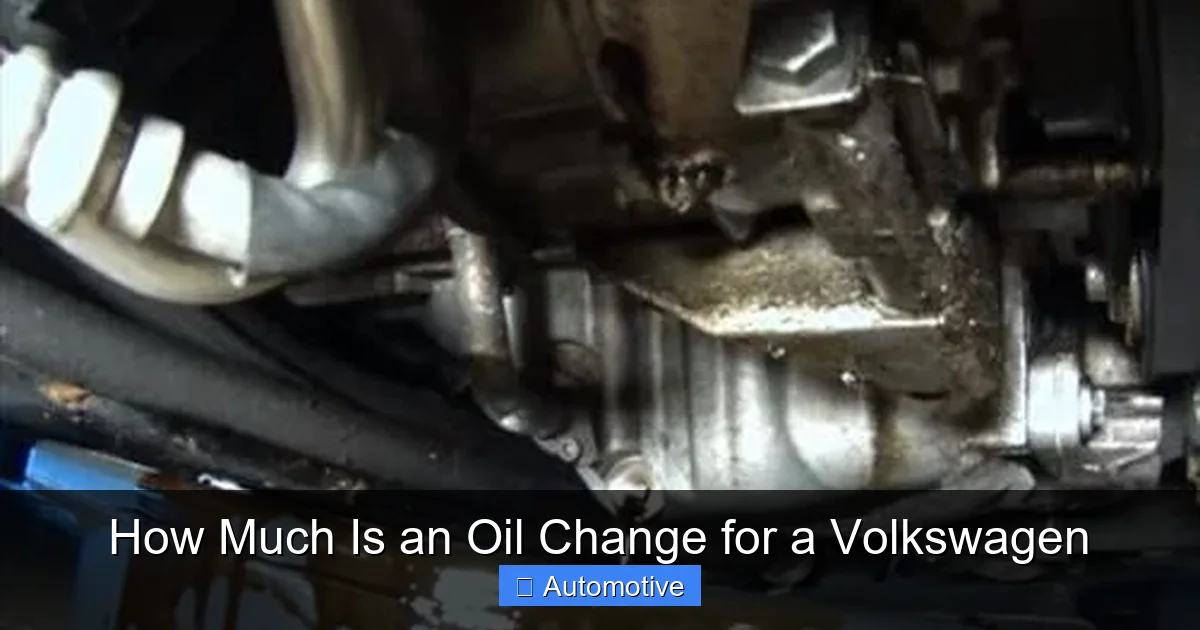
Visual guide about How Much Is an Oil Change for a Volkswagen
Image source: backyardmechanic.org
So, how much is an oil change for a Volkswagen? On average, you can expect to pay between $70 and $150 for a standard oil change at a professional service center. This range covers most popular models like the Jetta, Passat, Tiguan, and Golf. However, high-performance or luxury variants such as the Golf R, Arteon, or Touareg may push the cost closer to $150–$200 due to larger oil capacities and specialized requirements.
Let’s look at some real-world examples. A basic oil change for a 2020 Volkswagen Jetta at a dealership might cost around $90, while the same service at an independent shop could be $75. Meanwhile, a 2022 Volkswagen Golf R—equipped with a turbocharged engine and requiring full synthetic oil—might cost $130 at a dealership and $110 at a trusted local mechanic.
It’s also worth noting that prices can fluctuate based on geographic location. Urban areas like New York, Los Angeles, or Chicago tend to have higher labor rates, which can increase the overall cost. In contrast, rural areas or smaller towns may offer more competitive pricing.
Why the Price Range Exists
The $70–$150 range isn’t arbitrary. Several factors contribute to this variation. First, labor costs differ between service providers. Dealerships typically charge higher labor rates because they employ factory-trained technicians and use original equipment manufacturer (OEM) parts. Independent shops may have lower overhead and can pass those savings to customers.
Second, the type of oil used plays a major role. Most modern Volkswagen models require synthetic oil, which is more expensive than conventional oil. A quart of high-quality synthetic oil can cost $8–$12, compared to $4–$6 for conventional. Since most VW engines need 4.5 to 6 quarts, this adds up quickly.
Third, the oil filter matters. OEM filters are designed specifically for Volkswagen engines and often last longer and perform better than aftermarket alternatives. While they cost more upfront—typically $10–$20—they can prevent engine issues down the road.
What’s Included in the Price?
When you pay for an oil change, you’re not just paying for oil and a filter. Most reputable shops include a multi-point inspection as part of the service. This usually involves checking fluid levels (coolant, brake fluid, transmission fluid), inspecting belts and hoses, examining tire condition, and scanning for warning lights.
Some dealerships and chain shops also offer complimentary services like topping off windshield washer fluid, vacuuming the interior, or washing the exterior. While these extras don’t drastically increase the cost, they add value and convenience.
However, be cautious of upsells. Technicians may recommend additional services like fuel system cleaners, engine flushes, or cabin air filter replacements. While some of these can be beneficial, they’re not always necessary during every oil change. Always ask for a breakdown of costs and whether each service is recommended or optional.
Factors That Influence Oil Change Costs
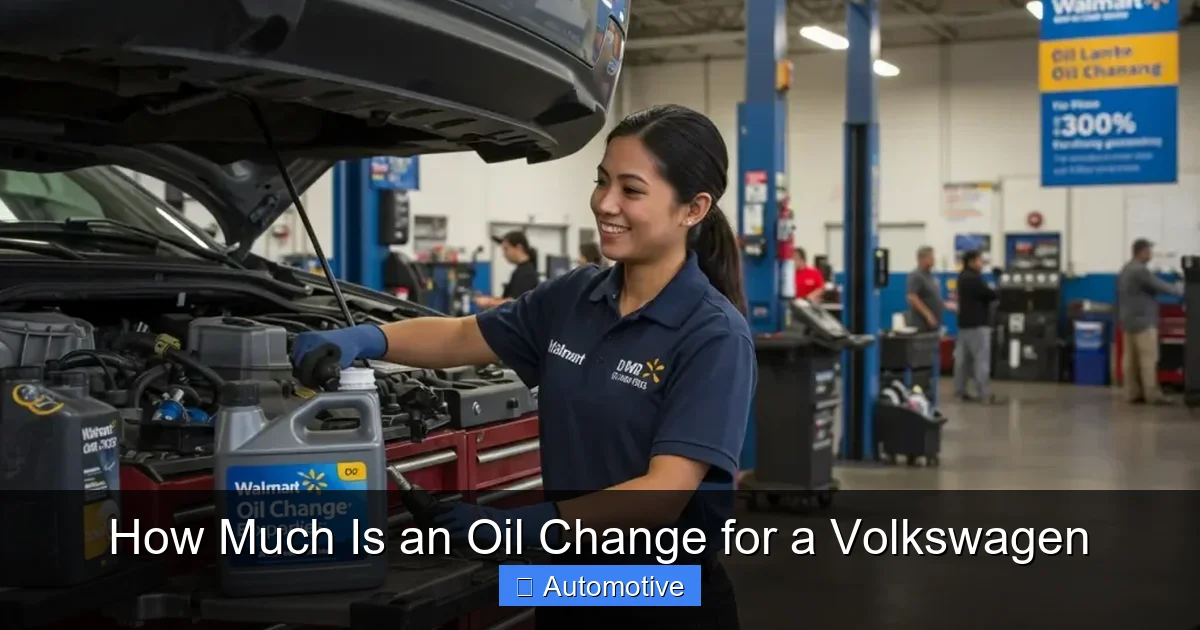
Visual guide about How Much Is an Oil Change for a Volkswagen
Image source: carsrevup.com
Understanding what affects the price of your Volkswagen oil change can help you budget better and avoid surprise charges. Let’s dive into the key factors that determine how much you’ll pay.
1. Vehicle Model and Engine Type
Not all Volkswagen models are created equal when it comes to oil changes. Smaller engines, like the 1.4L or 2.0L four-cylinders found in the Jetta or Tiguan, typically require less oil and simpler filters, keeping costs lower. In contrast, performance-oriented models like the Golf GTI or Golf R have turbocharged engines that demand higher-quality synthetic oil and more frequent changes.
For example, a 2021 Volkswagen Jetta with a 1.4L engine might need 4.5 quarts of oil, while a 2023 Golf R with a 2.0L turbocharged engine could require 5.7 quarts. More oil means a higher material cost, which gets passed on to you.
Additionally, some models have unique oil pan designs or require special tools for draining, which can increase labor time and cost.
2. Type of Oil Required
Volkswagen has strict oil specifications for its engines. Most modern VW models require synthetic oil that meets VW 502.00, 504.00, or 507.00 standards. These specifications ensure the oil can handle high temperatures, resist sludge buildup, and protect turbocharged components.
Synthetic oil is more expensive than conventional oil, but it offers better performance and longer intervals between changes. For example, a 5-quart oil change using conventional oil might cost $50 in materials, while the same amount of synthetic oil could cost $75–$90.
Using the wrong oil can void your warranty or damage your engine, so it’s crucial to use the correct type. Always check your owner’s manual or consult a VW specialist to confirm the right oil specification for your vehicle.
3. Service Provider: Dealership vs. Independent Shop
One of the biggest decisions you’ll make is where to get your oil change. Dealerships, independent mechanics, and chain shops (like Jiffy Lube or Valvoline) all offer oil change services, but their pricing and quality can vary significantly.
Dealerships typically charge the most—often 20–40% more than independent shops. However, they use OEM parts, factory-trained technicians, and have access to the latest technical service bulletins. This can be especially important for newer models or vehicles still under warranty.
Independent shops are usually more affordable and can provide excellent service, especially if they specialize in European cars. Many independent mechanics have experience with Volkswagen engines and can offer competitive pricing without sacrificing quality.
Chain shops are convenient and often run promotions, but they may use generic parts or less experienced technicians. While they can be a good option for basic maintenance, they may not be the best choice for complex or high-performance VW models.
4. Geographic Location
Where you live plays a role in how much you’ll pay. Labor rates vary by region, and urban areas with higher costs of living tend to have more expensive auto services. For instance, an oil change in San Francisco might cost $120, while the same service in Omaha could be $85.
Even within the same city, prices can differ. A dealership in a high-end shopping district may charge more than one in a suburban area. It’s always worth calling around or checking online reviews to compare prices in your area.
5. Additional Services and Inspections
Many shops bundle oil changes with other services, which can increase the total cost. Common add-ons include:
– Cabin air filter replacement ($30–$60)
– Engine air filter replacement ($25–$50)
– Tire rotation ($20–$40)
– Fluid top-offs (free or $5–$10)
– Brake inspection (free or $15–$30)
While some of these services are beneficial, others may not be necessary every time. For example, cabin air filters typically need replacement every 15,000–30,000 miles, so replacing it every oil change is overkill.
Always ask for a detailed estimate before agreeing to any additional work. This helps you avoid unnecessary expenses and ensures you’re only paying for what your car actually needs.
Dealership vs. Independent Mechanic: Which Is Better?

Visual guide about How Much Is an Oil Change for a Volkswagen
Image source: weldingtroop.com
When it comes to getting your Volkswagen oil change, you have two main options: a dealership or an independent mechanic. Each has its pros and cons, and the best choice depends on your priorities—cost, convenience, expertise, or warranty concerns.
Dealership Advantages
– **Factory-Trained Technicians:** Dealership mechanics undergo specific training from Volkswagen and are familiar with the latest models and technologies.
– **OEM Parts:** They use genuine Volkswagen oil filters and fluids, which are designed to meet exact specifications.
– **Warranty Compliance:** If your car is under warranty, getting service at a dealership ensures you stay compliant and avoid potential issues.
– **Diagnostic Tools:** Dealerships have access to advanced diagnostic equipment that can detect hidden problems.
Dealership Disadvantages
– **Higher Prices:** Labor and parts are typically more expensive.
– **Longer Wait Times:** Appointments may be harder to get, and service can take longer.
– **Upselling Pressure:** Technicians may push unnecessary services to increase revenue.
Independent Mechanic Advantages
– **Lower Costs:** Labor rates are often 20–40% less than dealerships.
– **Flexible Scheduling:** Many independent shops offer same-day service or walk-ins.
– **Personalized Service:** You may build a relationship with your mechanic and get more tailored advice.
– **Specialization:** Some shops focus exclusively on European cars and have deep expertise with Volkswagen engines.
Independent Mechanic Disadvantages
– **Variable Quality:** Not all independent shops are created equal. Some may lack experience with VW-specific issues.
– **Aftermarket Parts:** They may use non-OEM filters or fluids, which could affect performance or warranty.
– **Limited Diagnostics:** Smaller shops may not have the latest diagnostic tools.
How to Choose
If your Volkswagen is under warranty or you drive a high-performance model, a dealership may be the safer choice. For older models or routine maintenance, a trusted independent mechanic can save you money without sacrificing quality.
Always check reviews, ask for recommendations, and verify that the shop uses the correct oil and filter specifications for your vehicle. A good mechanic will be happy to explain their process and show you the parts they’re using.
DIY Oil Change: Is It Worth It?
For the hands-on VW owner, doing your own oil change can be a rewarding and cost-effective option. But is it worth the effort? Let’s break down the pros, cons, and steps involved.
Cost Savings
A DIY oil change can cut your costs in half. For example, if a professional oil change costs $100, doing it yourself might cost $50–$60 for oil and a filter. Over time, these savings add up—especially if you change your oil every 5,000–7,500 miles.
What You’ll Need
To change your own oil, you’ll need:
– Correct synthetic oil (check your owner’s manual for type and quantity)
– OEM or high-quality aftermarket oil filter
– Oil filter wrench
– Socket wrench and drain pan
– Funnel
– Jack and jack stands or ramps (if needed)
– Gloves and rags
– Oil disposal container
Step-by-Step Process
1. **Warm Up the Engine:** Run the car for a few minutes to thin the oil, making it easier to drain.
2. **Lift the Car:** Use a jack and jack stands or drive onto ramps for access.
3. **Drain the Oil:** Place the drain pan under the oil pan, remove the drain plug, and let the oil flow out completely.
4. **Replace the Filter:** Remove the old filter, lubricate the new filter’s gasket with fresh oil, and install it.
5. **Refill with Oil:** Replace the drain plug, use a funnel to add the correct amount of oil, and check the dipstick.
6. **Dispose of Old Oil:** Take used oil and filters to a recycling center or auto parts store.
Risks and Considerations
While DIY oil changes save money, they come with risks. Over-tightening the drain plug can strip threads, and using the wrong oil or filter can damage your engine. Improper disposal of used oil is also harmful to the environment.
If you’re not confident in your mechanical skills, it’s better to leave it to a professional. However, with the right tools and attention to detail, many VW owners successfully perform their own oil changes and enjoy the satisfaction of hands-on maintenance.
Tips to Save Money on Your Volkswagen Oil Change
No one likes paying more than necessary for car maintenance. Here are some practical tips to help you save money on your next Volkswagen oil change without compromising quality.
1. Compare Prices Online
Use websites like OpenBay, RepairPal, or Yelp to compare oil change prices in your area. Many shops list their rates online, and some even offer digital coupons or discounts for first-time customers.
2. Look for Promotions
Dealerships and chain shops frequently run promotions, especially during slower seasons. Look for “$10 off your next oil change” or “free tire rotation with service” deals. Signing up for email newsletters can give you early access to these offers.
3. Join a Maintenance Plan
Some Volkswagen dealerships offer prepaid maintenance plans that include oil changes at a fixed rate. If you plan to keep your car for several years, these plans can save you money and provide peace of mind.
4. Use Independent Shops for Older Models
Once your warranty expires, consider switching to an independent mechanic. They often provide the same quality service at a lower price, especially for routine maintenance like oil changes.
5. Combine Services
If your car needs other services—like a brake inspection or tire rotation—ask if the shop offers a discount for bundling. This can reduce the overall cost per service.
6. Buy Your Own Oil and Filter
Some independent shops allow you to bring your own oil and filter, which can save $10–$20. Just make sure they’re compatible with your VW model and meet the required specifications.
Conclusion
So, how much is an oil change for a Volkswagen? The answer depends on several factors, including your model, oil type, service provider, and location. On average, you’ll pay between $70 and $150, with higher costs for performance models and dealership services.
While price is important, it’s not the only factor to consider. Using the correct oil, getting a thorough inspection, and choosing a qualified technician are all crucial for maintaining your Volkswagen’s performance and longevity.
Whether you go to a dealership, an independent shop, or do it yourself, regular oil changes are a small investment that pays big dividends in engine health and resale value. By understanding the costs and options available, you can make smart decisions that keep your VW running smoothly for years to come.
Frequently Asked Questions
How often should I change the oil in my Volkswagen?
Most modern Volkswagen models require an oil change every 5,000 to 7,500 miles, or once a year, whichever comes first. Check your owner’s manual for the exact interval, as some turbocharged engines may need more frequent changes.
Can I use conventional oil in my Volkswagen?
No, most Volkswagen engines require synthetic oil that meets specific VW standards (like 502.00 or 504.00). Using conventional oil can lead to engine damage and may void your warranty.
Is it safe to get an oil change at a chain shop like Jiffy Lube?
Yes, but make sure they use the correct synthetic oil and filter for your VW model. Chain shops can be convenient and affordable, but verify their expertise with European vehicles.
Will changing my own oil void my Volkswagen warranty?
No, as long as you use the correct oil and filter and keep records of the service. The Magnuson-Moss Warranty Act protects consumers who perform their own maintenance.
Why is a Volkswagen oil change more expensive than other brands?
Volkswagen engines often require high-quality synthetic oil, specialized filters, and precise specifications. These factors, combined with labor costs, contribute to the higher price compared to some other brands.
What happens if I skip an oil change?
Skipping oil changes can lead to sludge buildup, reduced engine performance, overheating, and eventually engine failure. Regular oil changes are essential for protecting your Volkswagen’s engine and maintaining its value.
