
How Much Is an Oil Change for a Volkswagen?

The cost of an oil change for a Volkswagen typically ranges from $75 to $150, depending on the model, location, and service provider. Using synthetic oil, dealership services, and added maintenance can increase the price, but regular oil changes are essential for engine longevity and performance.
Key Takeaways
- Typical cost range: Most Volkswagen oil changes cost between $75 and $150, with luxury or performance models on the higher end.
- Oil type matters: Volkswagen recommends synthetic oil for most models, which is more expensive than conventional oil but offers better engine protection.
- Dealership vs. independent shop: Dealerships often charge more but use OEM parts and trained technicians; independent shops may offer lower prices with quality service.
- Location impacts price: Urban areas and high-cost-of-living regions tend to have higher labor rates, increasing the overall cost.
- Additional services add up: Many shops bundle oil changes with inspections, fluid top-offs, or tire rotations, which can increase the final bill.
- DIY can save money: Experienced owners can perform oil changes at home for under $50, but it requires tools, time, and proper disposal methods.
- Regular maintenance pays off: Following the recommended oil change interval helps prevent costly engine repairs and maintains resale value.
📑 Table of Contents
- How Much Is an Oil Change for a Volkswagen? A Complete Guide
- Average Cost of a Volkswagen Oil Change
- Factors That Affect the Price of a Volkswagen Oil Change
- Where to Get Your Volkswagen Oil Changed
- How Often Should You Change the Oil in a Volkswagen?
- Tips to Save Money on Volkswagen Oil Changes
- Conclusion
How Much Is an Oil Change for a Volkswagen? A Complete Guide
So, you’ve got a Volkswagen—maybe a sleek Jetta, a rugged Tiguan, or a sporty Golf GTI—and you’re wondering, “How much is an oil change for a Volkswagen?” It’s a smart question. Regular oil changes are one of the simplest yet most important ways to keep your car running smoothly, efficiently, and for years to come. But unlike older cars that might only need a quick $30 oil swap, modern Volkswagens come with specific requirements that can affect the price.
The good news? You’re not alone in asking. Many VW owners are surprised to learn that their oil change isn’t as straightforward—or as cheap—as it used to be. That’s because most Volkswagen models today require synthetic oil, have tighter engine tolerances, and often come with advanced engine management systems. All of this means that while the basic task of changing oil hasn’t changed, the materials, labor, and expertise required have evolved.
In this guide, we’ll break down everything you need to know about the cost of an oil change for a Volkswagen. We’ll look at average prices, what factors influence the cost, where you can get it done, and how to save money without cutting corners. Whether you’re a first-time VW owner or a seasoned enthusiast, this article will help you make informed decisions about maintaining your vehicle.
Average Cost of a Volkswagen Oil Change
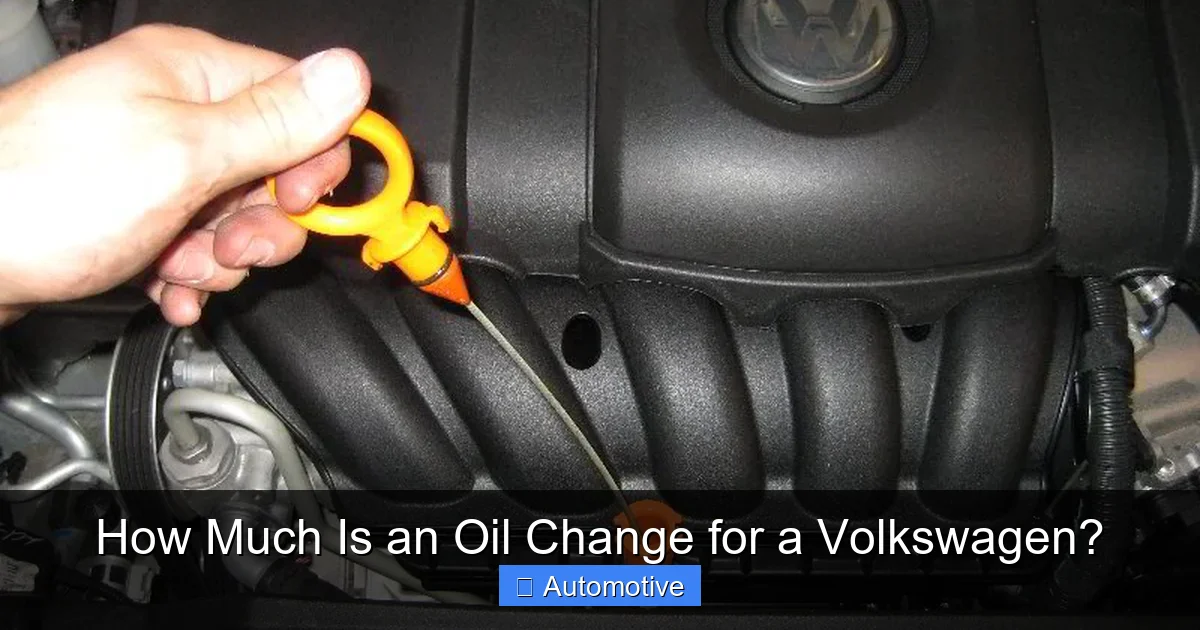
Visual guide about How Much Is an Oil Change for a Volkswagen?
Image source: paulstravelpictures.com
So, how much is an oil change for a Volkswagen? On average, you can expect to pay between $75 and $150 for a standard oil change at a professional service center. This range covers most popular models like the Jetta, Passat, Tiguan, and Golf. However, high-performance or luxury models such as the Golf R, Arteon, or Touareg may cost more—sometimes up to $175 or higher—due to larger oil capacities, specialized filters, or more complex engine designs.
Let’s look at some real-world examples. A 2022 Volkswagen Jetta with a 1.4L turbocharged engine typically requires about 4.8 quarts of synthetic oil and a new oil filter. At a dealership, this service might cost around $110 to $130. At an independent mechanic, the same job could be completed for $85 to $105. Meanwhile, a 2023 Volkswagen Tiguan with a 2.0L engine needs about 5.7 quarts of oil, pushing the cost closer to $120–$150 at a dealership.
It’s also worth noting that prices can vary significantly based on where you live. For instance, an oil change in San Francisco or New York City might cost 20–30% more than in a smaller city like Omaha or Raleigh. Labor rates, local taxes, and shop overhead all play a role in the final price.
Why Are Volkswagen Oil Changes More Expensive?
You might be wondering why a VW oil change costs more than, say, a Toyota or Honda. The main reason is the type of oil required. Most modern Volkswagen engines are designed to run on full synthetic oil, which is more expensive than conventional or even synthetic blend oils. Synthetic oil offers superior lubrication, better performance in extreme temperatures, and longer intervals between changes—but it comes at a higher price per quart.
For example, a quart of conventional oil might cost $5–$7, while a quart of high-quality synthetic oil can run $8–$12. Since most VW engines need 5–6 quarts, the oil alone can cost $40–$70. Add in the oil filter (typically $10–$20), labor ($30–$60), and shop fees, and you quickly see how the total climbs.
Another factor is the oil filter design. Many Volkswagen models use a cartridge-style filter instead of a traditional spin-on filter. This means the housing must be opened, the old cartridge removed, and a new one installed—a process that takes a bit more time and care. Some shops charge extra for this, while others include it in the standard labor rate.
Factors That Affect the Price of a Volkswagen Oil Change

Visual guide about How Much Is an Oil Change for a Volkswagen?
Image source: volkswagenbuddy.com
Now that you know the average cost, let’s dig into the variables that can make your oil change more or less expensive. Understanding these factors will help you compare quotes, avoid surprise charges, and make smarter decisions about where and how to service your VW.
1. Model and Engine Type
Not all Volkswagens are created equal when it comes to oil changes. Smaller engines like the 1.4L in the Jetta or 1.5L in the Taos are relatively simple and require less oil, keeping costs lower. Larger engines, such as the 2.0L turbo in the Golf GTI or the 3.6L VR6 in older Passats, need more oil and sometimes special filters, increasing the price.
Performance models like the Golf R or Arteon often have more complex cooling and lubrication systems, which can require additional steps during an oil change. Some high-output engines also recommend or require specific oil formulations (like VW 502 00 or 504 00 certified oils), which are more expensive and harder to find.
2. Type of Oil Used
As mentioned earlier, synthetic oil is the standard for most modern Volkswagens. But not all synthetic oils are the same. Volkswagen recommends oils that meet specific VW standards, such as VW 502 00, 504 00, or 507 00. These certifications ensure the oil is formulated to protect your engine’s turbocharger, timing chain, and other critical components.
Using a non-certified oil—even if it’s synthetic—can void your warranty or lead to premature engine wear. That’s why many dealerships and reputable shops only use VW-approved oils, which cost more than generic brands. For example, a 5-quart jug of Mobil 1 ESP Formula (VW 504 00 approved) might cost $50, while a generic synthetic blend could be $30.
3. Service Provider: Dealership vs. Independent Shop
Where you get your oil change done has a big impact on price. Dealerships typically charge more—often 20–40% higher than independent mechanics—but they offer several advantages. First, they use genuine Volkswagen parts and OEM-approved oils. Second, their technicians are factory-trained and familiar with VW-specific issues. Third, service records from a dealership can help maintain your car’s resale value.
Independent shops, on the other hand, often have lower overhead and can pass the savings to you. Many use high-quality aftermarket oils and filters that meet or exceed VW specifications. The key is to find a reputable shop with experience working on European cars. Look for certifications like ASE (Automotive Service Excellence) or membership in organizations like the Independent Automobile Dealers Association.
4. Geographic Location
Location plays a surprising role in oil change pricing. In cities with a high cost of living—like Los Angeles, Chicago, or Boston—labor rates are higher, and so are service costs. A $90 oil change in Atlanta might cost $120 in Seattle. Rural areas often have lower prices, but fewer specialists who work on European vehicles.
Even within the same city, prices can vary. A shop in a busy downtown area might charge more than one in a suburban strip mall. It’s always worth calling around or checking online reviews to compare prices and service quality.
5. Additional Services and Packages
Many service centers offer “oil change packages” that include extras like tire rotation, fluid top-offs, brake inspections, or multipoint inspections. While these can be convenient, they also increase the total cost. A basic oil change might be $85, but a “premium package” with tire rotation and fluid checks could push the price to $130.
Some dealerships also recommend additional services during an oil change, such as replacing the cabin air filter or checking the transmission fluid. While these may be necessary, they’re not always required at every oil change. Be sure to ask what’s included and whether each service is recommended or optional.
Where to Get Your Volkswagen Oil Changed
Visual guide about How Much Is an Oil Change for a Volkswagen?
Image source: m.media-amazon.com
Now that you understand the cost factors, let’s talk about where you can get your oil change done. Each option has its pros and cons, so the best choice depends on your budget, location, and comfort level.
Volkswagen Dealership
Getting your oil change at a VW dealership ensures that your car is serviced by trained technicians using genuine parts and approved oils. This is especially important if your vehicle is still under warranty, as using non-OEM parts or improper procedures could void coverage.
Dealerships also have access to technical service bulletins (TSBs) and software updates that independent shops might not. For example, some VW models have known issues with oil consumption or timing chain wear, and dealerships may perform additional checks during routine maintenance.
The downside? Higher prices and potentially longer wait times. Appointments are recommended, and you might pay a premium for the convenience and expertise.
Independent Mechanics and European Specialty Shops
Independent mechanics often offer lower prices and faster service. Many specialize in European cars and have the tools and knowledge to work on Volkswagens properly. Look for shops that advertise “VW specialists” or have good reviews from other VW owners.
These shops may use high-quality aftermarket oils and filters that meet VW specifications. Just make sure they document the oil type and filter used, especially if you’re concerned about warranty or resale value.
Quick Lube Chains (Use with Caution)
Places like Jiffy Lube, Valvoline, or Midas can be convenient, but they’re not always the best choice for a Volkswagen. Many quick lube chains are set up for domestic and Asian vehicles and may not have the right tools or expertise for European cars.
For example, some VW models require a special tool to remove the oil drain plug or access the oil filter housing. If the technician isn’t familiar with these quirks, they might damage components or over-tighten fittings. Additionally, not all chains carry VW-approved synthetic oils.
That said, some larger chains have improved their European car services. If you choose this route, call ahead to confirm they can handle your specific VW model and oil requirements.
Do It Yourself (DIY)
For the hands-on owner, doing your own oil change can save a lot of money. A DIY oil change for a Volkswagen typically costs $40–$60, including oil, filter, and a new drain plug washer (recommended).
You’ll need:
– 5–6 quarts of VW-approved synthetic oil
– A new oil filter (cartridge type for most models)
– A socket wrench and oil filter housing tool
– An oil drain pan
– Funnel and gloves
– A new crush washer for the drain plug
The process takes about 30–45 minutes once you’re set up. Be sure to dispose of the old oil properly—most auto parts stores accept used oil for free.
The biggest advantage of DIY is cost savings and knowing exactly what went into your car. The downside is the time, mess, and risk of mistakes (like overfilling or cross-threading the drain plug). If you’re not confident, it’s better to leave it to a professional.
How Often Should You Change the Oil in a Volkswagen?
Volkswagen recommends changing the oil every 10,000 miles or 12 months, whichever comes first—for most newer models. This is based on the use of high-quality synthetic oil and modern engine designs that are more efficient and durable.
However, this interval can vary depending on your driving habits. If you frequently drive in stop-and-go traffic, extreme temperatures, or dusty conditions, you may need to change the oil more often—every 5,000 to 7,500 miles. This is known as “severe driving conditions,” and VW acknowledges it in their maintenance schedules.
Your car’s onboard computer also monitors oil life and will display a message when it’s time for a change. Don’t ignore this warning—delaying an oil change can lead to sludge buildup, reduced engine performance, and even engine damage.
Checking Your Oil Level
Unlike older cars, most modern Volkswagens don’t have a traditional dipstick. Instead, you check the oil level using the instrument cluster or infotainment system. To do this:
1. Turn the ignition to “on” (but don’t start the engine).
2. Navigate to the “Vehicle” or “Service” menu.
3. Select “Oil Level” or “Oil Quality.”
4. Wait a few seconds for the system to measure and display the level.
The system will show whether the oil level is adequate, low, or overfilled. It may also indicate oil quality, which helps determine if a change is needed.
Tips to Save Money on Volkswagen Oil Changes
Oil changes are a necessary expense, but there are ways to reduce the cost without compromising quality.
1. Use Coupons and Promotions
Many dealerships and independent shops offer seasonal promotions or loyalty discounts. Check your local VW dealer’s website or sign up for their email list to receive coupons. Some shops also offer discounts for first-time customers or referrals.
2. Join a Maintenance Plan
Some dealerships offer prepaid maintenance plans that bundle oil changes, inspections, and other services at a discounted rate. If you plan to keep your VW for several years, this can save money in the long run.
3. Stick to the Schedule
Avoiding oil changes to save money is a false economy. Dirty or degraded oil can cause engine wear, reduced fuel economy, and costly repairs. Regular maintenance keeps your engine healthy and your car reliable.
4. Compare Quotes
Don’t just go to the first shop you find. Call a few places, ask for detailed quotes, and compare what’s included. Make sure they’re using VW-approved oil and filters.
5. Consider DIY (If You’re Comfortable)
As mentioned earlier, doing it yourself can cut the cost in half. Just make sure you have the right tools and knowledge.
Conclusion
So, how much is an oil change for a Volkswagen? The answer isn’t one-size-fits-all, but you can expect to pay between $75 and $150 for most models. The final cost depends on your car’s engine, the type of oil used, where you get it done, and any additional services included.
While it may cost more than a basic oil change on a non-European car, the investment is worth it. Volkswagen engines are precision-built and require proper care to perform at their best. Using the right oil, changing it on schedule, and choosing a qualified service provider will help extend the life of your vehicle and protect your investment.
Whether you go to a dealership, an independent shop, or do it yourself, the key is consistency and quality. Don’t cut corners when it comes to engine oil—your Volkswagen will thank you with smooth performance, better fuel economy, and fewer surprises down the road.
Frequently Asked Questions
How often should I change the oil in my Volkswagen?
Most modern Volkswagens require an oil change every 10,000 miles or 12 months, whichever comes first. However, if you drive in severe conditions—like frequent short trips, extreme temperatures, or heavy traffic—you may need to change it every 5,000 to 7,500 miles.
Can I use regular oil in my Volkswagen?
No, most Volkswagen models require full synthetic oil that meets specific VW standards (like VW 502 00 or 504 00). Using conventional or non-approved oil can void your warranty and may cause engine damage over time.
Is it cheaper to change the oil myself?
Yes, a DIY oil change can cost $40–$60, compared to $75–$150 at a shop. However, it requires tools, time, and proper disposal of used oil. Only attempt it if you’re comfortable with basic car maintenance.
Why do dealerships charge more for oil changes?
Dealerships use genuine VW parts, factory-trained technicians, and approved synthetic oils. They also document service for warranty and resale purposes, which adds value but increases the cost.
Can I go longer than 10,000 miles between oil changes?
It’s not recommended. While synthetic oil lasts longer, engine wear, contamination, and driving conditions can degrade oil faster than expected. Following the manufacturer’s schedule helps prevent costly repairs.
What happens if I don’t change the oil in my Volkswagen?
Skipping oil changes can lead to sludge buildup, reduced lubrication, increased engine wear, and eventually engine failure. It can also void your warranty and significantly reduce your car’s resale value.
