
How Much Does It Cost to Tint Tesla Windows

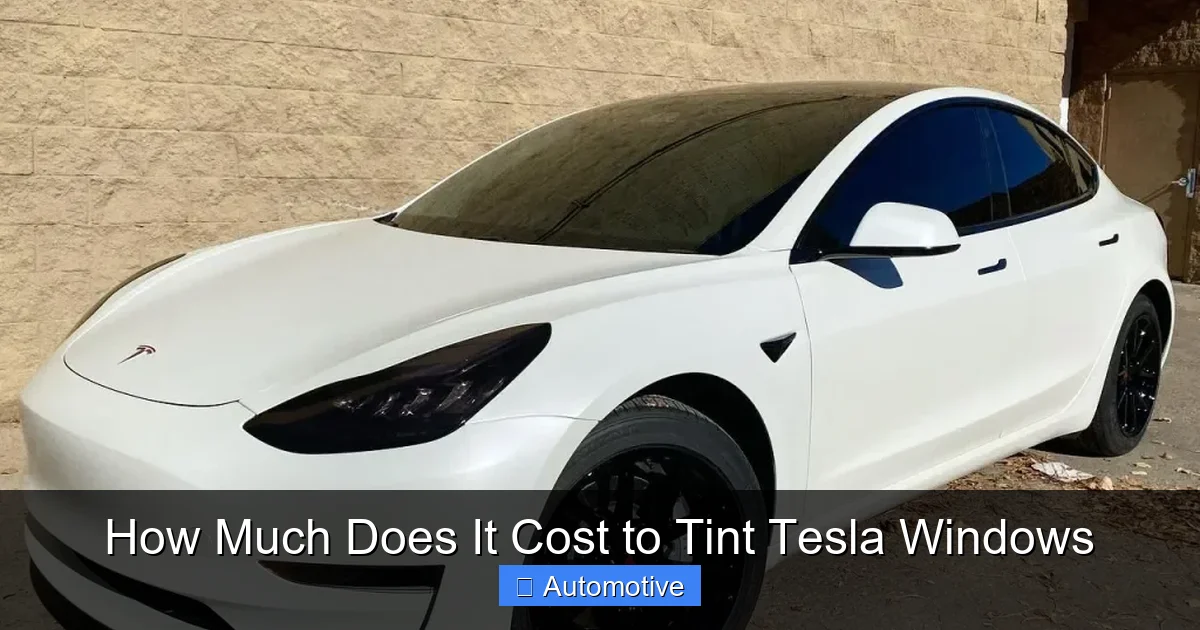
Tesla window tinting typically costs between $200 and $800, depending on the film quality, vehicle model, and installation location. High-end ceramic films offer superior heat rejection and UV protection but come at a premium, while dyed or hybrid options are more budget-friendly. Always choose certified installers familiar with Tesla’s unique glass and electronics to avoid damage.
Key Takeaways
- Cost Range: Tinting a Tesla usually costs $200–$800, with most owners paying around $400–$600 for quality ceramic film.
- Film Type Matters: Ceramic and carbon films offer better heat rejection and durability than dyed films, justifying their higher price.
- Model-Specific Pricing: Larger models like the Model X and Model Y cost more to tint due to more glass surface area.
- Labor and Expertise: Professional installation by Tesla-savvy technicians ensures proper fit and prevents damage to sensors and cameras.
- Legal Compliance: Check local tinting laws—some states restrict visible light transmission (VLT), especially for front side windows.
- Warranty and Quality: Reputable shops offer warranties (5–10 years) on both film and labor, protecting your investment.
- DIY Risks: While DIY kits cost under $100, improper installation can lead to bubbling, peeling, or interference with Tesla’s Autopilot system.
📑 Table of Contents
- Why Tint Your Tesla Windows?
- Factors That Influence Tesla Window Tinting Costs
- Breakdown of Tesla Window Tinting Costs by Model
- Types of Window Film: Which Is Best for Your Tesla?
- DIY vs. Professional Installation: What You Need to Know
- Legal Considerations: Tinting Laws by State
- Tips to Save Money on Tesla Window Tinting
- Conclusion: Is Tinting Your Tesla Worth It?
Why Tint Your Tesla Windows?
So you’ve got your shiny new Tesla—maybe it’s a Model 3, Model Y, or even the futuristic Model X with its falcon-wing doors. You love the sleek design, the silent ride, and the tech that feels like it’s from the future. But have you noticed how much heat builds up inside on a sunny day? Or how the glare from the sun makes it hard to see the touchscreen? That’s where window tinting comes in.
Tinting your Tesla isn’t just about looking cool (though, let’s be honest, it does). It’s about comfort, protection, and even safety. High-quality window film can block up to 99% of harmful UV rays, reduce interior heat by up to 60%, and prevent your seats, dashboard, and touchscreen from fading over time. Plus, it adds a layer of privacy—no more strangers peeking into your car while you’re parked at the mall.
But here’s the thing: Teslas aren’t like regular cars. They have unique glass designs, built-in cameras, sensors, and even a panoramic glass roof on some models. That means not every tint job is created equal. You can’t just walk into any local shop and expect flawless results. You need someone who understands Tesla’s engineering and uses the right materials.
And of course, there’s the big question: How much does it cost to tint Tesla windows? The answer isn’t one-size-fits-all. It depends on several factors—film type, your Tesla model, where you live, and who’s doing the work. In this guide, we’ll break it all down so you can make an informed decision without breaking the bank.
Factors That Influence Tesla Window Tinting Costs
Visual guide about How Much Does It Cost to Tint Tesla Windows
Image source: vicrez.com
When it comes to pricing, tinting a Tesla isn’t as simple as picking a number off a menu. Several key factors determine how much you’ll pay. Let’s dive into the biggest ones.
Type of Window Film
This is the single biggest cost driver. Window films come in different technologies, each with its own price point and performance level.
– Dyed Film: The most affordable option, usually costing $10–$20 per window. It looks dark and reduces glare, but it doesn’t reject heat very well. Over time, the dye can fade or bubble, especially in hot climates. It’s not recommended for Teslas due to poor heat rejection and potential interference with sensors.
– Hybrid Film: A mix of dyed and metallic layers. It offers better heat rejection than dyed film and costs around $20–$35 per window. Still, it can interfere with radio signals and Tesla’s GPS or cellular connectivity.
– Carbon Film: A step up in performance and price ($30–$50 per window). It provides excellent heat rejection, doesn’t interfere with electronics, and has a sleek, non-reflective finish. It’s a solid mid-range choice for Tesla owners.
– Ceramic Film: The gold standard. Made with nano-ceramic particles, it blocks infrared heat without blocking signals. It’s the best option for Teslas, offering superior UV protection, heat rejection, and clarity. Prices range from $50–$100 per window, but the performance is worth it.
Tesla Model and Glass Area
Not all Teslas are created equal when it comes to window tinting. The size and number of windows vary by model, which directly affects labor and material costs.
– Model 3: Compact sedan with four windows and a small rear windshield. Typically the cheapest to tint, averaging $200–$400 for a full ceramic tint job.
– Model Y: SUV version of the Model 3, with larger rear and side windows. Expect to pay $300–$500 due to the increased surface area.
– Model S: Larger sedan with a panoramic glass roof (on newer models). Tinting the roof adds significant cost—$100–$200 extra—bringing the total to $400–$700.
– Model X: The most expensive to tint. It has the largest glass surface area, including the massive panoramic windshield and falcon-wing doors. Full tint jobs often run $500–$800.
Labor and Installation Quality
You might be tempted to go cheap and find the lowest bidder, but with Teslas, that’s a risky move. These cars have complex electronics, including cameras for Autopilot, rain sensors, and ambient lighting. A poorly installed tint can block sensors, cause bubbling near edges, or even damage the glass during removal.
Professional installers who specialize in Teslas charge more—typically $100–$300 in labor—but they use precision cutting tools, heat guns, and experience to ensure a seamless fit. They also know how to avoid damaging the delicate glass roof or rear camera.
Geographic Location
Where you live plays a big role in pricing. In major cities like Los Angeles, New York, or Miami, expect to pay 20–30% more due to higher labor costs and demand. In smaller towns or rural areas, prices may be lower, but you might have fewer qualified installers to choose from.
For example, a ceramic tint job in Austin, Texas, might cost $450, while the same service in San Francisco could run $650. Always get multiple quotes and check reviews.
Additional Services
Some shops offer add-ons that can increase the total cost:
– Removal of Old Tint: If you’re replacing existing film, removal can add $50–$100.
– Windshield Tinting: Legal in most states (usually with a clear or light strip), this can add $50–$150.
– Paint Protection Film (PPF): Some shops bundle PPF with tinting for full front-end protection, adding $500–$1,500.
– Warranty Packages: Extended warranties (up to 10 years) may cost extra but offer peace of mind.
Breakdown of Tesla Window Tinting Costs by Model
Visual guide about How Much Does It Cost to Tint Tesla Windows
Image source: tnwindowfilms.com
Let’s get specific. Here’s a realistic cost breakdown based on real-world pricing from certified Tesla tint specialists across the U.S.
Model 3 Tinting Cost
The Model 3 is the most popular Tesla, and fortunately, one of the most affordable to tint. With four side windows and a rear windshield, the total glass area is manageable.
– Dyed Film: $150–$250 (not recommended)
– Hybrid Film: $200–$350
– Carbon Film: $250–$400
– Ceramic Film: $300–$500
Most owners opt for ceramic film for the best balance of performance and value. A reputable shop in a mid-sized city might charge $375 for a full ceramic tint, including labor and a 7-year warranty.
Model Y Tinting Cost
As the SUV version of the Model 3, the Model Y has larger rear and side windows, increasing material and labor time.
– Carbon Film: $300–$450
– Ceramic Film: $400–$600
Because of the larger glass area, ceramic tinting a Model Y typically costs $100–$150 more than a Model 3. Some shops charge by the square foot, so expect to pay around $8–$12 per sq ft for ceramic film.
Model S Tinting Cost
The Model S is a luxury sedan with a sleek design—and a big glass roof on newer models. Tinting the roof is optional but highly recommended for heat reduction.
– Side Windows Only (Ceramic): $350–$500
– Full Tint (Including Roof): $500–$750
The panoramic roof is made of tempered glass and requires special handling. Some installers charge extra for roof tinting due to the complexity. A high-quality ceramic film on the roof can reduce cabin temperature by 15–20°F on hot days.
Model X Tinting Cost
The Model X is the most expensive Tesla to tint, thanks to its massive windshield, falcon-wing doors, and extensive glass surfaces.
– Ceramic Film (Full Tint): $600–$800
The falcon-wing doors have curved glass that’s tricky to cut and install. Only experienced technicians should handle this job. Some shops may charge $100–$150 extra for the doors alone.
Types of Window Film: Which Is Best for Your Tesla?
Visual guide about How Much Does It Cost to Tint Tesla Windows
Image source: i0.wp.com
Now that you know the costs, let’s talk about what’s under the surface—literally. The type of film you choose will impact not just price, but performance, longevity, and compatibility with your Tesla’s tech.
Dyed Film: The Budget Option (But Not Ideal)
Dyed film is the cheapest and easiest to find. It uses a layer of dye between adhesive and protective layers to darken the glass. While it reduces glare and gives a tinted look, it has major drawbacks:
– Poor heat rejection—most heat still gets through.
– Fades over time, especially in sunny climates.
– Can bubble or peel due to trapped heat.
– May interfere with Tesla’s cameras and sensors.
We don’t recommend dyed film for Teslas. The short-term savings aren’t worth the long-term issues.
Hybrid Film: A Middle Ground
Hybrid film combines dyed and metallic layers. The metal helps reflect heat, improving performance over dyed film. It’s better, but still has limitations:
– Can block GPS, cell signals, and key fob range.
– May cause interference with Tesla’s Autopilot cameras.
– Not as durable as carbon or ceramic.
If you’re on a tight budget and live in a cooler climate, hybrid might work—but proceed with caution.
Carbon Film: Great Balance of Price and Performance
Carbon film uses carbon particles to absorb infrared heat. It doesn’t contain metal, so it won’t interfere with electronics. Benefits include:
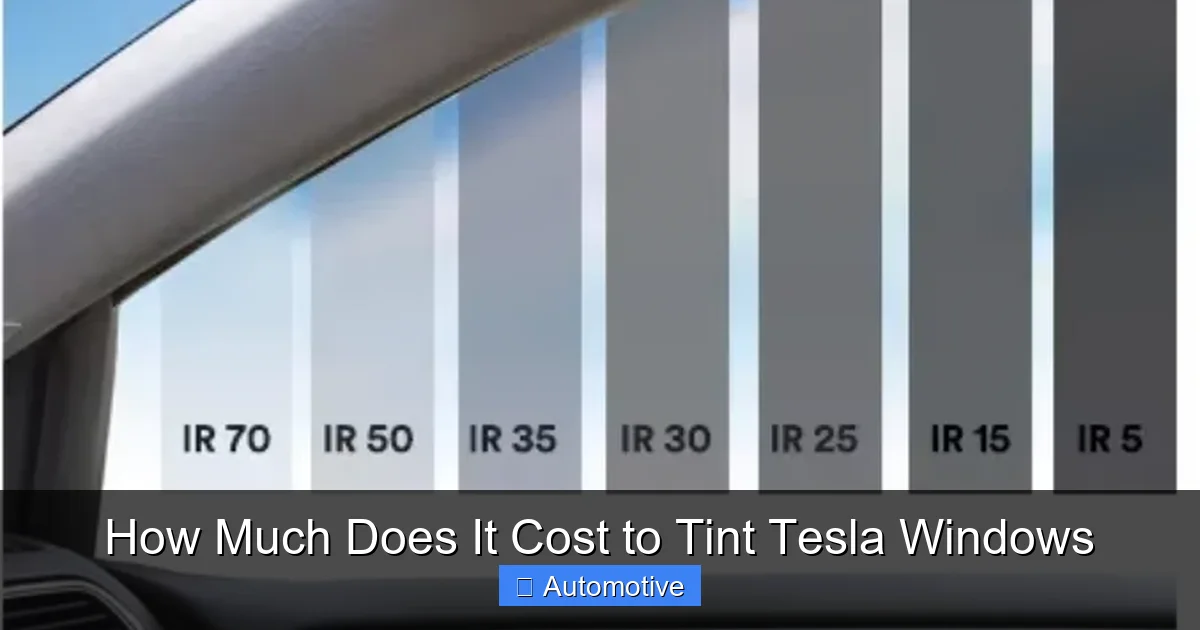
– Excellent heat rejection (up to 50% IR block).
– Non-reflective, matte finish that looks sleek.
– No signal interference.
– Resistant to fading.
At $30–$50 per window, carbon film is a smart choice for many Tesla owners. It’s durable, effective, and compatible with Tesla’s tech.
Ceramic Film: The Premium Choice
Ceramic film is the top-tier option. Made with advanced nano-ceramic technology, it blocks up to 99% of UV rays and 80% of infrared heat—without blocking signals.
Why it’s perfect for Teslas:
– No interference with Autopilot, GPS, or cellular.
– Superior clarity and color stability.
– Long lifespan (10+ years with proper care).
– Reduces cabin temperature significantly.
Top brands include 3M Crystalline, Llumar Stratos, and SunTek CXP. While it’s the most expensive, the performance and peace of mind are worth it—especially if you live in a hot climate or drive frequently.
DIY vs. Professional Installation: What You Need to Know
You might be thinking, “Can’t I just buy a tint kit and do it myself?” Technically, yes. But should you? Let’s weigh the pros and cons.
DIY Tinting: Cheap but Risky
DIY tint kits are available online for $50–$100. They include pre-cut films, squeegees, and instructions. On the surface, it sounds like a great way to save money.
But here’s the reality:
– Precision Matters: Tesla windows have tight seals and complex curves. A misaligned cut can leave gaps or overlap, ruining the look.
– Bubbling and Peeling: Without professional tools and experience, air bubbles and peeling edges are common.
– Sensor Interference: Improperly applied film can block cameras or rain sensors, triggering warning lights or disabling Autopilot features.
– Warranty Void: Some Tesla service centers may void certain warranties if they detect DIY modifications.
We’ve seen cases where owners spent $75 on a DIY kit, only to pay $400 later to have it professionally removed and redone. In the long run, professional installation is almost always the better choice.
Professional Installation: Worth the Investment
A certified tint installer brings expertise, tools, and experience. Here’s what you get:
– Precision Cutting: Films are cut to exact specifications using plotters or templates.
– Clean Environment: Shops use dust-free rooms to prevent debris from getting trapped under the film.
– Heat and Pressure Tools: Professional heat guns and squeegees ensure a smooth, bubble-free finish.
– Tesla-Specific Knowledge: Experienced installers know how to avoid damaging cameras, sensors, and glass roofs.
Most reputable shops offer warranties of 5–10 years on both film and labor. If the tint bubbles, peels, or fades, they’ll fix it for free.
Legal Considerations: Tinting Laws by State
Before you tint, check your state’s laws. Window tinting regulations vary widely and are enforced strictly in some areas.
Visible Light Transmission (VLT)
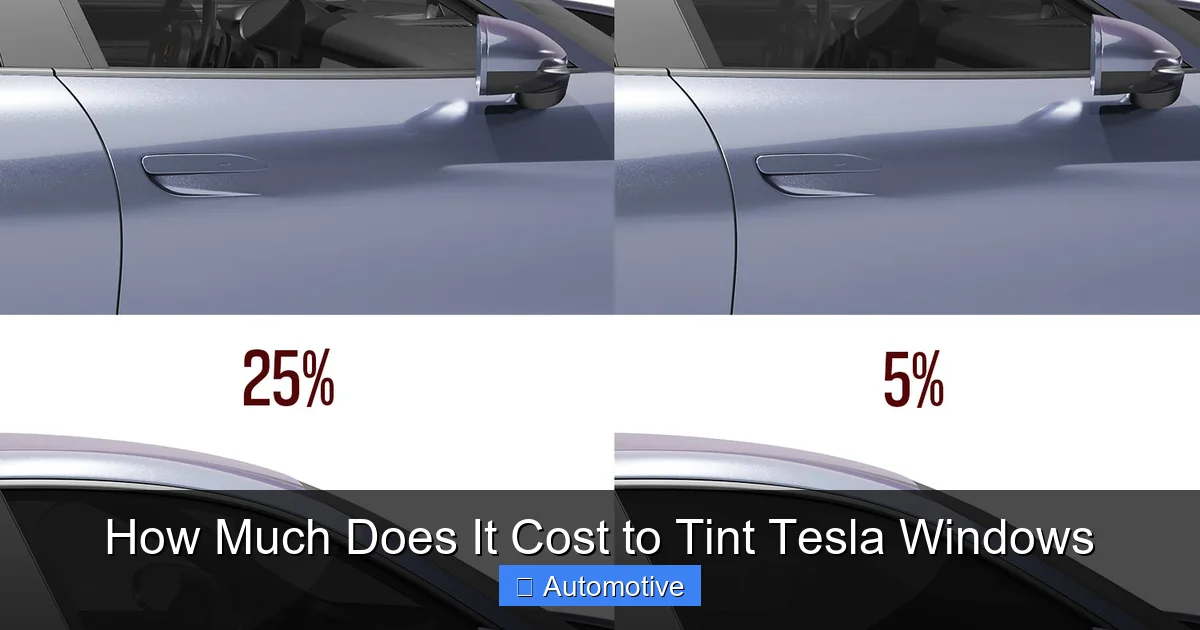
VLT measures how much light passes through the glass. The lower the VLT, the darker the tint. Most states regulate VLT for front side windows to ensure driver visibility.
For example:
– California: Front side windows must allow more than 70% light (70% VLT). Rear windows and windshield have no restriction.
– Texas: Front side windows must be 25% VLT or higher. Rear windows can be any darkness.
– Florida: Front side windows must be 28% VLT or higher. Windshield tinting is allowed only in the top 5 inches.
Tesla’s factory glass already has some tint, so adding aftermarket film can push you below legal limits. Always confirm with your installer that the final VLT complies with local laws.
Enforcement and Fines
Getting pulled over for illegal tint can result in fines ranging from $50 to $500, depending on the state. In some cases, you may be required to remove the tint at your own expense.
To avoid trouble:
– Ask your installer for a VLT certificate.
– Choose films with legal VLT ratings for your state.
– Avoid extremely dark tints on front windows.
Tips to Save Money on Tesla Window Tinting
Tinting doesn’t have to break the bank. Here are some smart ways to reduce costs without sacrificing quality.
Get Multiple Quotes
Prices vary widely between shops. Get at least three quotes from certified installers. Compare not just price, but film brand, warranty, and customer reviews.
Ask About Packages
Some shops offer discounts for full-car tinting or bundle services. For example, tinting all windows plus the windshield might cost less than doing them separately.
Choose the Right Film
You don’t need ceramic on every window. Consider using ceramic on the front side windows (for heat and UV protection) and carbon on the rear for a balanced approach.
Time It Right
Avoid peak seasons like summer. Many shops offer discounts in spring or fall when demand is lower.
Check for Promotions
Follow local tint shops on social media or sign up for newsletters. They often run seasonal promotions or referral discounts.
Conclusion: Is Tinting Your Tesla Worth It?
So, how much does it cost to tint Tesla windows? The answer is: it depends. But for most owners, investing $400–$600 in a high-quality ceramic tint job is well worth it.
You’ll enjoy a cooler cabin, reduced glare, enhanced privacy, and protection for your interior. Plus, with the right installer, your Tesla’s advanced tech will remain fully functional.
Remember: cheap tint can cost you more in the long run. Choose a reputable shop, use the right film, and follow local laws. Your Tesla—and your comfort—will thank you.
Frequently Asked Questions
How much does it cost to tint a Tesla Model 3?
The cost to tint a Tesla Model 3 ranges from $200 to $500, depending on the film type. Ceramic film, the most popular choice, typically costs $300–$500 for a full tint job including labor.
Can I tint the panoramic glass roof on my Tesla?
Yes, you can tint the panoramic roof, but it requires specialized film and installation. Expect to pay an additional $100–$200 on top of standard window tinting costs.
Will window tinting interfere with Tesla’s Autopilot?
High-quality ceramic or carbon films will not interfere with Autopilot cameras or sensors. Avoid metallic or dyed films, which can block signals and cause system errors.
Is it legal to tint Tesla windows in all states?
No, tinting laws vary by state. Most states allow tinting on rear windows and windshields but restrict front side window darkness. Always check local regulations before tinting.
How long does Tesla window tinting take?
A professional tint job usually takes 2–4 hours, depending on the model and number of windows. Shops often recommend waiting 24–48 hours before rolling windows down.
Can I remove window tint from my Tesla?
Yes, tint can be removed, but it’s best done by a professional to avoid damaging the glass or defroster lines. DIY removal can leave adhesive residue or scratch the glass.
