
How Much Is a Mazda Catalytic Converter Worth in Scrap?

Wondering how much a Mazda catalytic converter is worth in scrap? The value depends on the model, precious metal content, and current market prices. Most range from $50 to $400, with high-end models fetching even more.
Key Takeaways
- Scrap value varies widely: Mazda catalytic converters typically range from $50 to $400, depending on the vehicle model and engine size.
- Precious metals drive pricing: Platinum, palladium, and rhodium inside the converter determine its scrap worth—prices fluctuate with global markets.
- OEM vs. aftermarket matters: Original equipment manufacturer (OEM) converters usually contain more precious metals and are worth more than aftermarket units.
- Location impacts payout: Scrap yards in urban areas or near refineries often offer better prices due to higher demand and processing efficiency.
- Legal and ethical considerations: Always verify a scrap yard’s credentials—selling stolen or tampered converters is illegal and can lead to fines.
- Recycling is eco-friendly: Properly recycling your catalytic converter reduces environmental harm and supports sustainable metal recovery.
- Know your model: Mazda CX-9, Mazda6, and MX-5 Miata converters have different values—research your specific vehicle for accurate estimates.
📑 Table of Contents
- How Much Is a Mazda Catalytic Converter Worth in Scrap?
- What Determines the Scrap Value of a Mazda Catalytic Converter?
- How to Find the Value of Your Specific Mazda Converter
- Where to Sell Your Mazda Catalytic Converter for Scrap
- Legal and Environmental Considerations
- Tips to Maximize Your Scrap Payout
- Conclusion
How Much Is a Mazda Catalytic Converter Worth in Scrap?
If you’ve ever looked under your Mazda and spotted that cylindrical metal component near the exhaust manifold, you’ve seen the catalytic converter. It’s not just a piece of exhaust hardware—it’s a valuable item, especially when it comes to scrap. But how much is a Mazda catalytic converter actually worth in scrap? The answer isn’t as simple as a single number. It depends on several factors, including the model of your Mazda, the type of catalytic converter, current metal prices, and where you sell it.
Catalytic converters are essential for reducing harmful emissions. They convert toxic gases like carbon monoxide, nitrogen oxides, and hydrocarbons into less harmful substances like carbon dioxide, nitrogen, and water vapor. But what makes them valuable in the scrap world is what’s inside: precious metals such as platinum, palladium, and rhodium. These metals act as catalysts in the chemical reactions that clean the exhaust. Because they’re rare and expensive to mine, recycling them from old converters is both profitable and environmentally responsible.
In recent years, catalytic converter theft has surged, partly because of the high value of these metals. Thieves target vehicles like the Mazda CX-5 and Mazda3 because they’re common and often have accessible undercarriages. This has made many Mazda owners more aware of their converter’s worth—and more cautious about protecting it. But if you’re replacing your converter due to damage or failure, knowing its scrap value can help you recoup some of the cost.
What Determines the Scrap Value of a Mazda Catalytic Converter?
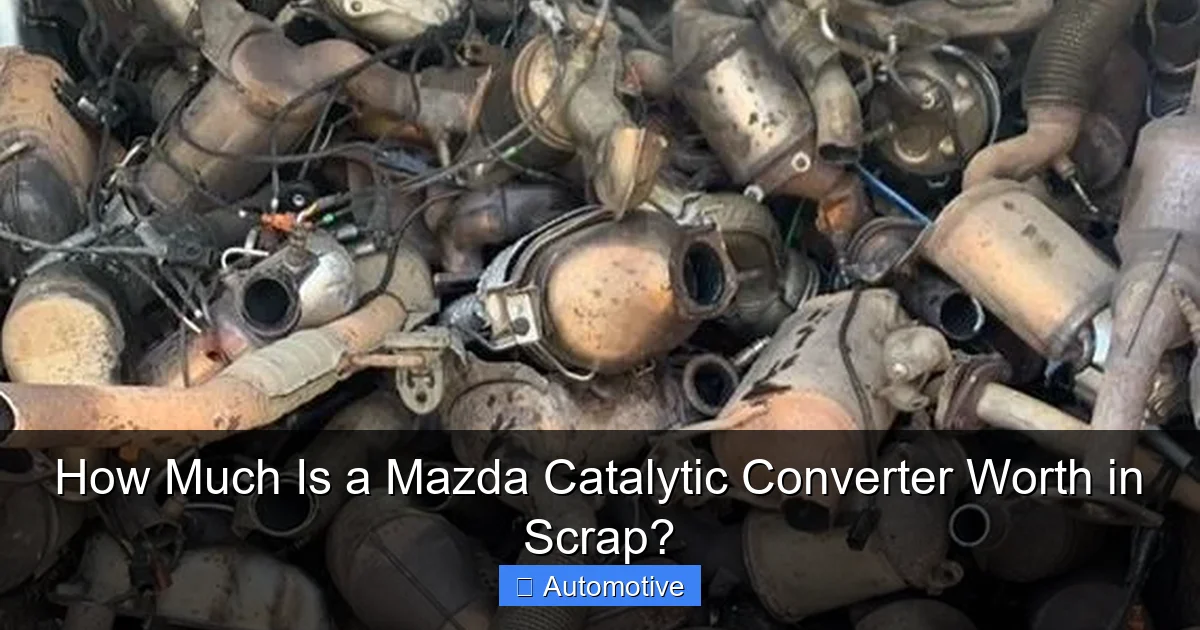
Visual guide about How Much Is a Mazda Catalytic Converter Worth in Scrap?
Image source: scrappie.co.uk
The scrap value of a Mazda catalytic converter isn’t random. It’s based on a combination of physical characteristics, market conditions, and the specific metals inside. Let’s break down the key factors that influence how much you can get when you sell your old converter.
1. Precious Metal Content
The biggest factor in determining scrap value is the amount of platinum, palladium, and rhodium in the converter. These metals are extremely valuable—especially palladium and rhodium, which have seen dramatic price increases in the past decade. For example, rhodium has occasionally traded for over $20,000 per ounce, making even a small amount inside a converter worth hundreds of dollars.
Mazda vehicles typically use three-way catalytic converters, which contain all three precious metals. The exact composition varies by model and year. Newer models, especially those with larger engines or higher performance ratings, often have more metal content. For instance, a Mazda CX-9 with a V6 engine will likely have a more valuable converter than a base-model Mazda3 with a 4-cylinder engine.
2. OEM vs. Aftermarket Converters
Original Equipment Manufacturer (OEM) catalytic converters—those installed by Mazda at the factory—are generally worth more in scrap than aftermarket replacements. Why? Because OEM converters are designed to meet strict emissions standards and often use higher-grade materials, including more precious metals.
Aftermarket converters, while cheaper to buy, are usually made with lower metal content to reduce costs. Some are even “universal fit” models that don’t match the original specifications. While they still contain some precious metals, their scrap value is typically 30% to 50% lower than OEM units.
If you’re unsure whether your converter is OEM or aftermarket, check for a Mazda logo or part number stamped on the housing. OEM converters will have a specific part number that matches your vehicle’s VIN. Aftermarket units often have generic branding or no markings at all.
3. Vehicle Model and Engine Size
Not all Mazda models are created equal when it comes to catalytic converter value. Larger vehicles with bigger engines tend to have larger converters with more metal content. Here’s a quick breakdown of some popular Mazda models and their typical scrap values:
– Mazda CX-9: As Mazda’s largest SUV, the CX-9 often has a high-value converter, especially in V6 models. Scrap prices typically range from $200 to $400.
– Mazda CX-5: This compact SUV is one of Mazda’s best-sellers. Its converter usually fetches between $120 and $250, depending on the engine (2.5L vs. turbocharged).
– Mazda6: The midsize sedan has a moderate-value converter, generally worth $100 to $200.
– Mazda3: The compact car’s converter is on the lower end, typically $50 to $150, especially in base 4-cylinder models.
– MX-5 Miata: Due to its small engine and lightweight design, the Miata’s converter is less valuable, usually under $100.
Keep in mind that these are estimates. Actual prices depend on current metal markets and the condition of the converter.
4. Current Market Prices for Precious Metals
The scrap value of your Mazda catalytic converter is directly tied to the global market prices of platinum, palladium, and rhodium. These metals are traded on commodities exchanges, and their prices can fluctuate daily based on supply, demand, geopolitical events, and industrial usage.
For example, in 2021 and 2022, palladium prices soared due to increased demand from the automotive industry and supply constraints from major producers like Russia and South Africa. During that time, a single Mazda converter could be worth significantly more than it is today. Conversely, if metal prices drop, so does the scrap value.
To get an idea of current prices, you can check websites like Kitco, Metalary, or the London Metal Exchange (LME). Many scrap yards also post daily pricing based on these benchmarks. Some even offer online calculators where you can input your converter’s part number or vehicle details to get an instant estimate.
5. Condition and Cleanliness of the Converter
A clean, intact catalytic converter will always fetch a higher price than one that’s damaged, clogged, or contaminated. Scrap yards and recyclers prefer converters that are free of oil, coolant, or debris, as these contaminants can reduce the efficiency of the refining process.
If your converter has been removed due to engine problems—like a misfire or oil burning—it may be coated in carbon or sludge. While it still has value, you might get less than if it were clean. To maximize your payout, try to remove the converter carefully and avoid damaging the honeycomb structure inside. If possible, rinse it with water (not pressure washer) to remove surface dirt.
Also, avoid cutting the converter open. While it might be tempting to extract the ceramic honeycomb yourself, most recyclers prefer intact units because they can test and process them more efficiently. Plus, handling the internal materials can be hazardous due to fine metal particles.
How to Find the Value of Your Specific Mazda Converter
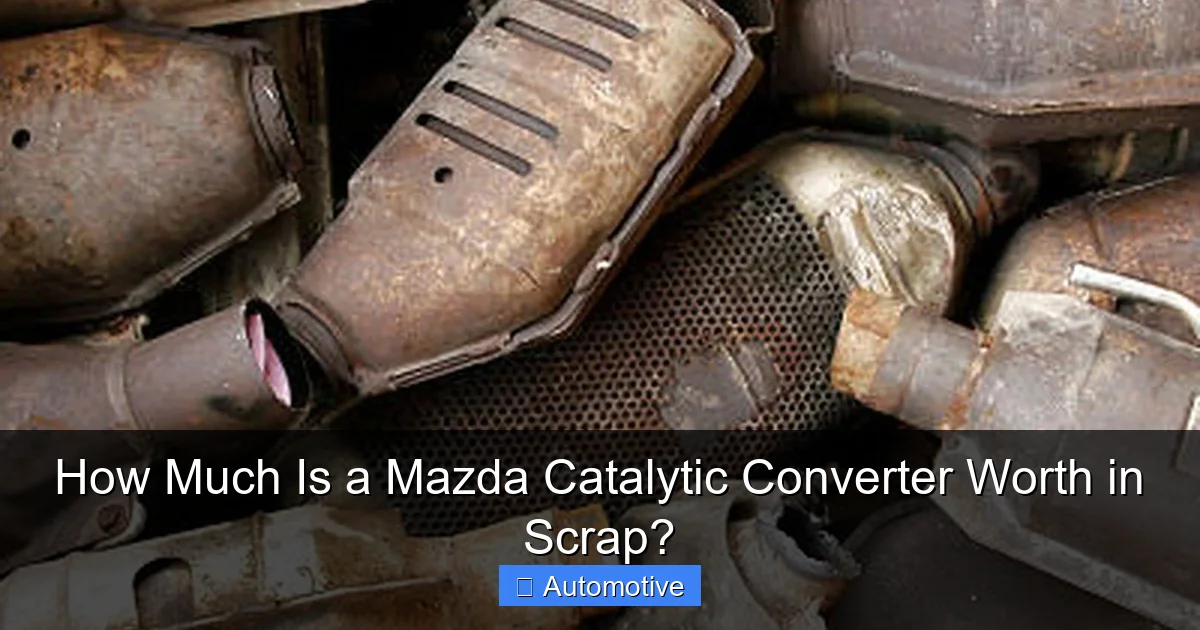
Visual guide about How Much Is a Mazda Catalytic Converter Worth in Scrap?
Image source: recyclinginside.com
Now that you know the factors that affect scrap value, you’re probably wondering: “How do I find out how much my specific Mazda catalytic converter is worth?” The good news is, it’s easier than ever to get an accurate estimate.
Step 1: Identify Your Vehicle and Converter
Start by noting your Mazda’s make, model, year, and engine size. This information helps determine the type of converter you have. You can find your engine size in the owner’s manual or by checking the vehicle identification number (VIN) through Mazda’s official website or a VIN decoder tool.
Next, locate the catalytic converter under your vehicle. It’s usually a rounded or oval-shaped metal canister near the engine, connected to the exhaust manifold. Look for any stamped numbers or markings on the housing. These can include a part number, OEM logo, or serial code.
If you’re replacing the converter, the new one may come with a label or documentation that includes the part number. Keep this information—it’s valuable for both installation and resale.
Step 2: Use Online Pricing Tools
Several websites and apps allow you to estimate the scrap value of your catalytic converter based on your vehicle details. Some popular options include:
– Converter King: This site lets you search by make, model, and year to find average scrap prices for specific converters.
– Catalytic Converter Recycling Calculator: Available on some scrap yard websites, these tools ask for your VIN or part number and provide a real-time estimate.
– eBay and Facebook Marketplace: While not official pricing tools, browsing sold listings for similar converters can give you a sense of market value.
Keep in mind that online estimates are just that—estimates. The final price you receive will depend on the scrap yard’s policies, current metal prices, and the condition of your converter.
Step 3: Contact Local Scrap Yards
For the most accurate pricing, call or visit local scrap yards or catalytic converter recyclers. Many offer free quotes and may even pick up your converter if it’s high-value. When contacting them, have your vehicle information and converter details ready.
Ask about their pricing structure. Some yards pay based on weight and metal content, while others use a flat rate per converter. Reputable recyclers will test your converter using X-ray fluorescence (XRF) technology to determine the exact metal content before offering a price.
Be cautious of yards that offer unusually high prices upfront. Some may lowball you after inspection or refuse to pay if they suspect the converter was stolen. Always choose licensed, bonded recyclers with good reviews.
Where to Sell Your Mazda Catalytic Converter for Scrap
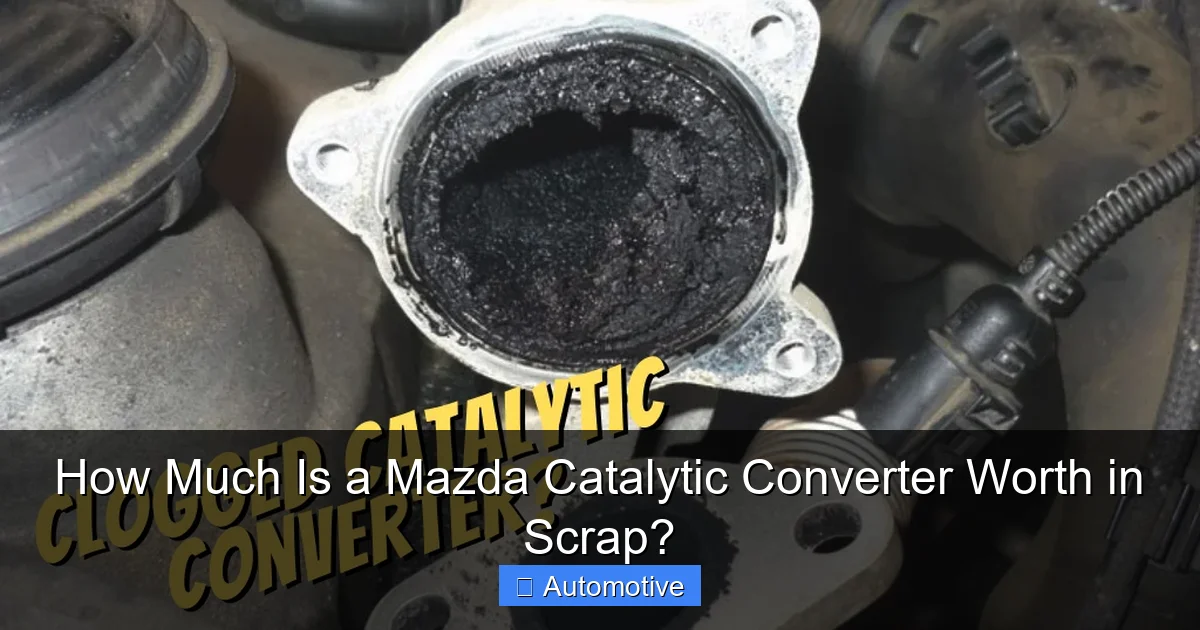
Visual guide about How Much Is a Mazda Catalytic Converter Worth in Scrap?
Image source: engineerine.com
Once you know your converter’s value, the next step is finding the right place to sell it. Not all scrap yards are created equal, and choosing the wrong one could mean losing money or getting into legal trouble.
Local Scrap Yards and Metal Recyclers
Your best bet is to sell to a local scrap yard that specializes in catalytic converters. These businesses have the equipment to test and process converters efficiently, and they often pay competitive prices. Look for yards that are members of the Institute of Scrap Recycling Industries (ISRI) or have certifications from environmental agencies.
When visiting a scrap yard, bring your converter in a secure container—like a plastic bin or heavy-duty bag—to prevent spills or damage. Be prepared to show ID and possibly proof of vehicle ownership, especially if the converter is still attached to your car.
Online Recycling Services
If you don’t have a local recycler or prefer the convenience of shipping, consider online services like:
– Converter Express: Offers free shipping labels and pays via check or PayPal after inspection.
– Core Master: Specializes in automotive parts recycling and provides detailed metal reports.
– Green Catalytic Recycling: Focuses on eco-friendly processing and transparent pricing.
These services typically require you to pack the converter securely and ship it via UPS or FedEx. Once received, they test the metal content and send payment within a few days. While convenient, shipping can take time, and you may wait weeks to get paid.
Auction Sites and Private Buyers
Some people sell used catalytic converters on platforms like eBay or Craigslist. This can yield higher prices, especially for rare or high-value models. However, it requires more effort—you’ll need to take photos, write a description, and handle shipping.
Be aware that selling converters privately can raise red flags. Buyers may suspect theft, and some platforms have policies against listing catalytic converters due to theft concerns. Always disclose that the converter is from a legally owned vehicle and provide documentation if possible.
Legal and Environmental Considerations
Selling a catalytic converter isn’t just about making money—it’s also about doing the right thing legally and environmentally.
Legal Requirements
In the U.S., it’s illegal to sell a catalytic converter that was stolen or removed from a vehicle without proper documentation. Many states require scrap yards to verify the seller’s identity and vehicle ownership before purchasing a converter. Some even mandate that converters be sold only to licensed recyclers.
Tampering with or removing a catalytic converter from a vehicle that’s still in use is also illegal under the Clean Air Act, unless it’s being replaced with a compliant unit. Fines for violations can be severe, ranging from hundreds to thousands of dollars.
To stay compliant, always keep records of your vehicle’s service history, especially if you’ve had the converter replaced. If you’re selling a used converter, be ready to prove it came from a legally owned car.
Environmental Impact
Recycling catalytic converters is one of the most environmentally beneficial things you can do with an old car part. Mining platinum, palladium, and rhodium is energy-intensive and causes significant ecological damage. Recycling reduces the need for new mining and conserves natural resources.
Proper recycling also prevents harmful metals from ending up in landfills, where they can leach into soil and water. Reputable recyclers use advanced processes to recover up to 95% of the precious metals, minimizing waste.
By choosing a certified recycler, you’re supporting sustainable practices and helping reduce the environmental footprint of the automotive industry.
Tips to Maximize Your Scrap Payout
Want to get the most money for your Mazda catalytic converter? Follow these practical tips to boost your scrap value.
1. Sell When Metal Prices Are High
Keep an eye on precious metal markets. If palladium or rhodium prices are peaking, it’s a good time to sell. Even a small increase in metal value can add $50 or more to your payout.
2. Clean the Converter Before Selling
Remove dirt, oil, and debris to improve its appearance and processing efficiency. A clean converter is more likely to receive a higher offer.
3. Avoid Cutting It Open
Leave the converter intact. Recyclers can test and process whole units more accurately, and cutting it may reduce its value.
4. Compare Multiple Offers
Get quotes from at least three different recyclers. Prices can vary significantly, and shopping around ensures you get a fair deal.
5. Protect Your Vehicle
If you’re replacing your converter, consider installing a protective shield or etching your VIN onto the unit to deter theft. This keeps your new converter safe and preserves its value.
Conclusion
So, how much is a Mazda catalytic converter worth in scrap? The answer ranges from $50 to $400 or more, depending on your vehicle model, the type of converter, and current metal prices. While it’s not a fortune, it’s a meaningful amount that can help offset the cost of a replacement or put some extra cash in your pocket.
More importantly, recycling your converter supports environmental sustainability and reduces the demand for mining precious metals. By understanding the factors that affect its value and choosing reputable recyclers, you can make the most of this often-overlooked automotive component.
Whether you drive a Mazda3, CX-5, or MX-5 Miata, your catalytic converter has value—both financially and ecologically. So the next time you’re under the car, take a moment to appreciate that small metal canister. It’s doing more than just cleaning your exhaust—it’s worth something.
Frequently Asked Questions
How much is a Mazda CX-5 catalytic converter worth in scrap?
A Mazda CX-5 catalytic converter typically sells for $120 to $250 in scrap, depending on the engine size and current metal prices. Turbocharged models usually fetch higher prices due to increased precious metal content.
Can I sell a catalytic converter without the car?
Yes, you can sell a catalytic converter separately, but you may need to provide ID and proof of vehicle ownership. Some scrap yards require documentation to prevent the sale of stolen parts.
Is it legal to remove a catalytic converter?
It’s legal to remove a catalytic converter only if you’re replacing it with a compliant unit. Driving without one or installing a non-compliant replacement violates emissions laws in most states.
Do aftermarket catalytic converters have scrap value?
Yes, but they’re usually worth 30% to 50% less than OEM converters because they contain fewer precious metals. Still, they can fetch $30 to $150 depending on the model.
How do I prevent catalytic converter theft on my Mazda?
Install a protective shield, park in well-lit areas, etch your VIN onto the converter, and consider a security alarm. These steps deter thieves and protect your investment.
What happens to catalytic converters after they’re recycled?
They’re crushed, tested for metal content, and processed in smelters to recover platinum, palladium, and rhodium. These metals are then reused in new converters, electronics, and jewelry.
