
How Much It Costs to Replace the Auxiliary Battery on a Mercedes-benz

Replacing the auxiliary battery on a Mercedes-Benz typically costs between $150 and $400, including parts and labor. The final price depends on your model, location, and whether you go to a dealership or independent mechanic. Knowing what to expect can help you budget and avoid surprises.
Key Takeaways
- Typical cost range: Expect to pay $150–$400 for a Mercedes-Benz auxiliary battery replacement, including parts and labor.
- Dealership vs. independent shop: Dealerships charge more but offer OEM parts and certified technicians; independent shops are often cheaper and just as reliable.
- Battery type matters: Most modern Mercedes models use AGM (Absorbent Glass Mat) batteries, which are more expensive but longer-lasting than standard lead-acid.
- Labor time: Replacement usually takes 30–60 minutes, but programming and registration with the vehicle’s computer system add complexity.
- Warranty considerations: Using non-OEM batteries may void certain electrical system warranties, so check your coverage first.
- DIY risks: While possible, DIY replacement can lead to system errors or damage if not done correctly—professional installation is recommended.
- Preventive maintenance: Regular checks and keeping the battery charged can extend its life and avoid unexpected failures.
📑 Table of Contents
- Understanding the Auxiliary Battery in Your Mercedes-Benz
- Average Cost to Replace a Mercedes-Benz Auxiliary Battery
- Factors That Influence the Replacement Cost
- Signs You Need a New Auxiliary Battery
- OEM vs. Aftermarket Batteries: Which Is Right for You?
- DIY vs. Professional Installation: What You Need to Know
- Tips to Extend the Life of Your Auxiliary Battery
- Conclusion
Understanding the Auxiliary Battery in Your Mercedes-Benz
When most people think of a car battery, they picture the main 12-volt battery that starts the engine. But in modern Mercedes-Benz vehicles, there’s often a second battery—the auxiliary battery. This smaller unit plays a crucial role in powering essential systems when the main battery is under heavy load or when the engine is off.
The auxiliary battery typically supports features like the start-stop system, infotainment, climate control, and electronic parking brake. In some models, especially those with mild-hybrid systems (like the EQ Boost), the auxiliary battery works closely with the main battery to ensure smooth operation. Without it, your car might not restart after a stop, or warning lights could appear on the dashboard.
Unlike older cars that relied solely on one large battery, today’s Mercedes-Benz vehicles are packed with electronics. The auxiliary battery helps manage the power demand, preventing voltage drops that could disrupt sensitive components. It’s usually located in the trunk, under the rear seat, or near the main battery in the engine bay—depending on the model.
Understanding this dual-battery setup is the first step in knowing why replacement matters. If your auxiliary battery fails, you might notice symptoms like difficulty starting, dimming lights, or error messages about the start-stop system. Ignoring these signs can lead to more serious electrical issues down the road.
Average Cost to Replace a Mercedes-Benz Auxiliary Battery
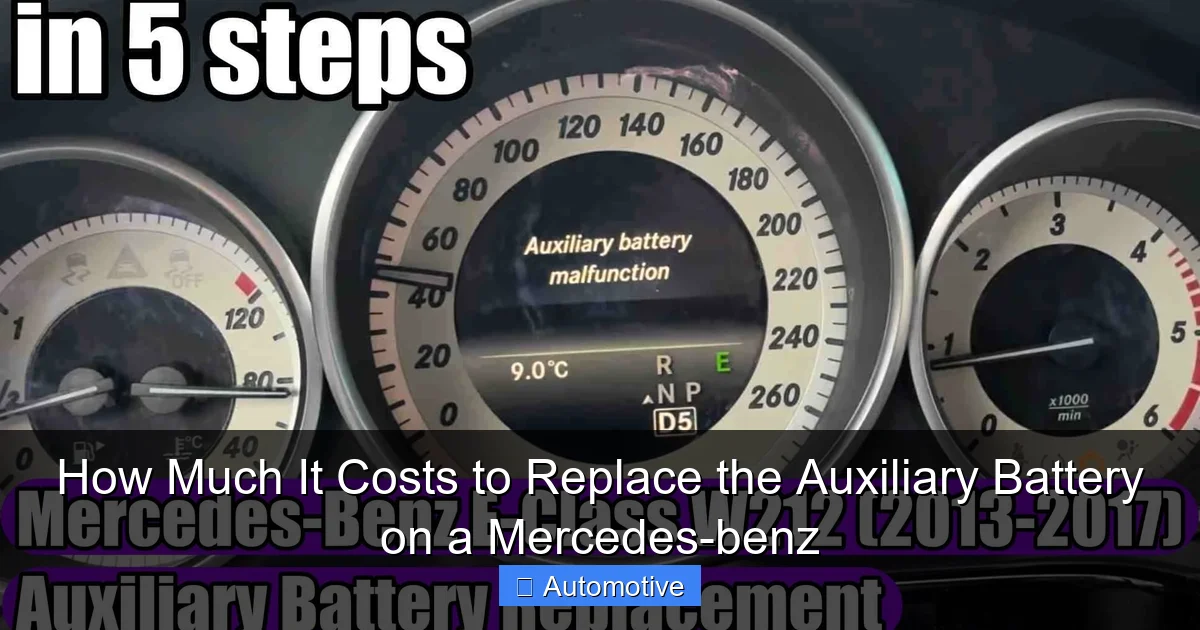
Visual guide about How Much It Costs to Replace the Auxiliary Battery on a Mercedes-benz
Image source: servicetutorials.com
So, how much does it actually cost to replace the auxiliary battery on a Mercedes-Benz? The short answer: between $150 and $400. But that range can vary widely based on several factors.
Let’s break it down. The battery itself usually costs $100 to $250, depending on the type and brand. Most newer Mercedes models use AGM (Absorbent Glass Mat) batteries, which are more durable and efficient than traditional flooded lead-acid batteries. AGM batteries are designed to handle frequent charging and discharging—perfect for start-stop systems—but they come at a higher price.
Labor costs typically add $50 to $150 to the total. At a dealership, you might pay closer to $100–$150 for labor, while independent mechanics often charge $50–$100. The job usually takes 30 to 60 minutes, but the real time sink is the programming step. Mercedes vehicles require the new battery to be registered with the onboard computer using specialized diagnostic tools. This ensures the charging system adapts to the new battery’s characteristics.
For example, replacing the auxiliary battery on a 2020 Mercedes C-Class at a dealership might cost around $350, including a $200 AGM battery and $150 in labor. The same job at an independent shop with a quality aftermarket AGM battery could run closer to $220. Luxury models like the S-Class or GLE might see higher costs due to harder-to-reach battery locations or more complex electrical systems.
It’s also worth noting that prices can fluctuate by region. Urban areas with higher labor rates—like New York or Los Angeles—tend to charge more than rural mechanics. Always get at least two quotes before committing.
Factors That Influence the Replacement Cost
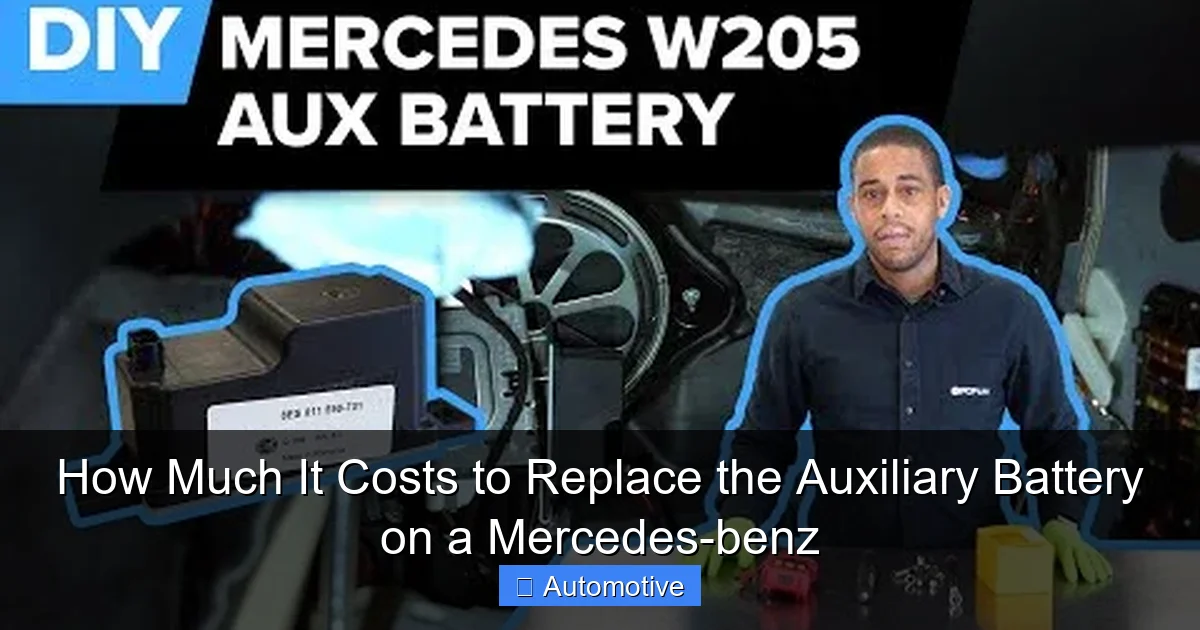
Visual guide about How Much It Costs to Replace the Auxiliary Battery on a Mercedes-benz
Image source: wirewire.co.za
Several key factors determine how much you’ll pay to replace your Mercedes-Benz auxiliary battery. Understanding these can help you make informed decisions and potentially save money.
Battery Type and Quality
The type of battery you choose has a big impact on cost. As mentioned, AGM batteries are standard in most modern Mercedes models. They’re more expensive than conventional batteries but offer better performance and longevity—often lasting 5 to 7 years with proper care. If your car came with an AGM battery, it’s best to replace it with the same type. Using a cheaper flooded battery might save you $50 upfront, but it could fail sooner and cause compatibility issues with your car’s electronics.
OEM (Original Equipment Manufacturer) batteries, made by Mercedes or their suppliers, are the most reliable but also the priciest. Aftermarket brands like Bosch, Varta, or Optima offer high-quality alternatives at lower prices. Some are even built in the same factories as OEM parts. Just make sure they’re compatible with your specific model and year.
Dealership vs. Independent Mechanic
Where you get the job done makes a significant difference. Dealerships charge a premium for their expertise, warranty coverage, and access to factory tools. They’ll use genuine Mercedes parts and ensure the battery is properly registered with the car’s computer. This peace of mind comes at a cost—often 20% to 40% more than independent shops.
Independent mechanics, especially those specializing in European cars, can offer the same quality service for less. Many have the same diagnostic equipment as dealerships and use high-grade aftermarket batteries. The key is finding a reputable shop with good reviews and experience with Mercedes-Benz vehicles. Ask if they perform battery registration—this step is non-negotiable for proper function.
Vehicle Model and Year
Not all Mercedes models are created equal when it comes to battery replacement. Older models (pre-2015) may have simpler electrical systems and easier access to the auxiliary battery, reducing labor time and cost. Newer vehicles, especially those with advanced driver-assistance systems (ADAS) and hybrid technology, often require more intricate procedures.
For instance, replacing the auxiliary battery in a 2018 Mercedes E-Class might take 45 minutes and cost $280. In a 2022 Mercedes GLE with EQ Boost, the same job could take over an hour and cost $380 due to tighter engine compartments and additional software checks.
Geographic Location
Labor rates vary by city and state. In high-cost areas like San Francisco or Boston, you might pay $120–$150 per hour for labor. In smaller towns or the Midwest, rates could be as low as $70–$90. Always factor in local pricing when comparing quotes.
Warranty and Service Plans
If your Mercedes is still under warranty, the auxiliary battery might be covered—especially if it fails prematurely. Check your owner’s manual or contact your dealer. Some extended service plans also include battery replacement. Even if not covered, using an OEM battery from the dealer may help maintain warranty validity for related electrical components.
Signs You Need a New Auxiliary Battery
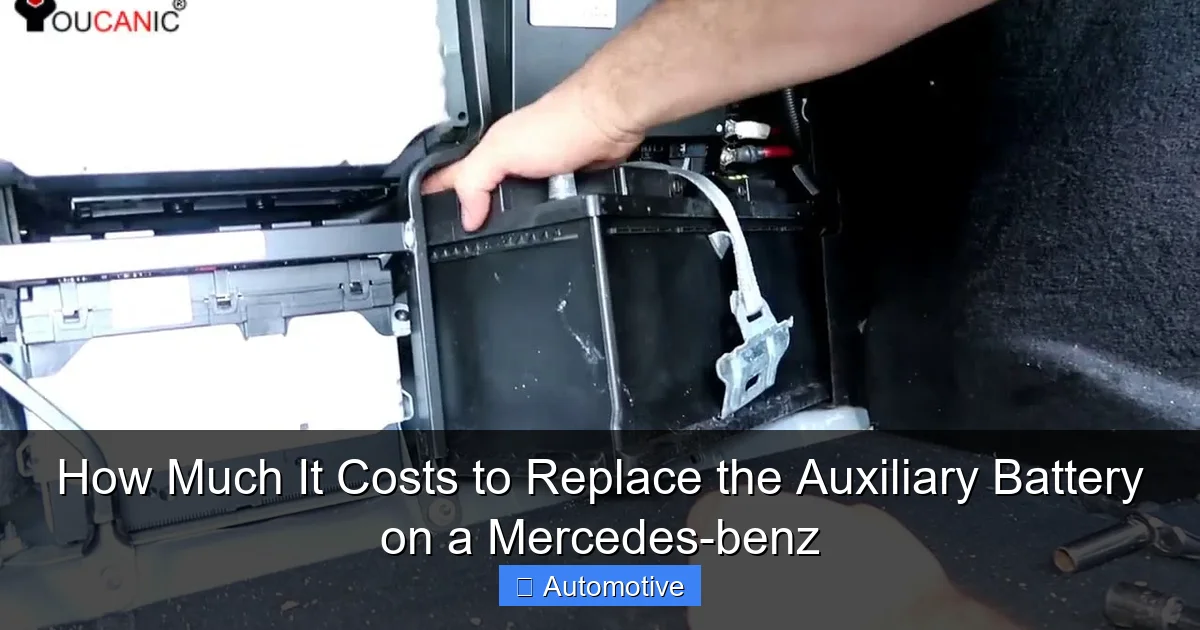
Visual guide about How Much It Costs to Replace the Auxiliary Battery on a Mercedes-benz
Image source: i.ytimg.com
Knowing when to replace your auxiliary battery can save you from being stranded or dealing with costly electrical problems. Here are the most common warning signs:
Start-Stop System Malfunctions
If your car’s start-stop feature—designed to save fuel by shutting off the engine at red lights—stops working or behaves erratically, the auxiliary battery could be the culprit. The system relies on a strong auxiliary battery to restart the engine quickly and smoothly. A weak battery may cause the system to disable itself, leading to increased fuel consumption.
Dashboard Warning Lights
Look out for messages like “Stop Vehicle, Leave Engine Running” or “Electrical System Malfunction.” These often indicate a problem with the battery or charging system. While they could point to the main battery, the auxiliary battery is frequently the issue, especially if the main battery is relatively new.
Slow Accessory Operation
If your infotainment system takes longer to boot up, the climate control responds sluggishly, or the power seats move slowly, it could signal low voltage from a failing auxiliary battery. These systems draw power even when the engine is off, so a weak battery affects performance.
Dimming Lights or Electrical Glitches
Flickering interior lights, unresponsive touchscreens, or random resets of the radio or navigation system are red flags. These symptoms suggest the electrical system isn’t receiving stable power, often due to a degraded auxiliary battery.
Age of the Battery
Even if you’re not experiencing symptoms, auxiliary batteries don’t last forever. Most last 4 to 6 years, depending on climate and driving habits. If your battery is over five years old, consider having it tested during your next service visit. Preventive replacement can avoid unexpected failures.
Failed Battery Test
Many auto parts stores and mechanics offer free battery testing. A load test can determine if your auxiliary battery is holding a charge. If it fails, replacement is likely needed—even if no symptoms are present yet.
OEM vs. Aftermarket Batteries: Which Is Right for You?
Choosing between an OEM and aftermarket auxiliary battery is one of the biggest decisions you’ll make. Both have pros and cons, and the right choice depends on your priorities.
OEM Batteries: Pros and Cons
OEM batteries are made by Mercedes or their approved suppliers (like Bosch or Varta). They’re designed specifically for your vehicle and come with a warranty that matches factory standards. Installation at a dealership ensures proper registration and compatibility.
Pros:
– Guaranteed compatibility
– Full warranty coverage
– Peace of mind with factory specs
Cons:
– Higher cost (often $50–$100 more than aftermarket)
– Limited availability outside dealerships
Aftermarket Batteries: Pros and Cons
Aftermarket batteries from reputable brands can offer excellent performance at a lower price. Many are built to the same standards as OEM parts and come with strong warranties (up to 5 years in some cases).
Pros:
– Lower cost
– Widely available
– High-quality options from trusted brands
Cons:
– Risk of incompatibility if not properly matched
– May not be covered under certain warranties
– Requires careful research to ensure quality
Making the Right Choice
If your car is under warranty or you prioritize long-term reliability, an OEM battery from the dealer is the safest bet. For out-of-warranty vehicles, a high-quality aftermarket AGM battery from a trusted brand can save you money without sacrificing performance. Always verify compatibility using your VIN and consult a knowledgeable mechanic.
DIY vs. Professional Installation: What You Need to Know
Some car owners consider replacing the auxiliary battery themselves to save on labor costs. While it’s technically possible, there are important risks to consider.
Can You Do It Yourself?
Yes—if you’re mechanically inclined and have the right tools. The physical replacement is straightforward: locate the battery, disconnect the terminals (negative first), remove the old unit, install the new one, and reconnect. However, the critical step is battery registration.
Mercedes vehicles require the new battery to be registered with the onboard computer using a diagnostic tool like Mercedes’ own XENTRY or third-party scanners. Without this step, the charging system may overcharge or undercharge the battery, leading to premature failure or electrical issues.
Risks of DIY Installation
Skipping registration can cause:
– Reduced battery life
– Electrical system errors
– Dashboard warning lights
– Potential damage to the alternator or control modules
Additionally, improper handling can lead to short circuits or acid leaks. AGM batteries are sealed but still contain sulfuric acid and should be handled with care.
When to Call a Professional
Unless you have access to a Mercedes-compatible diagnostic tool and experience with European vehicles, it’s best to leave this job to a professional. The small savings from DIY aren’t worth the risk of costly repairs down the line. A qualified mechanic can complete the job quickly, safely, and with proper registration.
Tips to Extend the Life of Your Auxiliary Battery
Replacing your auxiliary battery doesn’t have to be a frequent expense. With proper care, you can maximize its lifespan and avoid premature failure.
Drive Regularly
Short trips don’t give the alternator enough time to fully recharge the battery. Aim for longer drives (20+ minutes) a few times a week to keep the battery topped up. If you mostly drive short distances, consider using a battery maintainer.
Avoid Extreme Temperatures
Heat and cold are battery killers. Park in a garage when possible, especially in winter. In hot climates, use sunshades to reduce cabin temperature. Extreme temperatures accelerate chemical reactions inside the battery, shortening its life.
Turn Off Accessories When Idling
Running the radio, AC, or heated seats with the engine off drains the auxiliary battery quickly. Limit accessory use when parked to preserve charge.
Get Regular Maintenance
Include battery checks in your routine service visits. Mechanics can test voltage, inspect connections, and clean terminals to ensure optimal performance.
Use a Battery Tender
If your car sits for long periods (e.g., during travel or winter storage), a smart battery tender can maintain charge without overcharging. This is especially helpful for AGM batteries, which are sensitive to deep discharges.
Conclusion
Replacing the auxiliary battery on a Mercedes-Benz is a necessary maintenance task that ensures your vehicle’s electrical systems run smoothly. While the cost typically ranges from $150 to $400, understanding the factors that influence price—like battery type, labor rates, and location—can help you make smart decisions.
Whether you choose an OEM battery from the dealer or a high-quality aftermarket option from an independent shop, proper installation and registration are essential. Ignoring warning signs or attempting a DIY job without the right tools can lead to bigger problems.
By staying proactive—monitoring battery health, driving regularly, and scheduling timely replacements—you can extend the life of your auxiliary battery and keep your Mercedes running like new. When in doubt, consult a certified technician who understands the unique needs of European luxury vehicles. Your car—and your wallet—will thank you.
Frequently Asked Questions
How often should I replace the auxiliary battery in my Mercedes-Benz?
Most auxiliary batteries last 4 to 6 years, depending on usage and climate. If your battery is over five years old or showing signs of weakness, consider testing or replacing it.
Can I replace the auxiliary battery myself?
You can physically replace it, but professional installation is recommended. The battery must be registered with the car’s computer using specialized tools to avoid electrical issues.
Is the auxiliary battery covered under warranty?
It may be covered if your vehicle is still under the factory warranty or an extended service plan. Check your warranty details or contact your dealer for confirmation.
What happens if I don’t replace a failing auxiliary battery?
A weak battery can cause start-stop system failures, electrical glitches, dashboard warnings, and even prevent the car from restarting after a stop.
Do I need an AGM battery for my Mercedes?
Most modern Mercedes models require an AGM battery due to their start-stop systems and high electrical demands. Using the wrong type can damage the charging system.
Can I use a regular car battery instead of an AGM?
No. AGM batteries are designed for frequent cycling and higher performance. Using a standard flooded battery can lead to premature failure and system errors.
