
How Much Is Toyota Tire and Wheel Protection?

Wondering how much Toyota tire and wheel protection costs? Prices typically range from $200 to $600 depending on your vehicle, coverage level, and dealership. This protection plan helps cover repair or replacement costs for damaged tires and wheels due to road hazards, saving you money and stress on the road.
Key Takeaways
- Cost Range: Toyota tire and wheel protection typically costs between $200 and $600, depending on your vehicle model, location, and dealership.
- Coverage Includes: The plan covers damage from potholes, nails, glass, debris, and other road hazards that cause tire or wheel damage.
- No Deductibles: Most plans have no out-of-pocket deductibles when you file a claim, making repairs more affordable.
- Transferable: Some plans allow you to transfer coverage if you sell your vehicle, potentially increasing resale value.
- Claim Limits: Coverage often includes a per-incident limit (e.g., $300–$500) and a total lifetime limit (e.g., $2,000–$3,000).
- Dealership vs. Third-Party: Toyota dealerships offer official plans, but third-party providers may offer similar coverage at lower prices—compare carefully.
- Worth It? If you drive frequently on rough roads or in areas with poor infrastructure, the protection can save you hundreds in unexpected repair costs.
📑 Table of Contents
How Much Is Toyota Tire and Wheel Protection?
If you’re a Toyota owner—or thinking about becoming one—you’ve probably heard about tire and wheel protection plans. These optional add-ons are often offered at the dealership when you buy a new or certified pre-owned vehicle. But how much does Toyota tire and wheel protection actually cost? And is it worth the investment?
Let’s break it down. The price of Toyota tire and wheel protection varies, but most customers can expect to pay between $200 and $600. That’s a wide range, and the final cost depends on several factors, including your vehicle model, where you live, the level of coverage you choose, and which dealership you’re working with. For example, a compact Toyota Corolla might come with a lower-priced plan, while a larger SUV like the Toyota Highlander or 4Runner could cost more due to bigger, more expensive wheels and tires.
But cost isn’t the only thing to consider. What does the protection actually cover? How easy is it to use? And how does it compare to similar plans from other providers? In this guide, we’ll walk you through everything you need to know about Toyota tire and wheel protection—from pricing and coverage details to real-world examples and tips for deciding if it’s right for you.
Whether you’re cruising down smooth highways or navigating pothole-ridden city streets, your tires and wheels are constantly at risk. A single encounter with a sharp object or a deep pothole can lead to a flat tire, bent rim, or worse—costing you hundreds in repairs. That’s where tire and wheel protection comes in. It’s like insurance for your vehicle’s most vulnerable components, giving you peace of mind and financial protection when the unexpected happens.
What Is Toyota Tire and Wheel Protection?
Visual guide about How Much Is Toyota Tire and Wheel Protection?
Image source: dealerimages.dealereprocess.com
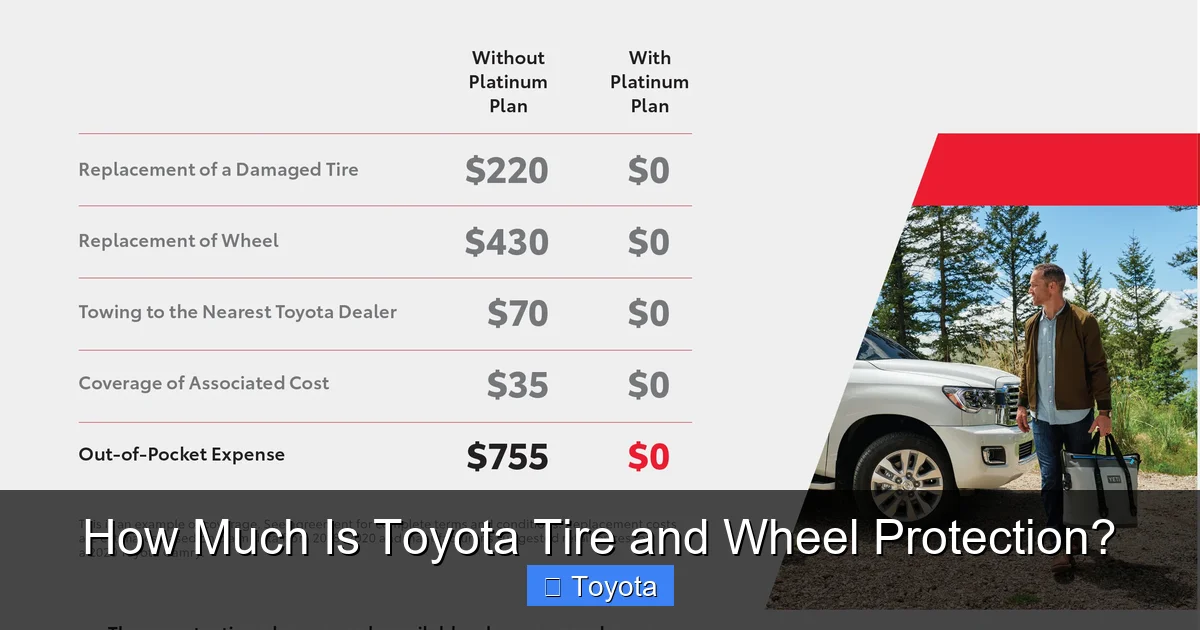
Before we dive into pricing, let’s clarify what Toyota tire and wheel protection actually is. This is an optional service contract—often called a “protection plan” or “road hazard warranty”—that covers the cost of repairing or replacing your tires and wheels if they’re damaged by road hazards.
Unlike your standard auto insurance, which typically covers accidents, theft, or weather-related damage, tire and wheel protection focuses specifically on everyday wear and tear caused by driving conditions. Think nails in the road, broken glass, potholes, curbs, and debris. These are common culprits that can ruin a tire or bend a wheel, and they’re not always covered under your regular policy.
Toyota’s official tire and wheel protection plan is usually offered through the dealership at the time of purchase. It’s administered by a third-party provider (often a company like JM&A Group or CNA National Warranty), but it’s branded and sold as a Toyota-approved product. This means you’re getting a plan that’s designed specifically for Toyota vehicles and backed by the brand’s reputation.
What’s Covered?
So, what exactly does the plan cover? In most cases, Toyota tire and wheel protection includes:
– Repair or replacement of tires damaged by road hazards (nails, screws, glass, etc.)
– Repair or replacement of wheels bent or cracked from potholes or curbs
– Labor costs for mounting, balancing, and valve stem replacement
– Coverage for both factory-installed and approved aftermarket wheels (in some cases)
It’s important to note that the plan usually doesn’t cover normal wear and tear, tire aging, or damage from accidents, vandalism, or improper maintenance. For example, if your tire blows out because it’s old and dry-rotted, that’s not covered. But if a nail punctures a brand-new tire, you’re likely protected.
What’s Not Covered?
While the coverage is generous, there are limits. Common exclusions include:
– Damage from racing, off-roading, or misuse
– Cosmetic damage that doesn’t affect performance (like minor scuffs)
– Tires or wheels that were already damaged before the plan was purchased
– Damage caused by improper inflation or alignment issues
Always read the fine print of your specific plan to understand what’s included and what’s not. Coverage details can vary slightly between dealerships and plan tiers.
How Much Does It Cost?
Visual guide about How Much Is Toyota Tire and Wheel Protection?
Image source: di-sitebuilder-assets.s3.amazonaws.com
Now, let’s get to the heart of the question: How much is Toyota tire and wheel protection?
As mentioned earlier, the cost typically ranges from $200 to $600. But let’s break that down further so you can get a clearer picture.
Factors That Affect Pricing
Several factors influence the final price of your tire and wheel protection plan:
1. Vehicle Model and Size
Larger vehicles with bigger wheels and tires cost more to repair or replace. For example, a Toyota Camry with 17-inch wheels will likely have a lower protection cost than a Toyota Tacoma with 20-inch alloy rims. Luxury trims with premium wheels (like the TRD Pro or Limited editions) may also come with higher-priced plans.
2. Coverage Level
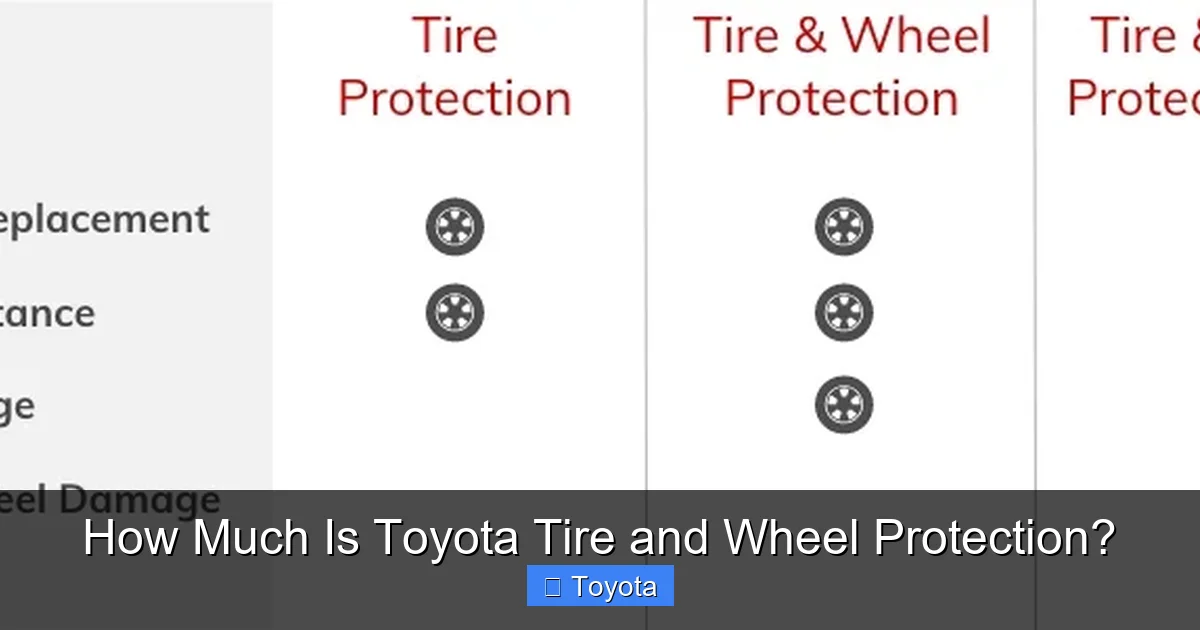
Most dealerships offer multiple tiers of coverage. A basic plan might cover only tire repairs, while a premium plan includes wheel replacement, cosmetic damage, and even roadside assistance. The more comprehensive the coverage, the higher the price.
3. Deductible and Claim Limits
Some plans have no deductible—meaning you pay nothing out of pocket when you make a claim. Others may require a small fee per incident. Additionally, plans often have per-claim limits (e.g., $300 per tire) and a total lifetime limit (e.g., $2,500). Higher limits usually mean higher upfront costs.
4. Dealership Markup
Dealerships are known for adding markups to protection plans. The same plan might cost $300 at one dealership and $450 at another. It pays to shop around or negotiate the price, especially if you’re buying a new car.
5. Location
Prices can vary by region due to differences in labor costs, road conditions, and demand. For instance, drivers in urban areas with rough roads might see higher prices due to increased risk.
Real-World Pricing Examples
To give you a better idea, here are some approximate price ranges based on real customer reports and dealership quotes:
– Toyota Corolla (compact sedan): $200–$350
Smaller wheels and tires mean lower repair costs, so the protection plan is more affordable.
– Toyota Camry (mid-size sedan): $250–$400
Slightly larger wheels and higher trim options can push the price up.
– Toyota RAV4 (compact SUV): $300–$450
Popular SUV with standard 17–19 inch wheels. Higher demand and larger components increase the cost.
– Toyota Highlander (mid-size SUV): $350–$500
Larger vehicle with optional 20-inch wheels. Premium trims can push the price toward the higher end.
– Toyota 4Runner or Tacoma (trucks/SUVs): $400–$600
Off-road capable vehicles with rugged wheels and tires. These often come with the most expensive protection plans due to higher replacement costs.
Keep in mind that these are estimates. Always ask for a written quote from your dealership to get an accurate price.
Is Toyota Tire and Wheel Protection Worth It?
Visual guide about How Much Is Toyota Tire and Wheel Protection?
Image source: toyotafinancial-h.assetsadobe.com
Now that you know the cost, the big question is: Is it worth it?
The answer depends on your driving habits, location, and budget. Let’s look at some scenarios where the protection makes sense—and where it might not.
When It’s Worth It
1. You Drive in Areas with Poor Road Conditions
If you live in a city with potholes, construction zones, or debris-filled streets, your tires and wheels are at higher risk. A single pothole can bend a wheel or ruin a tire—costing $200–$800 to fix. With protection, you pay a small fee (or nothing) and get it repaired or replaced.
2. You Have Expensive Wheels
Factory alloy wheels or aftermarket rims can cost $300–$1,000 each. If you’ve invested in stylish or performance wheels, protecting them makes financial sense.
3. You Drive Frequently or Long Distances
The more you drive, the higher your chances of encountering road hazards. Frequent commuters or road-trippers benefit from the added security.
4. You Want Peace of Mind
Even if you’re careful, accidents happen. Knowing you’re covered can reduce stress and unexpected expenses.
When It Might Not Be Worth It
1. You Drive Mostly on Smooth, Well-Maintained Roads
If you live in a rural area with little traffic and good infrastructure, your risk is lower. You might save money by skipping the plan.
2. You Plan to Sell the Car Soon
Most protection plans are tied to the original owner and may not transfer easily. If you’re keeping the car for only 2–3 years, the cost might not justify the benefit.
3. You’re on a Tight Budget
If every dollar counts, you might prefer to set aside a small emergency fund instead of paying for protection upfront.
Real-Life Example
Let’s say you buy a Toyota RAV4 with 19-inch alloy wheels. The tire and wheel protection plan costs $400. A year later, you hit a deep pothole and bend one wheel. The repair quote is $600. Without protection, you pay $600. With protection, you pay $0 (no deductible). You’ve already saved $200—and that’s just one incident. If you have another issue down the road, the savings add up.
How to Use Toyota Tire and Wheel Protection
So, you’ve bought the plan. Now what? How do you actually use it when you need it?
Step 1: Know Your Coverage
First, read your plan documents carefully. Understand what’s covered, what’s not, and how to file a claim. Most plans come with a welcome kit or digital access via a mobile app.
Step 2: Find an Approved Repair Shop
Toyota tire and wheel protection usually requires you to use an authorized repair facility. This could be a Toyota dealership, a certified tire shop, or a network provider like Firestone or Discount Tire (depending on the plan). Using an unauthorized shop may void your coverage.
Step 3: File a Claim
When you have damage, contact the plan administrator (not Toyota directly). You’ll need to provide:
– Your vehicle information
– Photos of the damage
– A repair estimate from an approved shop
The administrator will review your claim and approve the repair or replacement.
Step 4: Get It Fixed
Once approved, take your vehicle to the repair shop. The shop will handle the billing directly with the provider—so you won’t pay out of pocket (assuming no deductible).
Tips for a Smooth Experience
– Keep your plan documents in your glove compartment.
– Take photos of your tires and wheels when you first get the car (for comparison).
– Report damage as soon as possible—don’t wait.
– Ask the repair shop if they’re familiar with the plan to avoid delays.
Alternatives to Toyota’s Official Plan
While Toyota’s tire and wheel protection is convenient, it’s not your only option. You might find better deals or more flexible terms with third-party providers.
Third-Party Protection Plans
Companies like Endurance, CarShield, and Protect My Car offer similar tire and wheel protection plans. These can be cheaper—sometimes 20–30% less than dealership prices—and may offer more customization.
However, be cautious. Not all third-party plans are created equal. Some have hidden fees, slow claim processing, or limited repair networks. Always read reviews and check the company’s BBB rating before buying.
Credit Card Benefits
Some premium credit cards (like the Chase Sapphire Reserve or American Centurion Card) offer purchase protection that includes tire and wheel damage for a limited time after purchase. This won’t last forever, but it can provide short-term coverage.
Self-Insurance
Another option is to skip the plan and set aside $50–$100 per year in a dedicated savings account. Over time, this “self-insurance” fund can cover minor repairs. It works best if you’re a low-risk driver and good at saving.
Final Thoughts: Should You Buy It?
So, how much is Toyota tire and wheel protection? Between $200 and $600. Is it worth it? That depends.
If you drive often, live in a rough area, or have expensive wheels, the protection can save you money and hassle. It’s especially valuable for new car buyers who want to protect their investment.
But if you’re a casual driver on smooth roads, or you’re planning to sell soon, you might be better off skipping it—or shopping around for a cheaper alternative.
The key is to weigh the cost against your personal risk. Ask yourself: How likely am I to damage a tire or wheel? How much would that cost me out of pocket? And how much peace of mind is worth to me?
At the end of the day, Toyota tire and wheel protection isn’t for everyone—but for many drivers, it’s a smart, affordable way to stay protected on the road.
Frequently Asked Questions
How much does Toyota tire and wheel protection cost?
The cost typically ranges from $200 to $600, depending on your vehicle model, coverage level, and dealership. Larger vehicles with premium wheels usually cost more.
What does Toyota tire and wheel protection cover?
It covers repair or replacement of tires and wheels damaged by road hazards like potholes, nails, glass, and debris. It usually includes labor costs and has no deductible.
Can I transfer the protection plan if I sell my car?
Some plans are transferable to a new owner, which can increase your vehicle’s resale value. Check your specific plan terms to confirm.
Is there a limit to how much I can claim?
Yes, most plans have a per-incident limit (e.g., $300–$500) and a total lifetime limit (e.g., $2,000–$3,000). Review your contract for exact numbers.
Do I have to use a Toyota dealership for repairs?
Not always. Many plans allow repairs at certified third-party shops like Firestone or Discount Tire. Just make sure the shop is approved by the plan administrator.
Is tire and wheel protection the same as tire insurance?
They’re similar, but not identical. Tire insurance often covers more scenarios (like blowouts from overinflation), while protection plans focus on road hazard damage. Always compare the details.
