
Are Toyota Tacoma Camper Shells Interchangeable?

Most Toyota Tacoma camper shells are not fully interchangeable due to differences in bed dimensions, cab configurations, and mounting systems across model generations. However, some shells may fit with modifications or adapters, especially within the same generation or when upgrading between similar bed lengths.
If you’re a Toyota Tacoma owner looking to add a camper shell—also known as a truck cap or canopy—you’ve probably asked yourself: *Can I just buy any shell and slap it on?* The short answer? Not really. While it might seem like all camper shells are created equal, the reality is far more nuanced. The compatibility of Toyota Tacoma camper shells depends on a mix of factors including your truck’s model year, bed length, cab configuration, and even the type of mounting system used. In this guide, we’ll break down everything you need to know about whether Tacoma camper shells are interchangeable, so you can make an informed decision without wasting time or money.
The Toyota Tacoma has been a favorite among off-roaders, overlanders, and weekend adventurers for decades. Its rugged build, reliability, and versatility make it an ideal platform for customization—especially when it comes to adding a camper shell. These shells transform your truck bed into a secure, weatherproof space for gear, sleeping, or even living on the road. But because the Tacoma has undergone several major redesigns since its introduction in the mid-1990s, not all shells will fit every model. What worked on a 2003 Tacoma might not fit a 2023, even if they look similar at first glance.
So, are Toyota Tacoma camper shells interchangeable? The truth lies somewhere in the middle. Some shells can be swapped between certain models with little to no modification, while others require significant adjustments—or simply won’t work at all. Understanding the key differences between Tacoma generations and how they affect shell compatibility is essential. In this article, we’ll explore the evolution of the Tacoma’s bed design, examine the role of bed length and cab type, and offer practical advice on finding—or adapting—a camper shell that fits your truck like a glove.
Key Takeaways
- Bed length matters: Tacoma camper shells must match your truck’s bed size—short (5-foot), standard (6-foot), or long (6-foot on extended cabs)—to fit properly.
- Model year compatibility varies: Shells from earlier generations (1995–2004, 2005–2015, 2016–present) often don’t fit newer models due to body and bed design changes.
- Cab configuration affects fit: Access Cab and Double Cab models have different bed attachments and rear window placements, influencing shell compatibility.
- Aftermarket vs. OEM shells: Third-party manufacturers may offer more flexible designs, but OEM shells are engineered specifically for certain Tacoma years and trims.
- Mounting systems differ: Clamp styles, rail designs, and sealing mechanisms have evolved, making older shells incompatible without retrofitting.
- Modifications can help: With custom brackets, sealants, or trimming, some shells can be adapted—but this may void warranties or compromise weather resistance.
- Always measure before buying: Verify your Tacoma’s bed dimensions, cab type, and model year to ensure a proper fit, even if a shell claims to be “universal.”
📑 Table of Contents
Understanding Toyota Tacoma Generations and Bed Design
To determine whether a camper shell is interchangeable, you first need to understand how the Toyota Tacoma has changed over the years. The Tacoma has gone through three major generations, each with distinct body styles, bed configurations, and mounting points. These changes directly impact whether a shell from one era will fit another.
First Generation (1995–2004)
The first-generation Tacoma featured a more compact design with a shorter wheelbase and narrower bed. Available in both regular cab and extended cab (Access Cab) configurations, these trucks typically came with a 6-foot bed. The bed sides were relatively straight, and the tailgate design was simpler compared to later models. Camper shells from this era were often made with basic clamp systems and minimal sealing, which means they may not provide the same level of weather resistance as modern options.
One key limitation of first-gen shells is their narrower bed width. If you try to install a first-generation shell on a newer Tacoma, it will likely be too narrow, leaving gaps along the sides. Additionally, the cab-to-bed transition is different, which can affect how the shell seals against the cab window. While some enthusiasts have successfully adapted older shells with custom brackets and sealant, it’s not a straightforward swap.
Second Generation (2005–2015)
The second-generation Tacoma marked a significant redesign. Toyota increased the truck’s overall size, widened the bed, and introduced the Double Cab option, which offered more interior space and a shorter 5-foot bed. This generation also saw improvements in bed construction, including reinforced mounting points and better integration with the cab.
Because of these changes, second-gen shells are not compatible with first-gen trucks—and vice versa. The wider bed and updated cab design mean that shells must be specifically designed for this generation. However, within the second generation, there is more interchangeability. For example, a shell made for a 2005 Tacoma will likely fit a 2015 model with minimal issues, as long as the bed length and cab type match.
Third Generation (2016–Present)
The current-generation Tacoma continues the trend of evolution. While it retains the same basic bed dimensions as the second generation, Toyota made subtle but important changes to the bed rails, tailgate, and cab interface. The third-gen Tacoma also introduced updated safety and aerodynamic features, which can affect how a camper shell mounts and seals.
One of the biggest differences in the third generation is the introduction of the TRD Pro and Trail Edition models, which come with unique bed features like integrated tie-downs and reinforced panels. These can interfere with older shell designs that rely on standard mounting points. Additionally, the cab window shape and rear door alignment have been tweaked, meaning shells must be precisely engineered to fit.
In summary, while there is some overlap in compatibility within the same generation, shells are generally not interchangeable across generations. Always check your Tacoma’s model year and compare it to the shell’s intended fitment before making a purchase.
Bed Length and Cab Configuration: The Make-or-Break Factors
Visual guide about Are Toyota Tacoma Camper Shells Interchangeable?
Image source: low-offset.com
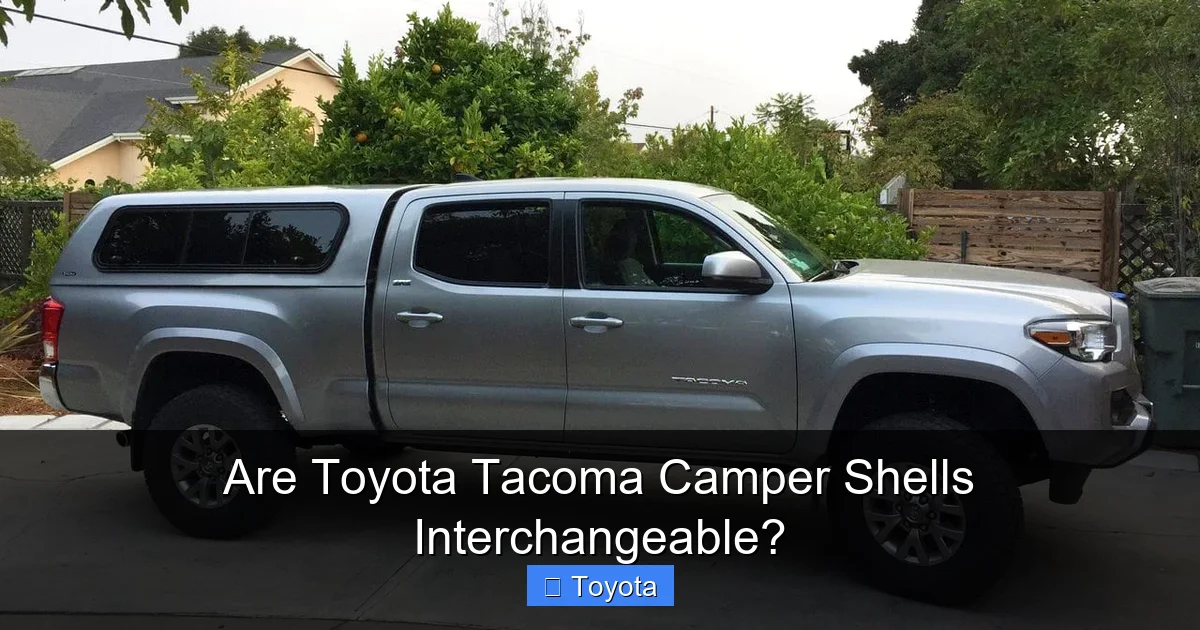
Even within the same generation, not all Tacoma camper shells are created equal. Two of the most critical factors affecting interchangeability are bed length and cab configuration. Getting these right is essential for a proper fit.
Short Bed (5-Foot) vs. Standard/Long Bed (6-Foot)
The Toyota Tacoma comes in two primary bed lengths: 5-foot (short bed) and 6-foot (standard or long bed). The short bed is typically found on Double Cab models, while Access Cab and Regular Cab trucks usually have the 6-foot bed. This difference is crucial because camper shells are designed to match the exact length of the bed.
Attempting to install a 6-foot shell on a 5-foot bed will result in overhang, poor sealing, and potential damage to the shell or truck. Conversely, a 5-foot shell on a 6-foot bed will leave a large gap at the front, exposing your gear to the elements. Some manufacturers offer “universal” shells that claim to fit both lengths, but these often require trimming or modification and may not provide a secure fit.
For example, a Leer 100XR shell designed for a 2020 Tacoma Double Cab (5-foot bed) will not fit a 2020 Tacoma Access Cab (6-foot bed) without significant alterations. Always verify your truck’s bed length—found in the owner’s manual or by measuring from the front of the bed to the tailgate—before buying a shell.
Access Cab vs. Double Cab: Mounting and Sealing Differences
The cab configuration also plays a major role in shell compatibility. Access Cab models have smaller rear windows and a different cab-to-bed transition compared to Double Cab trucks. This affects how the shell seals against the cab and where mounting clamps can be attached.
Double Cab models have larger rear windows and a more integrated design, which allows for better sealing and more secure mounting. Shells designed for Double Cabs often include additional weather stripping and reinforced clamps to accommodate the larger surface area. If you try to use a Double Cab shell on an Access Cab, you may find that it doesn’t seal properly or that the clamps don’t align with the bed rails.
Additionally, some shells are designed with specific features for Double Cab models, such as integrated third brake light cutouts or rear window defroster compatibility. These features won’t function correctly—or at all—on an Access Cab, reducing the shell’s usability and safety.
Practical Example: Swapping Shells Between Similar Models
Let’s say you own a 2012 Tacoma Access Cab with a 6-foot bed and want to upgrade to a newer shell from a 2014 model. In this case, the swap is likely to work with minimal issues, as both trucks are from the same generation and have matching bed and cab configurations. However, if you try to install a 2018 Double Cab shell (5-foot bed) on your 2012 Access Cab, it simply won’t fit—no matter how much you tweak it.
This highlights the importance of matching not just the model year, but also the bed length and cab type. When in doubt, consult the manufacturer’s fitment guide or contact the seller directly to confirm compatibility.
Aftermarket vs. OEM Camper Shells: What’s the Difference?
Visual guide about Are Toyota Tacoma Camper Shells Interchangeable?
Image source: low-offset.com
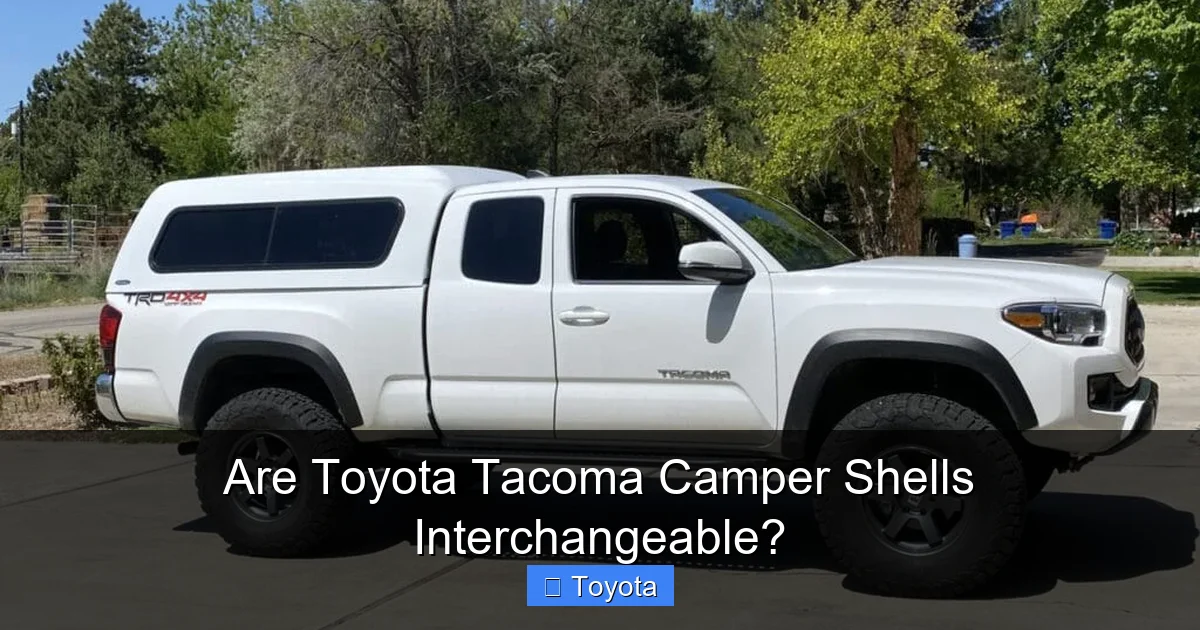
When shopping for a camper shell, you’ll encounter two main types: OEM (Original Equipment Manufacturer) and aftermarket. Understanding the differences between them can help you make a smarter choice—and avoid compatibility issues.
OEM Shells: Precision Fit, Limited Options
OEM shells are made by Toyota or its authorized partners and are designed specifically for certain Tacoma models. These shells are engineered to match the exact dimensions, mounting points, and sealing requirements of your truck. As a result, they offer the best fit, finish, and weather resistance.
For example, a Toyota OEM shell for a 2021 Tacoma TRD Off-Road Double Cab will fit that truck perfectly, with no gaps, misalignments, or leaks. However, OEM shells are often more expensive and have limited availability. They may also lack the customization options found in aftermarket models, such as roof racks, windows, or interior lighting.
Because OEM shells are model-specific, they are rarely interchangeable between different Tacoma generations or configurations. A 2010 OEM shell won’t fit a 2020 Tacoma, even if they look similar.
Aftermarket Shells: Flexibility and Customization
Aftermarket manufacturers like Leer, ARE, SnugTop, and Rugged Mountain produce camper shells for a wide range of trucks, including the Tacoma. These shells often offer more features, styles, and price points than OEM options. Many are designed to be “universal” or “multi-fit,” meaning they can be adapted to multiple truck models with minor adjustments.
While this flexibility is appealing, it comes with trade-offs. Aftermarket shells may not fit as precisely as OEM models, especially if they’re designed to fit multiple truck brands or generations. Some may require custom drilling, trimming, or additional sealant to achieve a proper fit.
That said, many aftermarket brands offer Tacoma-specific shells that are engineered for precise fitment. For example, Leer’s 100XR series includes models tailored to the 2016–2023 Tacoma Double Cab with a 5-foot bed. These shells are built to match the truck’s contours and mounting points, offering a near-OEM fit.
Can You Mix and Match?
In some cases, you can use an aftermarket shell from one generation on a different Tacoma model—but only if the bed length, cab type, and mounting system are compatible. For instance, a 2008 Leer shell designed for a 6-foot Access Cab may fit a 2014 Access Cab with the same bed length, even though the trucks are from different generations.
However, this isn’t guaranteed. Always check the manufacturer’s fitment chart and, if possible, test the shell before final installation. Some aftermarket brands provide detailed compatibility guides that list exact model years and configurations.
Mounting Systems and Sealing: Why They Matter
Visual guide about Are Toyota Tacoma Camper Shells Interchangeable?
Image source: i.pinimg.com
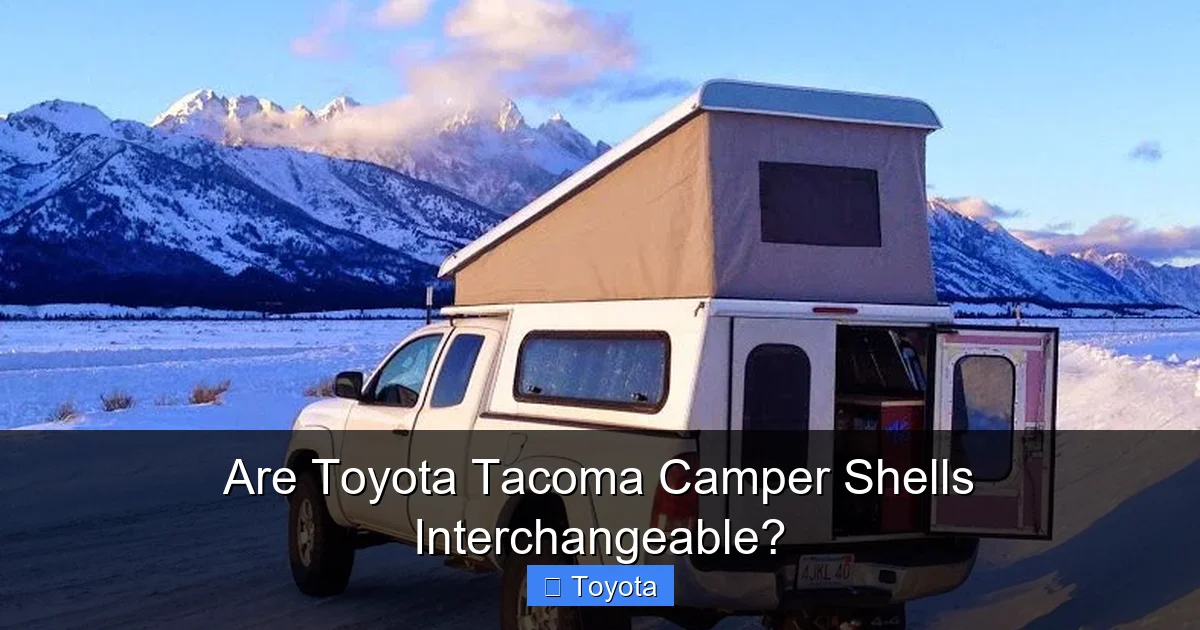
Even if a camper shell appears to fit your Tacoma’s bed dimensions, the mounting system and sealing mechanism can make or break the installation. These components have evolved over time, affecting interchangeability.
Clamp Styles and Rail Designs
Early Tacoma models used simple J-clamps or U-bolts to secure camper shells to the bed rails. These systems were effective but prone to loosening over time, especially on rough terrain. Newer models often use more advanced clamp designs, such as lever-action clamps or rail-mounted systems, which provide a tighter, more secure hold.
If you’re trying to install an older shell with J-clamps on a newer Tacoma, you may find that the bed rails are too thick or shaped differently, preventing proper clamping. Conversely, a modern shell with lever clamps may not fit on an older truck with narrow or uneven rails.
Weather Sealing and Cab Interface
A good camper shell should keep rain, dust, and wind out of your truck bed. This requires a tight seal between the shell and the cab window, as well as around the sides and rear. Over the years, Toyota has improved the cab-to-bed interface, making it easier to achieve a watertight seal.
Older shells may not have the same level of weather stripping or may use outdated sealing methods, leading to leaks. Additionally, the shape of the cab window and rear door has changed, so a shell designed for a 2005 Tacoma may not seal properly on a 2020 model.
Some aftermarket shells include adjustable seals or compression gaskets that can accommodate slight variations in cab design. However, these are not a substitute for proper fitment.
Third Brake Light and Electrical Compatibility
Modern Tacomas come with integrated third brake lights and sometimes rear window defrosters. Camper shells must be designed to accommodate these features. If you install a shell that doesn’t have a cutout for the brake light, you may block visibility and violate traffic laws.
Similarly, shells with built-in lighting or power outlets need to be compatible with your truck’s electrical system. Older shells may not have these features, while newer ones may require additional wiring or adapters.
Can You Modify a Shell to Fit?
If you’re determined to use a non-compatible camper shell, modification is possible—but it comes with risks and limitations.
Custom Brackets and Adapters
One common solution is to fabricate custom brackets or adapters that bridge the gap between the shell and the truck bed. This can involve welding, drilling, or using aftermarket mounting kits. While this approach can work, it requires mechanical skill and may void warranties.
For example, some Tacoma owners have successfully installed second-generation shells on third-generation trucks by adding custom rail extensions. However, this can compromise the shell’s structural integrity and reduce weather resistance.
Trimming and Sealing
If the shell is slightly too wide or long, you may be able to trim the fiberglass or composite material to fit. This should only be done with the right tools and expertise, as improper cutting can weaken the shell or create sharp edges.
After trimming, you’ll need to apply high-quality sealant around all edges to prevent leaks. Products like 3M Marine Adhesive Sealant or Sikaflex are recommended for this purpose.
Professional Installation
If you’re not confident in your ability to modify a shell, consider hiring a professional installer. Many truck accessory shops specialize in camper shell installations and can assess whether a shell can be adapted to your Tacoma. They may also offer custom fabrication services.
Keep in mind that even with modifications, a non-compatible shell may never perform as well as one designed for your specific truck. You may experience leaks, wind noise, or reduced security.
Tips for Buying the Right Camper Shell
To avoid compatibility headaches, follow these practical tips when shopping for a Toyota Tacoma camper shell.
1. Know Your Truck’s Specs
Before you start shopping, gather the following information:
– Model year (e.g., 2018)
– Cab type (Access Cab or Double Cab)
– Bed length (5-foot or 6-foot)
– Trim level (SR, SR5, TRD Sport, TRD Off-Road, Limited, etc.)
You can find this information in your owner’s manual, on the door jamb sticker, or by measuring the bed.
2. Use Manufacturer Fitment Guides
Most reputable camper shell brands provide online fitment guides. Enter your truck’s details to see which shells are compatible. For example, Leer’s website allows you to select your Tacoma’s year, cab, and bed length to find the right model.
3. Buy from Reputable Sellers
Purchase your shell from a trusted dealer or directly from the manufacturer. Avoid used shells from unknown sources, as they may be damaged or modified.
4. Consider Future Upgrades
If you plan to upgrade your Tacoma in the future, consider whether your shell will still fit. Some owners buy shells designed for newer models and store them until they upgrade their truck.
5. Test Fit Before Final Installation
If possible, test-fit the shell before securing it permanently. This allows you to check for gaps, misalignments, or sealing issues.
Conclusion
So, are Toyota Tacoma camper shells interchangeable? The answer is: it depends. While some shells can be swapped between similar models—especially within the same generation and with matching bed and cab configurations—most are not universally compatible. Differences in bed length, cab design, mounting systems, and sealing mechanisms mean that a one-size-fits-all approach simply doesn’t work.
The best way to ensure a proper fit is to match your shell to your truck’s exact specifications. Whether you choose an OEM or aftermarket model, always verify compatibility before purchasing. And if you’re considering a modification, weigh the risks against the benefits.
Ultimately, the right camper shell can transform your Tacoma into a versatile adventure machine. But taking the time to find the perfect fit will save you frustration, money, and potential damage down the road. With the right knowledge and preparation, you can enjoy a secure, weatherproof bed space that’s built to last.
Frequently Asked Questions
Can I use a 2005 Tacoma camper shell on a 2020 model?
No, a 2005 Tacoma camper shell will not fit a 2020 model due to differences in bed width, cab design, and mounting systems. The trucks are from different generations and have significant structural changes.
Will a 5-foot bed shell fit a 6-foot bed Tacoma?
No, a 5-foot shell is too short for a 6-foot bed and will leave a large gap at the front. This exposes your gear to weather and reduces security.
Are aftermarket shells more interchangeable than OEM?
Aftermarket shells can be more flexible, but they’re not universally interchangeable. Many are designed for specific models, and “universal” claims often require modifications.
Can I modify a shell to fit my Tacoma?
Yes, with custom brackets, trimming, or sealant, some shells can be adapted. However, this may compromise fit, safety, and warranty coverage.
Do all Tacoma camper shells include a third brake light cutout?
No, only shells designed for newer Tacoma models include a cutout for the third brake light. Older or universal shells may block the light, which is illegal in many areas.
How do I measure my Tacoma’s bed length?
Measure from the front of the bed (behind the cab) to the inside of the tailgate. A 5-foot bed is approximately 60 inches, while a 6-foot bed is about 72 inches.
