
How to Install a Cargo Net in a 2023 Toyota Rav4

Installing a cargo net in your 2023 Toyota RAV4 is a simple way to keep groceries, luggage, and gear from sliding around in the trunk. With just a few tools and under 15 minutes, you can enhance safety and organization using built-in anchor points or aftermarket solutions.
Key Takeaways
- Use factory anchor points: The 2023 RAV4 comes with built-in tie-down hooks in the cargo area, making installation quick and secure.
- Choose the right cargo net: Opt for a net designed specifically for the RAV4 or one with adjustable straps and hooks for a snug fit.
- Install in under 15 minutes: Most cargo nets require no tools and can be attached by simply hooking them to the anchor points.
- Ensure proper tension: A well-tensioned net prevents sagging and keeps items secure during sudden stops or turns.
- Maintain accessibility: Position the net so it doesn’t block access to the spare tire compartment or rear seats.
- Check compatibility with accessories: If you use a cargo tray or liner, ensure the net doesn’t interfere with its function.
- Regularly inspect for wear: Over time, straps and hooks can degrade—check them before long trips.
📑 Table of Contents
Why You Need a Cargo Net in Your 2023 Toyota RAV4
Driving with loose items in the back of your SUV might seem harmless—until you slam on the brakes and hear a crash. A sudden stop can send groceries, sports gear, or even a laptop flying forward, potentially damaging your belongings or becoming a safety hazard. That’s where a cargo net comes in. It’s a simple, affordable solution that keeps everything in place, giving you peace of mind on every drive.
The 2023 Toyota RAV4 is a versatile compact SUV loved for its reliability, fuel efficiency, and spacious interior. Whether you’re hauling camping equipment, weekly groceries, or kids’ backpacks, the cargo area can quickly become cluttered. A cargo net acts like a flexible barrier, holding items upright and preventing them from shifting. Plus, it’s especially useful if you frequently fold down the rear seats—without a net, items can roll into the footwell or get crushed.
Beyond safety, a cargo net improves organization. Instead of digging through a jumbled pile of bags, you can see and reach what you need quickly. It also protects your RAV4’s interior. Spills, dirt, and sharp edges from unsecured items can scratch or stain the carpet and upholstery. A net keeps things contained, making cleanup easier and preserving your vehicle’s resale value.
Understanding Your RAV4’s Cargo Area
Before installing a cargo net, it’s important to understand the layout of your 2023 RAV4’s cargo space. Toyota designed this model with practicality in mind, including several built-in features that make securing cargo easier.

Visual guide about How to Install a Cargo Net in a 2023 Toyota Rav4
Image source: paultan.org
Factory-Installed Anchor Points
The 2023 RAV4 comes equipped with four fixed tie-down hooks located in the corners of the cargo floor. These are metal D-rings embedded into the floor pan, typically positioned near the rear bumper and under the rear seats. They’re rated to hold significant weight—usually up to 220 pounds each—making them ideal for attaching cargo nets, straps, or bungee cords.
To locate them, open the rear hatch and look along the sides of the cargo area. You’ll see small metal loops near the floor. Some models may have additional anchor points along the sides or under the cargo cover. These hooks are part of Toyota’s cargo management system and are designed to work seamlessly with OEM and aftermarket accessories.
Cargo Floor and Hidden Compartment
The RAV4 features a dual-level cargo floor. You can lift the main floor panel to reveal a hidden storage compartment—perfect for stashing valuables or emergency supplies. When installing a cargo net, avoid placing heavy items directly on this panel if it’s not fully supported. Instead, use the net to secure items above the floor, or ensure the net doesn’t interfere with the lift mechanism.
Additionally, the cargo floor has a non-slip surface, which helps reduce movement. However, it’s not enough on its own—especially on bumpy roads or during sharp turns. That’s why combining the textured floor with a cargo net provides the best protection.
Rear Seat Configuration
The 2023 RAV4 has a 60/40 split-folding rear seat, allowing you to expand cargo space when needed. When the seats are up, the cargo net can be installed behind them to separate passenger and cargo areas. When folded, the net can span the entire cargo length, securing larger items like luggage or outdoor gear.
Keep in mind that the rear seatbacks are slightly angled when upright. If you’re using a vertical cargo net, make sure it doesn’t press against the seats, which could cause discomfort for passengers or damage the net over time.
Choosing the Right Cargo Net for Your RAV4
Not all cargo nets are created equal. With so many options on the market, it’s important to choose one that fits your RAV4’s dimensions and meets your needs.
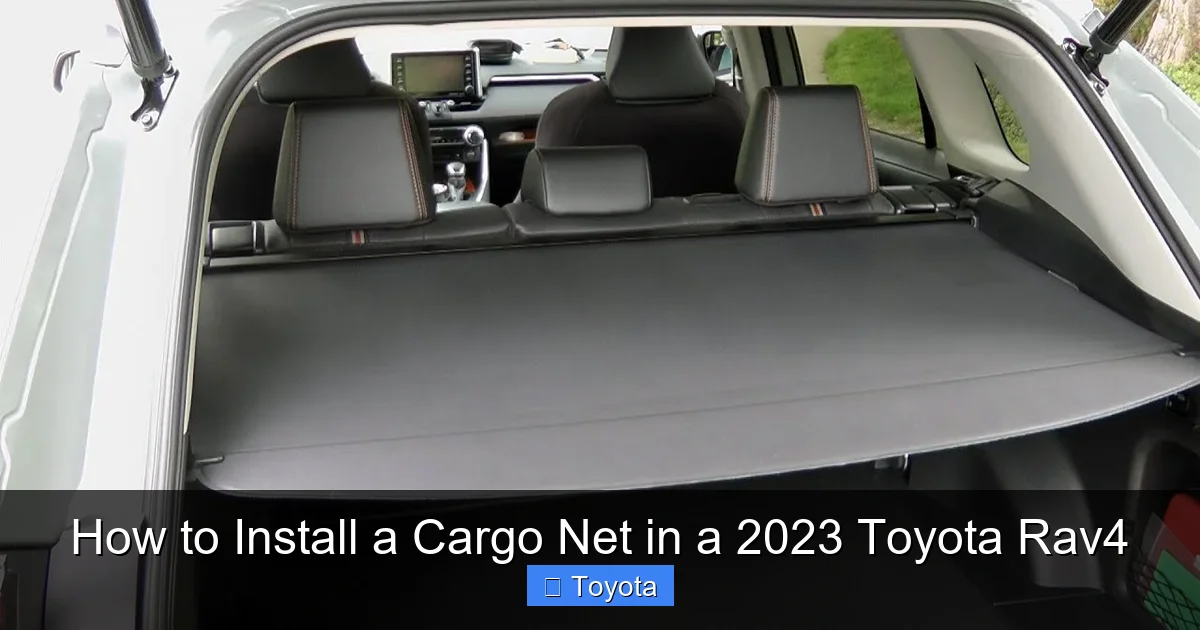
Visual guide about How to Install a Cargo Net in a 2023 Toyota Rav4
Image source: i.ytimg.com
OEM vs. Aftermarket Options
Toyota offers an official cargo net designed specifically for the 2023 RAV4. This OEM (original equipment manufacturer) net is made to fit perfectly, with hooks that align exactly with the factory anchor points. It’s durable, easy to install, and backed by Toyota’s warranty. However, it can be more expensive than third-party alternatives.
Aftermarket cargo nets are widely available from brands like WeatherTech, Highland, and SmartStraps. These often come with adjustable straps, stronger elastic webbing, and additional features like reflective strips for visibility. Many are universal-fit but include instructions for RAV4 installation. Look for nets with reinforced stitching and rust-resistant hooks.
Net Types: Elastic vs. Rigid
Cargo nets come in two main styles: elastic and rigid. Elastic nets are made of stretchy webbing and are great for holding irregularly shaped items. They conform to your load and provide constant tension. However, over time, elastic can lose its stretch, especially in extreme temperatures.
Rigid nets use non-stretch materials like polyester webbing with adjustable buckles. They offer more consistent tension and are better for heavy or bulky items. Some models combine both—elastic sections for flexibility and rigid straps for anchoring.
Size and Coverage
Measure your RAV4’s cargo area before buying. The standard cargo floor is approximately 40 inches wide and 30 inches deep with the seats up. A net that’s too small won’t cover the entire area, while one that’s too large may sag or get tangled.
For full coverage, choose a net that spans from side to side and front to back. Some nets come in multiple sizes or are expandable. If you frequently fold the rear seats, consider a longer net that can adapt to both configurations.
Attachment Mechanism
Most cargo nets use S-hooks, carabiners, or clip-style fasteners. S-hooks are simple and secure but can scratch surfaces if not padded. Carabiners are stronger and easier to attach but may be bulkier. Clip-style hooks are quick to use but may not hold as firmly under heavy loads.
Look for nets with rubber-coated hooks to protect your RAV4’s interior. Also, ensure the hooks are sized correctly for the anchor points—too loose, and they could detach; too tight, and they’re hard to install.
Step-by-Step Installation Guide
Installing a cargo net in your 2023 RAV4 is straightforward and requires no special tools. Follow these steps for a secure, professional-looking setup.
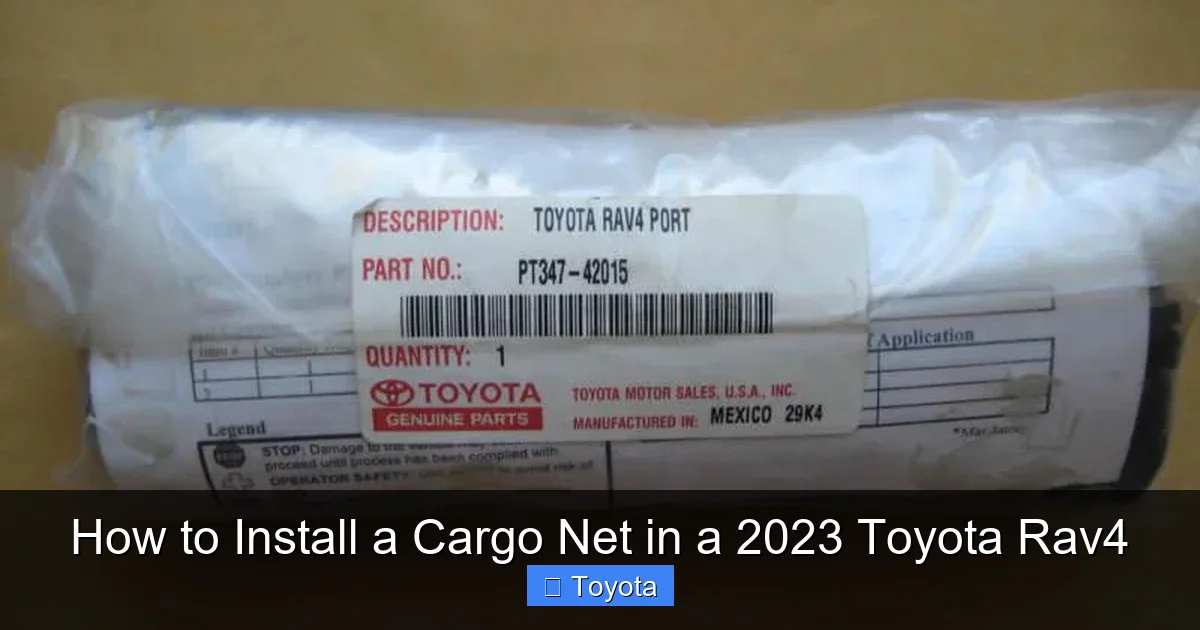
Visual guide about How to Install a Cargo Net in a 2023 Toyota Rav4
Image source: 2040-parts.com
Step 1: Prepare the Cargo Area
Start by clearing out the trunk. Remove any items, liners, or covers that might interfere with installation. If you’re using a cargo tray, make sure it’s clean and dry. This ensures the net sits flat and doesn’t slip.
Next, locate the four anchor points. Open the rear hatch and look for the metal D-rings in each corner of the cargo floor. Wipe them clean with a damp cloth to remove dust or debris that could weaken the grip.
Step 2: Unpack and Inspect the Net
Remove the cargo net from its packaging and lay it flat on the cargo floor. Check for any defects—frayed straps, loose stitching, or damaged hooks. If anything looks wrong, contact the manufacturer before installing.
Identify the attachment points on the net. Most have four hooks—one for each corner. Some models include additional side hooks or center anchors. Familiarize yourself with how the net is designed to stretch and where the tension points are.
Step 3: Attach the Hooks to the Anchor Points
Begin with the rear hooks. Hook the net’s rear corners to the anchor points near the bumper. Make sure the hooks are fully seated and facing the correct direction—most S-hooks should curve inward toward the center of the cargo area.
Next, attach the front hooks to the anchor points near the rear seats. Pull the net taut as you hook it, but don’t overstretch it. The net should be snug but still have a little give to accommodate your cargo.
If your net has side hooks, attach them to any available side anchors or loop them around the seat brackets. This adds stability and prevents the net from shifting sideways.
Step 4: Adjust Tension and Secure Loose Straps
Once all hooks are attached, walk around the vehicle and check the net from all angles. It should be flat and wrinkle-free, with no sagging in the middle. If it’s loose, tighten the straps by pulling them through the buckles or adjusting the elastic tension.
Tuck any excess strap length into the net’s webbing or use a strap clip to secure it. Loose straps can flap in the wind or get caught on cargo, creating a hazard.
Step 5: Test the Installation
Place a few items in the cargo area—like a bag of groceries or a duffel bag—and gently push on them to simulate driving conditions. The net should hold them firmly in place without stretching excessively or detaching.
Take a short test drive around the block. Listen for any rattling or movement. If the net shifts, re-tighten the hooks or reposition the cargo. Once you’re confident it’s secure, you’re ready to hit the road.
Tips for Maintaining and Using Your Cargo Net
A cargo net is a long-term investment in your RAV4’s functionality. With proper care, it can last for years. Here’s how to keep it in top condition.
Regular Cleaning
Over time, dirt, spills, and moisture can build up on the net. Clean it every few months or after messy trips. Hand wash it with mild soap and water, then air dry completely before storing. Avoid harsh chemicals or machine washing, which can damage the fibers.
If the net gets wet, let it dry fully to prevent mold or mildew. Never store it damp, especially in a closed vehicle where humidity is high.
Inspect for Wear and Tear
Before long trips, inspect the net for signs of wear. Look for frayed edges, stretched elastic, or rusted hooks. Replace the net if you notice significant damage—using a compromised net can lead to cargo failure and safety risks.
Pay special attention to the attachment points. Hooks can bend or break under stress. If a hook is damaged, contact the manufacturer for a replacement or upgrade to a sturdier model.
Store Properly When Not in Use
When you’re not using the cargo net, store it in a cool, dry place. Avoid leaving it in direct sunlight for extended periods, as UV rays can weaken the material. Some nets come with a storage bag—use it to keep the net clean and tangle-free.
If you remove the net frequently, consider labeling the hooks or taking a photo of the installed setup. This makes reinstallation faster and ensures consistent tension.
Use with Other Cargo Accessories
Your cargo net works best when paired with other accessories. A cargo liner protects the floor from spills, while a cargo organizer keeps small items sorted. If you use a roof rack, remember that the net only secures items inside the vehicle—don’t rely on it for rooftop cargo.
For added security, combine the net with cargo straps for heavy items. This dual-layer approach gives you maximum control over your load.
Troubleshooting Common Installation Issues
Even with careful installation, you might run into a few hiccups. Here’s how to solve the most common problems.
Net Sags in the Middle
If the net droops when loaded, it may be too loose or not anchored properly. Reattach the hooks, pulling the net tighter before securing. If the net is old or stretched out, consider replacing it with a newer, more elastic model.
Hooks Won’t Stay Attached
This usually happens if the hooks are the wrong size or the anchor points are dirty. Clean the D-rings and try again. If the hooks still slip, wrap a small piece of rubber tubing around the anchor point to create a tighter fit.
Net Interferes with Rear Seat Folding
If the net blocks the rear seats from folding flat, reposition it higher or use a shorter net. Some nets are designed to be removable in sections—check your model’s instructions for flexible configurations.
Straps Get Tangled
To prevent tangling, roll the net neatly when storing. Use a strap organizer or Velcro tie to keep everything in place. When installing, attach one hook at a time instead of stretching the entire net at once.
Conclusion
Installing a cargo net in your 2023 Toyota RAV4 is a smart, simple upgrade that enhances safety, organization, and peace of mind. With built-in anchor points and a user-friendly design, the RAV4 makes it easy to secure your cargo in just minutes. Whether you choose an OEM net or a high-quality aftermarket option, the result is the same: a cleaner, safer, and more functional cargo area.
Remember to choose the right net for your needs, install it properly, and maintain it regularly. A little effort goes a long way in protecting your belongings and your vehicle. So next time you load up for a road trip, family outing, or grocery run, you’ll know everything is right where it should be—secure, organized, and ready for the journey ahead.
Frequently Asked Questions
Can I install a cargo net in a 2023 RAV4 without anchor points?
No, the 2023 RAV4 comes with factory-installed anchor points in the cargo area. These are essential for securely attaching a cargo net. If your vehicle lacks them, it may not be a genuine 2023 model or could have aftermarket modifications.
Will a cargo net damage my RAV4’s interior?
No, as long as you use hooks with rubber coatings and avoid over-tightening. The net should rest gently on the cargo floor without scratching or denting surfaces. Always inspect hooks for sharp edges before installation.
Can I use a cargo net with a cargo liner or tray?
Yes, most cargo nets are compatible with liners and trays. Just ensure the net sits flat and doesn’t lift the liner. Some trays have built-in anchor points that work seamlessly with cargo nets.
How much weight can a cargo net hold?
Most cargo nets are rated for 50 to 100 pounds, depending on the material and design. Always check the manufacturer’s specifications. For heavier loads, use additional straps or a cargo barrier.
Can I install a cargo net with the rear seats folded?
Yes, but you may need a longer or adjustable net to span the expanded cargo area. Some nets are designed to adapt to both seat configurations—look for expandable or modular models.
Is the Toyota OEM cargo net worth the extra cost?
The OEM net offers perfect fit and reliability, but aftermarket options can be more affordable and feature-rich. If you prioritize exact fit and brand assurance, go OEM. For added features and value, consider a trusted third-party brand.
