
Does a 2006 Toyota Tundra Have a Cabin Air Filter?

Yes, the 2006 Toyota Tundra is equipped with a cabin air filter designed to keep dust, pollen, and pollutants out of your vehicle’s interior air. Replacing it regularly improves air quality, protects your HVAC system, and ensures optimal airflow—especially important for allergy sufferers or those driving in dusty environments.
If you’re driving a 2006 Toyota Tundra, you might be wondering: does this rugged full-size pickup actually have a cabin air filter? It’s a fair question—after all, not all trucks from the mid-2000s were built with interior air filtration in mind. But the good news is, yes, your 2006 Tundra does come equipped with a cabin air filter. This often-overlooked component plays a crucial role in keeping the air inside your cabin clean, fresh, and free from allergens, dust, and road pollutants.
While the Tundra is known for its toughness, towing capacity, and off-road capability, Toyota also paid attention to driver and passenger comfort. The inclusion of a cabin air filter shows that even in 2006, the automaker was thinking about more than just horsepower and payload. Whether you’re commuting through city traffic, cruising down the highway, or hauling gear through dusty backroads, the cabin air filter helps ensure that the air you breathe inside the cab stays as clean as possible.
In this comprehensive guide, we’ll dive deep into everything you need to know about the 2006 Toyota Tundra’s cabin air filter. From confirming its existence and understanding its function to learning how to locate, inspect, and replace it yourself, we’ve got you covered. We’ll also share practical tips, common mistakes to avoid, and why regular maintenance of this small but mighty part can make a big difference in your driving experience.
Key Takeaways
- The 2006 Toyota Tundra does have a cabin air filter: Unlike some older trucks, this model includes a filter to improve interior air quality.
- It’s located behind the glove box: Access requires removing the glove compartment, but no special tools are needed for most owners.
- Replacement is recommended every 12,000 to 15,000 miles: Or once a year, especially if you drive in heavy traffic or dusty areas.
- A dirty filter reduces HVAC performance: Clogged filters restrict airflow, making your heater and AC less effective.
- You can replace it yourself in under 30 minutes: With basic tools and a new filter, DIY replacement is simple and cost-effective.
- Using a high-quality filter improves air quality: Look for activated carbon filters to reduce odors and capture more pollutants.
- Neglecting the filter can lead to system damage: Over time, restricted airflow may strain the blower motor and other HVAC components.
📑 Table of Contents
- What Is a Cabin Air Filter and Why Does It Matter?
- Does the 2006 Toyota Tundra Really Have a Cabin Air Filter?
- Where Is the Cabin Air Filter Located in a 2006 Tundra?
- How to Replace the Cabin Air Filter in a 2006 Toyota Tundra
- Signs Your Cabin Air Filter Needs Replacement
- Choosing the Right Cabin Air Filter for Your 2006 Tundra
- How Often Should You Replace the Cabin Air Filter?
- Benefits of Regular Cabin Air Filter Maintenance
- Common Mistakes to Avoid
- Conclusion
What Is a Cabin Air Filter and Why Does It Matter?
Before we get into the specifics of the 2006 Tundra, let’s take a step back and understand what a cabin air filter actually does. Think of it as the lungs of your vehicle’s HVAC (heating, ventilation, and air conditioning) system. Just like your home’s air filter traps dust and allergens, the cabin air filter does the same for your truck’s interior.
The filter is typically made of a pleated paper or synthetic material, sometimes infused with activated carbon. As outside air is pulled into the cabin through the HVAC system—whether you’re using the heater, AC, or just fresh air mode—the filter captures contaminants like pollen, dust, soot, mold spores, and even exhaust fumes. This helps prevent these particles from circulating inside your vehicle, which is especially important for people with allergies, asthma, or sensitivities to air pollution.
Without a functioning cabin air filter, you might notice a few telltale signs: a musty smell when you turn on the AC, reduced airflow from the vents, or an increase in dust settling on your dashboard and seats. Over time, a clogged filter can also put extra strain on the blower motor, leading to premature wear or even failure. In extreme cases, moisture and debris buildup behind the filter can promote mold growth, which not only smells bad but can also pose health risks.
For Tundra owners, maintaining clean cabin air is about more than comfort—it’s about health and system longevity. Whether you’re driving solo or carrying passengers, especially children or elderly individuals, ensuring the air inside your truck is as clean as possible is a smart move.
Does the 2006 Toyota Tundra Really Have a Cabin Air Filter?
Visual guide about Does a 2006 Toyota Tundra Have a Cabin Air Filter?
Image source: i.pinimg.com
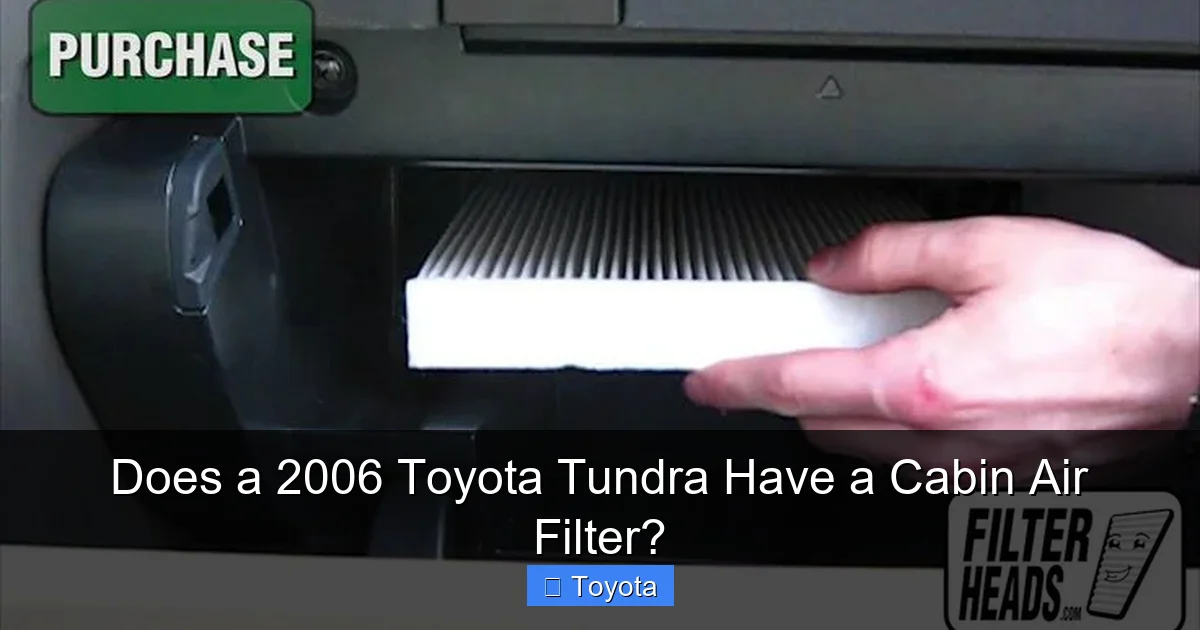
Now, let’s address the main question head-on: does the 2006 Toyota Tundra have a cabin air filter? The short answer is yes—but with a small caveat. While most 2006 Tundra models are equipped with a cabin air filter, there are a few exceptions based on trim level and production date.
According to Toyota’s official service documentation and parts catalogs, the cabin air filter became standard equipment on the Tundra starting with the 2005 model year. That means nearly all 2006 Tundras—whether you have the SR5, Limited, or even the Work Truck trim—should include a filter. However, some very early 2006 models built in late 2005 might have rolled off the line before the filter was fully integrated into all configurations. Additionally, certain base models sold in specific regions (like fleet vehicles) may have been built without one to reduce costs.
So how can you be sure? The easiest way is to check your owner’s manual. If it mentions a cabin air filter and includes replacement instructions, you’ve got one. Alternatively, you can perform a quick visual inspection. Open the glove box, remove it (we’ll explain how shortly), and look for a small rectangular cover on the HVAC housing. If you see it, you’ve confirmed the presence of a filter.
It’s also worth noting that even if your Tundra didn’t come with a filter from the factory, you can easily retrofit one. Toyota sells a cabin air filter kit specifically for earlier Tundra models, allowing you to add this feature if it’s missing. But for the vast majority of 2006 owners, the filter is already there—just waiting to be maintained.
Where Is the Cabin Air Filter Located in a 2006 Tundra?
Visual guide about Does a 2006 Toyota Tundra Have a Cabin Air Filter?
Image source: cimg1.ibsrv.net
Now that we’ve confirmed the 2006 Tundra has a cabin air filter, the next question is: where exactly is it hiding? Unlike some vehicles that place the filter under the hood or behind the windshield cowl, Toyota designed the Tundra’s system for easy access from inside the cabin.
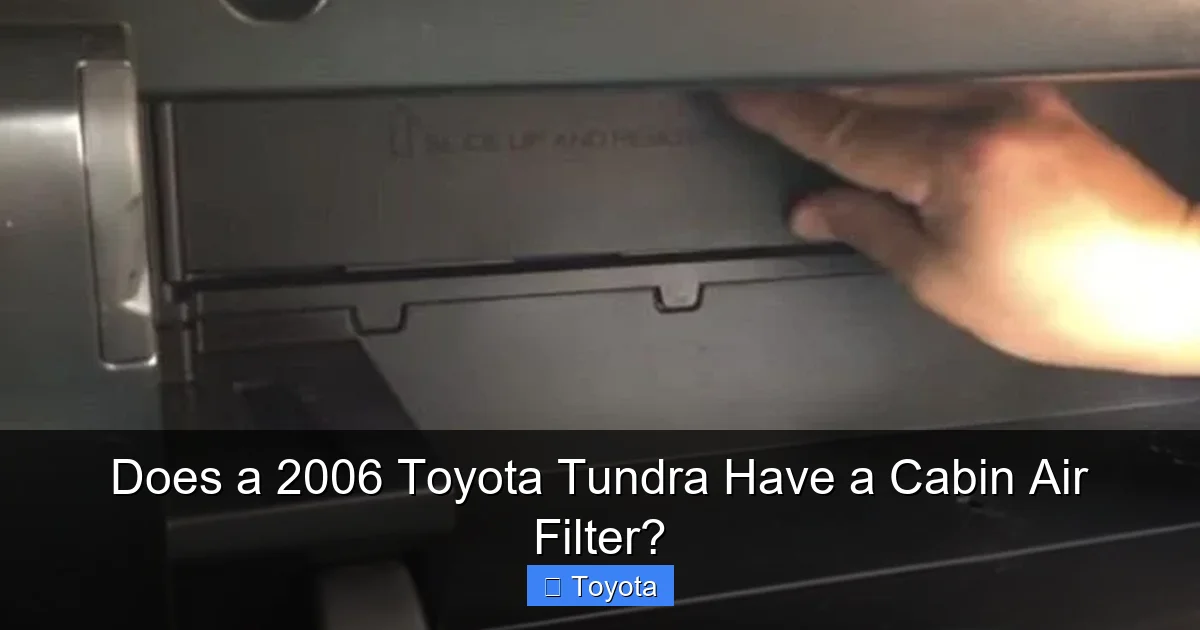
The cabin air filter is located behind the glove box on the passenger side of the dashboard. This placement makes it relatively straightforward to reach, though it does require removing the glove compartment. Don’t worry—it’s not as complicated as it sounds, and you won’t need any specialized tools.
Here’s a step-by-step breakdown of the location:
– Start by opening the glove box fully.
– Look for two stop arms on the sides of the glove box—these prevent it from falling out completely.
– Gently squeeze the sides of the glove box inward to release the stop arms from their slots.
– Lower the glove box down until it hangs freely.
– Behind it, you’ll see a rectangular plastic cover with a small latch or clip.
– Open this cover, and you’ll find the cabin air filter housed inside.
The entire process takes just a few minutes and can be done with your hands alone. No screwdrivers or wrenches are required, making this one of the more user-friendly filter locations in the truck world.
One tip: before you start, clear out any items from the glove box. You don’t want loose papers or tools falling into the HVAC system when you remove the compartment. Also, be gentle when squeezing the sides—while the plastic is durable, excessive force could crack it.
How to Replace the Cabin Air Filter in a 2006 Toyota Tundra
Visual guide about Does a 2006 Toyota Tundra Have a Cabin Air Filter?
Image source: i.ytimg.com
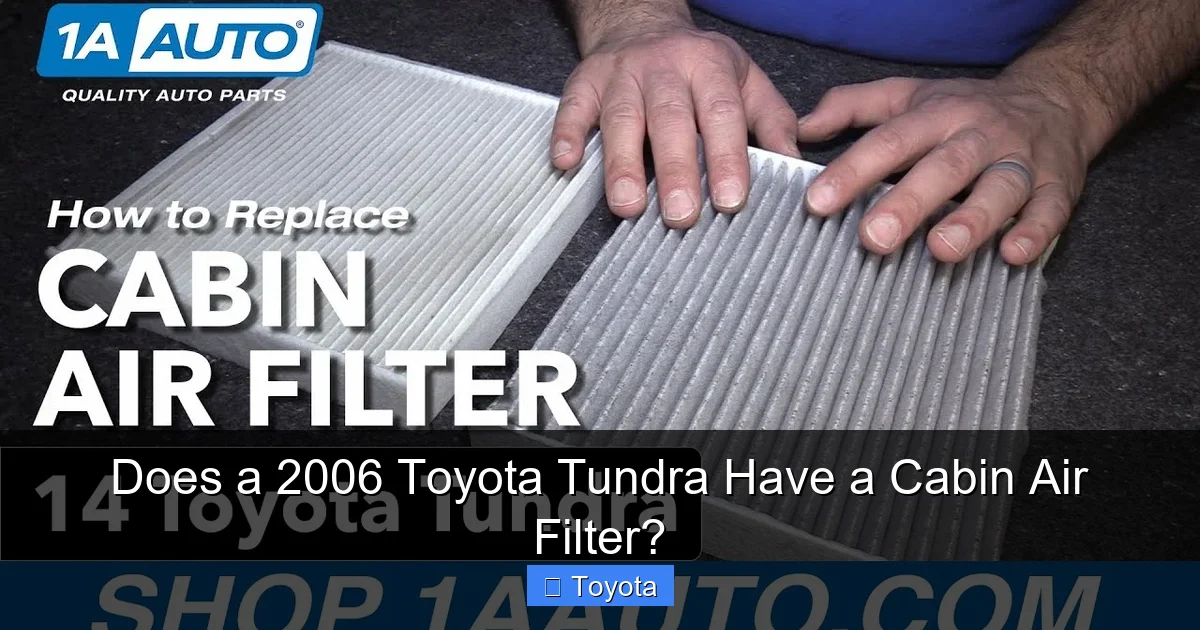
Replacing the cabin air filter in your 2006 Tundra is a simple DIY job that takes less than 30 minutes and costs under $20 for a new filter. Doing it yourself not only saves money on labor but also gives you peace of mind knowing the job was done right.
Tools and Materials You’ll Need
Before you begin, gather the following:
– A new cabin air filter (Toyota part # 87139-YZZ02 or equivalent aftermarket filter)
– A clean rag or towel
– Optional: flashlight (to see better in the dim space behind the glove box)
Step-by-Step Replacement Guide
1. **Prepare the Glove Box**: Open the glove box and remove any contents. Locate the two stop arms on the sides—these are small plastic tabs that prevent the glove box from swinging too far down. Gently press the inner sides of the glove box toward the center to release these arms from their slots. Once free, lower the glove box completely so it hangs down.
2. **Locate the Filter Cover**: Behind the glove box, you’ll see a rectangular plastic panel. This is the cabin air filter housing. It’s usually held in place by a simple latch or clip. Press the latch to release the cover.
3. **Remove the Old Filter**: Slide out the old filter. Take note of how it’s positioned—most filters have an arrow indicating airflow direction. This will help you install the new one correctly.
4. **Inspect and Clean**: Before inserting the new filter, take a moment to inspect the housing. Use a rag to wipe away any dust or debris. If you see mold or a strong musty smell, consider using a mild cleaner or HVAC system sanitizer to disinfect the area.
5. **Install the New Filter**: Insert the new filter with the airflow arrow pointing in the correct direction (usually downward or toward the cabin). Make sure it sits flush and securely in the housing.
6. **Reattach the Cover and Glove Box**: Close the filter cover until it clicks into place. Then, lift the glove box back into position and re-engage the stop arms by pressing the sides inward and sliding them back into their slots.
7. **Test the System**: Turn on your vehicle and test the HVAC system. Run the fan on different speeds and switch between fresh air and recirculation modes to ensure proper airflow.
Tips for a Smooth Replacement
– **Check the Filter Monthly**: Even if you don’t replace it yet, peek at the filter every few months. If it looks dirty or clogged, it’s time for a change.
– **Use a High-Quality Filter**: While generic filters are cheaper, investing in a premium filter with activated carbon can significantly improve odor control and filtration efficiency.
– **Keep a Spare**: Since replacement is so easy, consider keeping an extra filter in your glove box or tool kit for emergencies.
Signs Your Cabin Air Filter Needs Replacement
Even if you don’t follow a strict maintenance schedule, there are several warning signs that your cabin air filter is due for a change. Paying attention to these symptoms can help you avoid discomfort and potential HVAC issues.
Reduced Airflow from Vents
One of the most common signs is a noticeable drop in airflow, especially when the fan is set to high. A clogged filter restricts the amount of air that can pass through, making your heater or AC feel weak. If you’ve cranked the fan to max and still feel barely any breeze, the filter is likely the culprit.
Unusual Odors
A musty or sour smell when you turn on the AC is a red flag. This often indicates mold or mildew growth in the filter or HVAC system. Over time, moisture from condensation can accumulate on a dirty filter, creating a breeding ground for bacteria. Replacing the filter and cleaning the system can eliminate the odor.
Increased Dust Inside the Cabin
If you notice more dust settling on your dashboard, seats, or floor mats than usual, the filter may no longer be trapping particles effectively. This is especially noticeable after driving on unpaved roads or in heavy traffic.
Allergy or Respiratory Symptoms
Do you or your passengers start sneezing, coughing, or experiencing itchy eyes when riding in the truck? A dirty filter may be allowing allergens like pollen and mold spores to circulate inside the cabin. Replacing the filter can provide immediate relief.
Visible Dirt or Debris on the Filter
The simplest way to know is to look. If the filter appears dark, clogged, or covered in debris when you inspect it, it’s time for a replacement—even if it hasn’t been a full year yet.
Choosing the Right Cabin Air Filter for Your 2006 Tundra
Not all cabin air filters are created equal. While the 2006 Tundra uses a standard size, you’ll find a range of options on the market, from basic particulate filters to advanced multi-layer designs. Choosing the right one depends on your driving conditions and personal needs.
Standard Particulate Filters
These are the most common and affordable options. They’re made of pleated paper or non-woven fabric and are designed to capture dust, pollen, and larger particles. They’re a good choice for drivers in relatively clean environments or those on a tight budget.
Activated Carbon Filters
If you frequently drive in heavy traffic, live near industrial areas, or just want better odor control, consider a filter with activated carbon. These filters have an additional layer of carbon that absorbs gases, smoke, and unpleasant smells—like exhaust fumes or road tar. They’re especially beneficial for people with sensitivities or allergies.
HEPA or High-Efficiency Filters
For maximum filtration, some aftermarket brands offer HEPA-style filters that can capture ultrafine particles, including bacteria and some viruses. While not OEM-spec, these can be a great upgrade if air quality is a top priority.
OEM vs. Aftermarket
Toyota’s OEM filter (part # 87139-YZZ02) is a reliable choice and ensures perfect fit and performance. However, reputable aftermarket brands like Fram, K&N, and Bosch also offer high-quality alternatives at a lower price. Just make sure the filter is compatible with the 2006 Tundra and meets or exceeds OEM specifications.
How Often Should You Replace the Cabin Air Filter?
Toyota recommends replacing the cabin air filter every 12,000 to 15,000 miles or once a year, whichever comes first. However, this is a general guideline—your actual replacement interval may vary based on driving conditions.
If you frequently drive in stop-and-go traffic, rural areas with dirt roads, or regions with high pollen counts, you may need to replace the filter more often—perhaps every 6,000 to 8,000 miles. Conversely, if you mostly drive on highways in clean environments, you might stretch it closer to 15,000 miles.
A good rule of thumb is to inspect the filter every 6 months. This quick check takes just a few minutes and can help you catch issues early. Keep a log in your owner’s manual or use a phone reminder to stay on top of maintenance.
Benefits of Regular Cabin Air Filter Maintenance
Replacing your cabin air filter isn’t just about clean air—it offers several practical benefits that enhance your overall driving experience.
Improved Air Quality
The most obvious benefit is cleaner, fresher air inside the cabin. This is especially important for passengers with allergies or respiratory conditions.
Better HVAC Performance
A clean filter allows unrestricted airflow, helping your heater and AC work more efficiently. This means faster warm-ups in winter, cooler cabins in summer, and less strain on the system.
Extended System Lifespan
By reducing the load on the blower motor and preventing debris buildup, regular filter changes can help extend the life of your HVAC components.
Enhanced Driving Comfort
No one enjoys breathing in stale, dusty air. A fresh filter contributes to a more pleasant and comfortable ride, whether you’re on a short trip or a long haul.
Cost Savings
At around $15–$25 per filter, this is one of the most affordable maintenance tasks you can do. Compared to the cost of repairing a damaged blower motor or cleaning a moldy HVAC system, it’s a smart investment.
Common Mistakes to Avoid
Even though replacing the cabin air filter is simple, a few common mistakes can lead to problems down the road.
Installing the Filter Backward
Always check the airflow arrow on the filter. Installing it backward reduces efficiency and can cause poor airflow.
Using the Wrong Filter
Make sure the replacement filter matches the correct part number and size. A filter that’s too small or too large won’t seal properly, allowing unfiltered air to bypass it.
Skipping Inspection
Don’t assume the filter is fine just because it’s not due yet. Inspect it regularly, especially after long trips or dusty drives.
Forcing the Glove Box
Be gentle when removing and reinstalling the glove box. Forcing it can crack the plastic or damage the stop arms.
Conclusion
So, does a 2006 Toyota Tundra have a cabin air filter? Absolutely. And maintaining it is one of the easiest and most effective ways to keep your truck’s interior air clean, your HVAC system running smoothly, and your drives more comfortable. With a simple DIY replacement every 12,000 to 15,000 miles, you can enjoy better air quality, improved performance, and peace of mind—all for less than the cost of a tank of gas.
Whether you’re a weekend warrior, a daily commuter, or a proud Tundra owner who loves the open road, don’t overlook this small but mighty component. A clean cabin air filter might not boost your horsepower, but it definitely enhances your ride.
Frequently Asked Questions
Does every 2006 Toyota Tundra have a cabin air filter?
Most 2006 Tundra models do include a cabin air filter, as it became standard around 2005. However, some early-production or base fleet models may not have one. Check your owner’s manual or inspect behind the glove box to confirm.
Can I drive without a cabin air filter?
Technically yes, but it’s not recommended. Without a filter, dust, pollen, and pollutants can enter the cabin and damage the HVAC system over time. Always replace a missing or damaged filter.
How much does it cost to replace the cabin air filter?
A new filter typically costs between $15 and $25. If you do it yourself, that’s your total cost. dealerships may charge $50–$75 including labor, but DIY is fast and easy.
What happens if I don’t replace the cabin air filter?
A clogged filter reduces airflow, causes odors, and can strain the blower motor. Over time, this may lead to HVAC performance issues or costly repairs.
Can I clean and reuse the cabin air filter?
Most cabin air filters are not designed to be cleaned. Attempting to wash or vacuum them can damage the material. It’s best to replace them with a new one.
What’s the difference between a regular and a carbon filter?
A regular filter captures dust and pollen, while a carbon filter also absorbs odors and gases like exhaust fumes. Carbon filters are ideal for city driving or allergy sufferers.