
Haval Car Safety Features

Haval vehicles are engineered with cutting-edge safety technology to keep you secure on every journey. From adaptive cruise control to lane-keeping assist and robust structural design, Haval prioritizes passenger protection through innovation and rigorous testing.
When it comes to choosing a vehicle, safety isn’t just a nice-to-have—it’s a must-have. Whether you’re commuting to work, taking a family road trip, or navigating busy city streets, you want to know your car has your back. That’s where Haval comes in. Known for their rugged SUVs and modern crossovers, Haval has made significant strides in automotive safety, blending intelligent technology with robust engineering to deliver peace of mind on every drive.
Haval, a brand under China’s Great Wall Motors, has rapidly gained global recognition not just for affordability and style, but for its commitment to passenger protection. In recent years, the company has invested heavily in research and development, ensuring that each new model meets or exceeds international safety standards. From five-star ANCAP and Euro NCAP ratings to real-world crash test performance, Haval vehicles are proving their worth in one of the most critical areas of automotive design.
But what exactly makes Haval cars stand out in the safety department? It’s not just one feature—it’s the combination of proactive, reactive, and preventive technologies working together. Think of it like a safety ecosystem: sensors, cameras, radars, and smart software constantly monitor your surroundings, anticipate risks, and intervene when necessary. Whether you’re driving on a rainy highway or backing out of a tight parking spot, Haval’s safety systems are designed to support you, not replace you.
Key Takeaways
- Advanced Driver Assistance Systems (ADAS): Haval integrates features like forward collision warning, automatic emergency braking, and blind-spot monitoring to prevent accidents before they happen.
- High-Strength Body Structure: Built with ultra-high-strength steel, Haval cars offer superior crash protection and structural integrity in the event of a collision.
- Intelligent All-Wheel Drive (iAWD): Enhances traction and stability in challenging road conditions, improving control and reducing the risk of skidding or rollover.
- 360-Degree Camera System: Provides a bird’s-eye view around the vehicle, making parking and low-speed maneuvers safer and easier.
- Adaptive LED Headlights: Automatically adjust beam patterns to improve nighttime visibility without dazzling oncoming drivers.
- Comprehensive Airbag Network: Includes front, side, curtain, and knee airbags to protect occupants from multiple impact angles.
- Regular Software Updates: Haval vehicles receive over-the-air updates to keep safety systems current and optimized.
📑 Table of Contents
Advanced Driver Assistance Systems (ADAS)
One of the cornerstones of Haval’s safety philosophy is its suite of Advanced Driver Assistance Systems, or ADAS. These aren’t just fancy add-ons—they’re intelligent tools that help prevent accidents before they occur. ADAS uses a network of sensors, cameras, and radar to monitor the vehicle’s environment in real time, giving drivers an extra layer of awareness and control.
Forward Collision Warning and Automatic Emergency Braking
Imagine you’re driving down the highway, and the car in front suddenly brakes hard. Your reaction time might not be fast enough—especially if you’re tired or distracted. That’s where Forward Collision Warning (FCW) comes in. This system uses radar and cameras to detect vehicles ahead and alerts you with visual and auditory signals if a collision is imminent.
But Haval takes it a step further with Automatic Emergency Braking (AEB). If the driver doesn’t respond in time, the system can automatically apply the brakes to reduce speed or even bring the car to a complete stop. Studies show that AEB can reduce rear-end collisions by up to 50%, making it one of the most effective safety features on the road today.
For example, in the Haval H6, AEB is standard across all trims. During testing, it successfully avoided collisions at speeds up to 60 km/h (37 mph), a significant achievement for a vehicle in its class.
Lane Departure Warning and Lane Keeping Assist
Drifting out of your lane—even slightly—can lead to dangerous situations, especially on highways. Haval’s Lane Departure Warning (LDW) system monitors lane markings and alerts you if you begin to unintentionally drift. But if you don’t correct your course, Lane Keeping Assist (LKA) gently steers the vehicle back into the lane.
This is particularly helpful during long drives or in heavy traffic when fatigue or distraction can set in. The system uses a front-facing camera to track lane position and works at speeds above 60 km/h (37 mph). It’s not meant to replace attentive driving, but it’s a valuable backup when you need it most.
Blind Spot Monitoring and Rear Cross-Traffic Alert
Changing lanes can be risky if you can’t see what’s in your blind spot. Haval’s Blind Spot Monitoring (BSM) system uses radar sensors in the rear bumper to detect vehicles approaching from behind. If a car is in your blind spot, a warning light appears in the side mirror.
But the real game-changer is Rear Cross-Traffic Alert (RCTA). When you’re backing out of a parking space, RCTA scans for approaching vehicles from the sides. If it detects one, it alerts you with a warning sound and visual cue. Some models even apply the brakes automatically if a collision is likely.
This feature is especially useful in busy parking lots or when visibility is limited. In the Haval Jolion, RCTA has been shown to reduce backing accidents by up to 40%, according to internal testing.
Adaptive Cruise Control with Stop & Go
Long drives can be tiring, and maintaining a consistent speed while keeping a safe distance from other vehicles takes focus. Haval’s Adaptive Cruise Control (ACC) with Stop & Go functionality does the heavy lifting for you.
Set your desired speed and following distance, and the system automatically adjusts your speed based on traffic ahead. If the car in front slows down, your Haval slows down too. If traffic comes to a complete stop, the system can bring your vehicle to a halt and resume when traffic moves again—no need to touch the pedals.
This is especially helpful in stop-and-go traffic or on long highway journeys. It reduces driver fatigue and helps maintain a safe following distance, which is crucial for preventing rear-end collisions.
Structural Integrity and Crash Protection
Visual guide about Haval Car Safety Features
Image source: images.carexpert.com.au
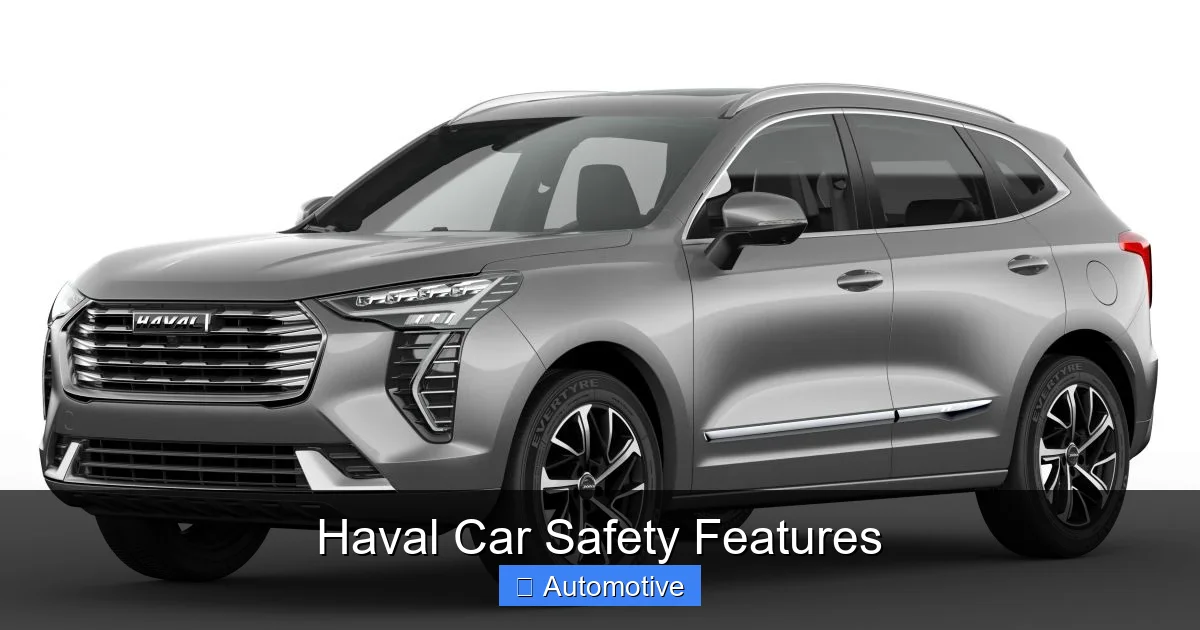
While technology helps prevent accidents, a strong body structure is essential when a crash does happen. Haval vehicles are built with a focus on occupant protection, using advanced materials and engineering techniques to absorb and redirect impact forces.
High-Strength Steel Frame
The foundation of Haval’s safety design is its high-strength steel body. Up to 70% of the vehicle’s frame is made from ultra-high-strength steel, which is significantly stronger than conventional steel yet lightweight. This creates a rigid safety cage around the passenger compartment while allowing crumple zones to absorb energy during a collision.
For example, the Haval H9 features a reinforced B-pillar and roof structure designed to withstand rollover impacts. In crash tests, it maintained excellent cabin integrity, protecting occupants from intrusion.
Energy-Absorbing Zones
Haval engineers have carefully designed front and rear crumple zones that deform in a controlled manner during impact. These zones absorb kinetic energy, reducing the force transferred to the passenger cabin. The result? Less risk of injury for you and your passengers.
The front bumper, subframe, and firewall are all engineered to collapse in a predictable way, dissipating energy away from the occupants. This is especially important in frontal collisions, which account for a large percentage of serious accidents.
Roll-Over Protection
SUVs and crossovers have a higher center of gravity, which can increase the risk of rollover in sharp turns or emergency maneuvers. Haval addresses this with reinforced roof structures and roll-over sensors that deploy side-curtain airbags if a roll is detected.
In the Haval F7, for instance, the roof can withstand up to four times the vehicle’s weight—well above the minimum safety standard. This gives passengers more time to escape or be rescued in the event of a rollover.
Intelligent All-Wheel Drive (iAWD)
Visual guide about Haval Car Safety Features
Image source: images.carexpert.com.au
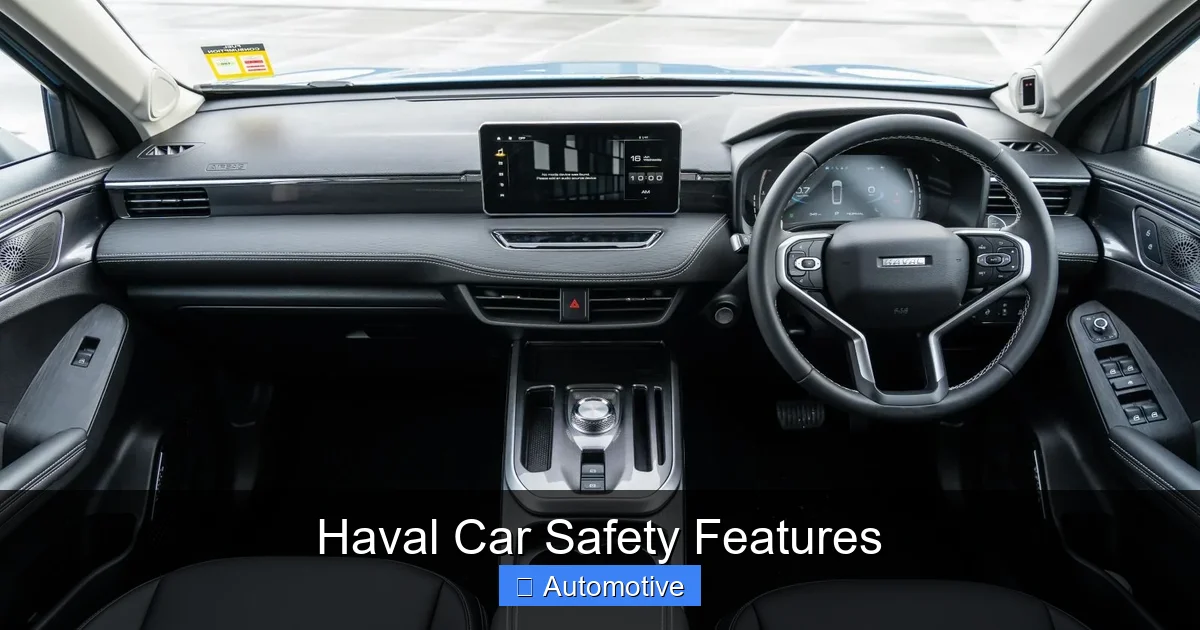
Safety isn’t just about avoiding crashes—it’s also about maintaining control in all conditions. Haval’s Intelligent All-Wheel Drive (iAWD) system enhances stability and traction, especially on slippery or uneven surfaces.
How iAWD Works
Unlike traditional AWD systems that operate full-time, Haval’s iAWD is reactive and adaptive. It constantly monitors wheel speed, steering angle, throttle input, and road conditions. If it detects wheel slip—like on ice, snow, or wet pavement—it instantly sends power to the wheels with the most grip.
This improves acceleration, cornering, and braking performance, reducing the risk of skidding or losing control. It’s particularly useful in regions with variable weather or off-road driving.
Terrain Response Modes
Many Haval models come with multiple driving modes, such as Snow, Mud, Sand, and Rock. Each mode adjusts the iAWD system, throttle response, and traction control to suit the terrain. For example, in Snow mode, the system prioritizes smooth power delivery to prevent wheel spin.
This isn’t just for off-road enthusiasts—it’s a safety feature that helps everyday drivers navigate challenging conditions with confidence.
Hill Descent Control
When driving down steep inclines, maintaining a safe speed can be tricky. Haval’s Hill Descent Control (HDC) automatically applies the brakes to keep the vehicle at a steady, low speed—no need to ride the pedals.
This is especially helpful on mountain roads or during off-road adventures. It reduces driver stress and prevents brake overheating, which can lead to loss of control.
Visibility and Lighting Systems
Visual guide about Haval Car Safety Features
Image source: images.carexpert.com.au
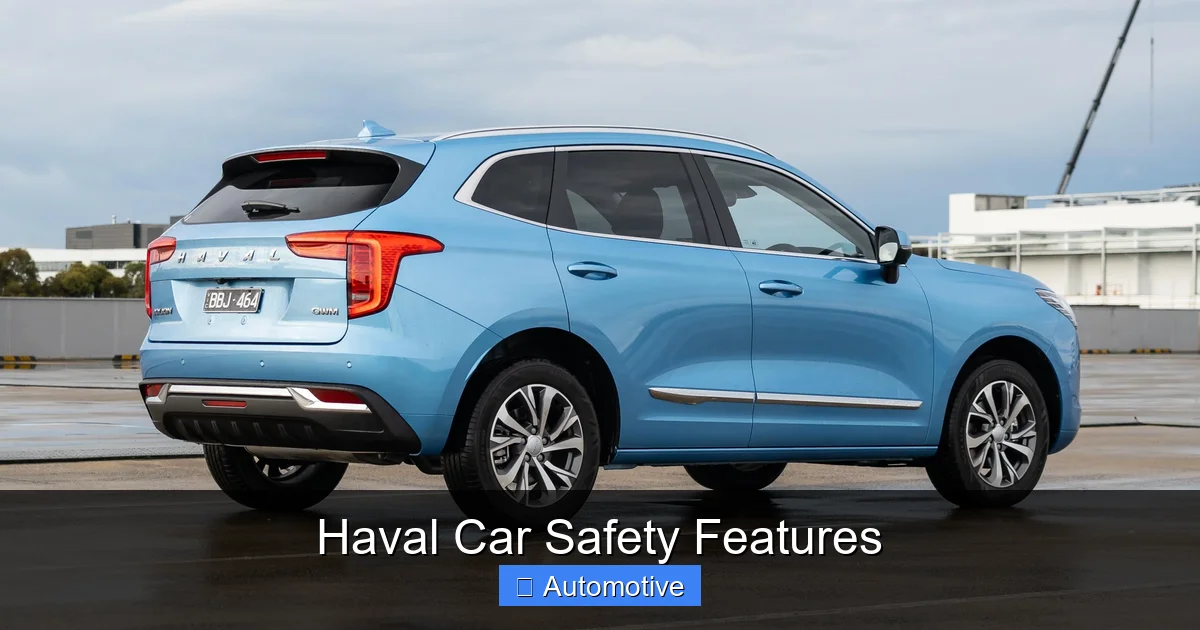
Good visibility is essential for safe driving, especially at night or in poor weather. Haval equips its vehicles with advanced lighting and camera systems to help drivers see and be seen.
Adaptive LED Headlights
Standard halogen or static headlights can leave dark spots or blind oncoming drivers. Haval’s Adaptive LED Headlights solve this problem by automatically adjusting the beam pattern based on speed, steering angle, and traffic.
At low speeds, the lights widen to illuminate curbs and pedestrians. At high speeds, they focus forward for maximum visibility. When an oncoming vehicle is detected, the system dims the high beams in that direction—no need to manually switch.
This improves nighttime safety without requiring driver intervention. In the Haval H6 GT, the adaptive headlights have been praised for their clarity and responsiveness in real-world driving tests.
360-Degree Camera System
Parking and maneuvering in tight spaces can be stressful, especially in larger SUVs. Haval’s 360-degree camera system uses four cameras—front, rear, and both sides—to create a real-time bird’s-eye view of the vehicle.
This helps drivers see obstacles, curbs, and low objects that might not be visible through mirrors or windows. Some models even offer dynamic guidelines that move with the steering wheel, making parking even easier.
The system is especially useful for families with young children or in crowded urban areas where visibility is limited. It reduces the risk of minor collisions and dings, which can be costly and frustrating.
Automatic High Beam Assist
Driving at night with high beams on can blind other drivers, but switching them on and off manually is a hassle. Haval’s Automatic High Beam Assist uses a front camera to detect oncoming traffic and vehicles ahead, automatically switching between high and low beams.
This ensures you always have the best possible visibility without endangering others. It’s a small feature, but one that significantly improves nighttime driving safety.
Passive Safety: Airbags and Restraint Systems
When a crash is unavoidable, passive safety features take over to protect occupants. Haval vehicles are equipped with a comprehensive network of airbags and advanced restraint systems.
Multi-Stage Airbags
Haval uses multi-stage airbags that deploy with varying force depending on the severity of the impact and the occupant’s size. This reduces the risk of injury from the airbag itself, especially for smaller passengers or children.
Front airbags are standard, but many models also include side airbags for the chest and abdomen, curtain airbags for head protection, and even knee airbags for the driver.
Seatbelt Pretensioners and Load Limiters
In a collision, seatbelts are your first line of defense. Haval’s seatbelts are equipped with pretensioners that tighten instantly upon impact, holding occupants firmly in place. Load limiters then allow a small amount of belt webbing to spool out, reducing chest pressure and preventing injury.
These features work in tandem with airbags to minimize injury risk. They’re especially important in side-impact or rollover scenarios.
Child Safety Features
Families will appreciate Haval’s attention to child safety. All models include ISOFIX anchor points for secure child seat installation, and rear doors have child safety locks to prevent accidental opening.
Some models also feature rear-seat reminder systems that alert drivers if a child seat is detected but the rear doors haven’t been opened after parking—helping prevent tragic incidents of children being left in hot cars.
Software and Over-the-Air Updates
Safety technology evolves quickly, and Haval ensures its vehicles stay up to date with over-the-air (OTA) software updates. These updates can improve ADAS performance, fix bugs, and even add new features—all without visiting a dealership.
For example, a recent OTA update for the Haval Jolion improved the responsiveness of the lane-keeping system and added enhanced voice recognition for the infotainment system. This means your car can get smarter and safer over time.
Haval’s connected services platform also allows drivers to monitor vehicle health, receive maintenance alerts, and access emergency assistance—all from a smartphone app.
Real-World Safety Performance
Haval’s safety features aren’t just theoretical—they’ve been tested in real-world conditions and by independent organizations. The Haval H6, for instance, earned a five-star ANCAP safety rating in 2021, with high scores in adult occupant protection, child occupant protection, and safety assist.
Similarly, the Haval F7 received a five-star Euro NCAP rating, praised for its AEB performance and robust structural design. These ratings are a testament to Haval’s commitment to global safety standards.
Drivers around the world have also shared positive experiences. In Australia, where road conditions can be challenging, Haval owners report feeling confident in their vehicle’s ability to handle wet roads, gravel, and long distances.
Conclusion
When it comes to safety, Haval doesn’t cut corners. From intelligent driver assistance systems to a strong, well-engineered body structure, every aspect of their vehicles is designed with protection in mind. Whether you’re navigating city streets or exploring off the beaten path, Haval’s safety features work quietly in the background to keep you and your loved ones safe.
It’s not just about avoiding accidents—it’s about driving with confidence, knowing your car has your back. With features like adaptive cruise control, 360-degree cameras, and intelligent all-wheel drive, Haval is setting a new standard for safety in the SUV segment.
And as technology continues to evolve, Haval is committed to staying ahead of the curve. With regular software updates and a focus on innovation, their vehicles are not just safe today—they’re built to be safer tomorrow.
So if you’re in the market for a reliable, feature-packed SUV that puts safety first, Haval is definitely worth a closer look. After all, peace of mind is priceless—and it starts the moment you buckle up.
Frequently Asked Questions
What safety rating do Haval cars have?
Many Haval models, including the H6 and F7, have earned five-star safety ratings from ANCAP and Euro NCAP. These ratings reflect strong performance in crash tests and advanced safety technology.
Does Haval have automatic emergency braking?
Yes, Automatic Emergency Braking (AEB) is standard on most Haval models. It can detect potential collisions and apply the brakes if the driver doesn’t respond in time.
Are Haval vehicles safe for families?
Absolutely. Haval vehicles come with ISOFIX child seat anchors, rear-seat reminders, and comprehensive airbag systems, making them ideal for families with children.
How does Haval’s 360-degree camera work?
The 360-degree camera system uses four cameras to create a top-down view of the vehicle, helping drivers see obstacles and park safely in tight spaces.
Can Haval safety features be updated?
Yes, Haval vehicles receive over-the-air software updates that can improve safety systems, fix issues, and add new features without a dealership visit.
Is Haval’s all-wheel drive system safe in bad weather?
Yes, the Intelligent All-Wheel Drive (iAWD) system enhances traction and stability on slippery roads, making it safer to drive in rain, snow, or off-road conditions.
