
Defogging a Car Windshield

Defogging a car windshield is essential for safe driving, especially in cold or humid weather. This guide covers the science behind fog, quick fixes, and long-term solutions to keep your view crystal clear.
Key Takeaways
- Understand why fog forms: Fog on windshields happens when warm, moist air meets a cold surface, causing condensation. Knowing this helps you prevent and remove it faster.
- Use your car’s climate controls wisely: Turn on the defroster, set the AC to on, and aim vents at the windshield for the fastest defogging results.
- Crack a window slightly: Letting in fresh air reduces humidity inside the car, helping moisture escape and preventing fog buildup.
- Keep your windshield clean inside and out: Dirt and grime trap moisture. Regular cleaning improves visibility and reduces fogging.
- Use anti-fog products or homemade solutions: Sprays, wipes, or DIY mixes can create a protective layer that resists condensation.
- Prevent fog before it starts: Park in a garage, use sunshades, and avoid bringing wet items into the car to minimize moisture.
- Know when to call a pro: If fog persists despite all efforts, there may be a leak or HVAC issue needing professional attention.
📑 Table of Contents
Why Does Your Car Windshield Fog Up?
Picture this: It’s a chilly morning, you hop into your car, start the engine, and within seconds, your windshield is covered in a thick layer of fog. You can barely see the road ahead. Sound familiar? You’re not alone. Foggy windshields are one of the most common—and frustrating—problems drivers face, especially during fall and winter months.
But what’s really happening when your windshield fogs up? It all comes down to science. Fog forms when warm, moist air inside your car meets the cold surface of the windshield. This causes water vapor in the air to condense into tiny droplets that cling to the glass, creating that hazy, blurry layer. Think of it like breathing on a cold window—the same principle applies.
The moisture inside your car comes from several sources. Your breath, wet clothes, snow on boots, or even a damp umbrella can add humidity to the cabin. When the outside temperature drops, the glass cools down quickly, turning your windshield into a magnet for condensation. This is especially common in the morning after a cold night or during sudden weather changes.
Understanding this process is the first step to solving the problem. Once you know why fog forms, you can take smarter steps to prevent it and clear it faster when it does appear. It’s not just about convenience—it’s about safety. A foggy windshield can seriously impair your vision, increasing the risk of accidents.
The Role of Humidity and Temperature
Humidity and temperature play a huge role in windshield fogging. The higher the humidity inside the car, the more likely fog will form when the glass cools. For example, if you’ve just come in from the rain with wet shoes or a soaked jacket, you’re adding a lot of moisture to the air. Combine that with a cold windshield, and you’ve got the perfect conditions for fog.
Temperature differences are equally important. On a cold morning, the outside of the windshield might be near freezing, while the air inside your car is still warm from the previous day. This温差 (temperature difference) causes the moisture in the air to condense on the coldest surface—your windshield.
Even in summer, fog can be an issue. On hot, humid days, turning on the air conditioning cools the windshield rapidly. If the air inside is warm and damp, condensation can form on the inside of the glass. This is why defogging isn’t just a winter problem—it can happen year-round.
Common Causes of Interior Fog
Several everyday habits and conditions contribute to interior fog:
– **Breathing:** Every time you exhale, you release moisture into the air. On long drives or in stop-and-go traffic, this adds up.
– **Wet clothing or gear:** Snow boots, raincoats, or gym bags bring in extra moisture.
– **Spills or leaks:** A spilled drink or a leaky window seal can increase cabin humidity.
– **Poor ventilation:** If your car’s ventilation system isn’t circulating air properly, moisture gets trapped inside.
– **Old or dirty cabin air filters:** These can restrict airflow and reduce the efficiency of your defroster.
Recognizing these causes helps you take preventive action. For instance, removing wet items from the car or changing a clogged air filter can make a big difference.
How to Defog a Car Windshield Fast

Visual guide about Defogging a Car Windshield
Image source: canary.contestimg.wish.com
When you’re running late and your windshield is fogged up, speed is everything. You need a method that works quickly and reliably. The good news? Your car is already equipped with tools to help you defog fast—you just need to use them correctly.
The fastest way to defog a windshield is by using your car’s built-in defroster system. Most modern vehicles have a dedicated defroster button, usually marked with a windshield icon and wavy lines. When you press it, it activates the front defroster, which blows warm, dry air directly onto the windshield.
But here’s the key: don’t just turn on the defroster and wait. For the best results, follow these steps:
1. **Start the engine** and let it run for a minute or two to warm up the system.
2. **Turn on the defroster** and set the temperature to hot.
3. **Turn on the air conditioning (AC)**—yes, even in winter. The AC removes moisture from the air, making it drier and more effective at clearing fog.
4. **Set the fan to high** to maximize airflow.
5. **Direct all vents toward the windshield** for focused defogging.
6. **Crack a window slightly** to let humid air escape and allow fresh, dry air in.
This combination of heat, AC, and airflow works together to evaporate the condensation quickly. In most cases, you’ll see improvement within 30 seconds to a minute.
Why Turning On the AC Helps in Cold Weather
Many drivers hesitate to turn on the AC in winter, thinking it will make the car colder. But that’s a myth. Modern car AC systems don’t just cool—they also dehumidify the air. When you turn on the AC, it pulls moisture out of the cabin air before blowing it onto the windshield. This dry air is much more effective at clearing fog than warm, humid air alone.
In fact, using the AC with the defroster is one of the most efficient ways to defog. It’s especially helpful on damp, rainy days when humidity is high. So don’t skip this step—your visibility will thank you.
What If the Defroster Isn’t Working?
If your defroster isn’t clearing the fog, there could be a few reasons:
– **Low refrigerant levels:** The AC needs refrigerant to dehumidify the air. If it’s low, the system won’t work properly.
– **Clogged cabin air filter:** A dirty filter restricts airflow, reducing defroster efficiency.
– **Faulty blower motor:** If the fan isn’t blowing hard enough, air won’t reach the windshield effectively.
– **Blocked vents:** Make sure nothing is blocking the defroster vents, like a phone mount or tissue box.
If you’ve tried everything and the fog won’t clear, it might be time to visit a mechanic. A professional can check your HVAC system and fix any underlying issues.
Preventing Windshield Fog Before It Starts
Visual guide about Defogging a Car Windshield
Image source: img.ltwebstatic.com
The best way to deal with fog is to stop it from forming in the first place. Prevention saves time, reduces stress, and keeps you safer on the road. A few simple habits can make a big difference.
Keep Your Windshield Clean
A dirty windshield is more prone to fogging. Dirt, oils, and residues on the glass create tiny spots where moisture can cling. Regular cleaning—both inside and out—helps prevent this.
Use a glass cleaner and a microfiber cloth to wipe down the inside of your windshield. Avoid using household cleaners that leave behind residues. For the outside, wash your car regularly, especially in winter when road salt and grime build up.
Pro tip: Clean your windshield at night or in the shade. Sunlight can cause cleaner to dry too quickly, leaving streaks.
Use Anti-Fog Products
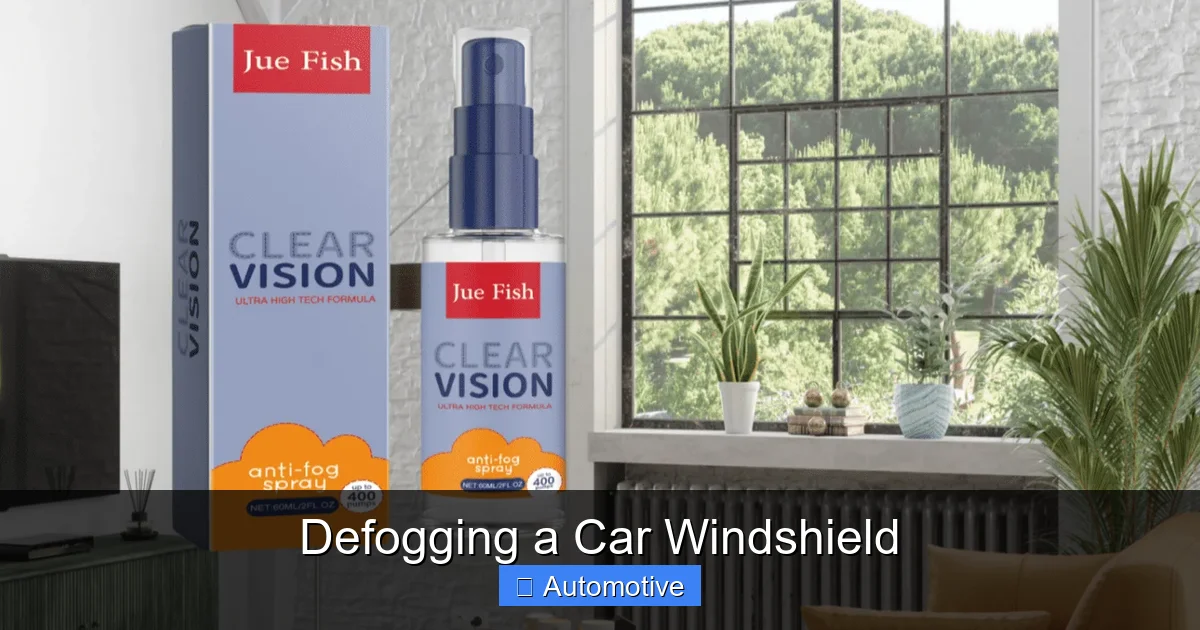
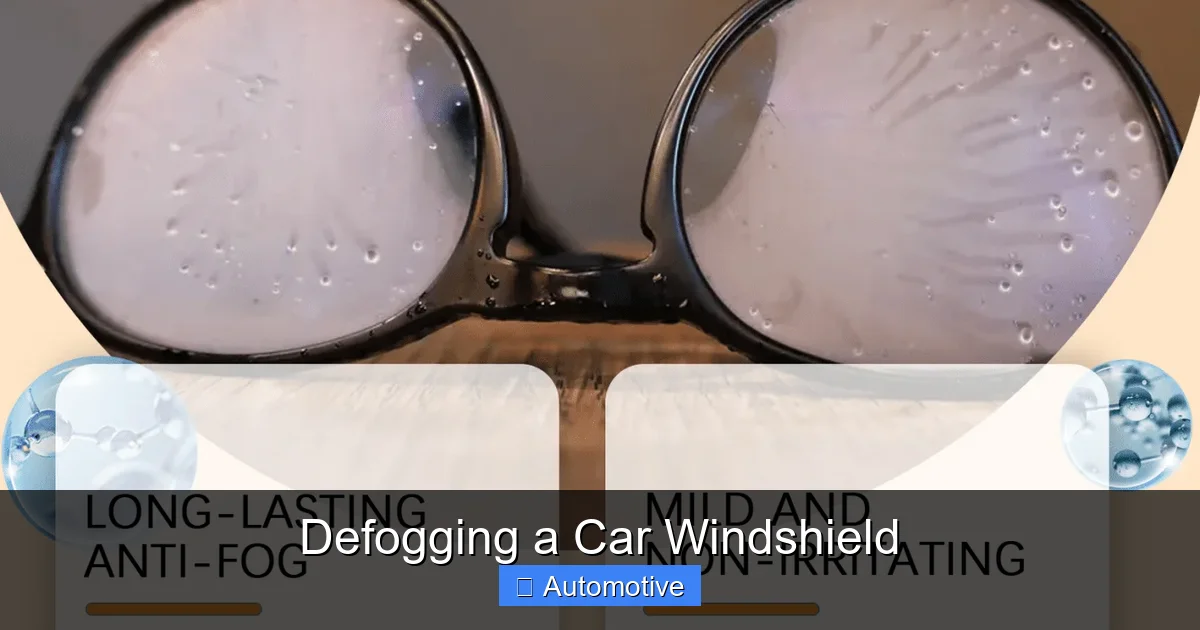
Anti-fog sprays and wipes are designed to create a thin, invisible layer on the glass that prevents condensation. They work by reducing surface tension, so water droplets spread out instead of forming fog.
Popular brands like Rain-X Anti-Fog or Foggy Window Wipes are easy to find and apply. Simply spray or wipe the product onto the inside of the windshield, then buff it off with a clean cloth. Most treatments last for several weeks.
If you prefer a DIY solution, mix one part white vinegar with two parts water in a spray bottle. Spray it on the glass and wipe it clean. Vinegar is a natural dehumidifier and leaves no residue.
Control Interior Humidity
Reducing moisture inside the car is one of the most effective ways to prevent fog. Here are some practical tips:
– **Remove wet items:** Take off wet shoes, jackets, or bags as soon as you get in the car.
– **Use moisture absorbers:** Place silica gel packs or a commercial car dehumidifier (like DampRid) in your vehicle to soak up excess moisture.
– **Avoid eating or drinking in the car:** Spills and steam from hot drinks add humidity.
– **Park in a garage:** If possible, park indoors to reduce temperature swings and exposure to damp air.
Even small changes can have a big impact. For example, placing a small bowl of baking soda in the car can help absorb odors and moisture over time.
Use a Windshield Sunshade
A reflective sunshade isn’t just for summer. In winter, it can help keep your windshield warmer overnight, reducing the temperature difference that causes fog. Place it on the inside of the windshield when you park. In the morning, remove it before driving.
Some sunshades are designed specifically for winter use, with insulating layers that retain heat. These can be especially helpful in extremely cold climates.
Dealing with Exterior Fog (Frost and Ice)
Visual guide about Defogging a Car Windshield
Image source: img.ltwebstatic.com
While interior fog is common, exterior fog—like frost or ice—can be just as dangerous. This happens when moisture in the air freezes on the outside of the windshield, creating a thin layer of ice or frost.
Clearing exterior fog requires a different approach. Here’s how to handle it safely:
Use a Scraper and De-Icer
A good ice scraper is a must-have in cold climates. Look for one with a comfortable grip and a sturdy blade. Avoid using sharp objects like credit cards or knives, which can scratch the glass.
For stubborn ice, use a commercial de-icer spray. These products lower the freezing point of ice, making it easier to remove. Apply it to the windshield and wait a minute before scraping.
Never pour hot water on a frozen windshield. The sudden temperature change can cause the glass to crack.
Pre-Heat Your Car
If you have a remote start system, use it to warm up your car before you leave. This gives the defroster time to melt ice and clear fog. Even without remote start, letting the engine run for 5–10 minutes can help.
While idling, turn on the defroster and front/rear window heaters. Keep the doors closed to retain heat.
Use a Windshield Cover
A windshield cover or snow blanket can save you time in the morning. These covers fit over the windshield and prevent snow and ice from sticking. In the morning, simply remove the cover and drive away.
Some covers are magnetic and easy to install. Others are held in place with straps that go around the wheels. Choose one that fits your car and climate.
Long-Term Solutions and Maintenance
For drivers in fog-prone areas, a few long-term strategies can make defogging easier and more reliable.
Upgrade Your Cabin Air Filter
The cabin air filter cleans the air entering your car’s ventilation system. A clean filter improves airflow and helps the defroster work more efficiently. Most manufacturers recommend replacing it every 12,000 to 15,000 miles, or once a year.
If you live in a humid or polluted area, consider replacing it more often. A high-quality filter can also reduce allergens and odors.
Check for Leaks
Moisture inside the car can come from leaks around windows, doors, or the sunroof. Over time, worn seals can allow water to seep in, increasing humidity.
Inspect your car for signs of leaks, such as damp carpets or musty smells. If you find a leak, have it repaired by a professional. Sealing it will improve both comfort and defogging performance.
Use a Car Cover
If you park outside, a car cover can protect your windshield from snow, ice, and dew. Look for a breathable, waterproof cover that fits snugly. It won’t eliminate fog entirely, but it can reduce buildup and make morning cleanup faster.
When to Call a Professional
Most fogging issues can be solved with simple fixes. But if your windshield keeps fogging up despite your best efforts, there may be a deeper problem.
Signs you need professional help include:
– Fog that won’t clear even with the defroster on full blast
– A sweet smell coming from the vents (could indicate a coolant leak)
– Water pooling inside the car
– Reduced airflow from the vents
These symptoms could point to issues like a clogged evaporator drain, a leaking heater core, or a malfunctioning HVAC system. A certified mechanic can diagnose and fix the problem safely.
Don’t ignore persistent fogging. It’s not just annoying—it can be a sign of a serious issue that affects your car’s performance and your safety.
Conclusion
Defogging a car windshield doesn’t have to be a daily battle. With the right knowledge and tools, you can clear fog fast and prevent it from coming back. Start by understanding why fog forms—warm, moist air meeting a cold surface—and use your car’s defroster and AC system effectively.
Keep your windshield clean, control interior humidity, and use anti-fog products to stay ahead of the problem. For exterior ice, use a scraper and de-icer, and consider a windshield cover for extra protection.
Regular maintenance, like changing the cabin air filter and checking for leaks, ensures your defogging system works when you need it most. And if fog persists, don’t hesitate to seek professional help.
Safe driving starts with clear visibility. By mastering the art of defogging, you’ll stay confident and in control—no matter the weather.
Frequently Asked Questions
Why does my windshield fog up on the inside?
Interior fog forms when warm, moist air inside the car meets the cold surface of the windshield, causing condensation. This is common in cold or humid weather, especially when you breathe, wear wet clothes, or bring damp items into the car.
Should I use the AC when defogging in winter?
Yes! Turning on the AC helps remove moisture from the air, making it drier and more effective at clearing fog. Even in cold weather, the AC works with the defroster to speed up the process.
How long does it take to defog a windshield?
With the defroster, AC, and vents aimed at the windshield, most cars clear fog within 1–3 minutes. Cracking a window can help speed it up by reducing humidity.
Can I use household cleaners to clean my windshield?
It’s best to avoid household cleaners, as they can leave residues that attract moisture and cause streaks. Use a dedicated glass cleaner and a microfiber cloth for the best results.
What’s the best way to prevent fog on a cold morning?
Park in a garage if possible, use a windshield sunshade, and remove wet items from the car. At night, placing a moisture absorber like silica gel can help reduce humidity.
Is it safe to pour hot water on a frozen windshield?
No. Pouring hot water on a frozen windshield can cause the glass to crack due to sudden temperature changes. Use a scraper and de-icer instead, or let the car warm up gradually.
