
Why Is My Car Overheating?

If your car is overheating, it’s often due to low coolant, a faulty thermostat, or a broken water pump. Ignoring the problem can lead to serious engine damage. Learn the causes and how to respond safely.
Key Takeaways
- Low coolant levels are the most common cause of overheating: Coolant absorbs and transfers heat away from the engine. Without enough, your engine can’t stay cool.
- A malfunctioning thermostat can block coolant flow: If it gets stuck closed, coolant can’t circulate, causing rapid temperature spikes.
- The water pump keeps coolant moving: A failing pump means coolant doesn’t flow, leading to overheating even if levels are fine.
- Radiator issues reduce cooling efficiency: Clogs, leaks, or damaged fins prevent proper heat dissipation.
- Cooling fan problems stop airflow: If the fan doesn’t turn on, especially in traffic, the engine can overheat quickly.
- Driving habits and environment matter: Towing heavy loads or driving in extreme heat increases strain on the cooling system.
- Ignoring overheating can destroy your engine: Pull over safely and turn off the engine to prevent costly repairs.
📑 Table of Contents
Why Is My Car Overheating?
Picture this: You’re cruising down the highway on a hot summer day, the air conditioning blasting, when suddenly the temperature gauge on your dashboard starts climbing into the red zone. Your heart skips a beat. Smoke begins to curl from under the hood. You pull over, pop the hood, and see steam rising like something out of a disaster movie. Sound familiar?
Car overheating is one of the most stressful experiences for any driver. It doesn’t just ruin your day—it can lead to expensive repairs or even total engine failure if ignored. But here’s the good news: most overheating issues are preventable and often fixable with the right knowledge. Understanding why your car is overheating is the first step toward keeping your vehicle running smoothly and safely.
Overheating happens when your engine gets too hot and the cooling system can’t keep up. Engines generate massive amounts of heat during operation—up to 4,500 degrees Fahrenheit in the combustion chamber. Without a reliable cooling system, that heat would melt engine parts in minutes. That’s why your car relies on a network of components working together: coolant, radiator, water pump, thermostat, and cooling fans. When one part fails, the whole system can break down.
In this guide, we’ll walk you through the most common reasons your car might be overheating, how to spot the warning signs early, and what you can do to fix or prevent the problem. Whether you’re a seasoned car enthusiast or just trying to keep your daily driver on the road, this information could save you time, money, and a lot of stress.
Common Causes of Car Overheating
Visual guide about Why Is My Car Overheating?
Image source: d2hucwwplm5rxi.cloudfront.net
There’s no single reason why a car overheats—it’s usually a combination of factors. But by understanding the most common culprits, you can diagnose and address the issue faster. Let’s break down the top causes, starting with the basics.
Low Coolant Levels
Coolant, also known as antifreeze, is the lifeblood of your cooling system. It circulates through the engine, absorbing heat, and then flows to the radiator where it cools down before repeating the cycle. If your coolant level is low, there simply isn’t enough fluid to absorb and transfer heat effectively.
Low coolant can result from a slow leak in the system—maybe a cracked hose, a damaged radiator, or a failing water pump seal. It can also happen if you’ve recently had work done and the system wasn’t properly refilled. Even small leaks can add up over time, especially if you don’t check your coolant regularly.
One easy way to check is by looking at the coolant reservoir under the hood. Most cars have a translucent tank with “MIN” and “MAX” markings. If the level is below “MIN,” you’ve got a problem. Topping it off with the correct type of coolant (check your owner’s manual) can help temporarily, but you’ll need to find and fix the leak to prevent future overheating.
Faulty Thermostat
The thermostat is a small but mighty component that controls when coolant flows through the engine. When the engine is cold, the thermostat stays closed, allowing the engine to warm up quickly. Once it reaches the right temperature (usually around 195°F), the thermostat opens, letting coolant circulate.
If the thermostat gets stuck in the closed position, coolant can’t flow, and the engine heats up rapidly—even if the coolant level is fine. This often happens in stop-and-go traffic or during short trips where the engine doesn’t get a chance to cool down.
Symptoms of a bad thermostat include the temperature gauge spiking quickly after starting the car, or the heater not blowing warm air. Replacing a thermostat is relatively inexpensive and can be done in under an hour with basic tools.
Water Pump Failure
The water pump is like the heart of the cooling system. It uses an impeller to push coolant through the engine and radiator. If the pump fails—due to a worn-out bearing, broken impeller, or leaking seal—coolant stops circulating, and overheating follows.
A failing water pump might make a whining or grinding noise, especially when the engine is revving. You might also notice coolant leaking from the front of the engine, near the serpentine belt. Since the water pump is often driven by the timing belt or serpentine belt, it’s usually replaced during major service intervals, but it can fail prematurely due to wear or poor maintenance.
Radiator Problems
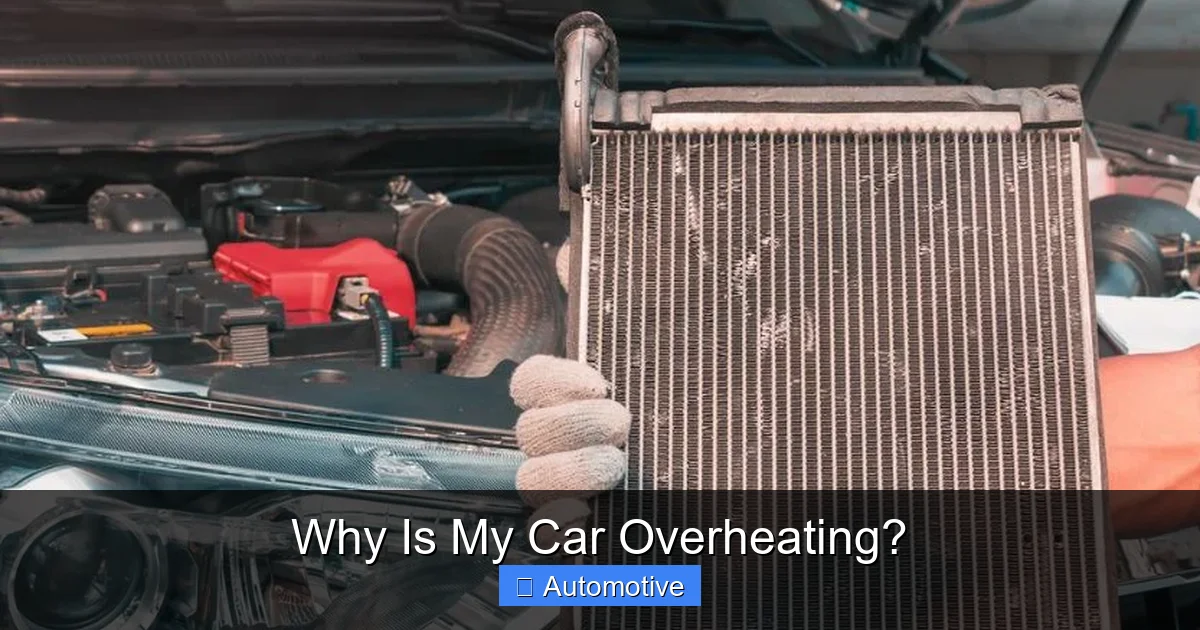
The radiator is where hot coolant releases its heat to the outside air. It’s made up of thin tubes and fins that maximize surface area for cooling. Over time, radiators can get clogged with debris, rust, or mineral deposits from old coolant. This reduces airflow and heat transfer, making the system less efficient.
External damage is another issue. If you’ve hit a pothole or driven through debris, the radiator fins can get bent or crushed, blocking airflow. In severe cases, the radiator might develop a leak, leading to coolant loss.
You can inspect the radiator visually—look for bent fins, dirt buildup, or wet spots. Flushing the radiator and replacing old coolant can help, but a damaged radiator may need replacement.
Cooling Fan Malfunction
The cooling fan kicks in when the engine gets hot, especially when the car is idling or moving slowly. It pulls air through the radiator to help cool the coolant. If the fan doesn’t turn on, the radiator can’t do its job, and the engine overheats.
Fans are usually controlled by a temperature sensor or the car’s computer. If the sensor fails, the fan won’t activate. The fan motor itself can also burn out, or the relay that powers it might be faulty. A blown fuse is another simple but common cause.
You can test the fan by letting the car idle until it gets hot and seeing if the fan spins up. If it doesn’t, check the fuse box and consider having the sensor or motor tested.
Head Gasket Failure
This is the big one—the most serious cause of overheating. The head gasket seals the engine block and cylinder head, keeping coolant, oil, and combustion gases separate. If it fails, coolant can leak into the combustion chamber or oil passages.
Signs of a blown head gasket include white smoke from the exhaust, milky oil on the dipstick, or bubbles in the coolant reservoir. The engine may overheat quickly, even with full coolant. This is a major repair that often requires engine disassembly and can cost thousands of dollars.
While less common than other causes, head gasket failure is often triggered by prolonged overheating. So, if your car overheats repeatedly, it could eventually lead to this expensive problem.
Warning Signs Your Car Is Overheating
Visual guide about Why Is My Car Overheating?
Image source: dealerinspire-image-library-prod.s3.us-east-1.amazonaws.com
Catching overheating early can save your engine. Here are the key signs to watch for:
Dashboard Warning Lights
Most modern cars have a temperature warning light—usually a thermometer symbol—that flashes when the engine gets too hot. Some vehicles also have a separate “check engine” light that may come on if sensors detect abnormal temperatures.
Don’t ignore these lights. If the temperature warning comes on, pull over safely and turn off the engine as soon as possible. Continuing to drive can cause irreversible damage.
Steam or Smoke from the Hood
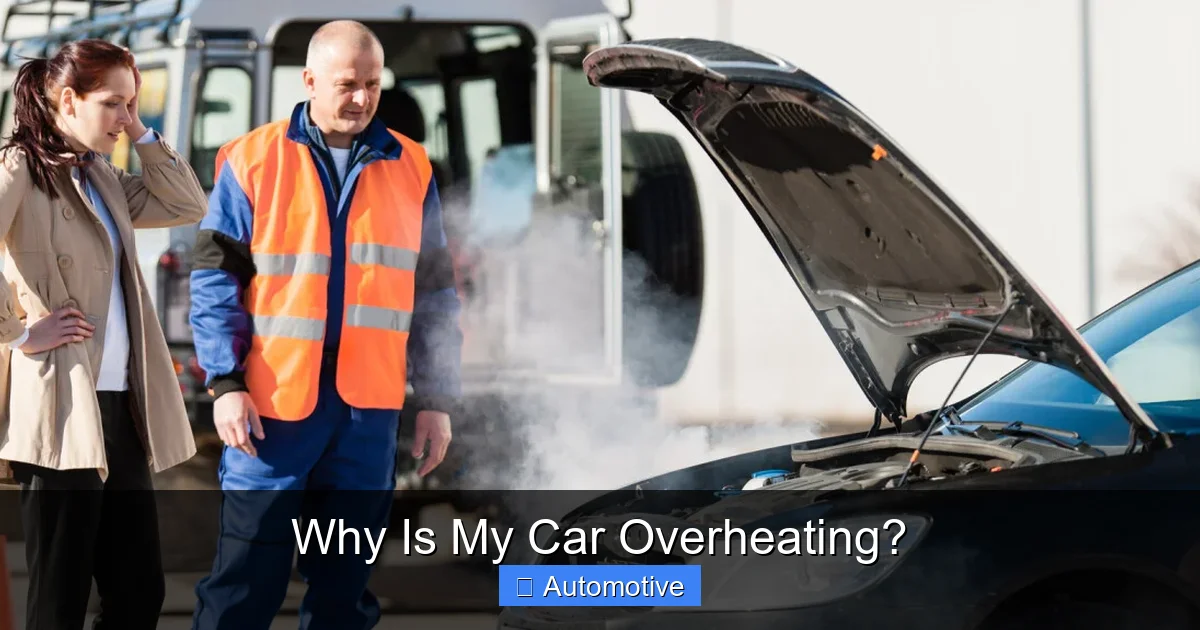
If you see steam or smoke rising from under the hood, your engine is already dangerously hot. This is often coolant boiling over or leaking onto hot engine parts. Pull over immediately and call for help.
Unusual Smells
A sweet, syrupy smell usually means coolant is leaking and burning off. A burning rubber or electrical smell could indicate a belt slipping or a fan motor overheating. Either way, it’s a red flag.
Loss of Power or Strange Noises
An overheating engine may run rough, hesitate, or lose power. You might hear knocking or pinging sounds as components expand and rub together. This is a sign of serious stress.
High Temperature Gauge Reading
If the temperature gauge climbs above the normal range (usually halfway), take action. Don’t wait for it to hit the red zone.
What to Do If Your Car Overheats
Visual guide about Why Is My Car Overheating?
Image source: roadsumo.com
If your car starts overheating, stay calm and follow these steps:
Pull Over Safely
Signal and move to the side of the road or a parking lot. Turn on your hazard lights. Don’t stop in traffic or on a curve.
Turn Off the Engine
Once stopped, turn off the engine immediately. Continuing to run a hot engine can warp the cylinder head or damage pistons.
Let the Engine Cool
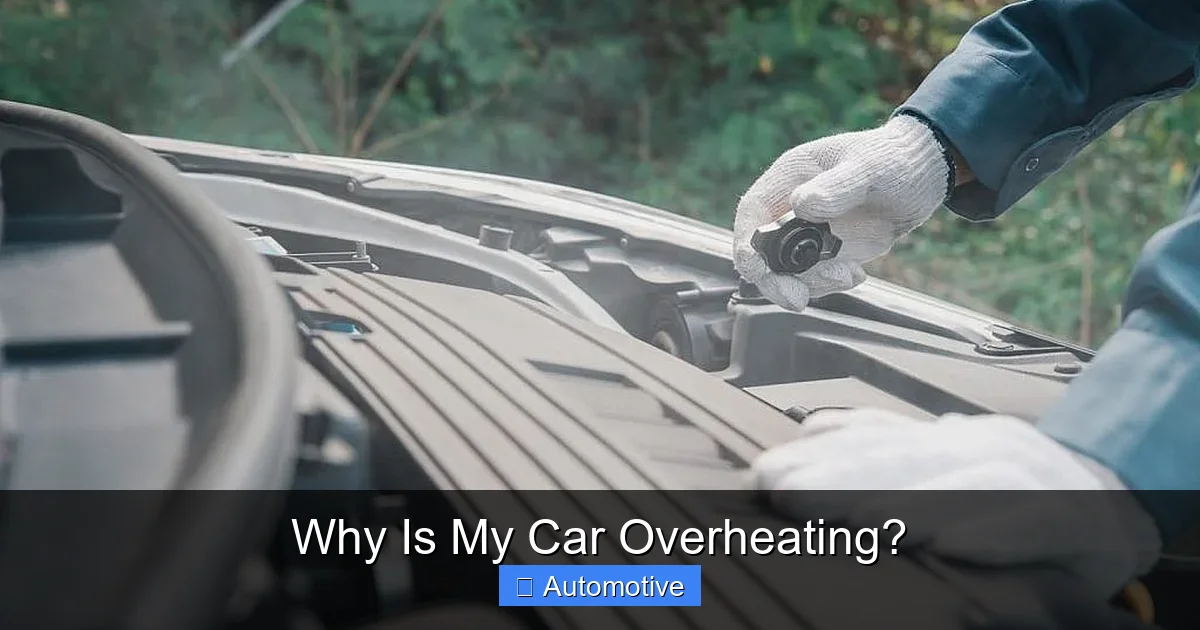
Wait at least 15–30 minutes before opening the hood. The engine and coolant can be extremely hot—opening the radiator cap too soon can cause a dangerous burst of steam.
Check Coolant Level
Once cool, check the coolant reservoir. If it’s low, add a 50/50 mix of coolant and water if available. Never open the radiator cap when the engine is hot.
Do Not Drive Until Fixed
Even if the car seems to cool down, driving with an overheating issue risks severe damage. Call a tow truck or roadside assistance.
Seek Professional Help
Have a mechanic inspect the cooling system. They can pressure-test for leaks, check the thermostat, and diagnose pump or fan issues.
How to Prevent Car Overheating
Prevention is always better than repair. Here’s how to keep your cooling system in top shape:
Regular Coolant Changes
Coolant breaks down over time and loses its protective properties. Most manufacturers recommend changing it every 30,000 to 100,000 miles, depending on the type (conventional vs. extended-life). Check your owner’s manual for specifics.
Inspect Hoses and Belts
Check coolant hoses for cracks, bulges, or soft spots. Replace any that look worn. Also, inspect the serpentine belt for fraying or glazing—a slipping belt can affect the water pump and fan.
Keep the Radiator Clean
Use a garden hose to gently spray the radiator fins and remove dirt, bugs, and debris. Be careful not to bend the fins.
Check the Radiator Cap
The radiator cap maintains pressure in the cooling system. A faulty cap can cause coolant to boil at a lower temperature. Replace it if it’s cracked or doesn’t hold pressure.
Monitor Driving Conditions
Avoid overloading your vehicle or towing beyond its capacity, especially in hot weather. Use the air conditioning sparingly if the engine is already under strain.
Watch for Leaks
Regularly check under your car for puddles or stains. Coolant is usually green, orange, or pink and has a sweet smell.
When to See a Mechanic
Some overheating issues are simple fixes—like topping off coolant or replacing a fuse. But if you’re unsure, it’s always safer to consult a professional. See a mechanic if:
– The temperature warning light comes on repeatedly.
– You notice coolant leaks or low levels without an obvious cause.
– The engine makes unusual noises when hot.
– The heater doesn’t blow warm air.
– You suspect a blown head gasket.
A certified technician can perform a cooling system pressure test, check for blockages, and ensure all components are working properly.
Conclusion
Car overheating is a serious issue, but it’s often avoidable with regular maintenance and awareness. Whether it’s low coolant, a stuck thermostat, or a failing water pump, understanding the causes helps you respond quickly and prevent engine damage.
Don’t wait for the temperature gauge to hit the red. Stay alert to warning signs, keep up with coolant changes, and inspect your cooling system regularly. And if your car does overheat, remember: pull over, turn it off, and get help.
Your car’s engine is its heart—treat it well, and it’ll keep you moving for years to come.
Frequently Asked Questions
Can I drive my car if it’s overheating?
No, you should not drive an overheating car. Continuing to drive can cause severe engine damage, including warped cylinder heads or blown gaskets. Pull over safely and turn off the engine immediately.
How often should I check my coolant level?
Check your coolant level at least once a month, especially before long trips or in extreme weather. Also inspect it after any repairs or if you notice temperature fluctuations.
What type of coolant should I use?
Use the coolant type specified in your owner’s manual. Mixing different types can cause chemical reactions that damage the cooling system. Most cars use a 50/50 mix of coolant and distilled water.
Can a dirty air filter cause overheating?
Not directly, but a clogged air filter can reduce engine efficiency and increase operating temperature. While it’s not a primary cause, keeping the air filter clean supports overall engine health.
Why does my car overheat in traffic but not on the highway?
This often points to a cooling fan issue. At highway speeds, airflow cools the radiator naturally. In traffic, the fan must do the work—if it’s not working, the engine overheats.
Is it safe to add water to coolant in an emergency?
Yes, in an emergency, you can add distilled water to the coolant reservoir to temporarily lower the temperature. But replace it with the proper coolant mix as soon as possible to avoid corrosion or freezing.
