
Can You Sell Used Car Seats?

Yes, you can sell used car seats, but it’s not always safe or legal. Safety standards, expiration dates, and accident history all play a role in whether a used seat should be resold. Always check for recalls, damage, and proper labeling before selling or buying.
Key Takeaways
- Selling used car seats is legal in most places, but safety should come first. Many parents want to save money, but compromised seats can put children at risk.
- Check the expiration date—most car seats expire 6 to 10 years after manufacture. Selling an expired seat is dangerous and potentially illegal.
- Never sell a car seat involved in a moderate or severe crash. Even if it looks fine, internal damage may reduce its effectiveness.
- Look for recalls and ensure all parts are included and undamaged. Missing manuals or broken straps make a seat unsafe.
- Clean the seat thoroughly and disclose its full history to buyers. Transparency builds trust and protects both parties.
- Consider donating instead of selling if the seat is outdated or damaged. Many nonprofits accept gently used seats in good condition.
- When in doubt, recycle or dispose of the seat properly. Safety isn’t worth the risk—your child’s life depends on it.
📑 Table of Contents
- Can You Sell Used Car Seats? A Complete Guide for Parents
- Understanding Car Seat Safety and Why It Matters
- Legal and Ethical Considerations When Selling Used Car Seats
- When It’s Safe to Sell a Used Car Seat
- How to Safely Sell a Used Car Seat
- Alternatives to Selling: Donating or Recycling
- Tips for Buying a Used Car Seat
- Final Thoughts: Safety First, Always
Can You Sell Used Car Seats? A Complete Guide for Parents
So, you’ve got a car seat that’s seen better days—maybe it’s been through one too many snack spills, or your little one has outgrown it. You’re thinking, “Can I sell this?” It’s a smart question, especially when new car seats can cost anywhere from $50 to over $300. Selling a used one sounds like a great way to recoup some cash and help another family save money.
But here’s the catch: car seats aren’t like old toys or baby clothes. They’re safety devices, designed to protect children in the event of a crash. That means selling a used car seat isn’t just about convenience or profit—it’s about responsibility. While it’s technically legal in most states to sell a used car seat, there are serious safety and ethical considerations to keep in mind.
In this guide, we’ll walk you through everything you need to know about selling used car seats: the rules, the risks, the red flags, and the best practices. Whether you’re looking to sell, buy, or simply understand the process, this article will help you make smart, safe decisions for your family and others.
Understanding Car Seat Safety and Why It Matters
Visual guide about Can You Sell Used Car Seats?
Image source: goodbuygear.com
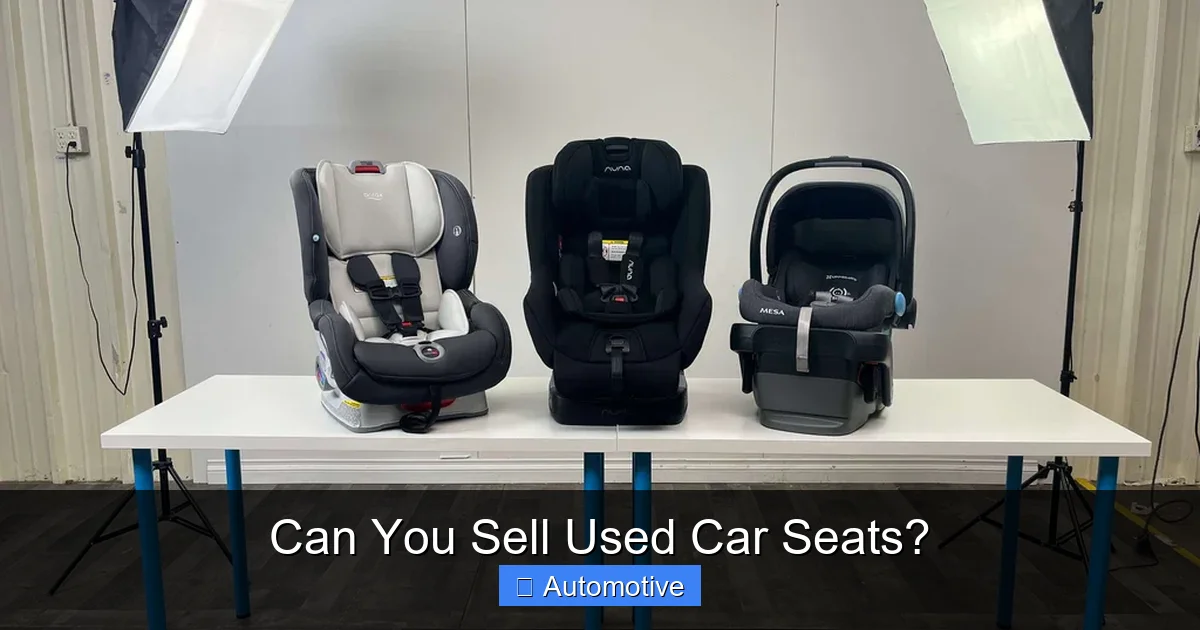
Before you even think about listing that car seat online, it’s important to understand why car seat safety is such a big deal. According to the National Highway Traffic Safety Administration (NHTSA), car seats reduce the risk of fatal injury by 71% for infants and by 54% for toddlers in passenger vehicles. That’s huge. These aren’t just accessories—they’re life-saving tools.
Car seats are engineered to absorb impact, distribute force, and keep a child securely restrained during a crash. But like any piece of safety equipment, they have a limited lifespan. Over time, materials degrade, straps weaken, and plastic components can become brittle—especially when exposed to heat, sunlight, or frequent cleaning.
That’s why selling a used car seat isn’t as simple as wiping it down and posting a photo. You need to ask: Is this seat still safe? Has it been in an accident? Is it expired? Are all the parts intact? If you can’t answer “yes” to all these questions with confidence, selling it could put another child in danger.
How Car Seats Are Tested and Rated
Car seats in the U.S. must meet federal safety standards set by the NHTSA. These include rigorous crash tests, durability checks, and ease-of-use evaluations. Seats are also rated by independent organizations like Consumer Reports and the Insurance Institute for Highway Safety (IIHS), which test for real-world performance.
When you buy a new car seat, you’re getting a product that’s been tested under controlled conditions. But once it’s used—especially in a real vehicle—those conditions change. A seat that performed perfectly in a lab might not hold up after years of use, exposure to extreme temperatures, or improper installation.
That’s why even a gently used car seat can be risky if it hasn’t been properly maintained or inspected. And if it’s been in a crash, even a minor one, its structural integrity may be compromised—even if it looks fine on the outside.
The Role of Expiration Dates
One of the most important things to check before selling a used car seat is the expiration date. Most manufacturers stamp an expiration date on the seat, usually 6 to 10 years from the date of manufacture. You can find this information on a label on the bottom or back of the seat.
Why do car seats expire? It’s not just a marketing tactic. Over time, the plastic shell can become brittle, especially in hot climates. The harness straps may lose their strength, and the foam padding can degrade. Even if the seat looks fine, these hidden changes can reduce its effectiveness in a crash.
Selling an expired car seat is not only unsafe—it may also be illegal in some states. For example, California prohibits the sale or transfer of expired car seats. Other states may not have explicit laws, but selling an expired seat could leave you liable if something goes wrong.
Legal and Ethical Considerations When Selling Used Car Seats
Visual guide about Can You Sell Used Car Seats?
Image source: automotivian.com
Now that we’ve covered the safety basics, let’s talk about the legal side. Can you legally sell a used car seat? In most states, yes—but with important caveats.
There is no federal law banning the sale of used car seats. However, some states have regulations that restrict or prohibit the sale of certain types of used seats, especially those that are expired, recalled, or involved in crashes.
State Laws and Regulations
Let’s look at a few examples:
– **California**: Under California Vehicle Code Section 27360, it is illegal to sell, offer for sale, or transfer a used child restraint system (car seat) that is expired, recalled, or has been involved in a moderate or severe crash.
– **New York**: While there’s no outright ban, the state strongly advises against selling used car seats and encourages proper disposal of expired or damaged ones.
– **Texas**: No specific law prohibits selling used car seats, but sellers are encouraged to follow NHTSA guidelines and disclose all known issues.
Even in states without strict laws, selling a defective or unsafe car seat could lead to civil liability if a child is injured while using it. That’s why transparency is key.
Ethical Responsibility to Buyers
Beyond the law, there’s an ethical obligation to protect other families. When you sell a used car seat, you’re not just selling a product—you’re entrusting someone else’s child to its safety.
That means being completely honest about the seat’s history. Did it come from a smoke-free home? Has it been cleaned with harsh chemicals? Was it stored in a hot garage? These details matter.
A good rule of thumb: If you wouldn’t feel comfortable putting your own child in the seat, don’t sell it to someone else.
Recalls and Safety Notices
Before selling, always check if the car seat has been recalled. The NHTSA maintains a free online database where you can search by model and manufacturer. You can also register your seat with the manufacturer to receive recall notices.
If the seat has been recalled and not repaired, you must not sell it. Doing so could put a child at risk and potentially expose you to legal action.
When It’s Safe to Sell a Used Car Seat
Visual guide about Can You Sell Used Car Seats?
Image source: carseatblog.com
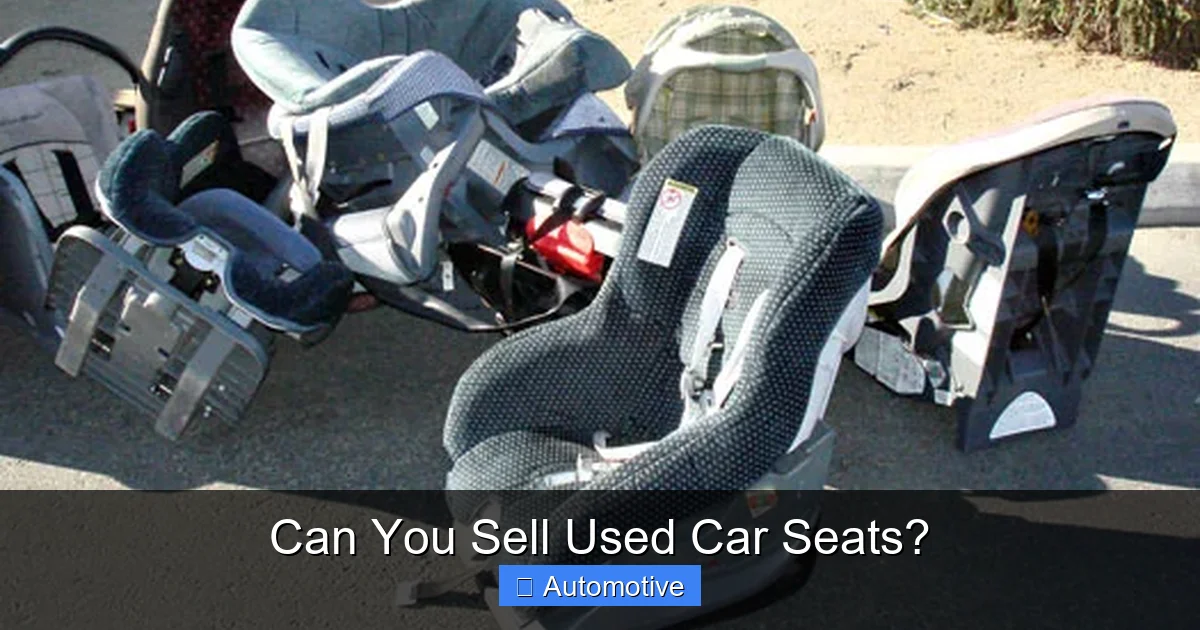
So, when is it actually safe to sell a used car seat? The answer depends on several factors. If your seat meets all the following criteria, it may be a good candidate for resale:
The Seat Has Never Been in a Crash
This is non-negotiable. If your car seat was involved in a moderate or severe crash—even if the vehicle was drivable afterward—the seat should be destroyed, not sold. The NHTSA recommends replacing any car seat involved in a crash that required vehicle repairs.
Why? Because the forces involved in a crash can cause microscopic damage to the seat’s structure. This damage isn’t always visible, but it can weaken the seat and reduce its ability to protect a child.
Even minor fender benders can compromise a car seat. If you’re unsure whether a crash was “severe” enough to matter, it’s better to err on the side of caution and replace the seat.
The Seat Is Not Expired
As mentioned earlier, most car seats expire 6 to 10 years after the manufacture date. Check the label on the seat to confirm. If it’s expired, do not sell it—even if it looks brand new.
Expired seats may not meet current safety standards, and their materials may have degraded over time. Selling an expired seat is not only unsafe but could also be illegal in some areas.
All Parts Are Present and Functional
A complete car seat includes the base (if applicable), harness straps, buckle, chest clip, padding, and instruction manual. Missing or damaged parts can make the seat unsafe or unusable.
For example, if the harness straps are frayed or the buckle doesn’t click securely, the seat should not be sold. Similarly, if the recline mechanism is broken or the LATCH connectors are damaged, the seat is compromised.
The Seat Has Not Been Recalled
Always check the NHTSA recall database before selling. If the seat has been recalled and the issue hasn’t been fixed, you must not sell it. Some recalls require a free repair kit from the manufacturer—make sure this has been completed.
The Seat Has Been Properly Maintained
A well-cared-for car seat is more likely to be safe for resale. This means:
– It hasn’t been cleaned with harsh chemicals (like bleach or ammonia), which can weaken fabrics and plastics.
– It hasn’t been stored in extreme temperatures (like a hot attic or freezing garage), which can degrade materials.
– It hasn’t been modified or altered in any way (e.g., adding aftermarket covers or padding).
If the seat has been properly cleaned with mild soap and water and stored in a climate-controlled environment, it’s more likely to be in good condition.
How to Safely Sell a Used Car Seat
If your car seat passes all the safety checks, you can proceed with selling it—but do so responsibly. Here’s how:
Clean the Seat Thoroughly
Buyers will appreciate a clean, fresh-smelling seat. Remove the cover (if machine-washable) and wash it according to the manufacturer’s instructions. Wipe down the plastic shell with a damp cloth and mild soap. Avoid harsh cleaners.
Let everything dry completely before reassembling. A clean seat not only looks better but also reduces the risk of mold or bacteria.
Include All Original Parts and Manual
Make sure the instruction manual is included—this is crucial for proper installation. If you’ve lost it, most manufacturers offer free digital copies on their websites.
Also, include any extra parts like extra harness clips, base locks, or travel bags. These add value and show you’ve taken good care of the seat.
Disclose the Seat’s Full History
Be honest about the seat’s background. In your listing, mention:
– The model and manufacture date
– Whether it’s been in a crash (if yes, don’t sell it)
– If it’s been recalled and repaired
– How it was stored (e.g., “kept in a smoke-free, air-conditioned home”)
– Any wear and tear (e.g., “minor fading on the fabric, but all straps are strong”)
Transparency builds trust and protects you from liability.
Price It Fairly
Used car seats typically sell for 30% to 50% of their original price, depending on age, condition, and brand. High-end brands like Britax, Chicco, or Clek may retain more value.
Avoid overpricing—buyers are often wary of used safety items and will compare prices.
Choose the Right Platform
Popular platforms for selling used baby gear include:
– Facebook Marketplace
– Craigslist
– OfferUp
– Local parenting groups or buy/sell/trade pages
Avoid selling on platforms that don’t allow local pickup—shipping a car seat can damage it, and buyers may be hesitant to purchase without inspecting it first.
Meet in a Safe, Public Place
When meeting a buyer, choose a well-lit, public location like a police station parking lot or a busy shopping center. This protects both you and the buyer.
Let the buyer inspect the seat before handing over cash. A responsible buyer will want to check the labels, straps, and overall condition.
Alternatives to Selling: Donating or Recycling
If your car seat doesn’t meet the criteria for resale, don’t throw it in the trash just yet. There are safer, more responsible alternatives.
Donate to a Reputable Organization
Many nonprofits and shelters accept gently used car seats in good condition. Examples include:
– Safe Kids Worldwide
– Local women’s shelters
– Foster care agencies
– Church or community outreach programs
Before donating, call ahead to confirm they accept used car seats and ask about their requirements (e.g., no recalls, not expired).
Recycle the Seat
Car seats are made of plastic, metal, and fabric—materials that can often be recycled. However, most curbside recycling programs don’t accept them due to their complex construction.
Instead, look for specialized car seat recycling programs. For example:
– **TerraCycle** partners with retailers like Target and Walmart to offer free car seat recycling. You can drop off your seat at participating locations, and they’ll break it down for proper recycling.
– Some local waste management agencies host special collection events for hard-to-recycle items, including car seats.
Recycling keeps harmful materials out of landfills and ensures the seat won’t end up in the hands of someone who shouldn’t use it.
Proper Disposal
If the seat is damaged, expired, or recalled, the safest option is to destroy it before disposal. Cut the harness straps, remove the padding, and break the plastic shell so it can’t be reused.
Then, dispose of it in your regular trash or take it to a recycling center that accepts mixed plastics.
Tips for Buying a Used Car Seat
If you’re on the buying side, the same rules apply—just in reverse. Here’s how to protect yourself when purchasing a used car seat:
– **Ask for the full history**: Where did it come from? Has it been in a crash? When was it made?
– **Check the labels**: Look for the manufacture date, model number, and expiration date.
– **Inspect it in person**: Check for cracks, frayed straps, missing parts, or signs of wear.
– **Verify it’s not recalled**: Use the NHTSA database to double-check.
– **Avoid online-only purchases**: It’s harder to assess condition without seeing it.
When in doubt, walk away. A new seat may cost more, but it’s worth the peace of mind.
Final Thoughts: Safety First, Always
So, can you sell used car seats? The short answer is yes—but only if the seat is safe, unexpired, unrecalled, and has never been in a crash. Even then, you have a responsibility to be honest and thorough in your disclosure.
Car seats are not just products—they’re guardians of our most precious passengers. A small savings today isn’t worth risking a child’s safety tomorrow.
Whether you’re selling, buying, or donating, always prioritize safety over convenience. When in doubt, recycle or replace. Your child—and someone else’s—deserves nothing less.
Frequently Asked Questions
Can you legally sell a used car seat?
Yes, in most states it is legal to sell a used car seat, but some states like California prohibit the sale of expired, recalled, or crash-involved seats. Always check local laws before selling.
How long do car seats last before they expire?
Most car seats expire 6 to 10 years after the manufacture date. Check the label on the seat for the exact expiration date and never sell or use an expired seat.
Can you sell a car seat that’s been in a minor accident?
No. The NHTSA recommends replacing any car seat involved in a moderate or severe crash. Even minor accidents can cause hidden damage that compromises safety.
What should I do if my car seat is recalled?
If your car seat is recalled, contact the manufacturer for a free repair kit or replacement. Do not sell or use the seat until the issue is resolved.
Where can I donate a used car seat?
You can donate gently used, unexpired car seats to organizations like Safe Kids Worldwide, local shelters, or foster care agencies. Always call ahead to confirm they accept donations.
How can I recycle an old car seat?
Programs like TerraCycle partner with retailers such as Target and Walmart to offer free car seat recycling. You can drop off your seat at participating locations for proper recycling.
