
Can You Gate Check a Car Seat?

Yes, you can gate check a car seat—and it’s often the best option when traveling with young children. This guide explains how gate checking works, airline policies, safety tips, and how to protect your seat from damage during transit.
Key Takeaways
- Gate checking is allowed: Most airlines permit parents to gate check car seats at no extra cost, even if you’re not using them on the plane.
- It’s safer than checking at the counter: Gate checking reduces the risk of damage and loss since the seat stays with you until boarding.
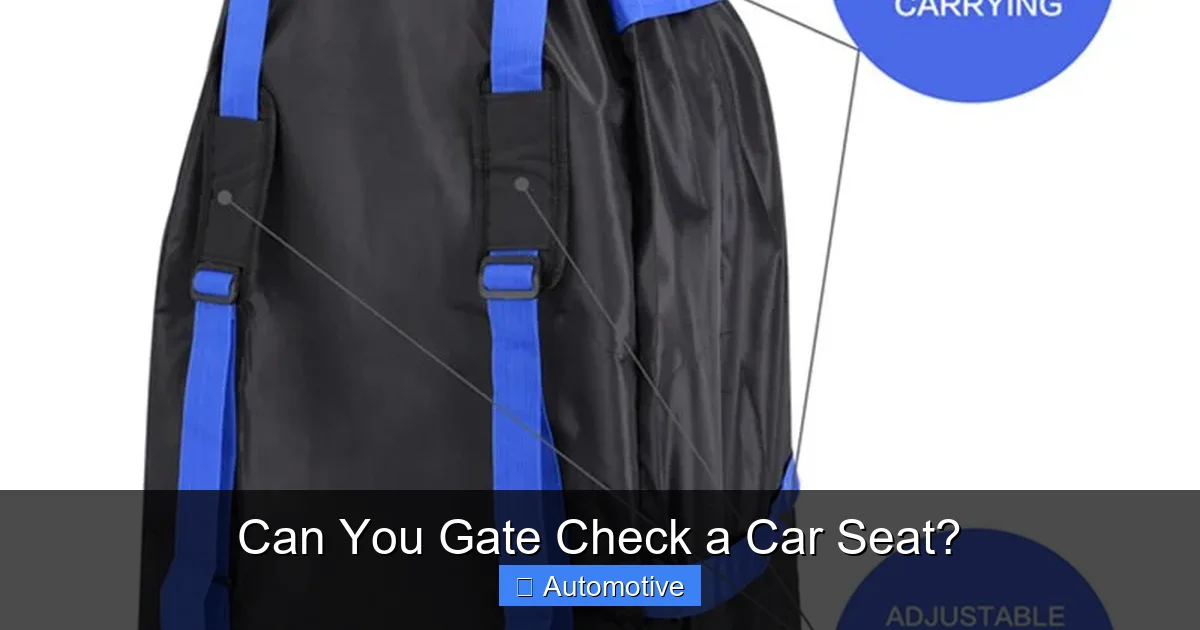
- Use a protective bag: A padded car seat travel bag shields your seat from dirt, moisture, and impact during handling.
- Arrive early: Give yourself extra time to check the seat at the gate and confirm return procedures.
- Know your airline’s policy: Rules vary slightly by carrier, so check ahead to avoid surprises at the airport.
- Consider bringing it onboard: If your child is under 2 and you have an extra seat, you may install the car seat on the plane for added safety.
- Label your seat clearly: Add your name, contact info, and flight details to prevent mix-ups.
📑 Table of Contents
- Can You Gate Check a Car Seat? The Short Answer
- Why Gate Checking a Car Seat Makes Sense
- How to Gate Check a Car Seat: Step-by-Step Guide
- Airline Policies: What You Need to Know
- Should You Bring the Car Seat On Board?
- Protecting Your Car Seat from Damage
- Common Mistakes to Avoid
- Final Thoughts: Is Gate Checking Right for You?
Can You Gate Check a Car Seat? The Short Answer
Yes—you absolutely can gate check a car seat, and it’s one of the most practical and safe ways to travel with young children. Whether you’re flying with a toddler or an infant, gate checking allows you to use your car seat in the airport (like on a stroller frame or as a carrier) and then hand it over to airline staff just before boarding. This means you don’t have to lug it through security, onto trams, or through crowded terminals.
Gate checking is different from checking a car seat at the ticket counter. When you check at the counter, your seat goes into the cargo hold with other luggage and may be handled more roughly. With gate checking, the seat stays with you until the last possible moment, reducing the risk of damage or loss. It’s also typically free of charge, even on airlines that charge for checked bags.
Many parents wonder if gate checking is allowed or safe. The good news is that all major U.S. airlines—and most international carriers—permit gate checking of car seats. The Federal Aviation Administration (FAA) and the National Highway Traffic Safety Administration (NHTSA) both support the use of car seats on planes when possible, and they encourage safe handling during travel. So not only is gate checking allowed, it’s encouraged as a smart travel strategy.
Why Gate Checking a Car Seat Makes Sense
Visual guide about Can You Gate Check a Car Seat?
Image source: images.nexusapp.co
Traveling with a baby or toddler is already stressful enough. Adding a bulky car seat to the mix can feel overwhelming. That’s where gate checking comes in—it’s a game-changer for parents who want convenience without compromising safety.
One of the biggest advantages of gate checking is that you can use your car seat right up until boarding. Many modern car seats are compatible with stroller frames, turning them into portable travel systems. This means you can carry your sleeping baby in the seat while navigating the airport, then simply detach it and hand it over at the gate. No need to wake your child or switch carriers at the last minute.
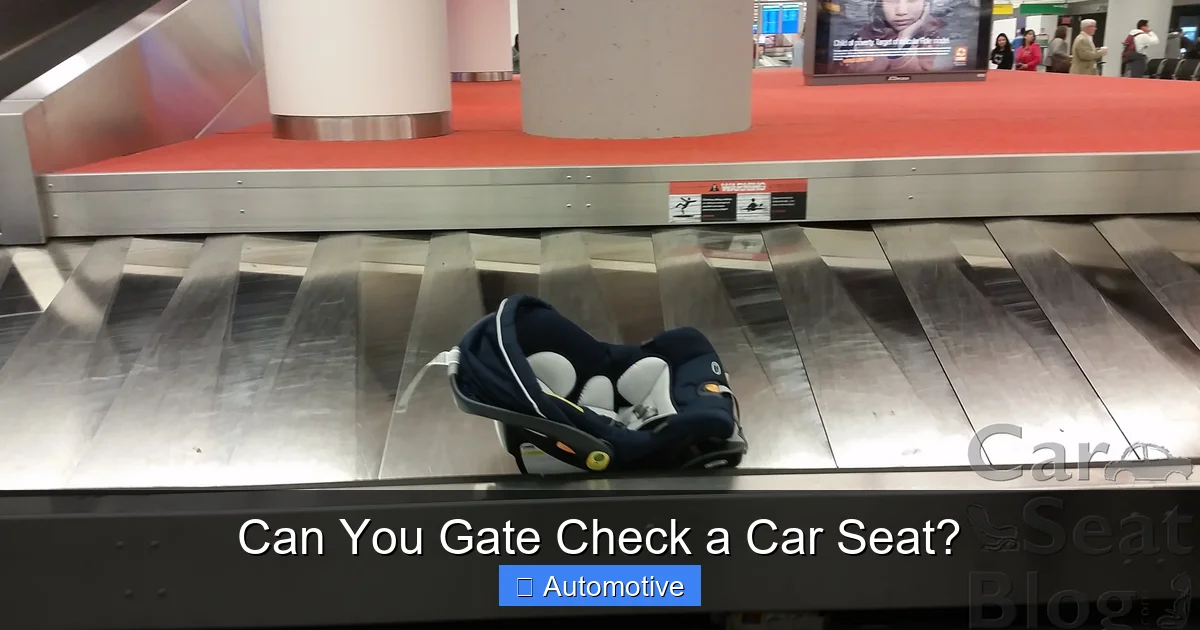
Another major benefit is reduced handling. When you check a car seat at the ticket counter, it gets tossed onto conveyor belts, stacked with other bags, and loaded into cargo holds. This increases the risk of damage—straps can get tangled, buckles can break, and the shell can crack. Gate checking minimizes this risk because the seat is handled only once: when it’s taken from you at the gate and returned after landing.
Also, gate-checked car seats are usually returned to you at the gate upon arrival, especially on domestic flights. This means you can get your child buckled in and on your way quickly, without waiting at baggage claim. For parents with connecting flights or tight layovers, this can be a lifesaver.
Safety First: Is Gate Checking Safe?
A common concern among parents is whether gate checking compromises the safety of the car seat. After all, car seats are precision safety devices designed to protect children in crashes. Any damage—no matter how small—could affect performance.
The good news is that gate checking is generally safe, especially when done properly. Airlines are required to handle car seats with care, and flight attendants are trained to manage them appropriately. However, accidents can happen. That’s why using a protective travel bag is highly recommended.
Studies have shown that car seats checked as luggage (especially at the counter) are more likely to be damaged than those carried on or gate-checked. A 2018 study by the NHTSA found that nearly 30% of checked car seats had visible damage, including cracked shells and frayed straps. Gate checking reduces this risk significantly because the seat isn’t subjected to the same rough handling.
To further protect your seat, always use a padded travel bag. These bags are designed to absorb impact and shield the seat from dirt, moisture, and scratches. Some even come with wheels or backpack straps for easier transport. And don’t forget to label your seat clearly—include your name, phone number, and flight information. This helps airline staff return it to the right person and reduces the chance of mix-ups.
Convenience and Time Savings
Let’s be honest: airports are chaotic. Long lines, security checks, crowded gates—it’s enough to make anyone stressed. Gate checking a car seat can actually reduce that stress by making your journey smoother.
Imagine this: You arrive at the airport with your toddler in a car seat stroller combo. You breeze through security (many TSA agents allow car seats through checkpoints if they’re not being used as seats), navigate the terminal with ease, and arrive at your gate relaxed. When it’s time to board, you hand the seat to a gate agent, who tags it and stores it nearby. On the plane, your child sits on your lap or in a purchased seat. After landing, the seat is returned to you at the gate—no waiting at baggage claim.
Compare that to checking the seat at the counter. You’d have to detach it from the stroller, carry it through the airport, check it in, and then wait at baggage claim after your flight. That’s extra time, extra effort, and extra stress—especially if your flight is delayed or your luggage is misplaced.
Gate checking also helps with connecting flights. If you have a short layover, you don’t want to be stuck waiting for your car seat at baggage claim. With gate checking, it’s usually returned to you at the gate, so you can move quickly to your next flight.
How to Gate Check a Car Seat: Step-by-Step Guide
Visual guide about Can You Gate Check a Car Seat?
Image source: momease.ca
Gate checking a car seat is simple, but it helps to know the process ahead of time. Here’s a step-by-step guide to make it as smooth as possible.
Step 1: Confirm Airline Policy
Before you leave home, check your airline’s policy on gate checking car seats. Most major carriers—including Delta, American, United, Southwest, and JetBlue—allow gate checking at no extra cost. However, some international airlines may have different rules, so it’s always best to verify.
You can usually find this information on the airline’s website under “traveling with children” or “special items.” If you’re unsure, call customer service or check the mobile app.
Step 2: Prepare Your Car Seat
Make sure your car seat is clean and in good condition. Remove any loose items like toys, blankets, or extra padding. These can get lost or cause damage during handling.
If your car seat has a base, check whether you need to check the base separately. Some airlines allow you to bring the base on board if it fits under the seat, but most recommend checking it with the seat.
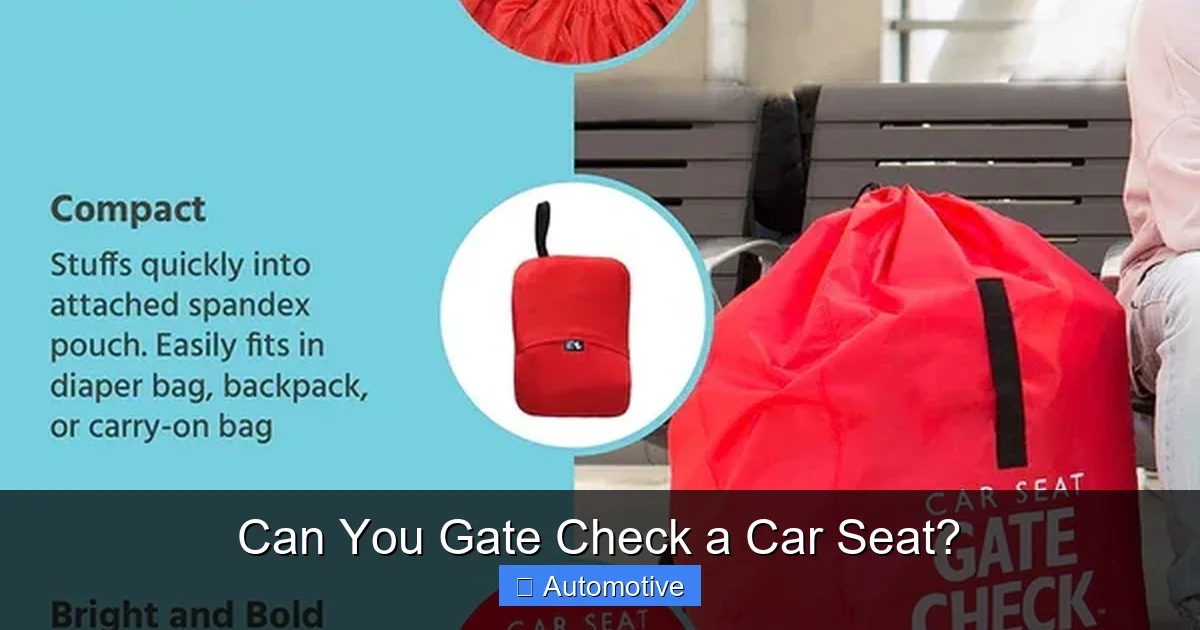
Step 3: Use a Protective Travel Bag
Invest in a high-quality car seat travel bag. Look for one made of durable, water-resistant material with padded sides and a reinforced bottom. Some popular options include the J.L. Childress Ultimate Car Seat Travel Bag and the Diono Car Seat Travel Bag.
Before placing the seat in the bag, make sure the straps are neatly tucked in and the buckle is secured. This prevents snagging and damage.
Step 4: Label Your Seat
Attach a label with your name, phone number, and flight information to both the car seat and the travel bag. Use a waterproof tag or write clearly with a permanent marker. This helps airline staff identify your seat and return it to you quickly.
Some parents also use bright-colored tape or ribbons to make their seat stand out. This can be helpful in busy airports where many seats look alike.
Step 5: Arrive Early
Give yourself extra time at the airport. Gate checking usually happens 30 to 45 minutes before boarding, so you’ll want to be at the gate with plenty of time to spare.
When you arrive at the gate, let the agent know you have a car seat to gate check. They’ll provide a tag and instructions on where to leave the seat. Some airlines have a designated area near the jet bridge; others may take it directly from you.
Step 6: Retrieve Your Seat After Landing
After your flight, wait near the gate for your car seat to be returned. On most domestic flights, gate-checked items are brought to the jet bridge or gate area shortly after deplaning.
If you don’t see your seat right away, don’t panic. Ask a flight attendant or gate agent for assistance. They can usually locate it quickly.
For international flights or connecting flights, the process may vary. Some airlines return gate-checked items at baggage claim, so be sure to ask when you check the seat.
Airline Policies: What You Need to Know
Visual guide about Can You Gate Check a Car Seat?
Image source: carseatblog.com
While most airlines allow gate checking, policies can vary slightly. Here’s a quick overview of what to expect from major U.S. carriers.
Delta Air Lines
Delta allows passengers to gate check one car seat per child at no extra cost. The seat must be labeled and placed in a protective bag. Gate-checked items are typically returned at the gate upon arrival.
American Airlines
American Airlines permits gate checking of car seats and strollers. You can check one car seat and one stroller per child. The seat should be tagged and handed to a gate agent before boarding.
United Airlines
United allows gate checking of car seats and strollers free of charge. They recommend using a travel bag and arriving early to ensure smooth handling.
Southwest Airlines
Southwest is known for its family-friendly policies. They allow gate checking of car seats and strollers, and items are usually returned at the gate. Southwest also offers early boarding for families with young children, making it easier to manage gear.
JetBlue
JetBlue permits gate checking of car seats and strollers. They recommend using a travel bag and labeling the seat clearly. Gate-checked items are returned at the gate on most flights.
International Airlines
Policies on international carriers can vary. For example, British Airways and Lufthansa allow gate checking, but may return items at baggage claim on long-haul flights. Always check the airline’s website or contact customer service before traveling.
Should You Bring the Car Seat On Board?
Gate checking is convenient, but it’s not the only option. If your child is under 2 years old and you’ve purchased a separate seat, you may be able to bring the car seat on board and install it on the plane.
Benefits of Onboard Use
Using a car seat on the plane is the safest option for young children. The FAA recommends that children under 40 pounds use an approved car seat during flight. This provides better protection in the event of turbulence or emergency landing.
Car seats also help keep children secure and calm during the flight. Many toddlers feel more comfortable in their familiar seat, and it can prevent them from squirming or trying to climb out of the airplane seat.
How to Install a Car Seat on a Plane
To install a car seat on a plane, it must be FAA-approved. Look for a label on the seat that says “This restraint is certified for use in motor vehicles and aircraft.” Most modern car seats meet this standard.
Install the seat in a window seat, facing forward, using the airplane’s seatbelt. The belt should go through the car seat’s belt path and be snug. Avoid placing the seat in an exit row or bulkhead seat, as these areas have different safety requirements.
When Onboard Use Isn’t Possible
If you haven’t purchased a separate seat for your child, they will need to sit on your lap during the flight. In this case, gate checking the car seat is the best option. You can still use it in the airport and have it returned after landing.
Some parents worry about the safety of lap seating, but the FAA considers it acceptable for children under 2. However, if you’re concerned, consider purchasing an extra seat for your child—even if it’s just for the flight.
Protecting Your Car Seat from Damage
Even with gate checking, car seats can get damaged. Here’s how to protect yours.
Use a High-Quality Travel Bag
As mentioned earlier, a padded travel bag is essential. Look for one with reinforced stitching, waterproof material, and extra padding around the sides and bottom. Some bags even have wheels or backpack straps for easier transport.
Pack Smart
Don’t overload the bag with extra items. While it might be tempting to stuff blankets or toys inside, this can damage the seat or make it harder to handle. Keep the bag lightweight and focused on protection.
Inspect After Travel
Once you receive your seat back, inspect it carefully. Check for cracks, loose parts, frayed straps, or damaged buckles. If you notice any issues, contact the airline and consider replacing the seat if necessary.
Know Your Rights
If your car seat is damaged during travel, you may be entitled to compensation. Most airlines have policies for damaged items, including car seats. Keep your receipt and take photos of the damage. File a claim with the airline as soon as possible.
Common Mistakes to Avoid
Even experienced travelers can make mistakes when gate checking a car seat. Here are some common pitfalls to avoid.
Not Using a Travel Bag
Checking a car seat without protection is risky. Dirt, moisture, and impact can damage the seat. Always use a padded travel bag.
Forgetting to Label the Seat
Unlabeled seats are more likely to be misplaced. Always include your name, phone number, and flight details.
Arriving Too Late
Gate checking happens close to boarding time. Arrive early to avoid rushing or missing the process.
Assuming All Airlines Are the Same
Policies vary. Always check your specific airline’s rules before traveling.
Not Inspecting After Travel
Damage isn’t always obvious. Take a few minutes to inspect your seat after each trip.
Final Thoughts: Is Gate Checking Right for You?
Gate checking a car seat is a smart, safe, and convenient option for most families. It allows you to use your seat in the airport, reduces handling, and often means faster retrieval after landing. With the right preparation—like using a travel bag and knowing your airline’s policy—you can travel with confidence.
Whether you’re flying across the country or taking a short trip, gate checking can make your journey smoother and less stressful. And remember: safety always comes first. If you have the option to bring your car seat on board, consider it—especially for long flights or turbulent routes.
Traveling with kids doesn’t have to be hard. With a little planning, you can protect your child, your gear, and your sanity.
Frequently Asked Questions
Can I gate check a car seat for free?
Yes, most airlines allow you to gate check a car seat at no extra cost, even if you’re not using it on the plane. This policy applies to both domestic and many international flights.
Do I need a special bag to gate check a car seat?
While not always required, using a padded travel bag is highly recommended. It protects the seat from damage, dirt, and moisture during handling.
Will my car seat be returned at the gate?
On most domestic flights, yes—gate-checked car seats are usually returned to you at the gate after landing. On international or connecting flights, they may be sent to baggage claim.
Can I bring my car seat on the plane?
Yes, if your child is under 2 and you’ve purchased a separate seat, you can install an FAA-approved car seat on the plane. Check your airline’s policy for details.
What if my car seat gets damaged during travel?
Inspect your seat after travel and report any damage to the airline immediately. Most carriers have policies for compensating damaged items, including car seats.
Is gate checking safer than checking at the counter?
Yes, gate checking is generally safer because the seat is handled less and stays with you until boarding. This reduces the risk of damage and loss.