
How Hot Does a Car Engine Get?

Car engines can reach temperatures between 195°F and 220°F during normal operation, thanks to the cooling system. Without proper cooling, internal components can hit over 400°F, risking serious damage. Understanding engine heat helps you maintain performance and avoid costly repairs.
Key Takeaways
- Normal operating temperature: Most car engines run between 195°F and 220°F (90°C to 105°C), maintained by the cooling system.
- Coolant is critical: Engine coolant absorbs and transfers heat away from the engine to prevent overheating.
- Overheating risks: Temperatures above 230°F can warp engine parts, blow head gaskets, or cause engine seizure.
- Factors affecting heat: Driving conditions, ambient temperature, engine load, and maintenance all influence engine temperature.
- Warning signs matter: Dashboard temperature gauges, steam, or warning lights signal potential overheating issues.
- Prevention is key: Regular coolant checks, radiator maintenance, and timely repairs help keep your engine cool.
- Modern engines are smarter: Many vehicles now use electronic thermostats and sensors to regulate temperature more efficiently.
📑 Table of Contents
How Hot Does a Car Engine Get?
Have you ever wondered what’s happening under the hood when your car is running? It’s easy to think of your engine as a quiet, smooth-running machine—especially when you’re cruising down the highway with the AC on and your favorite playlist playing. But beneath that calm exterior, your engine is a blazing furnace of controlled explosions, friction, and intense heat.
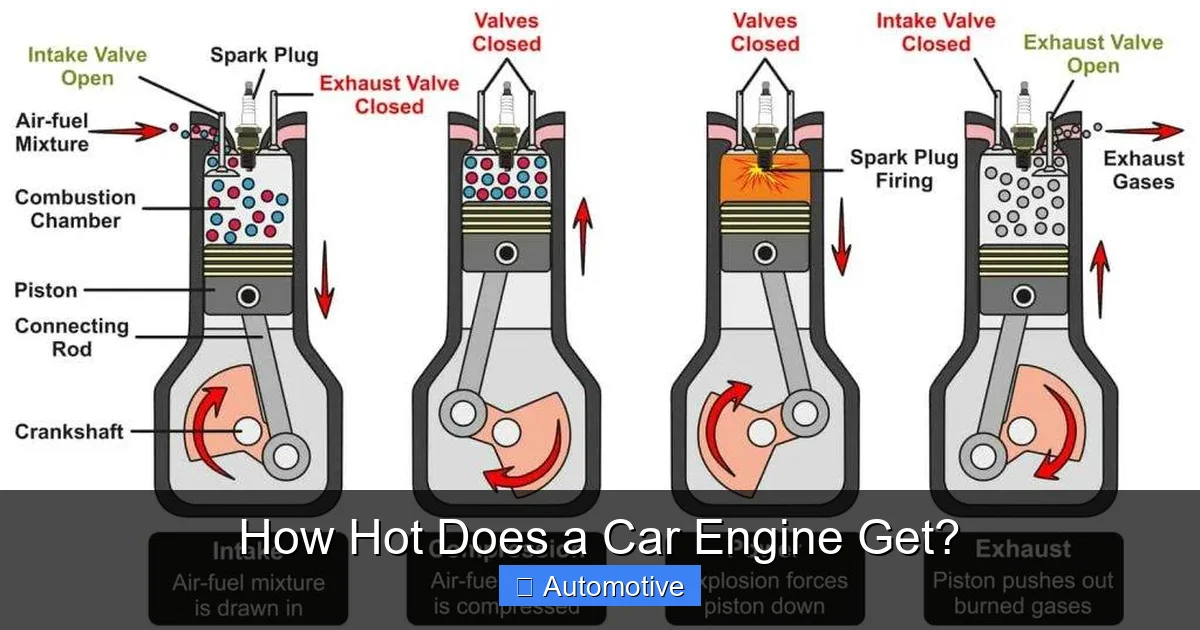
Every time you start your car, the engine begins converting fuel into motion through a series of rapid combustions. These tiny explosions happen hundreds of times per minute, generating massive amounts of heat. Without a way to manage that heat, your engine would quickly become a molten mess. That’s why understanding how hot a car engine gets—and how it stays cool—is essential for every driver.
In this guide, we’ll dive deep into the world of engine temperatures. We’ll explore what’s considered normal, what causes overheating, and how modern cooling systems keep everything running smoothly. Whether you’re a weekend mechanic or just curious about how your car works, this article will give you the knowledge you need to keep your engine happy, healthy, and running at the right temperature.
Understanding Engine Operating Temperatures
Visual guide about How Hot Does a Car Engine Get?
Image source: fourwheeltrends.com
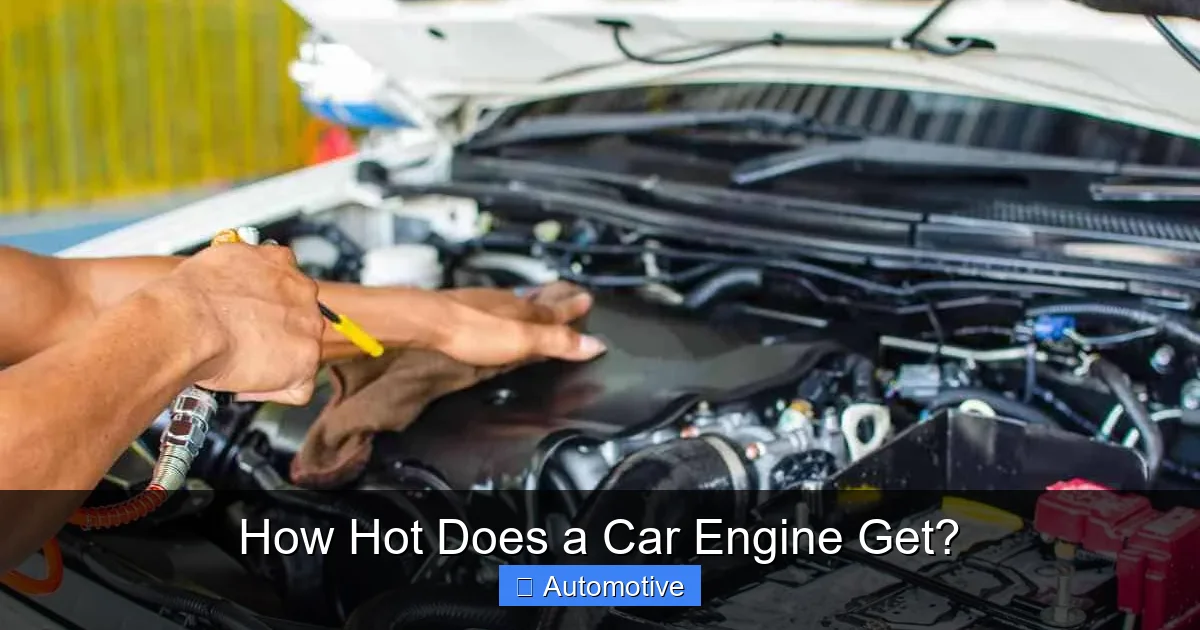
So, how hot does a car engine actually get? The short answer: it depends—but under normal conditions, most engines operate between 195°F and 220°F (90°C to 105°C). That might not sound extremely hot compared to, say, a pizza oven, but remember, this heat is generated inside a tightly packed metal box with moving parts. Even at “normal” temperatures, the engine is working hard.
This range isn’t random. Engineers design engines to run within this sweet spot because it’s where fuel burns most efficiently, oil lubricates best, and emissions stay low. If the engine runs too cool, fuel doesn’t burn completely, leading to poor performance and increased pollution. If it runs too hot, components can warp, seals can fail, and catastrophic damage can occur.
But here’s the catch: the combustion process inside the engine cylinders can reach temperatures over 4,500°F (2,500°C). That’s hotter than lava! Thankfully, this extreme heat is localized and short-lived. The real challenge is managing the residual heat that builds up in the engine block, cylinder heads, and other components.
That’s where the cooling system comes in. It’s like the engine’s personal air conditioning unit, constantly working to absorb and dissipate heat. Without it, the engine would overheat in minutes—even on a cool day.
Why Engines Need to Stay Cool
You might be thinking, “If engines are built to handle heat, why do they need cooling at all?” Great question. While engines are made from strong materials like cast iron and aluminum, they’re not invincible. Prolonged exposure to high temperatures can cause metal to expand, warp, or even crack.
For example, the cylinder head—where the spark plugs and valves are located—can warp if it overheats. This warping can lead to a blown head gasket, one of the most expensive and common engine repairs. A blown head gasket allows coolant and oil to mix, which can ruin the engine over time.
Even the pistons, which move up and down thousands of times per minute, rely on precise clearances. If the engine gets too hot, the metal expands, and those clearances shrink. This can cause the pistons to seize inside the cylinders, locking up the engine completely.
Then there’s the oil. Engine oil is designed to lubricate moving parts and reduce friction. But when oil gets too hot, it breaks down and loses its lubricating properties. Thin, degraded oil can’t protect engine components, leading to increased wear and potential failure.
In short, keeping the engine at the right temperature isn’t just about comfort—it’s about survival. A well-cooled engine lasts longer, performs better, and saves you money on repairs.
What Happens When an Engine Overheats?
Now, let’s talk about the scary stuff: what happens when an engine gets too hot. Overheating occurs when the cooling system can’t keep up with the heat being generated. This can happen for many reasons—low coolant, a faulty thermostat, a broken water pump, or even a clogged radiator.
When the engine temperature climbs above 230°F (110°C), things start to go wrong fast. The first sign is usually the temperature gauge on your dashboard creeping into the red zone. Some cars also have a warning light that looks like a thermometer or says “HOT.”
If you ignore these warnings, the consequences can be severe. At around 250°F (121°C), engine components begin to suffer permanent damage. The head gasket can fail, allowing coolant to leak into the combustion chamber or oil passages. This not only reduces cooling but can also cause white smoke from the exhaust and milky oil under the dipstick.
In extreme cases, the engine block itself can crack. This usually happens when an overheated engine is suddenly cooled—like when you pour cold water on a hot radiator. The rapid temperature change causes stress fractures in the metal.
And if the engine seizes? That’s game over. You’ll hear a loud knocking sound, the car will stall, and you’ll need a tow truck—and possibly a new engine.
The good news? Most modern cars have safeguards. Many will automatically reduce power or shut down non-essential systems to prevent damage. But it’s always better to avoid overheating in the first place.
The Role of the Cooling System
Visual guide about How Hot Does a Car Engine Get?
Image source: edmchicago.com
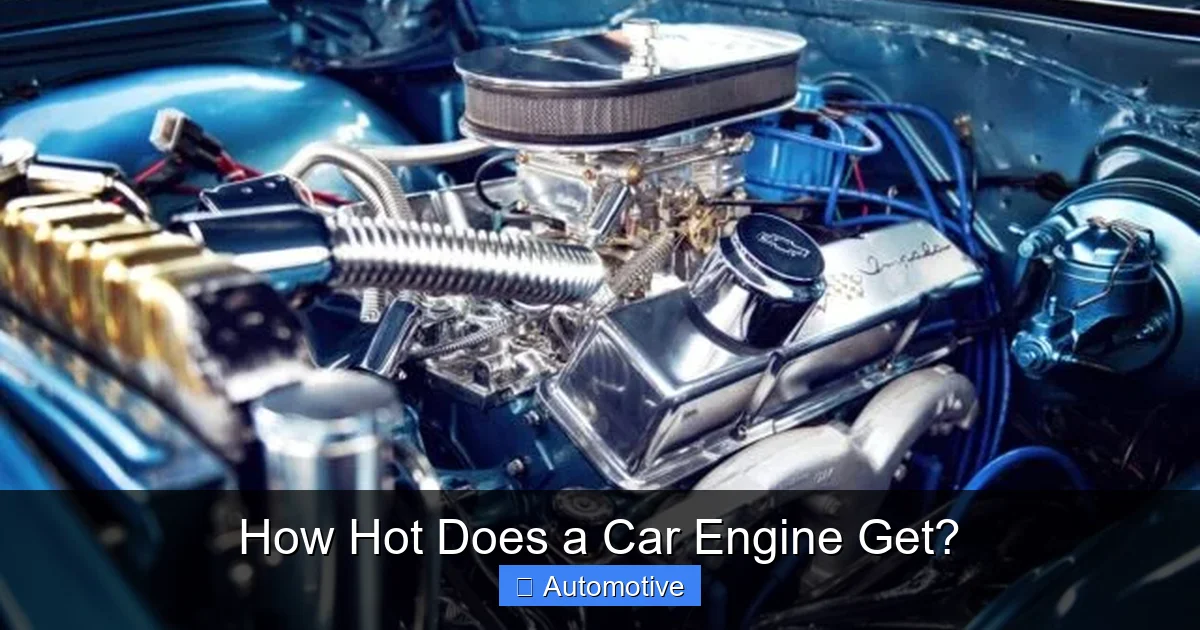
So how does your car keep its engine from turning into a烤炉? Enter the cooling system—a network of parts working together to absorb, transfer, and release heat. Think of it as the engine’s circulatory system, but instead of blood, it pumps coolant.
The cooling system has several key components: the radiator, water pump, thermostat, coolant, hoses, and cooling fan. Each plays a vital role in maintaining the engine’s temperature.
Coolant: The Engine’s Lifeblood
Coolant, also known as antifreeze, is a special fluid that circulates through the engine and radiator. It’s usually a mix of water and ethylene glycol, with additives to prevent corrosion and freezing.
Coolant absorbs heat from the engine as it flows through passages in the block and cylinder head. Once heated, it travels to the radiator, where air flowing through the fins cools it down. Then it’s pumped back into the engine to repeat the cycle.
Most coolants are designed to operate between -30°F and 265°F (-34°C to 129°C), giving them a wide safety margin. But they still need to be maintained. Over time, coolant breaks down, loses its protective additives, and can become acidic. This is why manufacturers recommend changing coolant every 30,000 to 100,000 miles, depending on the type.
Using the wrong coolant can also cause problems. Some coolants are formulated for specific metals or systems. Mixing incompatible types can lead to sludge, corrosion, or reduced performance.
The Radiator: The Engine’s Heat Exchanger
The radiator is where the magic happens. It’s a series of thin tubes and fins that allow air to pass through and cool the hot coolant. When you’re driving, airflow from movement helps cool the radiator. But when you’re idling or in traffic, a cooling fan kicks in to pull air through.
Radiators can get clogged with dirt, bugs, or debris, reducing their efficiency. That’s why it’s a good idea to inspect and clean the radiator periodically—especially if you drive on dusty roads or in areas with lots of insects.
A damaged radiator—say, from a rock chip or corrosion—can also leak coolant. Even a small leak can lead to low coolant levels and overheating. If you notice a sweet smell (coolant has a distinct odor) or green/orange fluid under your car, it’s time to check the radiator.
The Water Pump: Circulating the Coolant
The water pump is like the heart of the cooling system. It’s usually driven by a belt connected to the engine’s crankshaft. As the engine runs, the pump spins, pushing coolant through the system.
A failing water pump can cause overheating even if everything else is working. Common signs include coolant leaks near the pump, a whining noise, or visible wobbling of the pulley. If the pump seizes, coolant stops flowing, and the engine will overheat rapidly.
The Thermostat: Regulating Temperature
The thermostat is a small but mighty component. It’s a valve that opens and closes based on engine temperature. When the engine is cold, the thermostat stays closed, keeping coolant in the engine to help it warm up faster. Once the engine reaches operating temperature (usually around 195°F), the thermostat opens, allowing coolant to flow to the radiator.
A stuck thermostat is a common cause of overheating. If it gets stuck closed, coolant can’t reach the radiator, and the engine overheats. If it’s stuck open, the engine may never reach optimal temperature, leading to poor fuel economy and increased emissions.
Modern cars often use electronic thermostats that can adjust more precisely, improving efficiency and performance.
Factors That Affect Engine Temperature
Visual guide about How Hot Does a Car Engine Get?
Image source: cycopro.com
While the cooling system does most of the heavy lifting, several external and internal factors can influence how hot your engine gets. Understanding these can help you prevent overheating and keep your car running smoothly.
Driving Conditions
How you drive has a big impact on engine temperature. Stop-and-go traffic, for example, puts more strain on the cooling system than highway driving. With less airflow and frequent idling, the radiator can’t cool the coolant as effectively.
Towing a trailer or driving uphill also increases engine load. The engine has to work harder, generating more heat. If your cooling system is already marginal, these conditions can push it over the edge.
Extreme weather plays a role too. In hot climates, ambient temperatures can make it harder for the radiator to dissipate heat. In cold weather, the engine takes longer to warm up, but once it does, the cooling system must work harder to maintain temperature.
Engine Load and RPM
The more power your engine produces, the hotter it gets. High RPMs—like when you’re accelerating hard or driving at high speeds—increase combustion frequency and friction, raising temperatures.
Performance driving, racing, or driving a modified engine can push temperatures into dangerous territory if the cooling system isn’t upgraded. That’s why race cars often have larger radiators, auxiliary fans, and high-performance coolants.
Maintenance and Age
A neglected cooling system is a ticking time bomb. Over time, hoses can crack, the radiator can clog, and coolant can degrade. Even small issues—like a loose hose clamp or a minor leak—can lead to big problems.
Older engines may also have worn components that reduce cooling efficiency. For example, a slipping serpentine belt might not spin the water pump fast enough, reducing coolant flow.
Regular maintenance is key. Check coolant levels monthly, inspect hoses for cracks or bulges, and follow your manufacturer’s recommended service schedule.
Aftermarket Modifications
If you’ve modified your car—say, added a turbocharger, supercharger, or performance exhaust—you may be generating more heat than the stock cooling system can handle. These upgrades increase power and efficiency but also put extra stress on the engine.
In such cases, upgrading the cooling system is often necessary. Options include high-flow water pumps, larger radiators, electric fans, or even oil coolers.
Signs Your Engine Is Overheating
Knowing the warning signs of overheating can save you from a breakdown—or worse. Here’s what to watch for:
Dashboard Warning Lights
Most modern cars have a temperature warning light on the dashboard. It usually looks like a thermometer submerged in waves or says “TEMP” or “HOT.” If this light comes on, pull over safely and turn off the engine immediately.
Some vehicles also have a digital temperature gauge. If it’s in the red zone or climbing rapidly, it’s a clear sign of trouble.
Steam or Smoke from the Hood
If you see steam or smoke billowing from under the hood, your engine is seriously overheating. This is often caused by boiling coolant escaping through a leak or overflow tank.
Do not open the hood immediately—hot steam can cause severe burns. Wait a few minutes for things to cool, then check carefully.
Sweet Smell
Coolant has a distinct sweet, almost maple syrup-like odor. If you smell this inside or outside the car, it could mean a coolant leak—often from a hose, radiator, or water pump.
Rough Idling or Loss of Power
An overheating engine may run rough, hesitate, or lose power. This happens because heat affects combustion efficiency and can cause detonation (premature fuel ignition).
High Coolant Temperature
If your car has a digital display, you might see a coolant temperature reading. Anything above 220°F (105°C) is a concern, and above 240°F (115°C) is dangerous.
How to Prevent Engine Overheating
The best way to deal with overheating is to prevent it. Here are some practical tips:
Check Coolant Levels Regularly
Pop the hood and check the coolant reservoir when the engine is cold. The level should be between the “MIN” and “MAX” marks. If it’s low, top it off with the correct type of coolant.
Never open the radiator cap when the engine is hot—it’s under pressure and can spray scalding coolant.
Inspect Hoses and Belts
Look for cracks, bulges, or soft spots in coolant hoses. Check the serpentine belt for wear, fraying, or looseness. Replace any damaged parts promptly.
Clean the Radiator
Use a soft brush or compressed air to remove dirt, bugs, and debris from the radiator fins. Be gentle—bent fins reduce airflow and cooling efficiency.
Replace the Thermostat on Schedule
Most thermostats last 50,000 to 100,000 miles. If your car is overheating or taking too long to warm up, consider replacing it.
Use the Right Coolant
Always use the coolant recommended by your vehicle’s manufacturer. Mixing types can cause chemical reactions that damage the cooling system.
Monitor Driving Conditions
In hot weather or heavy traffic, keep an eye on the temperature gauge. If it starts climbing, turn off the AC and turn on the heater. This may sound counterintuitive, but the heater pulls heat away from the engine and can buy you time to get to safety.
Modern Advances in Engine Cooling
Technology has made engines smarter and more efficient—and that includes cooling systems. Modern vehicles use advanced sensors, electronic controls, and improved materials to manage heat more effectively.
Many cars now have electronic thermostats that can open and close multiple times per minute, adjusting coolant flow in real time. This improves fuel economy, reduces emissions, and keeps the engine at the perfect temperature.
Some high-performance and electric vehicles even use liquid-cooled intercoolers or battery cooling systems to manage heat from forced induction or high-voltage components.
Hybrid and electric cars have different cooling needs. While they don’t have traditional combustion engines, they still generate heat from batteries, motors, and inverters. These systems often use dedicated coolant loops and heat exchangers.
As engines become more powerful and efficient, cooling systems will continue to evolve. But the core principle remains the same: keep the engine cool, and it will keep you moving.
Conclusion
So, how hot does a car engine get? Under normal conditions, between 195°F and 220°F—hot enough to cook an egg, but carefully managed by a sophisticated cooling system. Without that system, internal temperatures could soar past 400°F, leading to warped parts, blown gaskets, or complete engine failure.
Understanding engine heat isn’t just for mechanics. It’s for every driver who wants to keep their car running smoothly and avoid costly repairs. By knowing the signs of overheating, maintaining your cooling system, and driving wisely, you can protect your engine and extend its life.
Remember: your car’s engine is a marvel of engineering, but it’s not invincible. Treat it with care, and it will take you wherever you need to go—safely, efficiently, and without breaking a sweat (or overheating).
Frequently Asked Questions
What is the normal operating temperature for a car engine?
The normal operating temperature for most car engines is between 195°F and 220°F (90°C to 105°C). This range ensures efficient combustion, proper lubrication, and minimal emissions.
Can a car engine survive overheating once?
It depends on how severe and how long the overheating lasted. Minor overheating may cause no damage, but prolonged or extreme overheating can warp components, blow gaskets, or seize the engine.
Why does my car overheat when idling but not while driving?
This usually means the cooling fan isn’t working properly. At idle, there’s no airflow through the radiator, so the fan must pull air. If it’s broken or not turning on, the engine overheats.
Can I use water instead of coolant in an emergency?
Yes, but only as a temporary fix. Water can cool the engine in a pinch, but it lacks antifreeze and corrosion protection. Replace it with proper coolant as soon as possible.
How often should I change my engine coolant?
Most manufacturers recommend changing coolant every 30,000 to 100,000 miles, depending on the type (conventional or extended-life). Check your owner’s manual for specifics.
What should I do if my engine overheats while driving?
Pull over safely, turn off the engine, and let it cool. Do not open the radiator cap while hot. Once cool, check coolant levels and look for leaks. If unsure, call for roadside assistance.