
How Much Does a Car Wrap Cost?

Car wrap costs vary widely based on vehicle size, wrap type, and design complexity—typically ranging from $2,000 to $5,000 for a full wrap. Choosing between vinyl types, labor rates, and add-ons like paint correction can significantly impact your final price.
Key Takeaways
- Understanding How Much Does a Car Wrap Cost?: Provides essential knowledge
📑 Table of Contents
- How Much Does a Car Wrap Cost? A Complete Breakdown
- What Is a Car Wrap?
- Average Car Wrap Cost: What to Expect
- Factors That Affect Car Wrap Cost
- Types of Car Wraps and Their Costs
- DIY vs. Professional Installation: Is It Worth It?
- How to Save Money on a Car Wrap
- Conclusion: Is a Car Wrap Worth the Cost?
How Much Does a Car Wrap Cost? A Complete Breakdown
So, you’re thinking about giving your car a fresh new look—maybe a sleek matte black, a bold racing stripe, or even a full-on business branding wrap. But before you dive in, the big question is: how much does a car wrap cost? It’s not a one-size-fits-all answer. The price depends on several factors, from the type of vinyl you choose to the size of your vehicle and the complexity of the design.
Car wrapping has exploded in popularity over the past decade. It’s no longer just for race cars or food trucks. Everyday drivers are using wraps to protect their paint, express personal style, or advertise their businesses—all without the permanence (or cost) of a full repaint. But with so many options out there, it’s easy to get overwhelmed. That’s why we’re breaking down everything you need to know about car wrap pricing, so you can make an informed decision and avoid surprise fees.
Whether you’re wrapping a compact sedan or a full-size SUV, understanding the cost components will help you budget wisely and get the best value for your investment. Let’s dive into the details.
What Is a Car Wrap?
Visual guide about How Much Does a Car Wrap Cost?
Image source: autogos.com
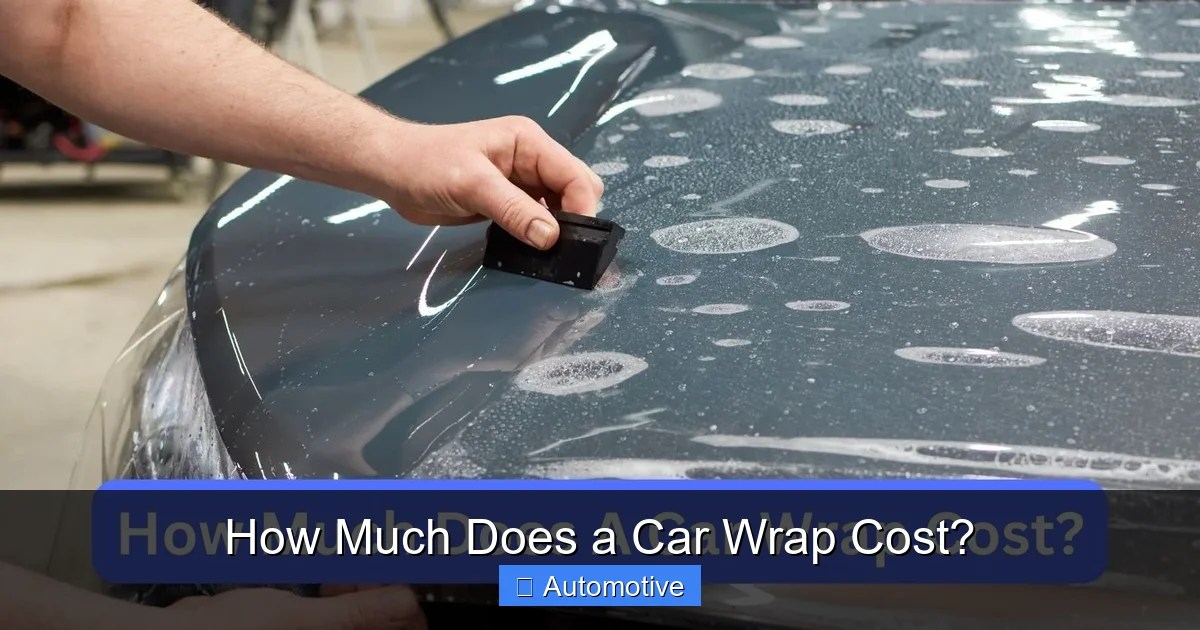
Before we talk money, let’s clarify what a car wrap actually is. A car wrap is a large piece of adhesive vinyl film that’s applied over your vehicle’s original paint. Think of it like a giant sticker—but one that’s durable, removable, and designed to last for years. Wraps can cover the entire car (a full wrap) or just specific parts like the hood, roof, mirrors, or door handles (a partial wrap).
The vinyl used in car wraps is specially engineered to resist UV rays, fading, scratches, and minor abrasions. It’s also flexible enough to conform to curves, contours, and complex body lines without bubbling or peeling. Modern wraps come in a huge variety of finishes: glossy, matte, satin, chrome, color-shift, carbon fiber, and even textured options like brushed metal.
One of the biggest advantages of a wrap is that it protects your original paint underneath. This is especially valuable if you plan to sell your car later—removing the wrap reveals the factory finish, often in better condition than when you started. Plus, if you ever want to change the look, you can simply remove the wrap and apply a new one.
Average Car Wrap Cost: What to Expect
Visual guide about How Much Does a Car Wrap Cost?
Image source: provinyl.com.au
So, how much does a car wrap cost on average? For a full wrap on a standard sedan or coupe, most reputable shops charge between $2,500 and $4,500. SUVs, trucks, and larger vehicles typically fall in the $3,500 to $5,500 range due to increased surface area and complexity.
Here’s a quick breakdown by vehicle type:
- Compact car (e.g., Honda Civic, Toyota Corolla): $2,000–$3,500
- Midsize sedan (e.g., Honda Accord, Toyota Camry): $2,500–$4,000
- SUV or crossover (e.g., Honda CR-V, Toyota RAV4): $3,000–$4,500
- Full-size SUV or truck (e.g., Ford F-150, Chevy Tahoe): $4,000–$6,000+
- Sports car (e.g., Mustang, Corvette): $3,500–$5,500 (due to complex curves)
These prices assume you’re using mid-to-high-grade vinyl and hiring a professional installer. Going with a budget shop or DIY kit might save you money upfront, but it often leads to poor adhesion, bubbling, or premature peeling—costing you more in the long run.
Partial Wraps: A Budget-Friendly Alternative
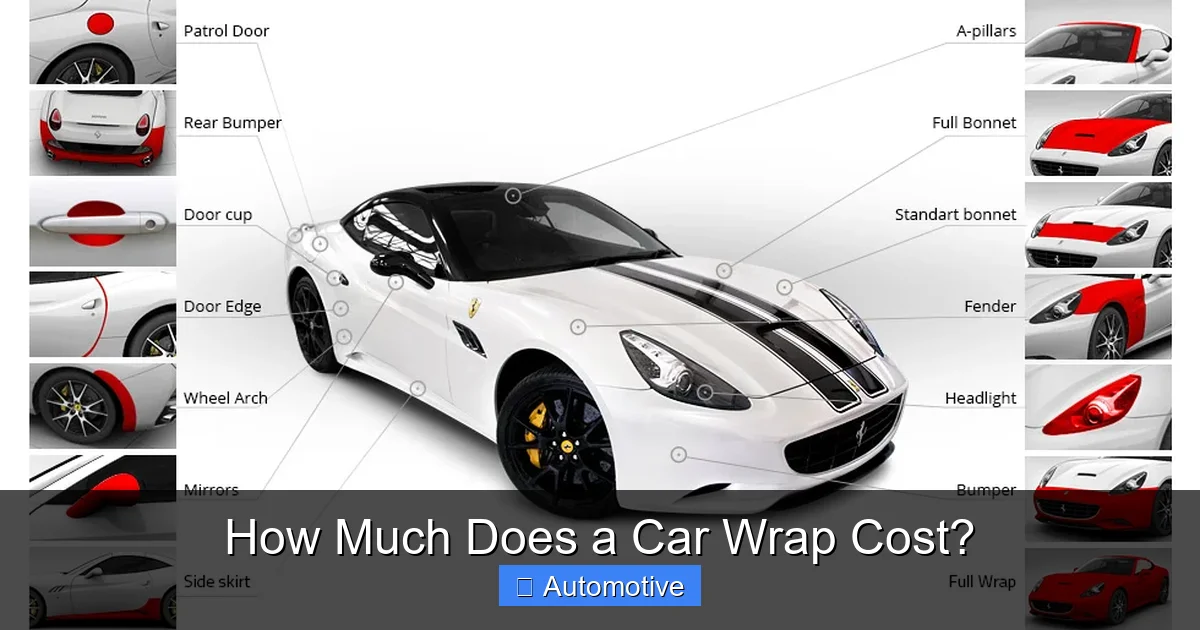
Not ready to commit to a full transformation? Partial wraps are a smart, cost-effective way to upgrade your car’s look. These typically cover 25% to 50% of the vehicle and focus on high-impact areas.
Common partial wrap options include:
- Hood wrap: $300–$600
- Roof wrap: $250–$500
- Mirror caps: $100–$200 per pair
- Rocker panels (side skirts): $200–$400
- Full front-end (hood, fenders, mirrors): $800–$1,500
Partial wraps are perfect for adding a sporty accent, protecting high-wear areas, or testing out a new color before going all-in. They’re also great for business owners who want subtle branding without covering the entire vehicle.
Factors That Affect Car Wrap Cost
Visual guide about How Much Does a Car Wrap Cost?
Image source: carlawrap.com
Now that you have a general idea of pricing, let’s dig into what actually drives the cost. Several key factors influence how much you’ll pay for a car wrap—some you can control, others you can’t.
1. Type of Vinyl
Not all vinyl is created equal. The material you choose has a huge impact on both price and performance. Here are the main types:
- Calendered vinyl: The cheapest option, typically $1–$3 per square foot. It’s thinner, less durable, and more prone to shrinking or cracking over time. Best for short-term use or flat surfaces.
- Cast vinyl: The gold standard for car wraps, costing $4–$8 per square foot. It’s more flexible, conforms better to curves, and lasts 5–7 years. Most professional shops use cast vinyl for full wraps.
- Premium or specialty vinyl: Includes chrome, color-shift, holographic, or textured finishes. These can cost $10–$20+ per square foot and often require expert installation.
While cast vinyl costs more upfront, it’s worth the investment for a full wrap. It resists fading, handles temperature changes better, and gives a smoother, more professional finish.
2. Vehicle Size and Complexity
Bigger cars cost more to wrap—plain and simple. But it’s not just about square footage. Vehicles with complex body lines, deep curves, or tight gaps (like sports cars or luxury SUVs) require more time and skill to wrap properly.
For example:
- A Honda Civic has relatively flat panels and simple contours—easier and faster to wrap.
- A Chevrolet Corvette has deep curves, recessed door handles, and tight wheel arches—much more labor-intensive.
Installers often charge by the hour, so more complex vehicles naturally cost more. Some shops also use a “per panel” pricing model, which can add up quickly on vehicles with many separate pieces.
3. Design Complexity and Customization
A solid color wrap is the most affordable option. But if you want patterns, gradients, logos, or custom graphics, expect to pay more. Custom designs require digital printing, precise alignment, and extra labor.
For example:
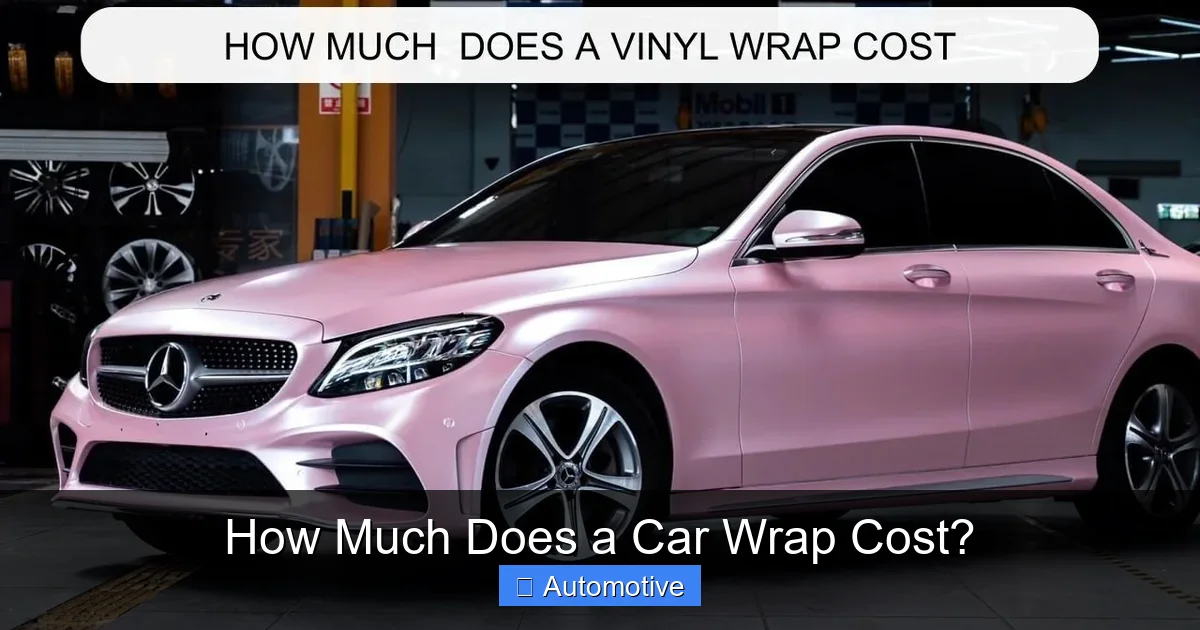
- Solid color wrap: $2,500–$4,000
- Two-tone or stripe wrap: $3,000–$4,500
- Full custom print (e.g., flames, camouflage, brand graphics): $4,000–$7,000+
Business wraps with logos, contact info, and color-matched branding often fall into the higher end due to design time and print setup fees.
4. Labor and Installation Quality
Labor is one of the biggest cost drivers. Professional installers typically charge $50 to $100 per hour, and a full wrap can take 2 to 5 days to complete—depending on the vehicle and shop workload.
Why so long? A quality wrap isn’t just slapping vinyl on. It involves:
- Removing trim, emblems, and mirrors
- Thoroughly cleaning and de-greasing the surface
- Applying primer or adhesion promoter if needed
- Precision cutting and stretching the vinyl
- Heat-forming around curves and edges
- Reinstalling all components
Rushing this process leads to bubbles, wrinkles, and premature failure. That’s why it’s worth paying for experienced technicians—even if it costs more upfront.
5. Pre-Wrap Preparation
Your car’s condition matters. If the paint is faded, chipped, or oxidized, the wrap won’t look good—and could even trap moisture, leading to paint damage.
Many shops recommend (or require) paint correction before wrapping. This includes:
- Washing and clay bar treatment
- Polishing to remove swirls and scratches
- Touching up chips or rust spots
Paint correction can add $200 to $800 to your total cost, but it ensures a flawless finish and protects your investment.
6. Geographic Location
Where you live affects pricing. Shops in major cities like Los Angeles, New York, or Miami often charge 20–30% more than those in smaller towns due to higher overhead and demand.
For example:
- A full wrap in Des Moines, Iowa might cost $2,800
- The same wrap in Los Angeles, California could run $3,800
It’s always worth getting quotes from multiple local shops to compare.
Types of Car Wraps and Their Costs
Now let’s look at the different types of wraps available and how they affect pricing.
Full Body Wraps
A full wrap covers every painted surface of your vehicle—hood, roof, doors, fenders, trunk, and bumpers. This is the most dramatic transformation and the most expensive option.
- Average cost: $2,500–$5,500
- Best for: Complete color changes, business branding, or protecting the entire vehicle
- Pros: Uniform look, maximum protection, high resale value
- Cons: Higher cost, longer installation time
Full wraps are ideal if you want a totally new appearance or are using your car for advertising. They also offer the best paint protection, especially in harsh climates.
Partial Wraps
As mentioned earlier, partial wraps focus on specific areas. They’re cheaper and faster to install, making them a great entry point.
- Average cost: $500–$1,500
- Best for: Accent styling, protecting high-wear zones, or testing a new look
- Pros: Affordable, quick turnaround, reversible
- Cons: Less dramatic impact, potential color mismatch with original paint
Popular partial wrap ideas include blacking out the roof for a “floating roof” effect or adding racing stripes down the sides.
Color Change Wraps
This is the most common type of personal wrap. You’re swapping your car’s original color for something new—like white to matte gray, red to gloss black, or silver to electric blue.
- Average cost: $2,500–$4,500
- Best for: Personalizing your ride without repainting
- Pros: Wide color selection, reversible, protects paint
- Cons: May require paint correction first
Color change wraps are perfect if you’re bored of your car’s factory color but don’t want to lose value by repainting.
Commercial and Branding Wraps
Businesses use wraps to turn vehicles into mobile billboards. These often include logos, slogans, contact info, and eye-catching graphics.
- Average cost: $3,000–$7,000+
- Best for: Contractors, delivery services, real estate agents, and small businesses
- Pros: High visibility, professional image, tax-deductible as advertising
- Cons: Design and printing add cost, may require permits in some areas
A well-designed commercial wrap can pay for itself in new customers. Just make sure the design is clean, readable, and on-brand.
Paint Protection Film (PPF) Wraps
Not technically a “wrap” in the traditional sense, PPF is a clear, self-healing film applied to protect paint from rock chips, bugs, and UV damage. It’s often used on high-end vehicles or daily drivers in rocky areas.
- Average cost: $1,500–$3,500 (for full front-end); $3,000–$6,000 (full vehicle)
- Best for: Preserving resale value, luxury cars, or harsh driving conditions
- Pros: Nearly invisible, self-healing, long-lasting
- Cons: More expensive than vinyl wraps, limited color options
PPF is a great complement to a color wrap—some people do a full PPF underneath a colored vinyl layer for maximum protection and style.
DIY vs. Professional Installation: Is It Worth It?
You might be tempted to save money by wrapping your car yourself. After all, kits are available online for $500–$1,500. But before you grab your squeegee and heat gun, consider the risks.
DIY Car Wrap Kits: Pros and Cons
- Pros: Lower upfront cost, sense of accomplishment, flexibility in timing
- Cons: Steep learning curve, high risk of bubbles/wrinkles, voided warranty if done poorly, may damage paint during removal
Most DIYers struggle with:
- Stretching vinyl over curves without tearing
- Aligning patterns or stripes perfectly
- Removing air bubbles without creases
- Cutting around complex edges (like door handles)
Even experienced DIYers often end up paying a pro to fix their mistakes—costing more than if they’d hired someone from the start.
Why Professional Installation Pays Off
Professional installers have:
- Years of experience and specialized tools
- Climate-controlled shops to prevent dust and debris
- Access to premium materials and warranties
- The ability to handle complex vehicles and custom designs
Most reputable shops also offer a warranty—typically 3–5 years on materials and labor. If the wrap peels, fades, or bubbles prematurely, they’ll fix it for free.
In short: unless you’re wrapping a small accent piece (like a mirror cap), it’s usually worth paying for professional installation.
How to Save Money on a Car Wrap
A car wrap is a significant investment, but there are ways to reduce the cost without sacrificing quality.
1. Choose a Solid Color
Custom prints and gradients cost more due to design and printing fees. A solid color wrap is the most affordable option and still offers a dramatic change.
2. Skip Paint Correction (If Paint Is in Good Shape)
If your car’s paint is already smooth and free of major flaws, you might not need full correction. Ask the shop to inspect first—some offer free evaluations.
3. Wrap During Off-Peak Seasons
Many shops are busiest in spring and summer. Scheduling your wrap in fall or winter might get you a discount or faster turnaround.
4. Bundle Services
Some shops offer package deals—like a full wrap + PPF on the front end. Bundling can save 10–15% compared to separate services.
5. Get Multiple Quotes
Prices vary widely between shops. Get at least 3 detailed quotes that include materials, labor, and any add-ons. Don’t just go for the cheapest—check reviews and ask to see past work.
6. Consider a Partial Wrap First
Test the waters with a hood or roof wrap. If you love it, you can always do a full wrap later.
Conclusion: Is a Car Wrap Worth the Cost?
So, how much does a car wrap cost? On average, expect to pay $2,500 to $5,000 for a full, professional wrap on a standard vehicle. While that’s not cheap, it’s often less than a high-quality repaint—and far more versatile.
A wrap gives you endless customization options, protects your original paint, and can even boost your car’s resale value. Whether you’re changing your car’s color, promoting your business, or just want something unique, a wrap is a smart, reversible investment.
The key is to choose the right shop, use quality materials, and understand what you’re paying for. Don’t cut corners on installation—your car deserves the best.
In the end, a car wrap isn’t just about looks. It’s about expression, protection, and making your vehicle truly yours. And for many drivers, that’s worth every penny.
Frequently Asked Questions
How long does a car wrap last?
A high-quality car wrap typically lasts 5 to 7 years, depending on the vinyl type, climate, and how well it’s maintained. Cast vinyl wraps tend to last longer than calendered ones.
Can you wash a wrapped car?
Yes, you can wash a wrapped car, but avoid high-pressure washes directly on edges. Use a gentle soap, soft sponge, and rinse thoroughly to prevent water from seeping under the vinyl.
Will a car wrap damage my paint?
No, a professionally installed wrap won’t damage your paint. In fact, it protects it. However, removing a poorly applied or old wrap can sometimes lift paint, especially if the original finish was weak.
Can I wrap a car with scratches or dents?
Minor scratches are usually fine, but deep dents or rust should be repaired first. The wrap will highlight imperfections, so paint correction is recommended for the best results.
Is a car wrap removable?
Yes, car wraps are designed to be removable. A professional can take it off in one piece, revealing the original paint underneath—ideal if you plan to sell the car.
Do car wraps fade over time?
High-quality cast vinyl resists fading for years, especially if you park in the shade or use a car cover. Lower-grade vinyl or constant sun exposure can cause some color shift over time.
