
Where to Buy Cable Car Tickets

Knowing where to buy cable car tickets can save you time, money, and stress—especially in popular tourist destinations. Whether you’re visiting San Francisco, Hong Kong, or the Swiss Alps, this guide covers all your ticketing options, from official websites to mobile apps and on-site kiosks.
If you’ve ever stood at the base of a mountain, gazed up at a scenic ridge, or wandered through a bustling city with steep hills, chances are you’ve considered riding a cable car. These iconic transportation systems aren’t just functional—they’re experiences. From the clanging bells of San Francisco’s historic lines to the glass-bottomed cabins soaring over the Swiss Alps, cable cars blend engineering marvels with breathtaking views. But before you can enjoy that panoramic ride, there’s one essential step: getting your ticket.
Where to buy cable car tickets might seem straightforward, but the process varies widely depending on location, demand, and technology. In some places, you can walk up and pay with cash. In others, you’ll need to book weeks in advance online. And with the rise of digital ticketing and third-party vendors, it’s easy to get confused—or even scammed. That’s why understanding your options is crucial. Whether you’re a first-time visitor or a seasoned traveler, knowing where and how to secure your ticket ensures a smooth, stress-free journey.
This guide will walk you through every major method of purchasing cable car tickets, from official channels to smart alternatives. We’ll cover popular destinations, highlight money-saving tips, and help you avoid common pitfalls. By the end, you’ll know exactly where to buy cable car tickets—no matter where your adventures take you.
Key Takeaways
- Buy online in advance: Most cable car systems offer official websites where you can purchase tickets ahead of time, often with discounts or timed entry.
- Use mobile apps: Many operators have dedicated apps for ticket purchases, real-time updates, and digital passes you can scan at the gate.
- Visit official stations: Purchasing directly at the cable car terminal ensures authenticity and avoids scams, though lines may be long.
- Avoid third-party resellers: While convenient, third-party sites may charge high fees or sell invalid tickets—always verify legitimacy.
- Check for bundled deals: Some cities offer combo tickets that include cable car rides, public transit, and attractions for better value.
- Consider tourist passes: City tourism cards often include free or discounted cable car access, ideal for multi-day travelers.
- Arrive early during peak season: Even with a pre-purchased ticket, popular routes fill up fast—plan ahead to avoid disappointment.
📑 Table of Contents
- Buying Cable Car Tickets Online: The Smartest Option
- Purchasing Tickets at the Station: Pros and Cons
- Using Mobile Apps for Cable Car Tickets
- Third-Party Vendors and Resellers: Proceed with Caution
- Tourist Passes and Combo Deals: Maximize Your Value
- Tips for a Smooth Ticket-Buying Experience
- Conclusion
Buying Cable Car Tickets Online: The Smartest Option
One of the most convenient and reliable ways to secure your ride is by purchasing cable car tickets online. Most major cable car operators now offer official websites where you can buy tickets in advance, often with added perks like timed entry, discounts, or mobile passes. This method is especially valuable during peak travel seasons when lines can stretch for hours.
Official Websites: Your Best Bet
The first place you should look is the official website of the cable car operator. These sites are secure, up-to-date, and designed to give you the most accurate information. For example, the San Francisco Municipal Transportation Agency (SFMTA) runs the city’s famous cable cars and allows online ticket purchases through their official portal. Similarly, the Peak Tram in Hong Kong offers timed tickets via their website, helping you avoid the long queues that form daily.
When you buy directly from the source, you’re guaranteed a valid ticket at the standard price. You’ll also gain access to real-time updates, service alerts, and sometimes even exclusive promotions. Many sites let you choose your travel date and time slot, which is a huge advantage if you’re on a tight schedule.
Mobile Ticketing and QR Codes
A growing number of cable car systems now support mobile ticketing. After purchasing online, you’ll receive a digital ticket—usually a QR code—that you can store on your smartphone. At the station, simply scan the code at the gate, and you’re on your way. This eliminates the need for printed tickets and reduces contact, making it ideal for health-conscious travelers.
For instance, the Roosevelt Island Tram in New York City uses mobile tickets that integrate with their app. Once you’ve bought your pass, you can check in digitally and even track wait times. The same goes for the Gulmarg Gondola in India, which has moved most of its bookings online to manage high seasonal demand.
Online Discounts and Early-Bird Deals
Buying online often comes with financial benefits. Many operators offer early-bird discounts for tickets purchased a week or more in advance. Some also provide reduced rates for children, seniors, or students—just be sure to bring valid ID when you ride.
In Switzerland, the Jungfraujoch railway (which includes cable car segments) offers up to 20% off for online bookings. Similarly, the Table Mountain Aerial Cableway in Cape Town gives a 10% discount for tickets bought through their website. These savings might seem small, but they add up—especially if you’re traveling with family or planning multiple rides.
Purchasing Tickets at the Station: Pros and Cons
Visual guide about Where to Buy Cable Car Tickets
Image source: np360.com.hk
While online booking is convenient, many travelers still prefer buying cable car tickets directly at the station. This method works well in smaller towns or less crowded destinations, but it comes with trade-offs. Let’s break down the advantages and challenges.
The Convenience of On-Site Purchase
Buying at the station means no internet required and no advance planning. You simply show up, pay with cash or card, and board the next available car. This is ideal for spontaneous trips or last-minute changes in plans.
In places like Haifa, Israel, where the Carmelit subway-cable car hybrid operates, tickets are sold at kiosks near the entrance. The process is quick, and staff are usually available to assist. Similarly, in smaller Alpine villages like Zermatt, you can often buy same-day tickets with minimal wait.
Long Lines and Limited Availability
The biggest downside to on-site purchases is the potential for long lines—especially in tourist hotspots. During summer months or holiday weekends, queues at popular cable car terminals can exceed an hour. And if the system is fully booked for the day, you might be turned away entirely.
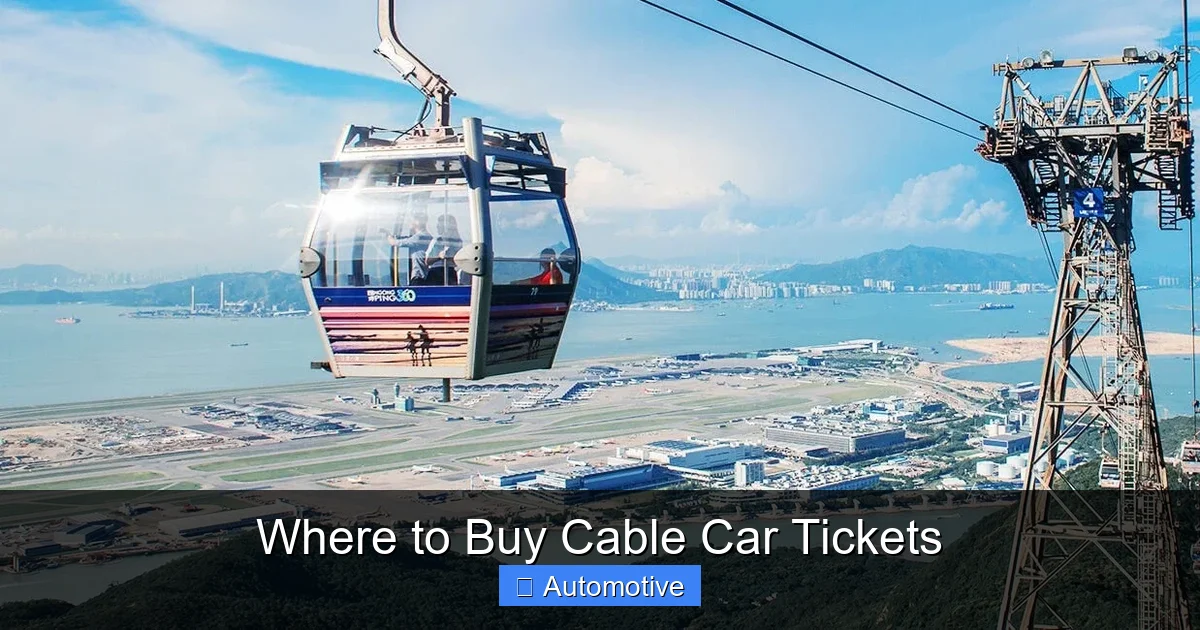
San Francisco’s Powell-Hyde line is a prime example. Despite its popularity, it doesn’t accept advance reservations. That means visitors often wait over 90 minutes just to buy a ticket, let alone ride. The same issue plagues the Ngong Ping 360 in Hong Kong, where demand far exceeds capacity during peak times.
Payment Methods and Language Barriers
Another consideration is payment. While most stations accept credit cards, some smaller operators still rely on cash-only transactions. If you’re traveling internationally, make sure you have local currency or a card with no foreign transaction fees.
Language can also be a barrier. In non-English-speaking countries, ticket machines or staff may not speak your language. This can lead to confusion about pricing, schedules, or restrictions. Always carry a translation app or phrasebook, and don’t hesitate to ask for help.
Using Mobile Apps for Cable Car Tickets
Visual guide about Where to Buy Cable Car Tickets
Image source: np360.com.hk
Mobile apps are revolutionizing how we buy and use transportation tickets—and cable cars are no exception. Many operators now offer dedicated apps that let you purchase, store, and validate tickets all from your phone. These apps often include bonus features like route maps, wait times, and audio guides.
Popular Cable Car Apps Around the World
The San Francisco Muni app is a standout example. It allows you to buy single-ride tickets, day passes, or monthly passes for all public transit—including cable cars. Once purchased, your ticket appears as a digital pass with a scannable barcode. You can even set reminders for when your pass expires.
In Europe, apps like ZVV (Zurich) and TPG (Geneva) integrate cable car access with broader public transit networks. Buy a day pass, and you can hop on trams, buses, and mountain railways without needing separate tickets. This seamless integration saves time and money.
Real-Time Updates and Notifications
One of the best features of cable car apps is real-time information. You can check current wait times, service delays, or weather-related closures before you even leave your hotel. Some apps even send push notifications if your scheduled ride is delayed or canceled.
For example, the Peak Tram app in Hong Kong provides live updates on cabin availability and estimated boarding times. This helps you plan your visit around the least crowded periods—typically early morning or late afternoon.
Offline Access and Digital Wallets
Worried about losing signal at high altitudes? Many apps allow you to download tickets for offline use. Once purchased, your digital pass is stored locally on your device and can be scanned even without internet.
You can also add tickets to digital wallets like Apple Wallet or Google Pay. This keeps everything organized in one place and makes it easy to retrieve your pass with a simple tap.
Third-Party Vendors and Resellers: Proceed with Caution
Visual guide about Where to Buy Cable Car Tickets
Image source: np360.com.hk
While official channels are safest, third-party vendors and resellers often appear in search results or travel forums. These sites may offer “discounted” tickets or “guaranteed” entry, but they come with risks.
How to Spot Legitimate Resellers
Some third-party platforms are authorized partners. For example, GetYourGuide and Tiqets sell tickets for major attractions, including cable cars, and often bundle them with tours or other activities. These sites are generally trustworthy, but always check reviews and verify their partnership with the operator.
Look for clear contact information, secure payment methods (like HTTPS and trusted gateways), and transparent refund policies. Avoid sites that ask for payment via wire transfer or cryptocurrency—these are red flags.
The Dangers of Unauthorized Sellers
Unofficial resellers may sell counterfeit tickets, charge inflated prices, or disappear after taking your money. In extreme cases, they might sell tickets that have already been used or are invalid for your travel date.
In 2022, several tourists in Switzerland reported buying “discounted” Jungfraujoch tickets from a third-party site—only to be denied entry at the gate. The tickets were fake, and the company had no customer support. Always double-check the operator’s official website for a list of authorized sellers.
When Third-Party Sites Make Sense
Despite the risks, third-party vendors can be useful in certain situations. If you’re booking a multi-day itinerary, a travel agency might offer a package deal that includes cable car tickets, hotels, and tours at a bundled rate. Just make sure the cable car portion is clearly listed and verifiable.
Tourist Passes and Combo Deals: Maximize Your Value
If you’re planning to explore a city or region extensively, consider investing in a tourist pass. These cards often include free or discounted access to cable cars, public transit, museums, and attractions—all for one upfront price.
City Tourism Cards with Cable Car Access
San Francisco’s CityPASS, for example, includes a Muni passport that covers three days of unlimited cable car rides, plus entry to top attractions like the Exploratorium and California Academy of Sciences. For around $100, it’s a great deal if you plan to use the cable cars multiple times.
In Hong Kong, the Octopus Card can be loaded with value and used on the Peak Tram, MTR, buses, and even convenience stores. While not a tourist pass per se, it streamlines payments across the city.
Regional and Seasonal Passes
In mountainous regions, seasonal passes are common. The Swiss Travel Pass offers unlimited travel on trains, buses, and most cable cars for 3, 4, 8, or 15 days. It’s ideal for travelers exploring the Alps, with access to over 400 transport companies.
Similarly, the Japan Rail Pass includes some mountain railways and cable cars, though coverage varies by region. Always check the fine print to confirm which lines are included.
Family and Group Discounts
Many passes offer discounts for families or groups. The Paris Museum Pass, for instance, includes the Montmartre funicular and gives reduced rates for children. Look for “family tickets” or “group packages” when booking.
Tips for a Smooth Ticket-Buying Experience
No matter where you buy your cable car tickets, a few smart strategies can make the process easier and more enjoyable.
Plan Ahead, Especially in Peak Season
Popular cable car routes fill up fast. If you’re visiting during summer, holidays, or local festivals, book your tickets as early as possible. Some systems open bookings 60 or 90 days in advance—set a reminder to secure your spot.
Check Age and Height Restrictions
Many cable cars have rules about children riding alone or require booster seats for young kids. In Zermatt, children under 6 ride free but must be accompanied by an adult. Always review the operator’s policy before purchasing.
Bring Valid ID and Payment
If you bought a discounted ticket (e.g., student or senior rate), bring proof of eligibility. Also, ensure your payment method works internationally if you’re abroad.
Download Maps and Schedules
Even with a ticket, knowing the route and schedule helps. Download offline maps or save screenshots of timetables in case you lose signal.
Be Prepared for Weather Delays
Cable cars often suspend service in high winds, heavy snow, or storms. Check the weather forecast and have a backup plan.
Conclusion
Knowing where to buy cable car tickets is more than just a logistical step—it’s the key to unlocking unforgettable experiences. Whether you’re gliding over city skylines or ascending snow-capped peaks, the right ticket ensures you spend less time waiting and more time enjoying the view.
From official websites and mobile apps to on-site purchases and tourist passes, your options are varied and evolving. By planning ahead, avoiding scams, and choosing the method that fits your travel style, you can make the most of every ride. So next time you’re eyeing that scenic cable car, remember: a little preparation goes a long way.
Frequently Asked Questions
Can I buy cable car tickets at the station?
Yes, most cable car systems allow on-site purchases, but lines can be long during peak times. It’s best to check the operator’s website for hours and availability.
Are cable car tickets cheaper online?
Often, yes. Many operators offer discounts for advance online purchases, and you avoid the risk of sold-out rides. Always compare prices and check for promo codes.
Do I need to print my cable car ticket?
Not necessarily. Most systems now accept mobile tickets with QR codes. Just make sure your phone is charged and the code is clearly visible.
Can I use a tourist pass for cable car rides?
In many cities, yes. Passes like San Francisco’s CityPASS or the Swiss Travel Pass often include cable car access. Check the inclusions before buying.
What if my cable car ticket is lost or stolen?
Contact the operator immediately. Digital tickets can usually be reissued, but physical tickets may not be replaceable—always keep them secure.
Are there refunds for unused cable car tickets?
Refund policies vary. Most non-refundable tickets can’t be returned, but some operators offer credits or exchanges if service is canceled due to weather.
