
Key Won’t Turn in Car Ignition

If your key won’t turn in the car ignition, don’t panic—this common issue often stems from simple causes like a locked steering wheel, dirty ignition cylinder, or worn key. With the right troubleshooting steps, you can often resolve it yourself without costly repairs.
Key Takeaways
- Steering wheel lock is a common culprit: If the wheels are turned after parking, the steering column may lock, preventing the key from turning—gently wiggle the wheel while turning the key.
- Worn or damaged keys cause misalignment: Over time, keys wear down and no longer fit properly in the ignition cylinder—consider getting a replacement from your dealer.
- Ignition cylinder debris blocks rotation: Dirt, dust, and grime can build up inside the cylinder—use compressed air or a specialized cleaner to clear it.
- Shift interlock issues affect automatic transmissions: If the car isn’t fully in Park, the ignition may not release the key—ensure the shifter is fully engaged.
- Battery or electrical problems can mimic mechanical failure: A weak battery may prevent the ignition system from receiving enough power—check voltage and connections.
- Extreme temperatures affect metal parts: Cold weather can cause contraction and stiffness in the ignition components—warm the key or use a lubricant designed for locks.
- Professional help is needed for serious damage: If the ignition cylinder is broken or seized, a certified mechanic or locksmith should handle the repair to avoid further damage.
📑 Table of Contents
Why Your Key Won’t Turn in the Car Ignition—And What You Can Do About It
Picture this: You’re running late for work, you hop into your car, insert the key, and… nothing. The key won’t turn. No click, no crank, just stubborn resistance. Your heart sinks. You wiggle the key, jiggle the steering wheel, maybe even curse under your breath. Sound familiar?
You’re not alone. A key that won’t turn in the car ignition is one of the most frustrating automotive issues drivers face. It can happen to anyone—whether you’re driving a brand-new sedan or a trusty decade-old hatchback. The good news? In most cases, it’s not a sign of a major mechanical failure. Often, the cause is something simple, fixable, and entirely preventable.
Understanding why this happens is the first step toward solving it. Ignition systems are designed to be secure and reliable, but they’re also mechanical components subject to wear, environmental factors, and user habits. From a locked steering column to a dirty ignition cylinder, the reasons vary—but so do the solutions. The key (pun intended) is knowing where to look and what to try first.
In this guide, we’ll walk you through the most common causes of a key that won’t turn in the car ignition, offer step-by-step troubleshooting tips, and help you decide when it’s time to call in a professional. Whether you’re dealing with a frozen key in winter or a worn-out cylinder after years of use, we’ve got you covered. Let’s get your car started—and keep it that way.
Common Causes of a Key That Won’t Turn

Visual guide about Key Won’t Turn in Car Ignition
Image source: mechanicbase.com
When your key refuses to turn, it’s easy to assume the worst—like a seized engine or a broken ignition switch. But more often than not, the issue is much simpler. Let’s break down the most frequent culprits behind this annoying problem.
1. Steering Wheel Lock Engagement
One of the most common reasons your key won’t turn is the steering wheel lock. Modern cars are equipped with a security feature that locks the steering column when the key is removed. This prevents thieves from steering the car even if they hotwire it. However, if you turn the wheels after removing the key—say, when parking on a hill—the lock can engage too tightly, making it impossible to turn the key when you return.
This happens because the locking pin inside the steering column gets wedged against the wheel’s position. The ignition cylinder won’t release the key (or allow it to turn) until the steering wheel is freed.
What to do: Sit in the driver’s seat, insert the key, and gently wiggle the steering wheel left and right while simultaneously trying to turn the key. You don’t need to force it—just apply steady pressure. Often, this slight movement releases the lock and allows the key to turn smoothly.
2. Worn or Damaged Key
Keys are used daily, and over time, the metal wears down. The ridges and cuts that match the ignition cylinder’s internal pins become less precise. A worn key may still insert into the ignition, but it won’t align properly with the tumblers inside, preventing rotation.
This is especially common in older vehicles or if you carry your car key on a heavy keychain with other metal objects that cause abrasion. Even a slightly bent key can cause misalignment.
Example: Sarah noticed her key was getting harder to turn over the past few months. She assumed it was just “getting old,” but when she finally couldn’t turn it at all, she took it to her dealership. They confirmed the key was worn and made a new one from the VIN—problem solved.
Tip: If your key looks visibly worn, feels loose in the ignition, or has been dropped multiple times, consider getting a replacement. Many dealerships can create a new key using your vehicle identification number (VIN), even if you don’t have a spare.
3. Dirty or Clogged Ignition Cylinder
Dirt, dust, lint, and even moisture can accumulate inside the ignition cylinder over time. This debris can interfere with the internal tumblers and pins, preventing the key from turning. This is especially common if you live in a dusty area, frequently use your car in rainy conditions, or carry loose change or keys in your pocket that shed particles.
Signs of a dirty ignition: The key feels gritty when inserted, turns with resistance, or gets stuck partway. You might also notice that the key doesn’t go in smoothly.
Solution: Use a can of compressed air to blow out loose debris. Avoid using water or household cleaners—they can cause corrosion. For stubborn grime, use a specialized ignition cleaner or graphite-based lubricant (never oil-based, as it attracts more dirt). Spray a small amount into the keyhole and insert/remove the key several times to work it in.
4. Shift Interlock System Malfunction (Automatic Transmissions)
In automatic vehicles, the ignition is linked to the transmission via a shift interlock system. This safety feature ensures the car is in Park before the key can be removed—or, in some cases, before it can be turned to start the engine. If the shifter isn’t fully in Park, the ignition may refuse to turn.
This can happen if you shift into Park too quickly, or if the linkage between the shifter and transmission is misaligned. Some cars also have a brake-to-start feature, meaning you must press the brake pedal before the ignition will engage.
What to check: Make sure the gear selector is firmly in Park. Try shifting to Neutral and back to Park. If that doesn’t work, press the brake pedal firmly while attempting to turn the key. On some models, there’s a manual override button near the shifter (often labeled “Shift Lock Release”) that allows you to move the shifter if the interlock fails.
5. Weak or Dead Battery
It might seem unrelated, but a weak car battery can prevent the key from turning. Modern ignitions often have electronic components that require power to function. If the battery is too low, the ignition system may not receive enough voltage to release the lock or engage the starter.
How to tell: If the dashboard lights are dim, the radio doesn’t turn on, or the car won’t start even when the key turns, the battery could be the issue. Try jump-starting the car or using a portable battery charger. If the key turns after the battery is boosted, that was likely the problem.
6. Extreme Temperatures
Cold weather can cause metal parts to contract, making the ignition cylinder stiff. Ice or condensation may also form inside the keyhole, freezing the mechanism. Conversely, extreme heat can cause expansion or warping in older components.
Winter tip: If your key won’t turn on a cold morning, try warming it with your hands or using a hairdryer on low heat (don’t overheat it). You can also use a de-icer spray designed for locks. Avoid pouring hot water directly into the ignition—it can cause rust or electrical damage.
Step-by-Step Troubleshooting Guide
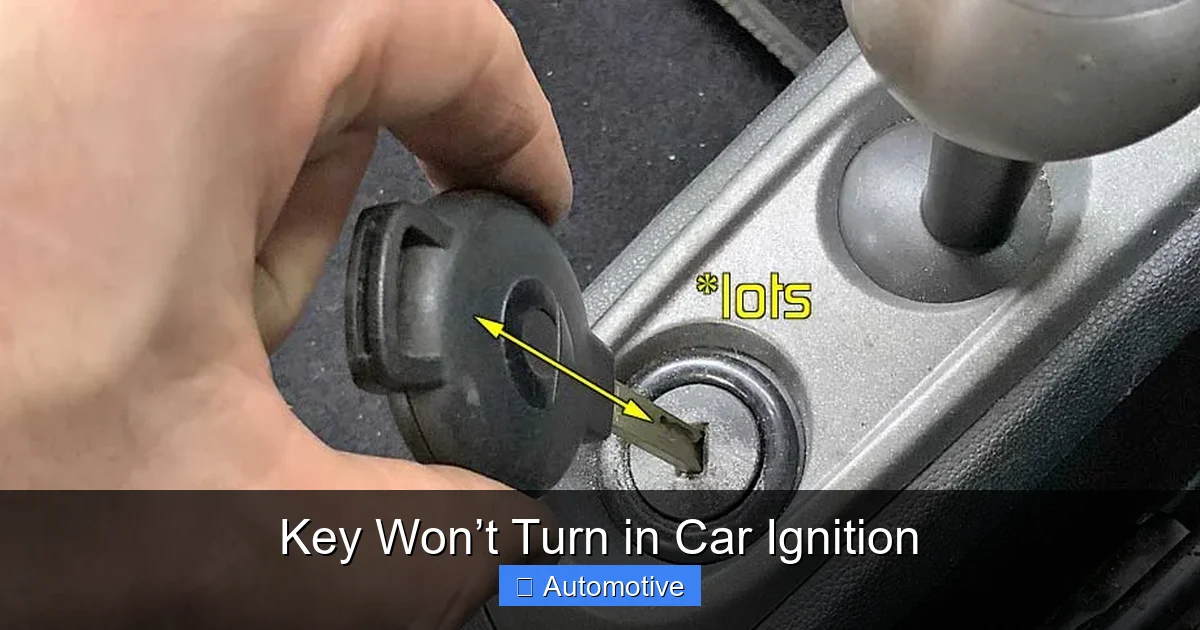
Visual guide about Key Won’t Turn in Car Ignition
Image source: evilution.co.uk
Now that you know the common causes, let’s walk through a practical troubleshooting process. Follow these steps in order—they’re designed to be safe, simple, and effective.
Step 1: Check the Steering Wheel
Before doing anything else, sit in the driver’s seat and assess the steering wheel. Is it turned to one side? If so, the lock may be engaged.
– Insert the key gently.
– While holding the key, wiggle the steering wheel left and right with moderate pressure.
– At the same time, try turning the key clockwise to the “Start” position.
– Don’t force it—gentle, consistent pressure is key.
If the key turns, great! You’ve solved the problem. If not, move to the next step.
Step 2: Inspect the Key
Remove the key and examine it closely. Look for:
– Visible wear on the teeth or edges
– Bends or cracks
– Rust or corrosion
Compare it to a spare key (if you have one). If the spare turns easily, the original key is likely worn.
Action: If the key is damaged, visit your dealership or a locksmith to get a replacement. Many modern cars use transponder keys, which contain a chip that must be programmed—so a simple hardware store copy won’t work.
Step 3: Clean the Ignition Cylinder
Dirt and debris are sneaky culprits. Here’s how to clean it safely:
– Use a can of compressed air (like those used for cleaning keyboards).
– Insert the nozzle into the keyhole and spray in short bursts.
– Turn the key in and out several times to dislodge particles.
– If needed, apply a small amount of graphite lubricant (available at auto parts stores).
– Avoid WD-40 or oil-based lubricants—they attract dirt and can gum up the mechanism.
Pro tip: Do this regularly (every 6–12 months) to prevent buildup.
Step 4: Verify the Gear Position
For automatic vehicles:
– Ensure the shifter is fully in Park.
– Try shifting to Neutral, then back to Park.
– Press the brake pedal firmly and attempt to turn the key.
– If your car has a shift lock release button (usually a small cover near the shifter), press it with a key or screwdriver to manually release the shifter.
This step is crucial—many drivers assume the car is in Park when it’s actually between gears.
Step 5: Test the Battery
Check if the car has power:
– Turn on the headlights. Are they bright or dim?
– Try turning on the radio or dashboard lights.
– If everything is dead or weak, the battery may be the issue.
Use jumper cables or a portable jump starter to boost the battery. Once the car has power, try turning the key again.
Step 6: Warm or Cool the Ignition
If you’re in extreme temperatures:
– In cold weather: Warm the key with your hands or a hairdryer. Apply a lock de-icer.
– In hot weather: Park in the shade and allow the car to cool. Avoid direct sunlight on the ignition.
Never use excessive heat or force.
When to Call a Professional
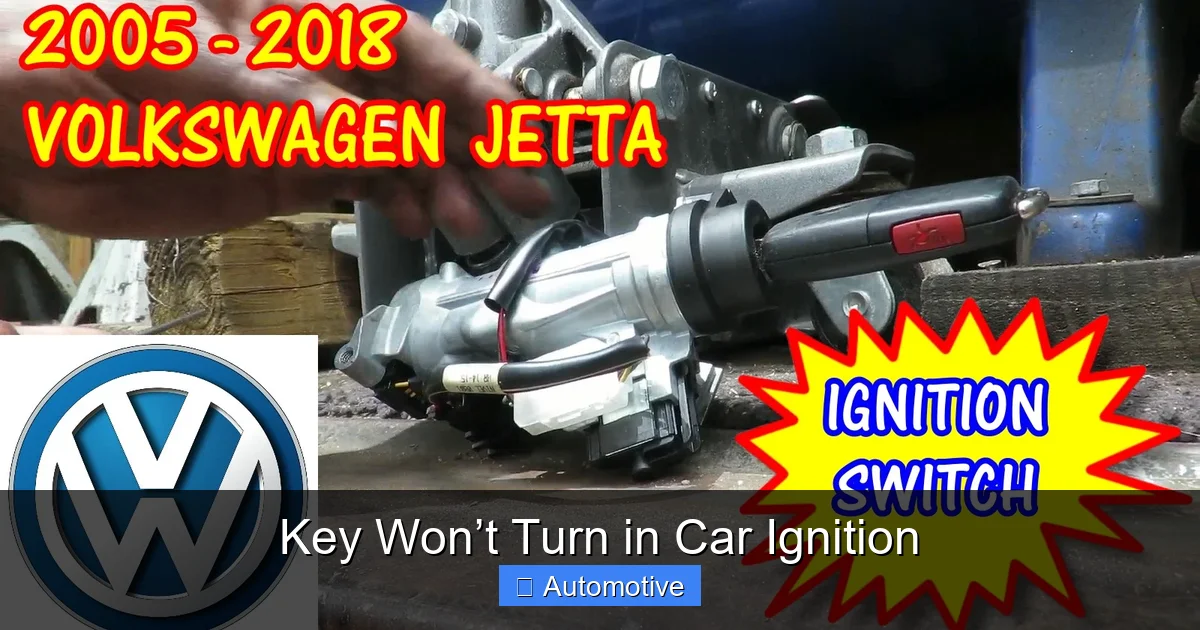
Visual guide about Key Won’t Turn in Car Ignition
Image source: onlineautorepairvideos.com
While many ignition issues can be resolved at home, some problems require expert attention. Ignoring a serious issue can lead to more damage or even safety risks.
Signs You Need a Mechanic or Locksmith
– The key turns but the car won’t start (could indicate ignition switch or starter failure).
– The key is stuck and won’t come out.
– You hear grinding or clicking when turning the key.
– The ignition cylinder feels loose or wobbly.
– Multiple keys fail to turn.
Ignition Cylinder Replacement
If the cylinder itself is damaged—due to wear, vandalism, or forced entry—it may need replacement. This is not a DIY job for most drivers. A certified locksmith or mechanic can remove the old cylinder, install a new one, and program it to work with your key (especially important for transponder keys).
Cost estimate: Depending on the vehicle, ignition cylinder replacement can range from $150 to $400, including parts and labor.
Electrical or Wiring Issues
In some cases, the problem isn’t mechanical but electrical. Faulty wiring, a blown fuse, or a failed ignition switch can prevent the key from turning or the car from starting. A diagnostic scan tool can help identify these issues.
Example: Mark’s key wouldn’t turn, and the dashboard was completely dead. A mechanic found a corroded fuse in the ignition circuit. Replacing it cost $20 and fixed the problem instantly.
Prevention Tips to Avoid Future Issues
An ounce of prevention is worth a pound of cure—especially when it comes to your car’s ignition. Here’s how to keep your key turning smoothly for years to come.
1. Avoid Overloading Your Keychain
Heavy keychains put unnecessary strain on the ignition cylinder every time you insert or remove the key. Over time, this can wear down the internal components.
Tip: Use a lightweight keychain or keep your car key separate from house keys, tools, or other heavy items.
2. Clean the Ignition Regularly
Make it a habit to clean the ignition cylinder every few months. A quick blast of compressed air can prevent buildup and keep things running smoothly.
3. Replace Worn Keys Promptly
Don’t wait until your key fails completely. If you notice it’s getting harder to turn, get a replacement before you’re stranded.
4. Park on Level Ground When Possible
Parking on steep hills increases the chance of the steering wheel locking in a turned position. If you must park on a slope, turn the wheels toward the curb (or away, depending on direction) and use the parking brake.
5. Use the Right Lubricant
Only use graphite-based lubricants in locks and ignitions. Oil-based products like WD-40 may seem helpful, but they attract dirt and can cause long-term damage.
6. Protect Against Weather
In winter, consider using a car cover or parking in a garage to reduce exposure to ice and snow. In summer, use sunshades to prevent overheating of interior components.
Final Thoughts: Stay Calm and Troubleshoot Smart
A key that won’t turn in the car ignition is stressful, but it’s rarely a disaster. More often than not, it’s a simple issue with a straightforward fix. By understanding the common causes—steering lock, worn keys, dirt, battery issues, and more—you can approach the problem with confidence.
Start with the easiest solutions: wiggle the steering wheel, check the gear shift, and inspect the key. Clean the ignition if needed, and don’t forget to test the battery. If those steps don’t work, it’s time to call a professional.
Remember, regular maintenance and mindful habits can prevent most ignition problems. Keep your keys clean, your ignition clear, and your car parked smartly. With a little care, you’ll spend less time troubleshooting and more time driving.
So the next time your key refuses to turn, take a deep breath. You’ve got this.
Frequently Asked Questions
Why won’t my key turn even though the car is in Park?
The shifter may not be fully engaged in Park, or the shift interlock system could be malfunctioning. Try shifting to Neutral and back to Park, or press the brake pedal firmly while turning the key.
Can a dead battery prevent the key from turning?
Yes, a weak or dead battery can limit power to the ignition system, preventing the key from turning. Jump-start the car or use a portable charger to restore power.
Is it safe to use WD-40 in the ignition?
No, WD-40 is oil-based and can attract dirt, leading to buildup. Use a graphite-based lubricant instead, which is dry and won’t gum up the mechanism.
How often should I clean my ignition cylinder?
Every 6 to 12 months is a good rule of thumb, or whenever you notice resistance when inserting or turning the key.
Can I replace the ignition cylinder myself?
It’s not recommended unless you have mechanical experience. Ignition systems are complex and often involve electronic components that require programming.
What if my key turns but the car won’t start?
This could indicate a faulty ignition switch, starter motor, or fuel system issue. Have a mechanic perform a diagnostic scan to pinpoint the problem.
