
Does Car Color Affect Insurance?

Contrary to popular belief, your car’s color has no direct impact on your insurance premium. Insurers base rates on factors like vehicle make, model, safety features, and driving history—not paint shade. However, certain colors may indirectly influence risk perception or theft rates.
Key Takeaways
- Car color doesn’t directly affect insurance rates: Insurance companies do not use paint color as a rating factor when calculating premiums.
- Vehicle type and performance matter more: Sports cars or high-performance vehicles often cost more to insure regardless of color.
- Some colors may be linked to higher theft rates: Bright or flashy colors like red or yellow can attract attention and potentially increase theft risk.
- Visibility and accident risk play a role: Lighter colors like white or silver are more visible in low light, possibly reducing accident likelihood.
- Perception vs. reality: While many believe red cars cost more to insure, data shows no consistent correlation between color and premium costs.
- Focus on safety and driving habits: Improving your driving record and choosing a safe vehicle will have a much bigger impact on lowering insurance than paint choice.
- Shop around for the best rates: Comparing quotes from multiple insurers ensures you get the best deal based on real risk factors, not myths.
📑 Table of Contents
- Does Car Color Affect Insurance? The Truth Behind the Myth
- What Determines Your Car Insurance Premium?
- The Myth of the “Expensive” Red Car
- Indirect Ways Color Might Influence Insurance
- Real Factors That Actually Affect Insurance Costs
- Tips for Lowering Your Car Insurance Premium
- Conclusion: Focus on Facts, Not Myths
Does Car Color Affect Insurance? The Truth Behind the Myth
You’ve probably heard it before: “Red cars cost more to insure.” Or maybe you’ve been told that driving a black car makes you look like a speedster, so insurers charge you more. These are common beliefs passed down through friends, family, and even pop culture. But is there any truth to them? Does your car’s color actually affect your insurance premium?
The short answer is no—your car’s paint job doesn’t directly influence how much you pay for auto insurance. Insurance companies base their rates on measurable risk factors like your driving history, age, location, vehicle type, and safety features. They don’t have a “red car surcharge” or a “black car penalty” built into their pricing models. However, while color itself isn’t a rating factor, it can play an indirect role in certain scenarios—like theft risk or visibility—that might influence overall risk assessment.
In this article, we’ll break down the myths, explore the real factors that affect insurance costs, and help you understand how—if at all—your car’s color might matter. Whether you’re shopping for a new vehicle or just curious about insurance myths, this guide will give you the facts you need to make informed decisions.
What Determines Your Car Insurance Premium?
Before diving into color, it’s important to understand what actually goes into calculating your insurance rate. Insurance companies use complex algorithms to assess risk—the likelihood that you’ll file a claim. The higher the perceived risk, the higher your premium. Here are the key factors that insurers consider:
Driver-Related Factors
Your personal profile is one of the biggest determinants of your insurance cost. Age, gender, marital status, and driving history all play a role. Young drivers, especially males under 25, typically pay more because they’re statistically more likely to be involved in accidents. A clean driving record with no tickets or accidents can significantly lower your rates, while DUIs or at-fault crashes can spike them.
Visual guide about Does Car Color Affect Insurance?
Image source: slashgear.com
Vehicle-Specific Factors
The type of car you drive has a major impact on your premium. High-performance vehicles, luxury cars, and models with high repair costs tend to be more expensive to insure. For example, a sports car like a Mustang or a BMW M3 will cost more to insure than a compact sedan like a Honda Civic—even if both are the same color. This is because sports cars are often driven more aggressively and have higher accident and theft rates.
Location and Usage
Where you live and how you use your car also matter. Urban areas with heavy traffic and higher crime rates usually have higher insurance premiums than rural areas. If you drive long distances for work or frequently commute in busy cities, your risk of accidents increases, which can raise your rates. Parking your car in a garage versus on the street can also affect your premium, as it reduces exposure to theft and weather damage.
Coverage Level and Deductibles
The type of coverage you choose—liability, collision, comprehensive, etc.—directly affects your premium. Higher coverage limits and lower deductibles mean higher monthly payments. Conversely, choosing a higher deductible can lower your premium, but you’ll pay more out of pocket if you file a claim.
Credit Score and Insurance History
In most states, insurers use your credit-based insurance score as a factor. People with good credit tend to file fewer claims, so they often receive lower rates. A history of continuous coverage without lapses also helps keep premiums down.
As you can see, none of these factors include car color. Insurers are focused on data-driven risk, not aesthetics. So while your red sports car might turn heads, it’s the car’s performance specs—not its paint—that will influence your insurance cost.
The Myth of the “Expensive” Red Car
One of the most persistent myths in auto insurance is that red cars cost more to insure. You’ve probably heard it from a friend or seen it joked about in movies: “Of course he got a red car—no wonder his insurance is so high!” But where did this idea come from, and is there any truth to it?
Origins of the Red Car Myth
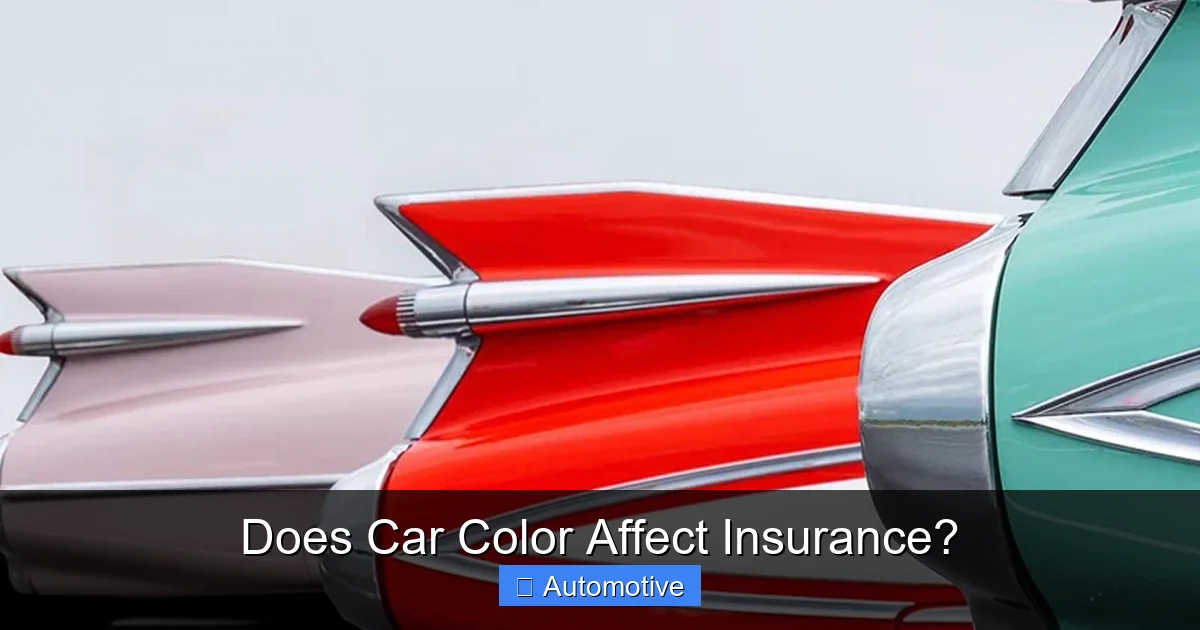
The belief likely stems from a combination of cultural stereotypes and early insurance marketing. In the mid-20th century, red was associated with speed, passion, and rebellion—think of classic muscle cars like the Ford Mustang or Chevrolet Corvette, often painted in bold reds. These vehicles were popular among young male drivers, a demographic already considered high-risk by insurers. Over time, the association between red cars and risky driving behavior became ingrained in public perception.
Visual guide about Does Car Color Affect Insurance?
Image source: cheapinsurance.com
Additionally, some early insurance companies may have used color as a rough proxy for vehicle type. If red cars were more commonly sports cars, and sports cars were more expensive to insure, the two factors became conflated. But this was never a formal policy—just a coincidence of trends.
What the Data Says
Multiple studies and analyses by insurance research organizations have debunked the red car myth. For example, a comprehensive review by the Insurance Information Institute (III) found no correlation between car color and insurance premiums. Similarly, data from major insurers like State Farm, Geico, and Progressive shows that color is not a variable in their pricing models.
In fact, when researchers controlled for vehicle type, age, and driver profile, the color of the car had no measurable impact on claim frequency or cost. A red Toyota Camry is no more expensive to insure than a white one, assuming all other factors are equal.
Why the Myth Persists
Despite the lack of evidence, the red car myth endures because it’s simple, memorable, and fits into a broader narrative about risk and behavior. People like to believe that visible traits—like a flashy paint job—can predict outcomes. But insurance is based on statistics, not stereotypes. Just because someone drives a red car doesn’t mean they’re a reckless driver—and insurers know that.
So the next time someone tells you red cars cost more to insure, you can confidently say: “Not according to the data.”
Indirect Ways Color Might Influence Insurance
While car color doesn’t directly affect your premium, it can play an indirect role in certain risk factors that insurers do consider. Let’s explore how color might influence theft rates, accident risk, and even resale value—all of which can have downstream effects on your insurance experience.
Theft Risk and Car Color
Some colors are more attractive to thieves than others. Bright, flashy colors like red, yellow, or orange may draw more attention, making a car a more visible target. On the other hand, common colors like white, black, silver, and gray are less conspicuous and may be less likely to be stolen—especially if they blend in with other vehicles on the road.
Visual guide about Does Car Color Affect Insurance?
Image source: policybachat.com
For example, a study by the National Insurance Crime Bureau (NICB) found that vehicles in less common colors (like bright green or purple) were slightly more likely to be reported stolen than those in neutral tones. However, the difference was small and not significant enough to impact insurance rates directly. Still, if you live in an area with high auto theft rates, choosing a less conspicuous color might offer a slight advantage in deterring thieves.
Visibility and Accident Risk
Car color can affect how visible your vehicle is to other drivers, especially in low-light conditions like dawn, dusk, or fog. Lighter colors like white, yellow, and silver reflect more light and are easier to see from a distance. Darker colors like black, dark blue, or charcoal gray absorb light and can be harder to spot, particularly at night.
Research from the Monash University Accident Research Centre in Australia found that white cars are involved in about 12% fewer crashes than black cars under similar conditions. The study suggested that increased visibility reduces the likelihood of collisions, especially in poor lighting. While this doesn’t mean black cars are unsafe, it does suggest that color can influence real-world risk.
If you frequently drive at night or in areas with poor street lighting, choosing a lighter-colored vehicle might help reduce your accident risk—and potentially lower your chances of filing a claim.
Resale Value and Repair Costs
While not directly tied to insurance, car color can affect resale value and repair costs, which in turn influence your overall ownership expenses. Neutral colors like white, black, and silver tend to have higher resale values because they appeal to a broader range of buyers. Bright or unusual colors may limit your pool of potential buyers, making it harder to sell the car later.
Additionally, some colors are more prone to fading, chipping, or showing dirt. For example, white paint can yellow over time, while black shows scratches and swirl marks more easily. If your car requires frequent touch-ups or repainting, those costs could add up—though they won’t directly affect your insurance premium.
In summary, while color doesn’t change your insurance rate, it can influence other aspects of car ownership that indirectly affect your financial risk.
Real Factors That Actually Affect Insurance Costs
Now that we’ve cleared up the color myth, let’s focus on the real factors that determine how much you pay for car insurance. Understanding these can help you make smarter decisions when buying a car or shopping for coverage.
Vehicle Make and Model
The type of car you drive is one of the biggest factors in your insurance cost. High-performance vehicles, luxury cars, and models with high repair or replacement costs typically have higher premiums. For example, insuring a Tesla Model S will cost more than insuring a Toyota Corolla, even if both are the same color and driven by the same person.
Insurers also consider safety ratings. Cars with high safety scores from organizations like the National Highway Traffic Safety Administration (NHTSA) or the Insurance Institute for Highway Safety (IIHS) may qualify for discounts. Features like automatic emergency braking, lane departure warnings, and adaptive headlights can reduce your risk of accidents and lower your premium.
Driving History and Behavior
Your personal driving record is a major factor. A clean record with no accidents or violations can lead to significant discounts. On the other hand, speeding tickets, DUIs, or at-fault accidents can cause your rates to spike. Some insurers offer usage-based programs that track your driving habits through a mobile app or device. Safe driving behaviors like smooth braking, consistent speed, and low mileage can earn you additional savings.
Location and Parking
Where you live plays a big role in your insurance cost. Urban areas with high traffic density, crime rates, and accident frequency tend to have higher premiums. If you park your car on the street instead of in a garage, you may also pay more due to increased risk of theft or vandalism.
Coverage Choices
The level of coverage you choose directly affects your premium. Comprehensive and collision coverage protect your vehicle from damage, but they come at a higher cost. Liability-only coverage is cheaper but offers less protection. Choosing a higher deductible can lower your monthly payment, but you’ll pay more out of pocket if you file a claim.
Discounts and Bundling
Many insurers offer discounts for things like bundling home and auto policies, being a good student, having multiple vehicles, or completing a defensive driving course. Taking advantage of these can significantly reduce your premium.
By focusing on these real factors, you can take control of your insurance costs—regardless of what color your car is.
Tips for Lowering Your Car Insurance Premium
Now that you know what really affects your insurance cost, here are some practical tips to help you save money—no matter what color your car is.
Shop Around and Compare Quotes
Insurance rates vary widely between companies, so it’s important to get quotes from multiple insurers. Use online comparison tools or work with an independent agent to find the best deal. Don’t just go with the first offer—take the time to compare coverage, deductibles, and discounts.
Maintain a Clean Driving Record
The best way to keep your rates low is to drive safely. Avoid speeding, distracted driving, and other risky behaviors. A clean record not only keeps you safe but also qualifies you for lower premiums and safe driver discounts.
Choose a Safe, Practical Vehicle
When buying a car, consider safety ratings, repair costs, and theft rates. Avoid high-performance or luxury vehicles if you’re looking to save on insurance. Opt for models with advanced safety features and good crash test scores.
Take Advantage of Discounts
Ask your insurer about available discounts. Common ones include multi-car, multi-policy, good student, low mileage, and defensive driving course discounts. Some companies even offer discounts for electric or hybrid vehicles.
Increase Your Deductible
If you can afford to pay more out of pocket in the event of a claim, consider raising your deductible. This can lower your monthly premium, but make sure you have enough savings to cover the higher deductible if needed.
Improve Your Credit Score
In most states, insurers use credit-based insurance scores to determine rates. Paying bills on time, reducing debt, and monitoring your credit report can help improve your score and lower your premium.
Consider Usage-Based Insurance
Many insurers now offer telematics programs that track your driving habits. If you’re a safe driver, these programs can reward you with discounts based on real-time data.
By following these tips, you can reduce your insurance costs without worrying about your car’s color.
Conclusion: Focus on Facts, Not Myths
So, does car color affect insurance? The answer is clear: no, it doesn’t—at least not directly. While your car’s paint job might influence visibility, theft risk, or resale value, it’s not a factor in how insurance companies calculate your premium. What matters most are real, measurable risk factors like your driving history, vehicle type, location, and coverage choices.
The myth of the expensive red car persists because it’s simple and memorable, but it’s not backed by data. Insurers rely on statistics, not stereotypes, to determine rates. So whether you drive a bright yellow convertible or a sleek black sedan, your insurance cost will depend on who you are and what you drive—not what color it is.
Instead of worrying about paint, focus on making smart decisions that actually impact your premium. Drive safely, choose a reliable vehicle, shop around for quotes, and take advantage of discounts. These steps will have a far greater effect on your insurance cost than any color ever could.
At the end of the day, your car’s color is a matter of personal style—not financial risk. So go ahead, pick the shade that makes you happy. Just don’t expect it to change your insurance bill.
Frequently Asked Questions
Does driving a red car really cost more to insure?
No, driving a red car does not cost more to insure. Insurance companies do not use car color as a factor in determining premiums. The myth likely stems from the association between red cars and sports cars, which are more expensive to insure due to performance and risk factors.
Can car color affect my risk of theft?
Yes, to a small extent. Bright or unusual colors may attract more attention and could be slightly more likely to be targeted by thieves. However, the difference is minimal and not significant enough to impact insurance rates directly.
Are white or silver cars cheaper to insure?
Not necessarily. While lighter colors like white and silver are more visible and may reduce accident risk, insurers do not offer discounts based on color. Any potential savings would come from lower accident rates, not the paint itself.
Do insurance companies track car color in their databases?
Yes, insurers record your car’s color for identification purposes, but it is not used in pricing calculations. It’s part of the vehicle description, not a risk factor.
Can I lower my insurance by changing my car’s color?
No, repainting your car will not lower your insurance premium. Since color isn’t a rating factor, changing it won’t affect your rate. Focus instead on driving safely and choosing the right coverage.
What should I prioritize when choosing a car to save on insurance?
Prioritize safety ratings, repair costs, theft rates, and vehicle type. Avoid high-performance or luxury cars if you want lower premiums. Also, consider features like anti-theft systems and advanced safety technology, which can qualify you for discounts.
