
Can You Use Acetone on Car Paint

Using acetone on car paint is generally not recommended. While it can remove tough stains like tar or adhesive, it may also strip wax, damage clear coats, and dull the finish. Safer alternatives exist for most cleaning tasks.
Key Takeaways
- Acetone is a powerful solvent: It effectively dissolves adhesives, tar, and some paints, but it’s too harsh for regular use on car surfaces.
- It can damage clear coats: Modern cars have a protective clear coat over the base paint—acetone can break it down, leading to fading and oxidation.
- Wax and sealants are stripped away: Acetone removes protective layers, leaving your paint vulnerable to UV rays and environmental damage.
- Safe alternatives exist: Products like isopropyl alcohol, dedicated tar removers, and clay bars are gentler and just as effective for most jobs.
- Test first, if you must use it: If acetone is your only option, always test on a small, hidden area and rinse immediately after use.
- Professional detailing is safer: For stubborn contaminants, consult a detailer who uses safe, tested methods.
- Prevention beats correction: Regular washing and waxing help prevent buildup, reducing the need for harsh chemicals.
📑 Table of Contents
- Can You Use Acetone on Car Paint?
- What Is Acetone and How Does It Work?
- The Structure of Modern Car Paint
- Risks of Using Acetone on Car Paint
- When Might Acetone Be Acceptable?
- Safer Alternatives to Acetone for Car Cleaning
- Best Practices for Safe Car Cleaning
- What to Do If You Accidentally Used Acetone
- Conclusion: Think Twice Before Reaching for Acetone
Can You Use Acetone on Car Paint?
So, you’ve got a stubborn spot on your car—maybe some dried tree sap, old bumper sticker residue, or a patch of tar from the road. You reach for that bottle of acetone in your garage, thinking, “This’ll take care of it in seconds.” But before you do, pause. The question isn’t just whether acetone *can* remove the gunk—it’s whether it *should*.
Acetone is one of the strongest solvents commonly found in households. It’s great for cleaning tools, removing nail polish, or stripping old paint. But when it comes to your car’s paint, the answer isn’t so simple. While acetone can indeed dissolve tough contaminants, it also poses serious risks to your vehicle’s finish. Modern car paint isn’t just a single layer—it’s a multi-stage system designed to protect the metal underneath and keep your car looking shiny for years. And acetone? It doesn’t discriminate. It attacks everything in its path, including the very layers meant to protect your paint.
In this guide, we’ll dive deep into whether you can use acetone on car paint, what the real risks are, and what safer, smarter alternatives you can use instead. Whether you’re a weekend DIYer or just trying to keep your ride looking sharp, understanding how to treat your car’s exterior is key to preserving its value and appearance.
What Is Acetone and How Does It Work?
Visual guide about Can You Use Acetone on Car Paint
Image source: paintanswers.com
Before we get into whether acetone is safe for your car, let’s talk about what it actually is. Acetone is a colorless, highly volatile liquid that belongs to a class of chemicals called ketones. It’s one of the most common solvents in the world, used in everything from industrial cleaners to household products like nail polish remover.
Chemical Properties of Acetone
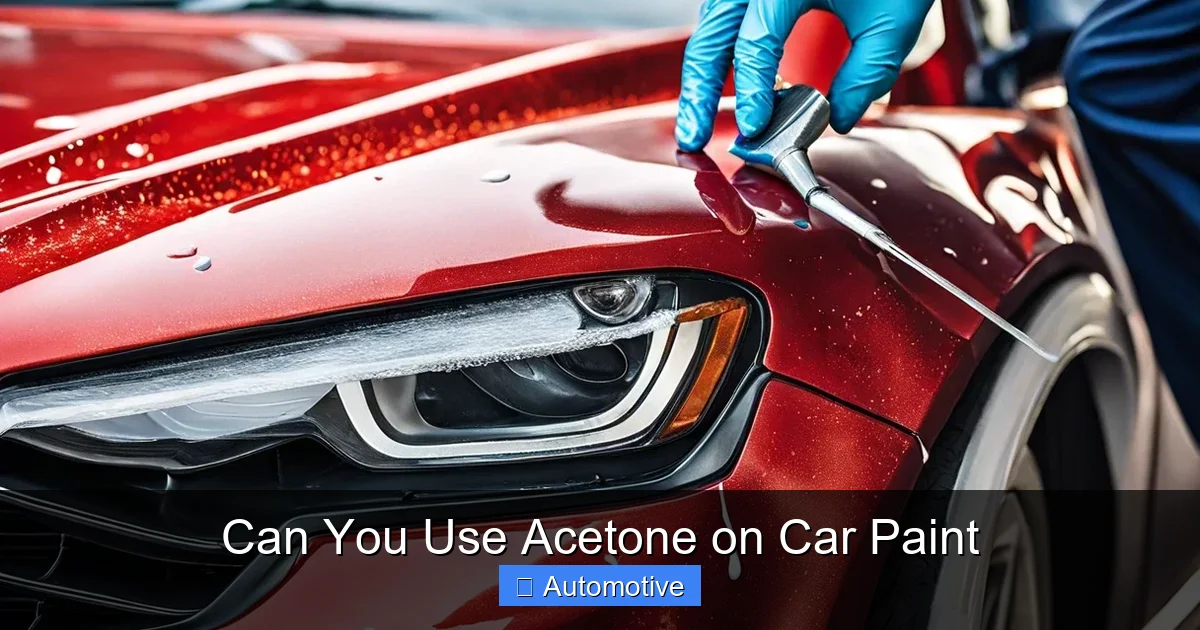
Acetone works by breaking down the molecular bonds in certain substances, especially those that are oily, waxy, or resin-based. It’s excellent at dissolving adhesives, grease, paint, and even some plastics. That’s why it’s so effective at removing sticky residues—it literally liquefies them on contact.
But here’s the catch: acetone doesn’t “know” the difference between the gunk you want to remove and the protective layers on your car. It’s non-selective. When applied to car paint, it can penetrate the top layers and start breaking down the clear coat, which is the transparent layer that sits over the colored base paint. Without that clear coat, your paint is exposed to UV rays, moisture, and oxidation—leading to fading, chalking, and even rust over time.
Common Household Uses of Acetone
You’ve probably used acetone before without even thinking about it. It’s in:
– Nail polish remover (often listed as the main ingredient)
– Paint thinners and strippers
– Adhesive removers (like Goo Gone, though many are acetone-free now)
– Cleaning wipes and degreasers
Because it evaporates quickly and leaves little residue, it’s tempting to use it for quick fixes. But that same fast evaporation means it doesn’t give you much time to control its effects—once it’s on your paint, it starts working immediately.
The Structure of Modern Car Paint
Visual guide about Can You Use Acetone on Car Paint
Image source: paintanswers.com
To understand why acetone is risky, you need to know how car paint is built today. Gone are the days of single-stage paint jobs. Modern vehicles use a multi-layer system designed for durability, shine, and protection.
Layers of Car Paint: From Metal to Shine
A typical car paint job consists of four main layers:
1. **Primer**: Applied directly to the metal body, this layer helps the paint adhere and provides a smooth base.
2. **Base Coat**: This is the colored layer—the actual “paint” you see. It contains pigments and dyes.
3. **Clear Coat**: A transparent, glossy layer applied over the base coat. It protects the color from UV damage, scratches, and environmental contaminants.
4. **Wax or Sealant (optional)**: Many car owners apply a wax or synthetic sealant after washing to add extra shine and protection.
The clear coat is especially important. It’s usually made of polyurethane or acrylic resin and is designed to be tough—but not indestructible. Harsh chemicals like acetone can soften, cloud, or even dissolve parts of the clear coat, especially if left on too long.
Why the Clear Coat Matters
Think of the clear coat like a pair of sunglasses for your car. It shields the colored paint from the sun’s harmful UV rays, which can cause fading and brittleness. It also repels water, dirt, and bird droppings. When acetone damages the clear coat, it’s like cracking those sunglasses—protection is compromised, and the underlying paint starts to degrade.
Even minor damage can lead to bigger problems. Once the clear coat is compromised, moisture can seep in, causing oxidation (a chalky, white film) or even rust if the metal underneath is exposed.
Risks of Using Acetone on Car Paint
Visual guide about Can You Use Acetone on Car Paint
Image source: paintzeal.com
Now that we understand how acetone works and how car paint is structured, let’s look at the real dangers of using it on your vehicle.
1. Clear Coat Damage
This is the biggest risk. Acetone can soften or dissolve the clear coat, especially if it’s left on for more than a few seconds. You might notice the area becoming dull, cloudy, or sticky. In severe cases, the clear coat can peel or blister.
For example, imagine you’re trying to remove an old parking permit sticker from your windshield frame. You dab acetone on a cloth and rub it in. It works—the adhesive comes off. But the next day, you notice the paint around the area looks hazy. That’s acetone damage. Over time, that haze can turn into permanent dullness.
2. Fading and Oxidation
Once the clear coat is compromised, UV rays can reach the base paint. This leads to fading—your red car starts looking pink, or your black car turns brownish. Oxidation occurs when the paint reacts with oxygen and moisture, creating a rough, chalky surface. This can’t be polished out easily and often requires repainting.
3. Stripping of Protective Layers
Most car owners apply wax or sealant after washing to protect the paint. Acetone strips these layers instantly. So even if you don’t damage the clear coat, you’re left with unprotected paint that’s more vulnerable to dirt, water spots, and sun damage.
4. Risk to Trim and Plastic Parts
Cars have rubber seals, plastic trim, and rubberized coatings around windows and mirrors. Acetone can melt or discolor these materials. For instance, using acetone near your door handles or side mirrors might leave behind sticky, warped plastic.
5. Long-Term Value Impact
If you plan to sell or trade in your car, paint condition matters. A dull, damaged finish can significantly reduce resale value. Even small areas of acetone damage can be a red flag for buyers or appraisers.
When Might Acetone Be Acceptable?
Despite the risks, there are rare situations where acetone might be used—cautiously—on car paint.
Emergency Use on Small, Hidden Areas
If you’re dealing with a small amount of adhesive or paint overspray in a hidden spot—like under the hood or inside the wheel well—acetone might be used as a last resort. But even then, you should:
– Use a cotton swab or microfiber cloth (not a sponge or paper towel)
– Apply only a tiny amount
– Wipe immediately and rinse with water
– Avoid contact with surrounding areas
Professional Use in Controlled Settings
Some professional detailers or body shops use acetone in very specific, controlled ways—such as removing old paint during restoration. But they use it with precision tools, proper ventilation, and protective gear. They also follow up with polishing and waxing to restore protection.
For the average car owner, though, the risks far outweigh the benefits. There are almost always safer alternatives.
Safer Alternatives to Acetone for Car Cleaning
The good news? You don’t need acetone to keep your car clean. There are plenty of effective, paint-safe products designed specifically for automotive use.
1. Isopropyl Alcohol (70% or Higher)
Isopropyl alcohol is a milder solvent that can remove adhesives, bugs, and some stains without damaging clear coats—if used correctly. Mix it with water (50/50) and apply with a microfiber cloth. Always rinse and dry afterward.
Tip: Use it to remove tree sap or bug splatter. Soak a cloth, lay it on the spot for 30 seconds, then gently wipe.
2. Dedicated Tar and Adhesive Removers
Products like Goo Gone Automotive, 3M Adhesive Remover, or Turtle Wax Tar Remover are formulated to dissolve sticky residues without harming paint. They’re designed to be safe on clear coats and often include lubricants to prevent scratching.
How to use: Spray on, wait 30–60 seconds, wipe with a clean microfiber cloth. Rinse if needed.
3. Clay Bars
Clay bars are great for removing embedded contaminants like industrial fallout, tree sap, and overspray. They work by “grabbing” particles from the surface without chemicals.
Use with a clay lubricant spray. Glide the clay over the paint in straight lines. You’ll feel it picking up the gunk.
4. Bug and Tar Remover Sprays
Many car care brands offer sprays specifically for bugs and tar. These are pH-balanced and safe for regular use. Brands like Meguiar’s, Chemical Guys, and Mothers have reliable options.
5. Warm Soapy Water and Elbow Grease
Sometimes, the simplest solution works best. A thorough wash with car shampoo and a microfiber mitt can remove light grime. For sticky spots, let the soapy water sit for a few minutes before scrubbing gently.
Best Practices for Safe Car Cleaning
Even when using safe products, how you clean matters. Follow these tips to protect your paint.
1. Wash in the Shade
Cleaning in direct sunlight can cause cleaners to dry too quickly, leaving streaks or spots. Work in a shaded area or garage.
2. Use the Two-Bucket Method
Fill one bucket with soapy water and another with clean rinse water. This prevents dirt from being reintroduced to the paint.
3. Use Microfiber Cloths
Microfiber is soft, absorbent, and less likely to scratch than paper towels or sponges. Use separate cloths for wheels, windows, and paint.
4. Rinse Thoroughly
Always rinse off cleaners, especially solvents, as soon as the job is done. Residue can attract dirt or cause damage over time.
5. Follow Up with Wax or Sealant
After cleaning, apply a coat of wax or sealant to restore protection and shine. This is especially important after using any solvent, even mild ones.
What to Do If You Accidentally Used Acetone
So you used acetone and now you’re worried. Don’t panic—there are steps you can take.
1. Rinse Immediately
If you just applied it, rinse the area with plenty of water. This can dilute any remaining acetone and reduce further damage.
2. Assess the Damage
Look for signs like cloudiness, stickiness, or dullness. If the paint feels rough or looks chalky, the clear coat may be compromised.
3. Polish the Area
Use a mild rubbing compound or polish with a dual-action polisher. This can remove light surface damage and restore shine. Work in small sections and use light pressure.
4. Apply Wax or Sealant
Once polished, protect the area with a quality wax or sealant. This helps shield the paint from further damage.
5. Consult a Professional
If the damage is severe—blistering, peeling, or deep dullness—see a detailer or body shop. They may need to wet-sand and repaint the area.
Conclusion: Think Twice Before Reaching for Acetone
So, can you use acetone on car paint? Technically, yes—but should you? Almost always, no.
Acetone is a powerful solvent that can remove tough contaminants, but it comes with serious risks. It can damage the clear coat, strip protective waxes, and leave your paint vulnerable to fading and oxidation. For most cleaning tasks, safer, equally effective alternatives exist.
From isopropyl alcohol to clay bars and dedicated removers, there are plenty of ways to keep your car looking great without risking long-term damage. And if you ever do use acetone—perhaps in an emergency—do it sparingly, test first, and follow up with proper care.
Your car’s paint is one of its most valuable features. Treat it with care, and it will reward you with years of shine and protection. Skip the acetone, choose the right products, and enjoy a cleaner, safer ride.
Frequently Asked Questions
Can acetone remove car wax?
Yes, acetone will strip car wax and sealants almost instantly. It breaks down the protective oils and polymers in wax, leaving your paint unprotected. Always reapply wax after using any solvent.
Will acetone damage clear coat?
Yes, acetone can damage the clear coat by softening, clouding, or dissolving it. This leads to dullness, fading, and increased vulnerability to environmental damage.
Is acetone safe for removing bumper sticker residue?
Not recommended. While it may remove the adhesive, it can also damage the paint underneath. Use a dedicated adhesive remover or isopropyl alcohol instead.
Can I use acetone on plastic car parts?
Generally no. Acetone can melt, warp, or discolor plastic and rubber trim. Test on a hidden area first, but safer cleaners are widely available.
What should I do if acetone gets on my car paint?
Rinse the area immediately with water, then assess for damage. If the paint looks cloudy or dull, polish it gently and apply wax. Seek professional help if damage is severe.
Are there any safe solvents for car paint?
Yes. Isopropyl alcohol (diluted), dedicated tar removers, and clay bars are safe when used correctly. Always follow product instructions and rinse thoroughly.
