
Can Teslas Go Through Car Washes?

Teslas can safely go through certain types of car washes, but automatic brush-style washes are not recommended. Tesla officially advises using touchless or no-touch car washes to avoid potential damage to sensors, paint, and exterior components. Always prepare your vehicle properly and follow best practices to keep your Tesla clean and protected.
Key Takeaways
- Touchless car washes are safe: These use high-pressure water and detergents without physical contact, making them ideal for Teslas.
- Avoid automatic brush washes: Rotating brushes can scratch paint, damage sensors, and harm door handles or side mirrors.
- Manual hand washing is the safest option: Gives you full control over water pressure, soap, and technique to protect sensitive components.
- Prepare your Tesla before washing: Close all windows, lock the car, and ensure the charge port and frunk are sealed.
- Use Tesla-approved cleaning products: Avoid harsh chemicals that can degrade paint protection film or glass coatings.
- Regular cleaning maintains resale value: Keeping your Tesla clean helps preserve its appearance and functionality over time.
- Self-service bays require caution: If using a self-serve wash, use low-pressure settings and avoid direct sprays on sensors or cameras.
📑 Table of Contents
- Can Teslas Go Through Car Washes?
- Understanding Tesla’s Exterior Design and Sensors
- Types of Car Washes: What’s Safe for Your Tesla?
- How to Prepare Your Tesla for a Car Wash
- Best Cleaning Products and Techniques for Teslas
- Common Mistakes to Avoid
- How Often Should You Wash Your Tesla?
- Conclusion: Keep Your Tesla Clean and Protected
Can Teslas Go Through Car Washes?
So, you just got your shiny new Tesla—congratulations! It’s sleek, silent, and packed with cutting-edge tech. But now you’re wondering: can you just drive it through the nearest automatic car wash like you did with your old sedan? The short answer is: yes, but with some important caveats.
Tesla vehicles are built with advanced sensors, cameras, and minimalist exterior designs that require special care during cleaning. While they’re not fragile, they do have unique features that make traditional car wash methods risky. From Autopilot cameras to flush door handles and sensitive paint finishes, your Tesla needs a gentler touch than most cars.
In this guide, we’ll walk you through everything you need to know about washing your Tesla—whether it’s a Model 3, Model Y, Model S, or Model X. We’ll cover which car washes are safe, how to prepare your vehicle, and the best practices to keep your EV looking showroom-fresh for years to come.
Understanding Tesla’s Exterior Design and Sensors

Visual guide about Can Teslas Go Through Car Washes?
Image source: images.1thingaweek.com
Before diving into car wash options, it’s important to understand what makes Teslas different from conventional vehicles. Tesla’s design philosophy emphasizes minimalism, aerodynamics, and seamless integration of technology. This means fewer seams, hidden door handles, and a heavy reliance on external sensors for features like Autopilot, Summon, and automatic parking.
Sensors and Cameras: The Eyes of Your Tesla
Your Tesla is equipped with a suite of cameras, ultrasonic sensors, and radar units that enable its advanced driver-assistance systems. These include:
– Eight surround cameras for 360-degree visibility
– Twelve ultrasonic sensors for close-range detection
– Forward-facing radar for long-range object detection
These components are strategically placed around the vehicle—on the front bumper, side mirrors, rear trunk, and under the doors. They’re essential for features like Autosteer, Traffic-Aware Cruise Control, and Smart Summon.
Because these sensors are exposed, they can be damaged by high-pressure water jets, abrasive brushes, or harsh chemicals. Even minor scratches or residue on camera lenses can impair visibility and reduce the effectiveness of Autopilot.
Flush Door Handles and Minimalist Trim
Tesla’s door handles are designed to sit flush with the body when not in use, improving aerodynamics and giving the car a clean, modern look. However, this design makes them more vulnerable to damage from automatic car wash brushes, which can snag or bend the handles.
Similarly, the lack of traditional trim pieces means there’s less buffer between the paint and potential hazards. Scratches from brushes or debris can be more noticeable and harder to repair.
Paint and Protective Coatings
Tesla vehicles come with a high-quality paint finish, often with a clear coat or optional paint protection film (PPF). While durable, this finish can still be damaged by abrasive cleaning methods. Automatic brush washes, in particular, can leave swirl marks or micro-scratches over time—especially if the brushes aren’t properly maintained.
Additionally, some Teslas have glass roofs or panoramic sunroofs, which require extra care to avoid water spots or seal damage.
Types of Car Washes: What’s Safe for Your Tesla?
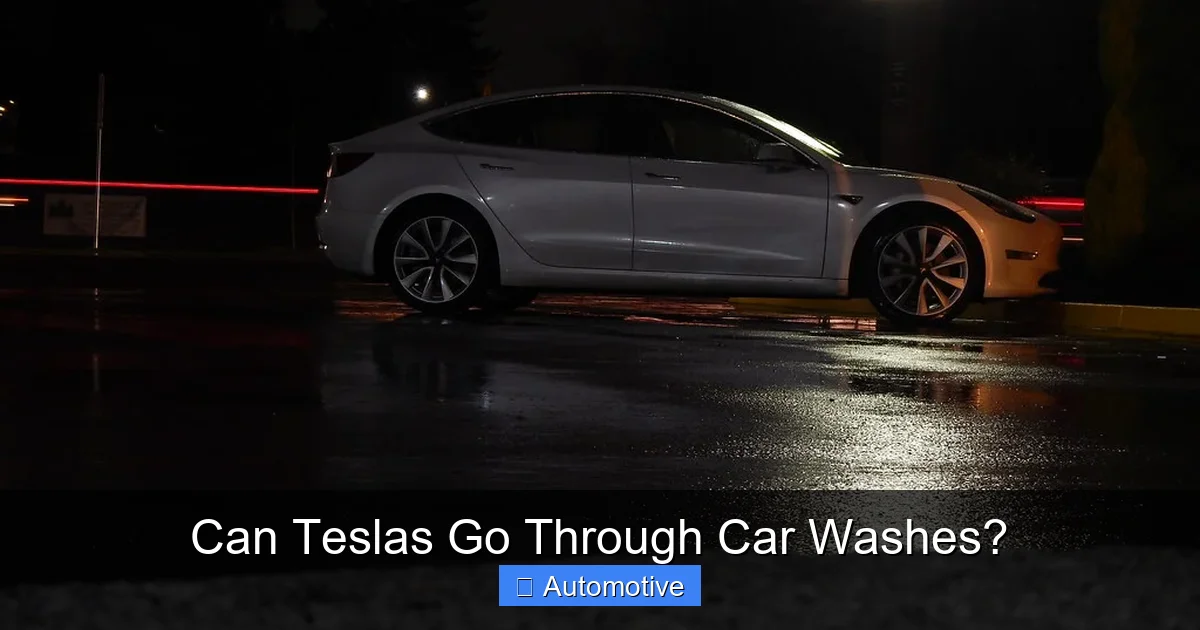
Visual guide about Can Teslas Go Through Car Washes?
Image source: rechargd.com
Not all car washes are created equal—and when it comes to Teslas, choosing the right type is crucial. Let’s break down the most common car wash options and how they affect your EV.
Touchless (No-Touch) Car Washes
Touchless car washes use high-pressure water jets and specialized detergents to clean your vehicle without any physical contact. These are the safest automated option for Teslas.
**Why they’re safe:**
– No brushes or cloth strips that can scratch paint
– Detergents are typically pH-balanced and safe for sensors
– Water pressure is controlled to avoid damaging seals or cameras
**Best practices:**
– Choose a reputable touchless wash with good reviews
– Ensure the wash uses soft or deionized water to prevent water spots
– Avoid washes with extremely high pressure settings
Many Tesla owners report excellent results with touchless washes, especially those that offer a pre-soak and spot-free rinse. Just make sure the wash doesn’t use harsh chemicals or acidic cleaners, which can degrade protective coatings.
Automatic Brush (Friction) Car Washes
These are the traditional “tunnel” washes with rotating brushes or cloth strips. **Tesla officially advises against using these.**
**Why they’re risky:**
– Brushes can scratch paint, especially if they’re dirty or worn
– High risk of damaging door handles, side mirrors, or trim
– Potential for water intrusion into sensors or seals
– Can dislodge or damage paint protection film
Even if the brushes appear soft, they can still cause micro-abrasions over time. And if the wash isn’t well-maintained, debris trapped in the brushes can act like sandpaper on your paint.
There are rare exceptions—some high-end automatic washes use foam brushes or advanced systems designed for luxury vehicles. But unless you’re certain the wash is Tesla-approved, it’s better to avoid them altogether.
Self-Service (DIY) Car Wash Bays
Self-service washes let you control the water pressure, soap, and technique. These can be safe for Teslas if used correctly.
**Tips for safe use:**
– Use the lowest pressure setting possible
– Avoid spraying directly at sensors, cameras, or door seals
– Use a soft foam cannon or mitt for scrubbing
– Rinse thoroughly and dry with a microfiber towel
The main risk here is user error—accidentally using too much pressure or the wrong cleaning solution. Always read the instructions on the soap dispenser and avoid acidic or alkaline cleaners.
Hand Washing at Home
For many Tesla owners, hand washing is the gold standard. It gives you complete control over the process and minimizes the risk of damage.
**Recommended supplies:**
– Two buckets (one for soapy water, one for rinsing)
– pH-neutral car shampoo
– Microfiber wash mitt and drying towels
– Wheel cleaner (for brake dust)
– Glass cleaner for windows and cameras
**Steps:**
1. Rinse the car to remove loose dirt
2. Wash from top to bottom using the two-bucket method
3. Clean wheels and tires separately
4. Rinse thoroughly
5. Dry with a clean microfiber towel to prevent water spots
Hand washing also allows you to inspect your Tesla for any damage, debris in sensors, or issues with seals. It’s a great way to bond with your car—and keep it in top condition.
How to Prepare Your Tesla for a Car Wash
Visual guide about Can Teslas Go Through Car Washes?
Image source: organimi.com
Whether you’re using a touchless wash or washing by hand, proper preparation is key to avoiding damage.
Close All Windows and Sunroofs
This might seem obvious, but it’s easy to forget—especially with Tesla’s minimalist interior. Make sure all windows, the panoramic roof (if equipped), and the frunk are fully closed. Even a small gap can let water in, potentially damaging electronics or upholstery.
Lock the Vehicle
Tesla recommends locking the car before entering any automated wash. This ensures the doors stay closed and the handles remain flush. You can lock it via the mobile app or key fob.
Disable Summon and Autopilot Features
While not always necessary, it’s a good idea to turn off features like Smart Summon or Autopark before washing. This prevents the car from unexpectedly moving or activating sensors during the process.
Check the Charge Port and Frunk
Ensure the charge port door is closed and sealed. If you’ve recently charged, make sure no water has pooled in the port. Also, confirm the frunk is fully latched—some washes have overhead sprayers that could force water into an improperly closed frunk.
Remove Accessories
If you have any aftermarket accessories—like roof racks, bike carriers, or spoilers—remove them before washing. These can trap water or interfere with the wash process.
Use the “Car Wash Mode” (Model 3/Y)
Tesla introduced a “Car Wash Mode” in recent software updates for Model 3 and Model Y. This mode:
– Closes all windows
– Locks the doors
– Disables windshield wipers
– Turns off rain-sensing features
– Activates the rearview camera for better visibility
To enable it, go to **Controls > Service > Car Wash Mode**. It’s a simple but effective way to protect your car during automated washes.
Best Cleaning Products and Techniques for Teslas
Using the right products can make a big difference in how your Tesla looks and feels after a wash.
Car Shampoo
Choose a pH-neutral, biodegradable car shampoo. Avoid household detergents like dish soap, which can strip wax and damage protective coatings.
**Recommended brands:**
– Chemical Guys Mr. Pink
– Meguiar’s Gold Class
– Adam’s Polishes Car Shampoo
These are gentle on paint and safe for sensors.
Wheel and Tire Cleaners
Brake dust can build up quickly on Tesla wheels, especially if you drive frequently. Use a dedicated wheel cleaner that’s safe for aluminum or painted wheels.
**Tip:** Avoid acidic cleaners on carbon ceramic brakes (if equipped), as they can damage the finish.
Glass Cleaner
Use a streak-free glass cleaner for windows and camera lenses. Avoid ammonia-based products on tinted windows.
**Pro tip:** Wipe camera lenses gently with a microfiber cloth after washing to ensure clear visibility for Autopilot.
Drying Towels
Use high-quality microfiber towels to dry your Tesla. Cheap towels can leave lint or scratch the paint.
**Bonus:** Keep a separate towel for wheels and tires to avoid cross-contamination.
Wax and Sealants
While not required, applying a wax or ceramic coating can add an extra layer of protection. Tesla’s paint is durable, but environmental contaminants like tree sap, bird droppings, and road salt can still cause damage over time.
**Options:**
– Spray wax for quick touch-ups
– Liquid wax for deeper protection
– Ceramic coating for long-term durability (professional application recommended)
Common Mistakes to Avoid
Even experienced Tesla owners can make mistakes when washing their cars. Here are some common pitfalls to watch out for.
Using High-Pressure Washers Incorrectly
While high-pressure washers can be useful, they can also cause damage if used improperly. Never spray directly at:
– Door seals
– Camera lenses
– Ultrasonic sensors
– Charge port
– Frunk or trunk seals
Aim for a 45-degree angle and keep the nozzle at least 12 inches away from the surface.
Washing in Direct Sunlight
Washing your Tesla in hot, sunny conditions can cause soap to dry too quickly, leaving water spots and streaks. Wash in the shade or during cooler parts of the day.
Skipping the Rinse
Always rinse your car before applying soap. This removes loose dirt and prevents scratching during the wash.
Using the Same Towel for Everything
Cross-contamination is a real issue. Use separate towels for paint, wheels, and glass to avoid spreading brake dust or grime.
Ignoring the Undercarriage
While not as critical as the exterior, the undercarriage can accumulate dirt and salt—especially in winter. A quick rinse with a hose can help prevent corrosion.
How Often Should You Wash Your Tesla?
There’s no one-size-fits-all answer, but a good rule of thumb is to wash your Tesla every 1–2 weeks, depending on your environment.
**Factors to consider:**
– **Climate:** If you live in a rainy or snowy area, wash more frequently to remove salt and grime.
– **Driving habits:** Frequent highway driving can lead to bug splatter and road debris.
– **Parking conditions:** Cars parked under trees may need more frequent cleaning due to sap and bird droppings.
– **Appearance:** If your Tesla starts to look dirty or hazy, it’s time for a wash.
Regular cleaning not only keeps your Tesla looking great but also helps maintain its resale value. A well-maintained exterior signals that the car has been cared for.
Conclusion: Keep Your Tesla Clean and Protected
So, can Teslas go through car washes? Absolutely—but not all car washes are created equal. Touchless and hand washing are the safest options, while automatic brush washes should be avoided to protect your vehicle’s sensitive components.
By understanding your Tesla’s unique design and following best practices, you can keep your EV looking pristine without risking damage. Whether you’re using a professional touchless wash or washing at home, preparation, the right products, and gentle techniques are key.
Remember: your Tesla is more than just a car—it’s a technological marvel. Treat it with care, and it will reward you with years of smooth, silent, and stylish driving.
Frequently Asked Questions
Can I use a regular automatic car wash on my Tesla?
No, Tesla advises against using automatic brush-style car washes. The rotating brushes can scratch the paint, damage door handles, and harm sensors or cameras.
Is it safe to wash my Tesla at home?
Yes, hand washing at home is one of the safest ways to clean your Tesla. Use pH-neutral soap, microfiber towels, and avoid high-pressure sprays on sensitive areas.
What is Car Wash Mode, and how do I use it?
Car Wash Mode is a feature on Model 3 and Model Y that closes windows, locks doors, and disables certain features. Enable it via Controls > Service > Car Wash Mode before entering a touchless wash.
Can I use dish soap to wash my Tesla?
No, dish soap is too harsh and can strip protective wax or coatings. Always use a dedicated car shampoo that’s pH-balanced and safe for automotive paint.
How do I clean my Tesla’s cameras and sensors?
Gently wipe camera lenses and sensors with a clean, dry microfiber cloth. Avoid spraying water directly on them, and never use abrasive cleaners.
Should I wax my Tesla?
While not required, waxing or applying a sealant can add protection against environmental contaminants. Use a high-quality car wax or consider a professional ceramic coating for long-term durability.