
How Much Is Car Insurance in Ohio?

Car insurance in Ohio costs around $1,200 to $1,800 per year on average, but your rate depends on age, driving history, location, and coverage level. Understanding state requirements and shopping around can help you find affordable, reliable coverage.
Key Takeaways
- Average annual cost: Most Ohio drivers pay between $1,200 and $1,800 for full coverage car insurance.
- Minimum coverage is cheaper: State-minimum liability insurance averages around $500–$700 per year.
- Location matters: Urban areas like Cleveland and Columbus often have higher rates due to traffic and theft.
- Age and driving record impact premiums: Young drivers and those with accidents or tickets pay significantly more.
- Credit score plays a role: Ohio allows insurers to use credit-based insurance scores, which can lower or raise your rate.
- Discounts can save you money: Safe driver, multi-policy, and good student discounts help reduce premiums.
- Shop around annually: Comparing quotes from multiple insurers can save hundreds of dollars each year.
📑 Table of Contents
- How Much Is Car Insurance in Ohio?
- Ohio Car Insurance Requirements: What You Must Have
- Average Car Insurance Rates in Ohio
- Factors That Affect Your Car Insurance Rate in Ohio
- How to Save Money on Car Insurance in Ohio
- Best Car Insurance Companies in Ohio
- Special Considerations for Ohio Drivers
- Final Thoughts: Is Car Insurance in Ohio Worth It?
How Much Is Car Insurance in Ohio?
If you’re driving in Ohio, you’re required by law to have car insurance. But how much is car insurance in Ohio, really? The answer isn’t one-size-fits-all. While the average Ohio driver pays around $1,500 per year for full coverage, your actual cost could be much lower—or higher—depending on a variety of personal and regional factors.
Ohio is known for having relatively affordable auto insurance compared to many other states. In fact, it ranks among the top 15 cheapest states for car insurance in the U.S. However, “cheap” doesn’t mean “free.” Understanding what goes into your premium—and how you can influence it—is key to getting the best deal without sacrificing protection.
Whether you’re a new driver, a parent adding a teen to your policy, or just looking to save on your current coverage, this guide breaks down everything you need to know about car insurance costs in Ohio. We’ll cover average rates, state requirements, factors that affect your premium, and practical tips to keep your costs down.
Ohio Car Insurance Requirements: What You Must Have
Before we dive into pricing, it’s important to know what kind of coverage Ohio law requires. Unlike some states that allow drivers to go without insurance under certain conditions, Ohio mandates that all registered vehicles carry at least minimum liability coverage.
Bodily Injury Liability
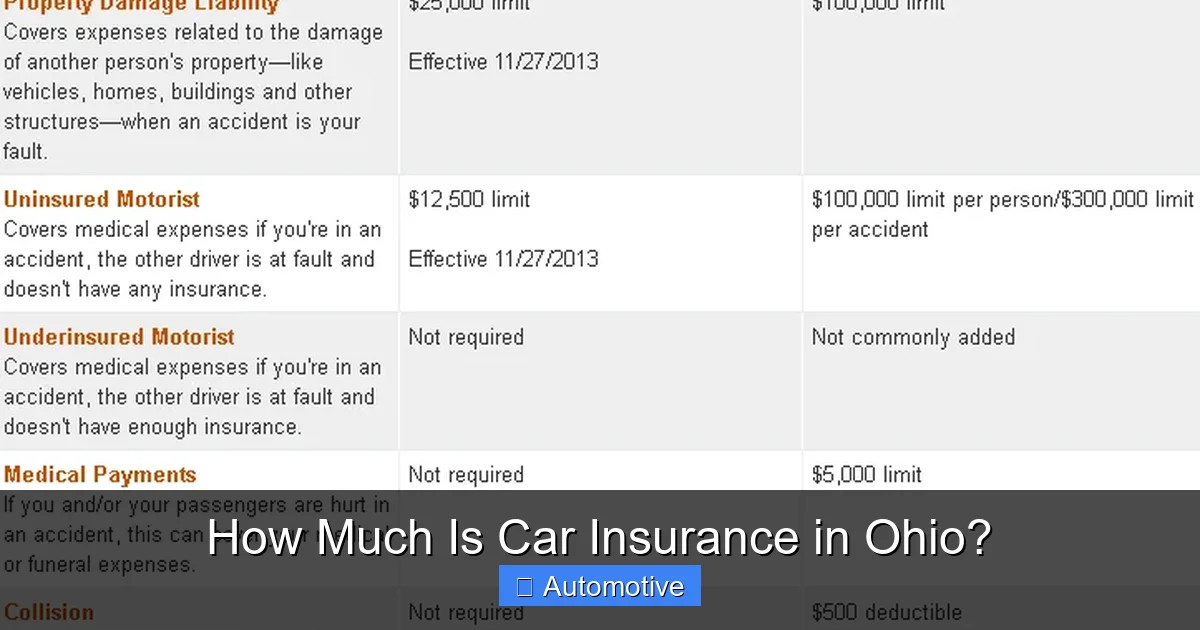
This covers medical expenses, lost wages, and legal fees if you’re at fault in an accident that injures someone else. Ohio requires a minimum of $25,000 per person and $50,000 per accident.
Visual guide about How Much Is Car Insurance in Ohio?
Image source: res.cloudinary.com
Property Damage Liability
This pays for damage you cause to another person’s property, such as their car, fence, or home. The state minimum is $25,000 per accident.
Uninsured/Underinsured Motorist Coverage
Ohio also requires uninsured motorist (UM) coverage with the same limits as your bodily injury liability: $25,000 per person and $50,000 per accident. This protects you if you’re hit by a driver who has no insurance or not enough to cover your damages.
While these are the legal minimums, many financial experts recommend purchasing more than the minimum—especially if you have assets to protect or drive frequently. A serious accident could easily exceed $25,000 in medical bills, and being underinsured could leave you paying out of pocket.
Average Car Insurance Rates in Ohio
So, how much is car insurance in Ohio on average? Let’s look at some real numbers based on recent data from insurers and state reports.
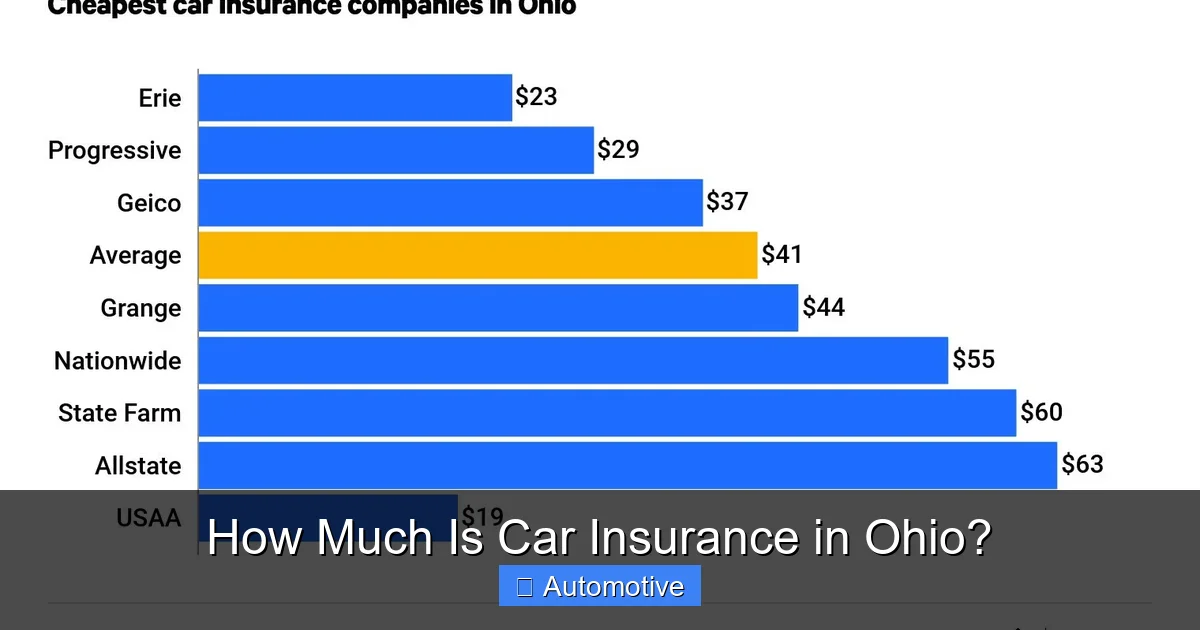
For full coverage—which includes liability, collision, comprehensive, and often uninsured motorist protection—the average annual premium in Ohio is about $1,500. That breaks down to roughly $125 per month. However, this is just an average. Some drivers pay as little as $900 per year, while others—especially younger or high-risk drivers—may pay over $3,000.
Minimum coverage, which meets only the state’s legal requirements, averages around $600 per year, or $50 per month. This is significantly cheaper but offers far less protection. If you’re on a tight budget, it might be tempting to go with minimum coverage, but remember: one major accident could cost you thousands in out-of-pocket expenses.
Here’s a quick breakdown of average annual premiums by coverage level:
– Minimum liability only: $500–$700
– Full coverage (standard): $1,200–$1,800
– Full coverage (high-risk driver): $2,000–$3,500+
Keep in mind that these are statewide averages. Your actual rate will depend on where you live, your age, your driving history, and more.
Factors That Affect Your Car Insurance Rate in Ohio
Your car insurance premium isn’t random. Insurers use a complex formula to calculate risk, and several key factors influence how much you’ll pay. Understanding these can help you make smarter decisions to lower your costs.
1. Your Driving Record
This is one of the biggest factors. A clean driving record with no accidents, tickets, or DUIs will get you the best rates. On the other hand, even one speeding ticket can increase your premium by 10–20%. A DUI? That could double your rate or more.
Visual guide about How Much Is Car Insurance in Ohio?
Image source: cdn.wallethub.com
Visual guide about How Much Is Car Insurance in Ohio?
Image source: wikitechy.com
For example, a 35-year-old driver with a clean record might pay $1,300 per year for full coverage. The same driver with a recent at-fault accident could see their rate jump to $1,800 or higher.
2. Age and Experience
Young drivers, especially those under 25, pay significantly more for car insurance. This is because statistics show they’re more likely to be involved in accidents. A 16-year-old driver in Ohio might pay $4,000 or more per year for full coverage.
Rates begin to drop around age 25 and continue to decrease with age and experience. Drivers in their 40s and 50s typically enjoy the lowest premiums, assuming they have a clean record.
3. Location Within Ohio
Where you live in Ohio makes a big difference. Urban areas like Cleveland, Columbus, and Cincinnati tend to have higher rates due to increased traffic, higher accident rates, and greater risk of theft or vandalism.
For instance, a driver in downtown Cleveland might pay $1,700 per year for full coverage, while someone in a rural area like Marietta or Ashland might pay closer to $1,100. Even within the same city, zip codes can affect your rate—some neighborhoods are considered higher risk than others.
4. Credit Score
Ohio allows insurance companies to use your credit-based insurance score when setting rates. Studies have shown a correlation between credit history and claim frequency, so insurers use this as a risk indicator.
If you have excellent credit (750+), you could save hundreds per year compared to someone with poor credit (below 600). Improving your credit score is one of the most effective long-term ways to reduce your insurance costs.
5. Type of Vehicle
The car you drive affects your premium. Sports cars, luxury vehicles, and models with high repair costs or theft rates typically cost more to insure. On the other hand, safe, reliable, and affordable cars like the Honda Civic or Toyota Camry often come with lower premiums.
For example, insuring a 2023 Ford Mustang might cost $200 more per year than insuring a 2023 Honda Accord, even for the same driver.
6. Coverage Level and Deductible
The more coverage you buy, the higher your premium. Full coverage with low deductibles (like $250) will cost more than minimum liability with a high deductible (like $1,000).
Choosing a higher deductible can lower your monthly payment, but remember: you’ll have to pay that amount out of pocket if you file a claim. It’s a trade-off between upfront cost and financial risk.
How to Save Money on Car Insurance in Ohio
Now that you know how much car insurance in Ohio costs and what affects your rate, let’s talk about how to save. There are several proven strategies to reduce your premium without cutting essential coverage.
Shop Around and Compare Quotes
One of the easiest ways to save is to get quotes from at least three different insurers. Prices can vary widely—sometimes by hundreds of dollars—for the same coverage. Use online comparison tools or work with an independent agent to find the best deal.
For example, one insurer might offer a $1,400 annual rate, while another offers the same coverage for $1,100. That’s a $300 savings just for comparing.
Take Advantage of Discounts
Most insurers offer a variety of discounts. Common ones in Ohio include:
- Safe driver discount: For maintaining a clean record over several years.
- Multi-policy discount: Bundling auto and home or renters insurance.
- Good student discount: For students with a B average or higher.
- Low mileage discount: If you drive fewer than 7,500 miles per year.
- Defensive driving course discount: Completing an approved safety course.
- Anti-theft device discount: For vehicles equipped with alarms or tracking systems.
Ask your insurer about available discounts—you might be missing out on savings you’ve already earned.
Raise Your Deductible
If you can afford to pay more out of pocket in the event of a claim, increasing your deductible from $500 to $1,000 can reduce your premium by 10–20%. Just make sure you have enough savings to cover the higher deductible if needed.
Maintain a Good Credit Score
Since Ohio allows credit-based pricing, improving your credit can lead to lower rates. Pay bills on time, reduce credit card balances, and check your credit report for errors.
Drive Safely and Avoid Claims
Every claim you file can increase your premium, sometimes for three to five years. For minor fender benders, consider paying out of pocket instead of filing a claim, especially if the repair cost is close to your deductible.
Consider Usage-Based Insurance
Some insurers offer programs that track your driving habits through a mobile app or device. If you drive safely—avoiding hard braking, speeding, and late-night driving—you could earn a discount of 10–20%.
Best Car Insurance Companies in Ohio
Not all insurers are created equal. Some offer better rates, customer service, or claims handling than others. Based on customer satisfaction, financial strength, and affordability, here are some of the top car insurance companies in Ohio:
State Farm
State Farm is the largest auto insurer in the U.S. and a popular choice in Ohio. They offer competitive rates, excellent customer service, and a wide range of discounts. Their mobile app makes managing your policy easy.
GEICO
Known for low rates and strong digital tools, GEICO is a great option for budget-conscious drivers. They often have some of the cheapest quotes for minimum and full coverage.
Progressive
Progressive offers flexible coverage options and innovative tools like Snapshot, their usage-based program. They’re especially good for high-risk drivers or those with past accidents.
American Family Insurance
This regional insurer is highly rated in the Midwest and offers personalized service. They have strong customer satisfaction scores and a variety of discounts.
Erie Insurance
Erie is a regional company with a strong presence in Ohio. They’re known for excellent claims service and competitive pricing, especially for safe drivers.
When choosing an insurer, don’t just look at price. Consider customer reviews, claims satisfaction, and how easy it is to file a claim or get support.
Special Considerations for Ohio Drivers
Ohio has a few unique factors that can affect your car insurance experience.
No-Fault vs. Tort System
Ohio operates under a “tort” system, meaning the at-fault driver’s insurance pays for damages in an accident. This is different from “no-fault” states, where each driver’s own insurance covers their injuries regardless of fault.
Because of this, liability coverage is especially important in Ohio. If you’re at fault in a serious accident, your liability limits could be tested.
Winter Weather and Road Conditions
Ohio winters can be harsh, with snow, ice, and freezing temperatures. These conditions increase the risk of accidents, especially in rural areas with less road maintenance.
Some insurers may adjust rates based on seasonal risk, and comprehensive coverage becomes more valuable to protect against weather-related damage like fallen trees or hail.
Teen Drivers and Graduated Licensing
Ohio has a graduated driver licensing (GDL) program for teens, which restricts nighttime driving and passenger limits for new drivers. While this helps reduce accidents, adding a teen to your policy will still increase your premium.
To offset the cost, look for good student discounts, encourage safe driving, and consider letting your teen drive an older, safer car.
Final Thoughts: Is Car Insurance in Ohio Worth It?
So, how much is car insurance in Ohio? On average, it’s affordable compared to national standards, but your personal rate depends on many factors. While you can’t control everything—like your age or where you live—you can take steps to reduce your premium and get the best value.
The key is to understand your coverage needs, shop around regularly, and take advantage of every discount available. Don’t just go with the first quote you get. A little research can save you hundreds of dollars a year.
And remember: the cheapest policy isn’t always the best. Make sure you’re getting adequate protection, especially if you have a family, own a home, or drive frequently. A few extra dollars a month could save you tens of thousands in the event of a serious accident.
Car insurance is more than a legal requirement—it’s a financial safety net. In a state like Ohio, where weather, traffic, and road conditions can be unpredictable, having the right coverage gives you peace of mind every time you get behind the wheel.
Frequently Asked Questions
How much is car insurance in Ohio per month?
On average, Ohio drivers pay between $100 and $150 per month for full coverage car insurance. Minimum coverage costs around $40 to $60 per month, depending on the driver and insurer.
Is car insurance cheaper in Ohio than other states?
Yes, Ohio is one of the more affordable states for car insurance. The average annual premium is lower than the national average, making it a cost-effective place to insure a vehicle.
Can I drive without car insurance in Ohio?
No. Ohio law requires all drivers to carry at least minimum liability and uninsured motorist coverage. Driving without insurance can result in fines, license suspension, and vehicle impoundment.
Do I need full coverage car insurance in Ohio?
Full coverage is not required by law, but it’s highly recommended if you have a newer car, a loan, or want protection against theft, weather, and accidents. It includes collision and comprehensive coverage.
How can I lower my car insurance premium in Ohio?
You can lower your premium by maintaining a clean driving record, improving your credit score, raising your deductible, bundling policies, and taking advantage of discounts like safe driver or good student.
Does my credit score affect my car insurance rate in Ohio?
Yes. Ohio allows insurers to use credit-based insurance scores when setting rates. Drivers with higher credit scores typically receive lower premiums, while those with poor credit may pay more.