
Can You Feed a Baby in a Car Seat?

Feeding a baby in a car seat is possible but comes with important safety considerations. While it may seem convenient during long drives, doing so improperly can pose risks like choking, airway obstruction, or reduced alertness. Always prioritize your baby’s safety by following expert guidelines and using proper feeding techniques when on the road.
Key Takeaways
- Safety First: Never feed a baby while the car is moving—always stop in a safe location to avoid choking hazards and ensure proper supervision.
- Proper Positioning Matters: Car seats recline, which can make swallowing difficult and increase the risk of aspiration; upright feeding is safer.
- Use Age-Appropriate Feeding Methods: Breastfeeding, bottle-feeding, or introducing solids should align with your baby’s developmental stage and be done safely.
- Avoid Prolonged Use of Car Seats: Babies should not stay in car seats for extended periods, even for feeding, as it can affect breathing and posture.
- Plan Ahead for Long Trips: Schedule feeding breaks every 2–3 hours to reduce discomfort and maintain routine, rather than feeding on the go.
- Choose the Right Gear: Use portable bottle warmers, spill-proof cups, and travel-friendly feeding accessories to make on-the-road feeding easier and safer.
- Consult Your Pediatrician: Always discuss feeding practices during travel with your child’s doctor, especially for newborns or babies with health concerns.
📑 Table of Contents
- Can You Feed a Baby in a Car Seat? A Complete Guide for Parents
- Understanding the Risks of Feeding in a Car Seat
- Safe Feeding Practices for Travel
- Best Feeding Tools and Accessories for Travel
- How Long Should Babies Stay in Car Seats?
- Expert Recommendations and Pediatric Guidelines
- Alternatives to Feeding in a Car Seat
- Conclusion: Prioritize Safety Over Convenience
Can You Feed a Baby in a Car Seat? A Complete Guide for Parents
As a parent, you’re constantly juggling responsibilities—work, errands, doctor visits, and family outings—all while keeping your baby safe, fed, and happy. One question that often comes up during travel is: *Can you feed a baby in a car seat?* It’s a practical concern, especially on long road trips or during unexpected delays. The short answer is yes, you *can* feed a baby in a car seat, but it’s not always the safest or most effective option.
Feeding your baby while traveling requires careful planning and awareness of potential risks. While it might seem convenient to offer a bottle or breastfeed while driving, doing so without proper precautions can lead to serious safety issues. From choking hazards to improper positioning, there are several factors to consider. This guide will walk you through everything you need to know about feeding your baby in a car seat—when it’s okay, when it’s not, and how to do it safely.
Whether you’re a new parent navigating your first road trip or a seasoned caregiver looking for best practices, this article will help you make informed decisions. We’ll cover safety guidelines, feeding methods, recommended gear, and expert advice to ensure your baby stays nourished and secure during travel. Let’s dive in.
Understanding the Risks of Feeding in a Car Seat
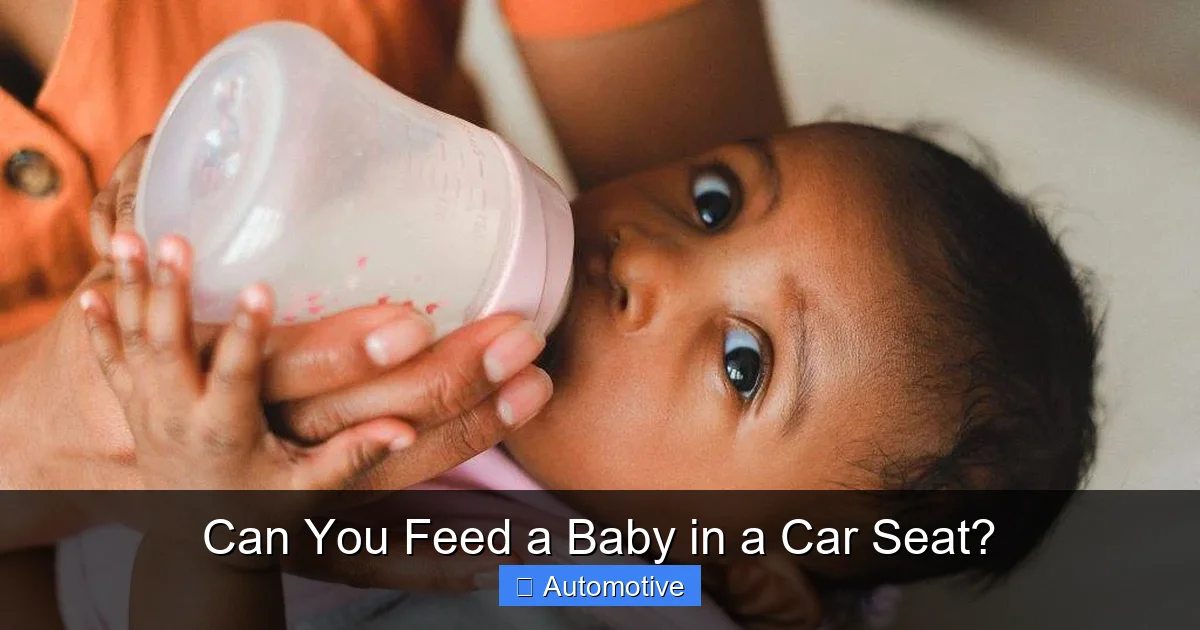
Visual guide about Can You Feed a Baby in a Car Seat?
Image source: anniebabymonitor.com
Feeding a baby in a car seat isn’t inherently dangerous, but it does come with risks that many parents overlook. The primary concern is the baby’s position. Most infant car seats are designed to recline at an angle to support safe breathing during travel. However, this same recline can make swallowing more difficult, especially for newborns or younger infants whose muscles are still developing.
When a baby is in a semi-reclined position, gravity works against them. Milk or formula can pool in the back of the throat, increasing the risk of choking or aspiration—when liquid enters the airway instead of the stomach. This is especially dangerous if the baby falls asleep mid-feed, as their reflexes may be less responsive.
Another risk is distraction. If you’re driving and trying to feed your baby at the same time, you’re not giving them your full attention. This can lead to overfeeding, spills, or missed cues that your baby is full or uncomfortable. Additionally, sudden stops or turns can cause the baby to jerk, which might result in choking or injury.
There’s also the issue of prolonged car seat use. The American Academy of Pediatrics (AAP) recommends that babies not stay in car seats for more than two hours at a time, even during travel. Extended time in a seated position can lead to positional asphyxia—a condition where the airway becomes compressed, making it hard to breathe. Feeding in the car seat can encourage longer periods of confinement, especially if the baby falls asleep after eating.
When Feeding in a Car Seat Is Especially Risky
Certain situations make feeding in a car seat particularly unsafe. For example, feeding a newborn under 3 months old in a car seat increases the risk of airway obstruction due to their underdeveloped neck muscles and limited head control. Similarly, babies with reflux or respiratory conditions may struggle more in a reclined position.
Feeding during high-speed travel or on bumpy roads also raises the risk of choking. The motion of the car can cause the baby to gulp air or milk too quickly, leading to discomfort or vomiting. And if you’re using a bottle, the nipple might not flow properly in a moving vehicle, causing the baby to suck harder and swallow more air.
Lastly, feeding in a car seat without supervision is a major no-no. Never leave your baby unattended while feeding, even for a moment. A distracted caregiver or a sudden stop could have serious consequences.
Safe Feeding Practices for Travel
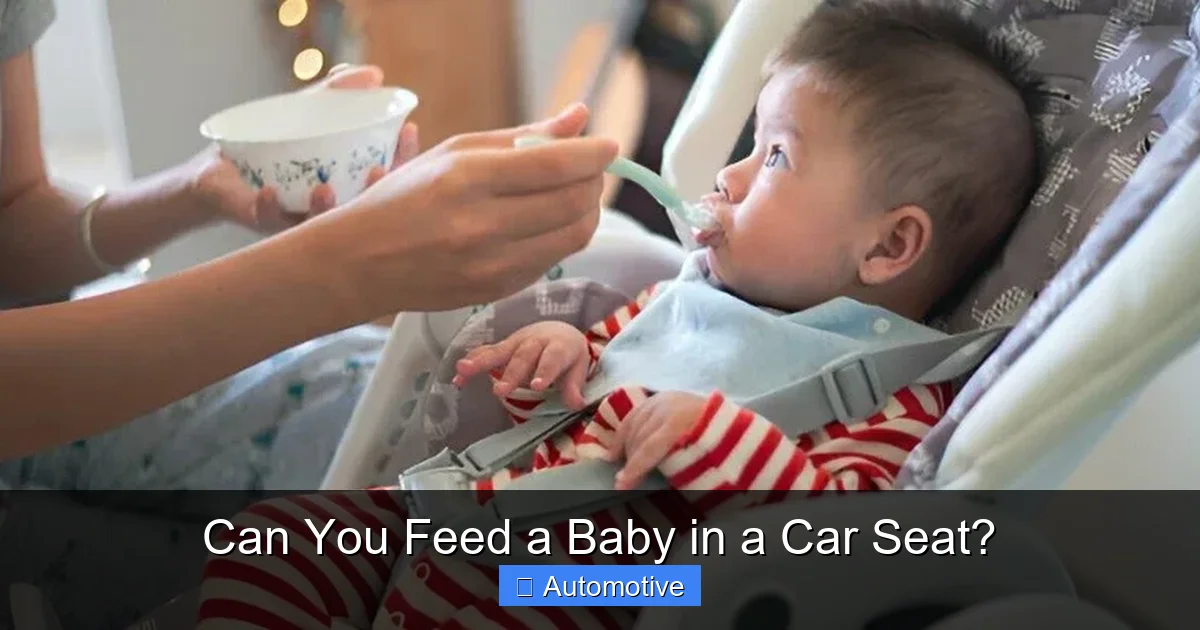
Visual guide about Can You Feed a Baby in a Car Seat?
Image source: motherhoodsbliss.com
The good news is that with the right approach, you *can* feed your baby safely during travel—just not necessarily *in* the car seat while the vehicle is moving. The key is to stop in a safe, secure location and use proper feeding techniques. Here’s how to do it right.
Stop the Car Before Feeding
Always pull over in a safe spot—like a rest area, parking lot, or quiet side street—before feeding your baby. This ensures you can focus entirely on your child without the distraction of driving. It also allows you to position the baby upright, which is crucial for safe swallowing.
When stopped, remove the baby from the car seat if possible. Holding them in your arms or using a portable high chair or booster seat in the backseat gives you better control and a more natural feeding position. If you must feed them in the car seat, make sure the vehicle is completely stationary and the baby is awake and alert.
Choose the Right Feeding Method
The method you use depends on your baby’s age and feeding preferences. For newborns and young infants, breastfeeding or bottle-feeding is typical. Breastfeeding offers the added benefit of skin-to-skin contact, which can be comforting during travel. If you’re bottle-feeding, use a slow-flow nipple to prevent overfeeding and reduce air intake.
For older babies who are starting solids, avoid feeding purees or finger foods in the car seat. These can easily become choking hazards if the baby coughs or moves suddenly. Instead, wait until you’re parked and use a travel high chair or sit them on your lap with a bib and small, safe snacks.
Maintain Proper Positioning
Whether you’re feeding in the car seat or holding your baby, keep their head and neck supported and their body slightly upright. Aim for a 45-degree angle or higher to help milk flow smoothly and reduce the risk of reflux. Avoid laying the baby flat, as this can cause milk to back up into the airway.
If you’re using a car seat, check that the recline angle is appropriate for feeding. Some car seats have adjustable bases or inserts that allow for a more upright position. However, never modify the car seat in a way that compromises its safety certification.
Watch for Cues and Take Breaks
Babies communicate their needs through cues. Watch for signs that your baby is hungry, full, or uncomfortable. If they turn away, close their mouth, or seem fussy, they may be done eating. Don’t force them to finish a bottle or meal.
Also, take short breaks during feeding to burp your baby. This helps release trapped air and prevents gas or spit-up. A quick burp break every 2–3 ounces (or halfway through breastfeeding) can make a big difference in comfort.
Best Feeding Tools and Accessories for Travel
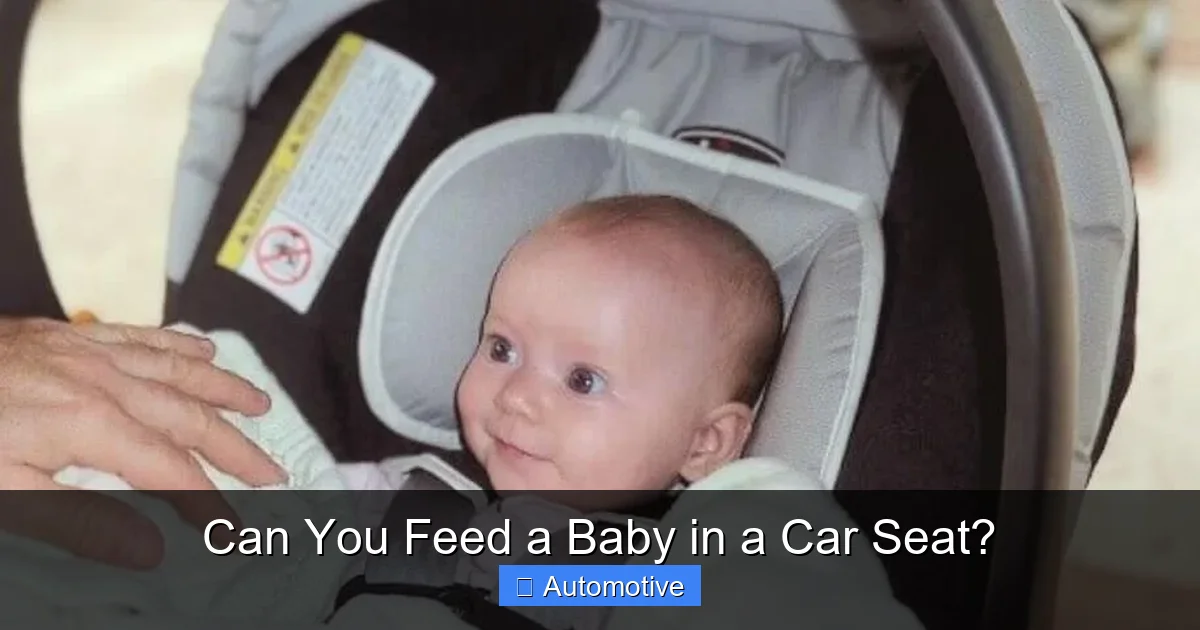
Visual guide about Can You Feed a Baby in a Car Seat?
Image source: kidecology.com
Having the right gear can make feeding on the go much easier and safer. Here are some must-have items for traveling parents:
Portable Bottle Warmers
If you’re using formula or pumped breast milk, a portable bottle warmer is a game-changer. These compact devices plug into your car’s cigarette lighter or USB port and warm bottles in minutes. Look for models with auto-shutoff features to prevent overheating.
Some popular options include the Baby’s Brew Portable Bottle Warmer and the Kiinde Twist Warmer. These are lightweight, easy to use, and perfect for road trips.
Insulated Bottle Bags
Keep bottles cold or warm with an insulated travel bag. These bags fit standard bottles and often have extra pockets for pacifiers, bibs, or wipes. The Tommee Tippee Closer to Nature Travel Bag and the Munchkin Latch Travel Bag are great choices.
For breastfed babies, a small cooler bag with ice packs can store expressed milk safely for up to 24 hours.
Spill-Proof Cups and Sippy Cups
Once your baby is ready for cups, opt for spill-proof designs with soft spouts or straws. These reduce mess and are easier to use in a moving vehicle—though remember, feeding should still happen when the car is stopped.
The NUK Learner Cup and the Munchkin Miracle 360 Cup are excellent for toddlers transitioning from bottles.
Travel High Chairs and Booster Seats
For older babies eating solids, a portable high chair or booster seat can be a lifesaver. These attach to most chairs and provide a safe, stable place to eat. The Fisher-Price SpaceSaver High Chair and the Chicco Pocket Snack Booster are compact and easy to clean.
Bibs and Wipe Holders
Messy eaters need protection! Bring along a few absorbent bibs and a travel-sized wipe container. Silicone bibs with crumb catchers are ideal for catching dropped food.
How Long Should Babies Stay in Car Seats?
One of the most important rules for infant safety is limiting time in car seats. The AAP advises that babies should not remain in car seats for more than two hours at a time, even during long trips. This includes time spent feeding, sleeping, or simply riding.
Prolonged use of car seats can lead to:
– Positional asphyxia (difficulty breathing due to posture)
– Flat head syndrome (plagiocephaly) from pressure on one side of the head
– Reduced blood flow to the legs
– Increased risk of SIDS (Sudden Infant Death Syndrome) in very young infants
To minimize these risks, plan your travel schedule around your baby’s needs. Take breaks every 1–2 hours to let them stretch, move, and feed in a safe, upright position. Use these stops to change diapers, offer tummy time, or simply hold your baby.
If you’re on a long road trip, consider breaking up the journey over multiple days or traveling during your baby’s natural sleep times. This reduces the need for extended car seat use and helps maintain their routine.
Expert Recommendations and Pediatric Guidelines
Pediatricians and child safety experts agree: feeding in a car seat is not ideal, but it can be done safely with precautions. The AAP emphasizes that the safest place for a baby to eat is in a caregiver’s arms or a proper high chair, not a car seat.
Dr. Sarah Johnson, a pediatrician at Children’s Health Network, explains: “Car seats are designed for travel safety, not for feeding or extended use. While it’s okay to feed a baby in a car seat during a short stop, it should never replace proper mealtime practices.”
The National Highway Traffic Safety Administration (NHTSA) also warns against feeding while driving, citing increased risk of distraction and choking. They recommend pulling over and removing the child from the seat whenever possible.
For babies with medical conditions—such as reflux, prematurity, or heart defects—consult your pediatrician before traveling. These infants may require special positioning or feeding schedules that aren’t compatible with car seat use.
Tips from Experienced Parents
Many parents have found creative ways to balance feeding and travel. Here are a few tried-and-true tips:
– Pack a “feeding kit” with bottles, bibs, wipes, and a small blanket.
– Use a nursing cover for privacy during breastfeeding stops.
– Bring a favorite toy or book to keep your baby calm during feeding breaks.
– Plan your route around rest areas with baby-changing stations.
– Keep snacks and drinks for older siblings to minimize distractions.
Alternatives to Feeding in a Car Seat
If you’re concerned about feeding in a car seat, there are safer alternatives. Consider these options:
Feed Before or After the Trip
Whenever possible, feed your baby right before leaving home or immediately after arriving. This reduces the need for mid-travel feeding and ensures they’re comfortable and alert during the ride.
Use a Stroller for Short Trips
For local errands or short drives, consider using a stroller instead of a car seat. Many strollers recline fully and allow for safe, upright feeding. You can also attach a portable bottle holder or snack tray.
Take Advantage of Drive-Thrus and Takeout
If you’re traveling with older babies or toddlers, stop at family-friendly restaurants with high chairs. This gives everyone a chance to eat, stretch, and relax.
Use a Baby Carrier for Quick Feeds
For breastfeeding moms, a baby carrier or wrap allows you to feed your baby while standing or walking—perfect for rest stops or parking lots. Just make sure the carrier supports proper head and neck alignment.
Conclusion: Prioritize Safety Over Convenience
So, can you feed a baby in a car seat? Yes—but only under the right conditions and with strict safety measures. The convenience of feeding on the go should never outweigh your baby’s health and well-being.
Always stop the car, ensure proper positioning, and use age-appropriate feeding methods. Avoid prolonged car seat use, and never feed a baby while driving. With planning, the right tools, and a focus on safety, you can keep your baby nourished and happy during travel.
Remember, every parent wants what’s best for their child. By following these guidelines, you’re not just feeding your baby—you’re protecting them. Safe travels!
Frequently Asked Questions
Is it safe to feed a baby in a car seat while driving?
No, it is not safe to feed a baby in a car seat while the vehicle is moving. Doing so increases the risk of choking, distraction, and improper positioning. Always stop the car in a safe location before feeding.
Can I breastfeed my baby in a car seat?
You can breastfeed in a car seat if the vehicle is stopped and the baby is properly positioned. However, it’s safer and more comfortable to hold your baby in your arms or use a nursing cover during a break.
How long can a baby safely stay in a car seat?
The American Academy of Pediatrics recommends that babies not stay in car seats for more than two hours at a time, even during travel. Take regular breaks to let them move and feed upright.
What should I do if my baby falls asleep while feeding in the car?
If your baby falls asleep mid-feed, gently finish the feeding if needed, then burp them and place them back in the car seat only if you’re continuing the trip. Never let a sleeping baby remain in a car seat for extended periods.
Are there car seats designed for feeding?
No car seat is specifically designed for feeding. All infant car seats are built for travel safety. For feeding, use a high chair, booster seat, or hold your baby in your arms when stopped.
Can I give my baby solid food in a car seat?
It’s not recommended to give solid food in a car seat due to choking risks. Wait until you’re parked and use a travel high chair or hold your baby upright with safe, age-appropriate snacks.