
How to Stop a Car from Overheating

Overheating can damage your engine and leave you stranded. This guide shows you how to stop a car from overheating with simple checks, maintenance tips, and emergency steps. From coolant levels to radiator care, we cover everything you need to keep your engine cool and running smoothly.
Key Takeaways
- Check coolant levels regularly: Low coolant is the most common cause of overheating. Top it off with the right mix of antifreeze and water.
- Inspect the radiator and hoses: Look for leaks, cracks, or blockages that can restrict coolant flow and lead to overheating.
- Watch the temperature gauge: If it climbs into the red, pull over safely and turn off the engine to prevent serious damage.
- Replace the thermostat if faulty: A stuck-closed thermostat blocks coolant flow, causing rapid overheating.
- Maintain the cooling fan: Ensure electric or mechanical fans kick on when the engine gets hot—especially in traffic.
- Use the heater in emergencies: Turning on the heater can help draw heat away from the engine if you’re stuck with no coolant.
- Schedule regular maintenance: Flushing the cooling system every 30,000 to 50,000 miles prevents buildup and keeps things running cool.
📑 Table of Contents
Why Cars Overheat: Understanding the Basics
Your car’s engine produces a lot of heat—enough to melt metal if left unchecked. That’s why every vehicle has a cooling system designed to keep temperatures in a safe range. But when something goes wrong, that heat can build up fast, leading to overheating. And overheating isn’t just annoying—it can warp engine parts, blow head gaskets, or even cause a complete engine failure.
So, how do you stop a car from overheating? It starts with understanding what causes it in the first place. Most overheating issues stem from problems in the cooling system: low coolant, a broken water pump, a clogged radiator, or a faulty thermostat. Other factors like driving in extreme heat, towing heavy loads, or idling for long periods can also push your engine past its limits. The good news? Most of these issues are preventable with regular care and attention.
How the Cooling System Works
Think of your car’s cooling system like a circulatory system. The engine is the heart, and coolant (a mix of antifreeze and water) is the blood. As the engine runs, coolant flows through passages in the engine block, absorbing heat. It then travels to the radiator, where air passing through cools it down before it cycles back. A water pump keeps the coolant moving, while a thermostat regulates the flow based on engine temperature.
The radiator fan helps by pulling air through the radiator when the car is moving slowly or stopped. If any part of this system fails—like a leak, a broken pump, or a stuck thermostat—the coolant can’t do its job, and the engine starts to overheat. That’s why knowing how this system works is the first step in learning how to stop a car from overheating.
Common Signs Your Car Is Overheating
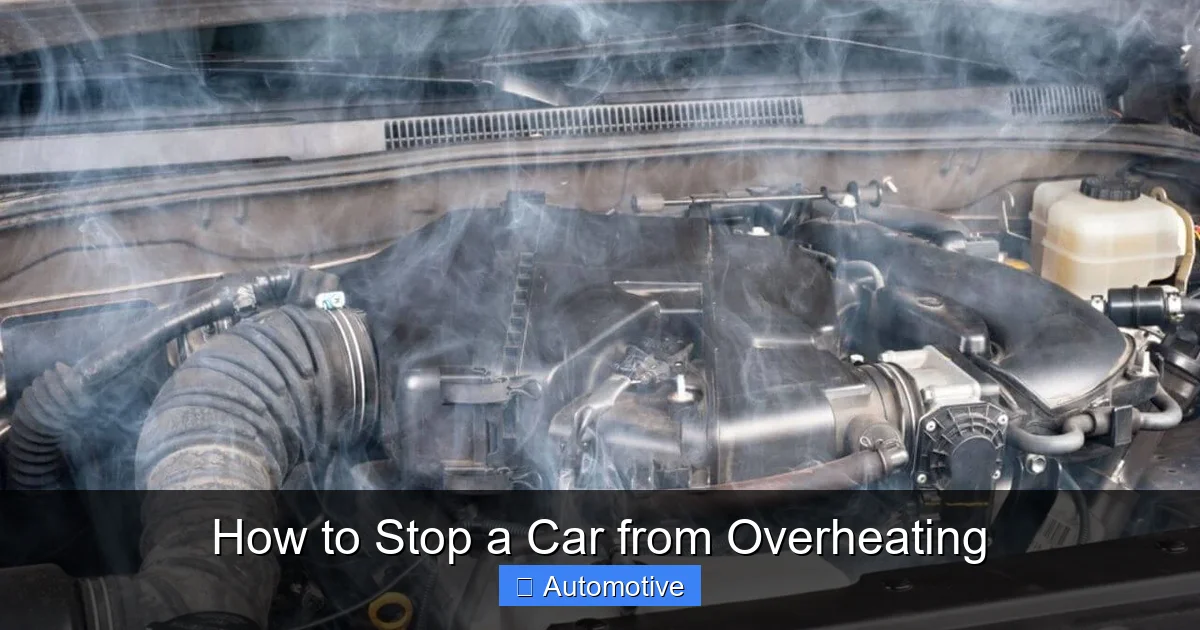
You don’t have to wait for steam pouring from under the hood to know something’s wrong. Most cars give clear warning signs before things get serious. The most obvious is the temperature gauge on your dashboard. If it starts climbing toward the red zone, take it seriously—don’t ignore it.
Visual guide about How to Stop a Car from Overheating
Image source: blog.autochek.africa
Other signs include a sweet smell (from leaking coolant), steam or smoke from the engine bay, or a knocking sound from the engine. You might also notice reduced power, the heater not working, or warning lights like the check engine or coolant light. If you see any of these, pull over as soon as it’s safe and turn off the engine.
What to Do If Your Car Starts Overheating
If your temperature gauge spikes, don’t panic—but don’t keep driving. Pull over to a safe spot, turn off the engine, and let it cool for at least 15 to 30 minutes. Never open the radiator cap while the engine is hot—it’s under pressure and can spray scalding coolant.
Once the engine is cool, check the coolant level in the overflow tank or radiator (if accessible). If it’s low, add a 50/50 mix of antifreeze and water if you have it. If not, plain water will work in a pinch—just remember to replace it with the proper mix later. If you’re low on coolant, there’s likely a leak somewhere, so get it checked ASAP.
In an emergency, turning on the heater can help. It sounds odd, but the heater pulls heat from the engine and blows it into the cabin. It won’t fix the problem, but it can buy you a few extra minutes to get to safety or call for help.
How to Prevent Overheating: Routine Maintenance Tips
The best way to stop a car from overheating is to stop it from happening in the first place. Regular maintenance is your first line of defense. Start with checking your coolant level every month. Look for the coolant reservoir under the hood—it’s usually a translucent plastic tank with “MIN” and “MAX” markings. If the level is below “MIN,” top it off.
Visual guide about How to Stop a Car from Overheating
Image source: cgdirector.com
But don’t just add coolant blindly. Use the type recommended in your owner’s manual. Mixing different types can cause chemical reactions that clog the system. Most cars use a 50/50 mix of antifreeze and distilled water. Never use tap water—minerals can build up and cause corrosion.
Inspect Hoses and Belts
Coolant flows through rubber hoses that can crack, swell, or leak over time. Check them monthly for soft spots, bulges, or leaks. If a hose feels brittle or leaks, replace it. The drive belt (or serpentine belt) powers the water pump—if it breaks, coolant stops flowing, and overheating happens fast. Listen for squealing or look for cracks and fraying.
Check the Radiator
The radiator is where coolant releases heat. Make sure it’s clean and free of debris like leaves, bugs, or dirt. A clogged radiator can’t cool properly. Use a garden hose to gently spray the fins from the back to remove buildup. Also, look for leaks or rust—these are signs it may need repair or replacement.
Test the Thermostat
The thermostat controls when coolant flows to the radiator. If it gets stuck closed, coolant can’t circulate, and the engine overheats. A simple test: start a cold engine and feel the upper radiator hose. After a few minutes, it should get warm as the thermostat opens. If it stays cold while the engine overheats, the thermostat may be faulty.
Maintain the Water Pump
The water pump keeps coolant moving. A failing pump may leak coolant or make a whining noise. If you see coolant dripping from the front of the engine or hear unusual sounds, have it inspected. Replacing a water pump is more involved, so catch it early.
Flush the Cooling System
Over time, rust, scale, and debris can build up in the cooling system, blocking flow and reducing efficiency. Most manufacturers recommend flushing the system every 30,000 to 50,000 miles or every 2 to 5 years. A professional flush removes old coolant and cleans the radiator, hoses, and engine passages. It’s a small cost compared to engine repairs.
Emergency Fixes When You’re on the Road
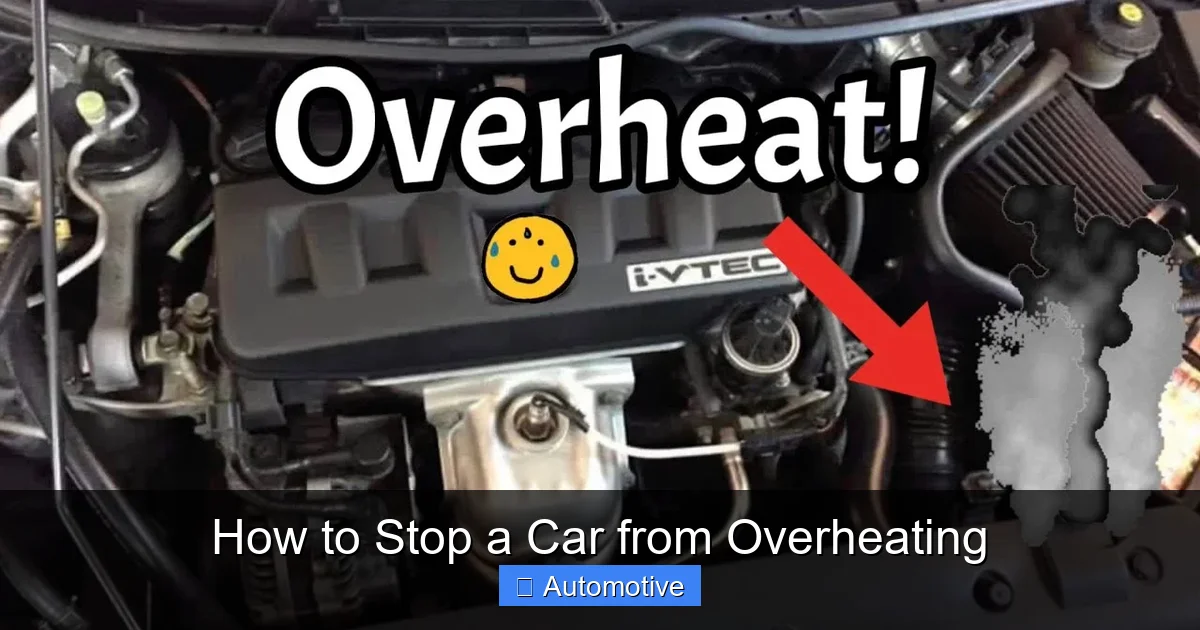
Even with good maintenance, overheating can still happen. Maybe you missed a leak, or the thermostat failed without warning. If you’re driving and notice the temperature rising, act fast.
Visual guide about How to Stop a Car from Overheating
Image source: i.ytimg.com
First, turn off the air conditioning. It puts extra load on the engine and can make overheating worse. Then, turn on the heater to full blast. As mentioned earlier, this pulls heat away from the engine and can help lower temperatures slightly.
If you’re in traffic or moving slowly, shift to neutral and rev the engine gently. This increases coolant flow and can help the radiator fan kick in. But don’t rev too high—you don’t want to cause more damage.
What to Do If You Run Out of Coolant
If your coolant is low or empty, you may need to add fluid to keep going. If you have coolant with you, add it to the reservoir or radiator (once cool). If not, plain water will work temporarily. Avoid using soda, juice, or other liquids—they can damage the system.
After adding fluid, start the engine and let it idle. Watch the temperature gauge. If it starts to drop, you may be able to drive slowly to a repair shop. But if it keeps climbing, stop and call for help. Driving with an overheating engine can cause thousands in damage.
When to Call a Tow Truck
Sometimes, the safest move is to stop. If your car overheats repeatedly, if you see steam or smoke, or if the engine makes knocking sounds, don’t risk it. Call a tow truck and get it to a mechanic. Continuing to drive can warp the cylinder head, crack the engine block, or destroy the head gasket—repairs that can cost more than the car is worth.
Advanced Tips for High-Performance and Older Vehicles
Some cars are more prone to overheating than others. High-performance vehicles, older models, and cars used for towing or off-roading face extra stress. If you drive one of these, you need extra precautions.
For performance cars, consider upgrading to a high-flow radiator or an electric fan with a higher CFM rating. These improve cooling under heavy load. Also, use a high-quality coolant designed for high temperatures.
Older cars may have worn parts that are more likely to fail. If your car is over 10 years old, inspect the cooling system more often. Replace hoses and the thermostat proactively—don’t wait for a failure.
Towing and Overheating
Towing puts a huge strain on your engine and cooling system. The extra weight means more heat, and slow speeds reduce airflow through the radiator. If you tow regularly, install an auxiliary transmission cooler and use a coolant with better heat resistance. Also, avoid steep hills when possible, and take breaks to let the engine cool.
Off-Road and Extreme Conditions
Driving in desert heat or dusty off-road trails can clog radiators and reduce cooling. Carry extra coolant and a way to clean the radiator (like a brush or compressed air). Consider a radiator guard to protect against rocks and debris.
When to See a Mechanic
Some overheating issues are simple fixes—like topping off coolant or replacing a hose. But others need professional help. If your car overheats even with full coolant, or if you see coolant leaks, strange noises, or warning lights, see a mechanic right away.
A mechanic can pressure-test the cooling system to find hidden leaks, check the water pump, and test the thermostat and radiator cap. They can also perform a combustion leak test to see if exhaust gases are getting into the coolant—a sign of a blown head gasket.
Don’t ignore recurring overheating. It’s not just an inconvenience—it’s a warning that something serious is wrong. Catching it early can save you from costly repairs down the road.
Final Thoughts: Stay Cool and Drive Safe
Learning how to stop a car from overheating isn’t just about fixing problems—it’s about preventing them. With regular checks, proper maintenance, and smart driving habits, you can keep your engine cool and your car running smoothly. Remember: a little attention now can prevent a big breakdown later.
Keep an eye on your temperature gauge, listen to your car, and don’t ignore warning signs. Carry coolant and a basic toolkit in your car, especially on long trips. And if something feels off, don’t hesitate to get it checked. Your engine—and your wallet—will thank you.
Frequently Asked Questions
What should I do if my car starts overheating while driving?
Pull over safely, turn off the engine, and let it cool for 15–30 minutes. Never open the radiator cap while hot. Check coolant levels once cool and add a 50/50 mix of antifreeze and water if low. If the problem persists, call for help.
Can I drive my car if it’s overheating?
No. Driving with an overheating engine can cause severe damage like warped cylinder heads or blown head gaskets. Pull over immediately and let the engine cool. Only continue if the temperature drops and you’ve added coolant.
Why is my car overheating but the coolant level is fine?
This could be due to a faulty thermostat, water pump, or radiator fan. Air pockets in the cooling system or a clogged radiator can also cause overheating even with full coolant. Have a mechanic inspect the system.
How often should I check my coolant?
Check your coolant level at least once a month. Also inspect hoses, belts, and the radiator during routine maintenance. Flush the cooling system every 30,000 to 50,000 miles or as recommended in your owner’s manual.
Can low oil cause overheating?
Yes. Oil helps cool engine parts by reducing friction and carrying away heat. Low or dirty oil can lead to increased engine temperatures and contribute to overheating. Check oil levels regularly and change it on schedule.
Is it safe to use water instead of coolant in an emergency?
Yes, but only temporarily. Plain water can be used to top off the system in a pinch, but it lacks antifreeze protection and can cause corrosion. Replace it with the proper coolant mix as soon as possible.