
Key Fob Unlocks but Won’t Start Car

If your key fob unlocks the doors but won’t start the car, it’s often a sign of a weak battery, signal interference, or a failing immobilizer system. This frustrating issue can usually be resolved with simple troubleshooting steps or professional diagnostics.
Imagine this: You’re running late for work, you press the unlock button on your key fob, and—thankfully—the car doors pop open. You slide into the driver’s seat, press the start button, and… nothing. The dashboard lights up, but the engine won’t turn over. You try again. Still nothing. Your key fob clearly works—it unlocked the car—but it won’t start the engine. Sound familiar?
This is one of the most frustrating automotive issues drivers face today. It’s not just inconvenient; it can leave you stranded, confused, and worried about expensive repairs. The good news? In most cases, the problem isn’t as serious as it seems. Modern vehicles rely heavily on electronic systems, and when something goes wrong, it’s often a small glitch rather than a major mechanical failure.
The phrase “key fob unlocks but won’t start car” describes a specific scenario where the remote function of the key fob works perfectly—doors unlock, trunk opens, lights flash—but the engine refuses to start when you press the ignition button or turn the key. This disconnect between unlocking and starting points to a breakdown in communication between the key fob and the vehicle’s engine control unit (ECU), often due to power, signal, or security issues.
Key Takeaways
- Dead or weak key fob battery: A low battery may still allow door unlocking but not transmit the stronger signal needed to start the engine.
- Signal interference from electronics: Devices like phones, power lines, or other key fobs can block the fob’s signal to the car’s receiver.
- Faulty immobilizer system: The car’s security system may not recognize the fob’s chip, preventing ignition even if doors unlock.
- Damaged key fob or internal circuitry: Physical damage or moisture can disrupt the fob’s ability to communicate with the vehicle.
- Car battery issues: A weak car battery may not power the ignition system properly, even if the fob signal is received.
- Incorrect fob programming: Aftermarket or replacement fobs may not be properly synced with the vehicle’s system.
- Steering wheel lock or gear shift issues: Mechanical problems unrelated to the fob can mimic a no-start condition.
📑 Table of Contents
Why Does the Key Fob Unlock but Not Start the Car?
At first glance, it might seem like the key fob is half-working. But in reality, unlocking and starting the car are two separate functions that rely on different levels of signal strength and system verification. Unlocking the doors typically requires a low-power signal that can still function even with a weak battery. Starting the engine, however, demands a stronger, more secure communication between the fob and the car’s immobilizer system.
Modern key fobs use radio frequency (RF) signals to communicate with the vehicle. When you press the unlock button, the fob sends a short-range signal that the car’s receiver picks up. This signal is relatively simple and doesn’t require much power. But when you try to start the car, the system performs a more complex handshake: the fob must transmit a unique encrypted code that matches the one stored in the car’s immobilizer. If this code isn’t received or recognized, the engine won’t start—even if the doors are unlocked.
This dual-function design is intentional. It allows you to access your vehicle in an emergency (like if you’re locked out) while still protecting against theft. But it also means that a fob with just enough power to unlock the doors might not have enough juice to complete the more demanding start-up process.
Common Causes Behind the Problem
Several factors can cause a key fob to unlock the car but fail to start it. Understanding these helps narrow down the issue and find the right fix.
One of the most frequent culprits is a weak or dying key fob battery. Even if the battery has enough power to send a signal for unlocking, it may not sustain the stronger transmission needed for ignition. This is especially common in older fobs or those used frequently.
Another possibility is signal interference. Electronic devices like smartphones, tablets, or even other key fobs nearby can create radio noise that blocks or distorts the fob’s signal. This is why some people find that moving their phone away from the fob or holding the fob directly against the start button helps.
The car’s immobilizer system itself could also be at fault. This security feature is designed to prevent unauthorized starts by verifying the fob’s identity. If the system malfunctions—due to a software glitch, damaged antenna, or faulty sensor—it may reject a valid fob.
Physical damage to the key fob is another factor. Dropping the fob, exposing it to water, or general wear and tear can damage internal components, including the antenna or circuit board. Even a small crack can disrupt signal transmission.
Finally, issues with the car’s own electrical system—like a weak 12-volt battery—can prevent the ignition system from receiving enough power to start the engine, even if the fob signal is received correctly.
Diagnosing the Issue: Step-by-Step Troubleshooting
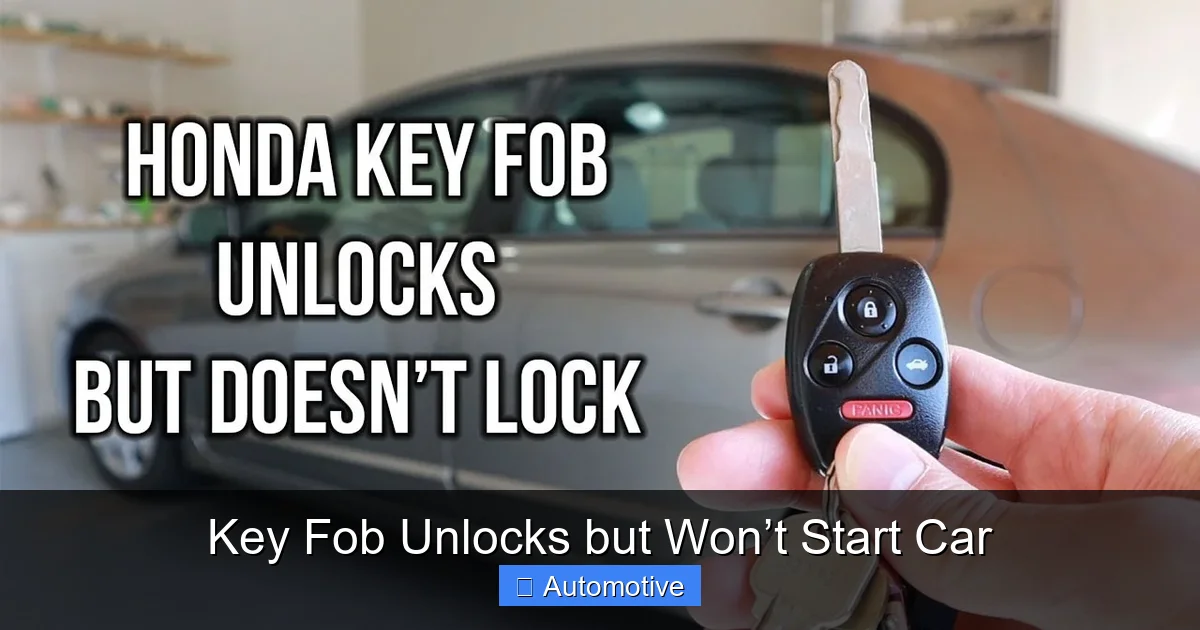
Visual guide about Key Fob Unlocks but Won’t Start Car
Image source: carglassadvisor.com
When your key fob unlocks but won’t start the car, don’t panic. Start with these simple diagnostic steps to identify the root cause.
Step 1: Check the Key Fob Battery
The first thing to check is the battery in your key fob. Most fobs use a small coin-cell battery, like a CR2032. Over time, these batteries lose charge, especially if the fob is used frequently or left near heat sources.
To test the battery, try using the fob in different locations. If it works better when held close to the start button or near the steering column, that’s a strong sign the battery is weak. Some vehicles have a low-battery warning light on the dashboard, but not all do.
You can also use a multimeter to check the battery voltage. A healthy CR2032 should read around 3 volts. If it’s below 2.7 volts, it’s likely too weak to power the start function.
Replacing the battery is usually straightforward. Most fobs have a small screw or snap-open design. Be careful not to lose any small parts, and make sure the new battery is inserted with the correct polarity.
Step 2: Try the Physical Key or Backup Method
Many modern key fobs have a hidden physical key blade that can be used to unlock the door manually. Once inside, some vehicles allow you to start the car by placing the fob directly against the start button or in a designated slot, even with a dead battery.
This method uses inductive coupling—the car sends a small electrical charge to the fob’s chip, allowing it to transmit its code without relying on its own battery. If this works, it confirms the fob’s chip is functional and the issue is likely battery-related.
Check your owner’s manual for the exact procedure. For example, in some Honda models, you press the fob against the start button while pressing the brake. In Ford vehicles, you might need to insert the fob into a special slot near the steering column.
Step 3: Eliminate Signal Interference
Electromagnetic interference (EMI) can block the fob’s signal, especially in urban areas with lots of electronic devices. Common sources include:
– Smartphones or tablets in your pocket or on the dashboard
– Power lines or transformers nearby
– Other key fobs (like a spouse’s or coworker’s) in close proximity
– Aftermarket electronics like dash cams or radar detectors
To test for interference, try starting the car in a different location—like a quiet parking lot or your driveway. If it works there but not in your usual spot, interference is likely the cause.
You can also try removing your phone, turning off other electronics, or holding the fob away from metal objects. Some drivers find that placing the fob in a Faraday pouch (a signal-blocking bag) temporarily resolves the issue by resetting the signal path.
Step 4: Inspect the Fob for Physical Damage
Look closely at your key fob for signs of damage. Cracks, dents, or water stains can indicate internal problems. Even if the fob appears fine externally, moisture or impact may have damaged the circuit board or antenna.
If you suspect water damage, try drying the fob thoroughly. Remove the battery, shake out any moisture, and let it sit in a dry place for 24–48 hours. You can also use silica gel packets to absorb moisture.
For physical damage, consider having the fob inspected by a professional. In some cases, the internal components can be repaired, but often a replacement is needed.
Step 5: Test the Car Battery
A weak car battery can prevent the ignition system from receiving enough power to start the engine, even if the fob signal is received. Symptoms of a weak car battery include:
– Dim headlights or interior lights
– Slow cranking when starting
– Dashboard warning lights
– Electrical components behaving erratically
Use a multimeter to check the car battery voltage. A healthy battery should read around 12.6 volts when the car is off and 13.7–14.7 volts when the engine is running. If it’s below 12 volts, the battery may need charging or replacement.
Jump-starting the car can help determine if the issue is battery-related. If the car starts after a jump, the battery is likely the culprit.
Advanced Causes and Professional Solutions
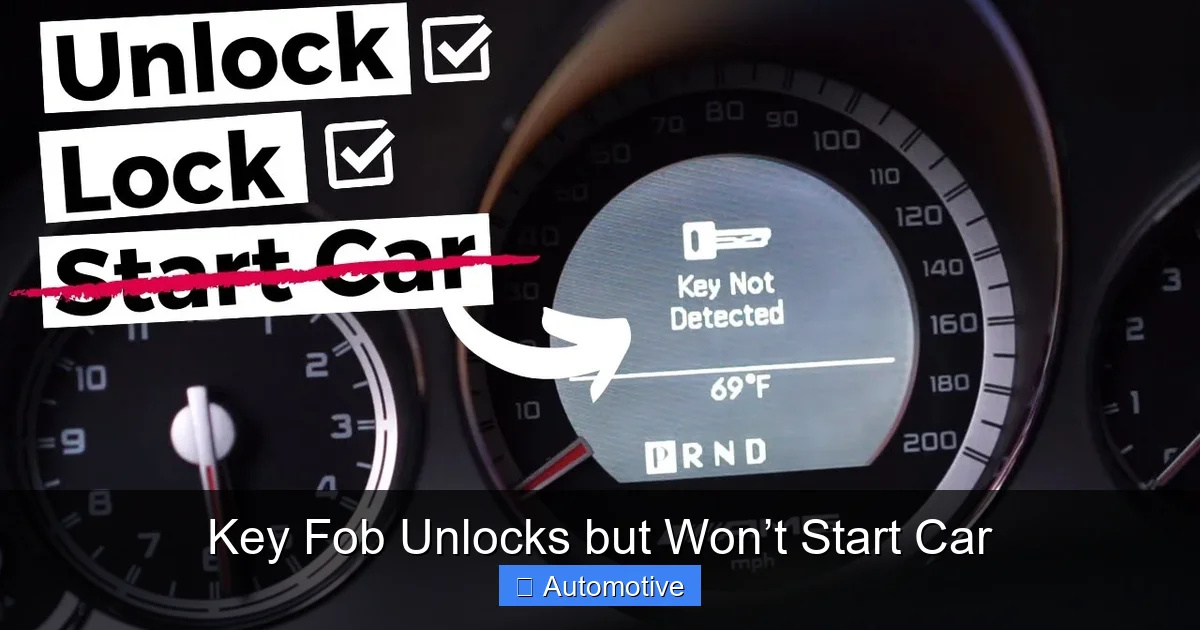
Visual guide about Key Fob Unlocks but Won’t Start Car
Image source: motorcarnutglass.com
If basic troubleshooting doesn’t resolve the issue, the problem may lie deeper in the vehicle’s electronic systems.
Immobilizer System Malfunction
The immobilizer is a critical security feature that prevents the engine from starting unless it recognizes the key fob’s unique code. If the immobilizer system fails, it may reject a valid fob, even if the doors unlock.
Common signs of an immobilizer issue include:
– A flashing security light on the dashboard
– The engine cranks but won’t start
– The fob works intermittently
Diagnosing immobilizer problems usually requires specialized tools and software. A mechanic or dealership can scan the system for error codes and check the status of the fob’s transponder chip.
In some cases, the immobilizer antenna (located around the ignition switch) may be damaged or misaligned. This small coil reads the fob’s signal when it’s near the start button. If it’s broken, the car won’t detect the fob.
Faulty Key Fob or Transponder Chip
Even with a good battery, a damaged or malfunctioning transponder chip can prevent the car from starting. The chip is a small electronic component inside the fob that stores the encryption code.
If the chip is damaged—due to impact, moisture, or age—it may not transmit the correct signal. This can happen even if the fob’s buttons still work for unlocking.
Replacing a faulty transponder chip often requires reprogramming the fob to match the vehicle’s system. This is typically done at a dealership or by a locksmith with automotive expertise.
Software or Programming Issues
Modern vehicles rely on complex software to manage key fob communication. Glitches, updates, or corrupted data can disrupt the handshake between the fob and the car.
For example, after a software update, the car may “forget” the fob’s code, requiring reprogramming. Similarly, a power surge or dead battery can reset the system and cause communication errors.
In these cases, a professional diagnostic scan can identify software-related issues and restore proper function.
Wiring or Antenna Problems
The car’s receiver antenna, which picks up the fob’s signal, is usually located near the ignition or in the steering column. If this antenna is damaged, disconnected, or corroded, it may not detect the fob properly.
Wiring issues—such as frayed cables or loose connections—can also disrupt signal transmission. These problems are often found during routine maintenance or after accidents.
A mechanic can inspect the antenna and wiring harness for damage and repair or replace components as needed.
Prevention and Maintenance Tips
Visual guide about Key Fob Unlocks but Won’t Start Car
Image source: cimg1.ibsrv.net
Preventing key fob issues starts with regular maintenance and smart habits.
Replace the Key Fob Battery Regularly
Don’t wait for the battery to die completely. Most manufacturers recommend replacing the key fob battery every 1–2 years, depending on usage. Keep a spare battery in your glove compartment so you’re prepared.
When replacing the battery, use the correct type and handle the fob carefully to avoid damaging internal components.
Protect the Fob from Damage
Avoid dropping the fob or exposing it to extreme temperatures, moisture, or chemicals. Store it in a protective case or pouch when not in use.
Keep the fob away from metal objects, which can block signals. Avoid placing it near your phone or other electronics when trying to start the car.
Use the Fob Properly
Press the buttons firmly but gently. Repeated hard pressing can wear out the contacts inside the fob.
If your car has a backup start method (like holding the fob to the start button), familiarize yourself with it before an emergency occurs.
Keep the Car Battery Healthy
A strong car battery ensures the ignition system has enough power to communicate with the fob. Have your battery tested annually, especially before winter.
Clean the battery terminals regularly to prevent corrosion, which can interfere with electrical connections.
Schedule Regular Vehicle Checkups
Include key fob and immobilizer system checks in your regular maintenance routine. A professional inspection can catch issues early and prevent unexpected failures.
When to See a Professional
While many key fob issues can be resolved at home, some require expert help.
Seek professional assistance if:
– The fob still won’t start the car after replacing the battery
– The immobilizer light stays on or flashes
– You suspect water or physical damage
– The car cranks but won’t start, even with a jump
– You’ve tried all troubleshooting steps without success
Dealerships and certified automotive locksmiths have the tools and knowledge to diagnose and repair complex key fob and immobilizer problems. They can also program new or replacement fobs to match your vehicle.
Conclusion
The “key fob unlocks but won’t start car” problem is more common than you might think, and it’s usually fixable without a major repair bill. In most cases, the issue stems from a weak battery, signal interference, or a minor electronic glitch. By following the troubleshooting steps outlined above, you can often resolve the problem quickly and get back on the road.
Remember: just because the doors unlock doesn’t mean the fob is fully functional. The start function requires more power and a secure signal, which is why it fails first when the battery is low or the system is compromised.
Regular maintenance, careful handling, and awareness of your vehicle’s systems can prevent many of these issues. And if you do run into trouble, don’t hesitate to seek professional help—especially when it comes to immobilizer and programming issues.
With the right approach, you can keep your key fob working reliably and avoid the frustration of a car that won’t start when you need it most.
Frequently Asked Questions
Why does my key fob unlock the doors but not start the car?
This usually happens because the fob’s battery is weak. It may have enough power to send a signal for unlocking, but not enough for the stronger signal needed to start the engine.
Can a dead key fob battery prevent the car from starting?
Yes. Even if the fob unlocks the doors, a dead or weak battery often can’t transmit the encrypted code required for ignition. Replacing the battery usually fixes the issue.
What should I do if my key fob won’t start the car?
First, try replacing the fob battery. If that doesn’t work, check for signal interference, test the car battery, or use the fob’s backup start method (like holding it to the start button).
Can water damage cause a key fob to stop working?
Yes. Moisture can damage the internal circuitry or transponder chip. If your fob gets wet, dry it thoroughly and test it. If it still doesn’t work, it may need repair or replacement.
Why does my car start sometimes but not always with the key fob?
Intermittent starting is often due to a weak battery, signal interference, or a failing immobilizer system. Try changing the fob battery and avoiding electronic devices near the fob.
Do I need a dealership to fix a key fob that won’t start the car?
Not always. Simple issues like battery replacement can be done at home. But for immobilizer or programming problems, a dealership or certified locksmith is usually needed.