
Can a Car Overheat in Cold Weather?

Yes, a car can overheat in cold weather—even when temperatures drop below freezing. While it may seem counterintuitive, issues like faulty thermostats, low coolant levels, or a failing water pump can cause overheating regardless of the season. Understanding the causes and staying proactive with maintenance is key to avoiding engine damage.
Key Takeaways
- Overheating can happen in winter: Cold weather doesn’t prevent overheating—mechanical failures can still cause engine temperatures to spike.
- Faulty thermostat is a common culprit: A stuck-closed thermostat blocks coolant flow, leading to rapid overheating even in freezing conditions.
- Low coolant levels are dangerous year-round: Coolant doesn’t just cool the engine—it also prevents freezing and corrosion, and low levels can cause overheating.
- Blocked radiator or cooling system issues: Ice, debris, or sludge buildup can restrict airflow and coolant circulation, increasing overheating risk.
- Water pump failure doesn’t care about the season: A failing water pump reduces coolant flow, leading to overheating whether it’s 90°F or 20°F outside.
- Dashboard warning lights are your first clue: Heed the temperature gauge or warning light—ignoring it can lead to costly engine repairs.
- Regular maintenance prevents winter overheating: Flushing coolant, checking hoses, and inspecting the thermostat can save you from a breakdown.
📑 Table of Contents
Can a Car Overheat in Cold Weather?
You might think that overheating is strictly a summer problem—something that happens when the sun beats down on your engine and the air conditioning is running full blast. But here’s a truth that surprises many drivers: yes, a car can overheat in cold weather. In fact, winter driving conditions can sometimes create the perfect storm for engine overheating, even when snow is falling outside.
At first glance, it seems illogical. After all, cold air should help cool the engine, right? While it’s true that cold ambient temperatures can aid in heat dissipation, your car’s cooling system doesn’t rely solely on outside air. It’s a complex network of parts working together to maintain optimal engine temperature—typically between 195°F and 220°F (90°C to 104°C). When any part of that system fails, the engine can overheat, regardless of the season.
So why does this happen? The answer lies not in the weather itself, but in how your vehicle’s cooling system operates. From the thermostat to the water pump, radiator, and coolant, each component plays a vital role. And when one fails—especially during the stress of cold starts and winter driving—it can lead to overheating faster than you might expect. Understanding these risks is the first step in protecting your car and avoiding a costly repair bill.
How Your Car’s Cooling System Works
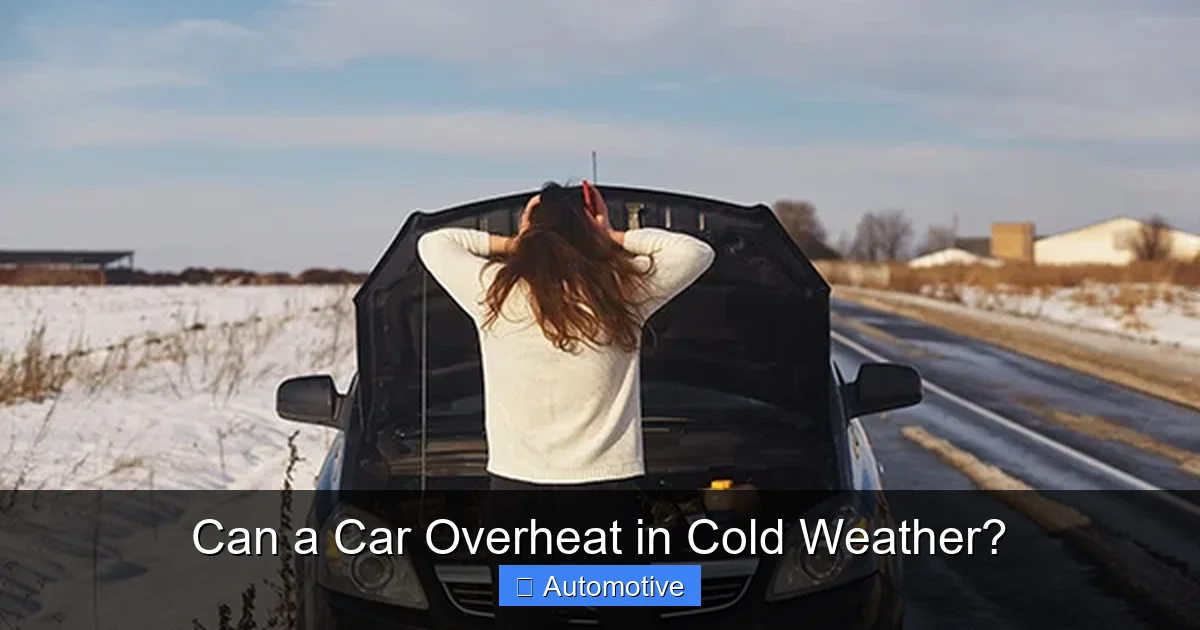
Visual guide about Can a Car Overheat in Cold Weather?
Image source: ripleystotalcarcare.com
To understand why a car can overheat in cold weather, it helps to know how the cooling system functions. Think of it as your engine’s personal climate control—keeping things from getting too hot or too cold. The system’s main job is to absorb excess heat from the engine and release it safely into the air.
The Role of Coolant
At the heart of the system is coolant, also known as antifreeze. This liquid mixture—usually a blend of ethylene glycol and water—circulates through the engine block and cylinder head, absorbing heat as it goes. It then flows to the radiator, where air passing through (either from driving or the cooling fan) helps dissipate that heat. Once cooled, the coolant returns to the engine to repeat the cycle.
But coolant does more than just cool. In winter, it prevents the water in your engine from freezing, which could crack the block. It also contains additives that protect against corrosion and lubricate the water pump. Without proper coolant levels or the right mixture, your engine is at risk—even in freezing temperatures.
Key Components of the Cooling System
Several parts work together to keep the system running smoothly:
- Water pump: This mechanical pump circulates coolant through the engine and radiator. If it fails, coolant stops flowing, and the engine heats up quickly.
- Thermostat: This small valve regulates coolant flow. It stays closed when the engine is cold to help it warm up faster, then opens once the engine reaches operating temperature. If it gets stuck closed, coolant can’t flow, leading to overheating.
- Radiator: The radiator dissipates heat from the coolant. It’s made of thin tubes and fins that allow air to cool the liquid as it passes through.
- Cooling fan: This fan pulls air through the radiator when the car is idling or moving slowly. It’s especially important in stop-and-go traffic or cold weather when airflow is reduced.
- Hoses and belts: Rubber hoses carry coolant between components, while belts (like the serpentine belt) drive the water pump and fan. Cracks, leaks, or wear can disrupt the entire system.
Why Cold Weather Puts Extra Stress on the System
Cold weather introduces unique challenges. When you start your car on a freezing morning, the engine is cold, and the thermostat remains closed to allow it to warm up quickly. This is normal. But if the thermostat malfunctions and stays closed even after the engine warms up, coolant can’t circulate—leading to overheating.
Additionally, cold temperatures can thicken engine oil and coolant slightly, making it harder for the water pump to circulate fluids. Ice buildup in the radiator or coolant reservoir can also block flow. And because drivers often idle their cars longer in winter to warm up the cabin, the engine runs hotter with less airflow through the radiator—creating ideal conditions for overheating.
Common Causes of Winter Overheating
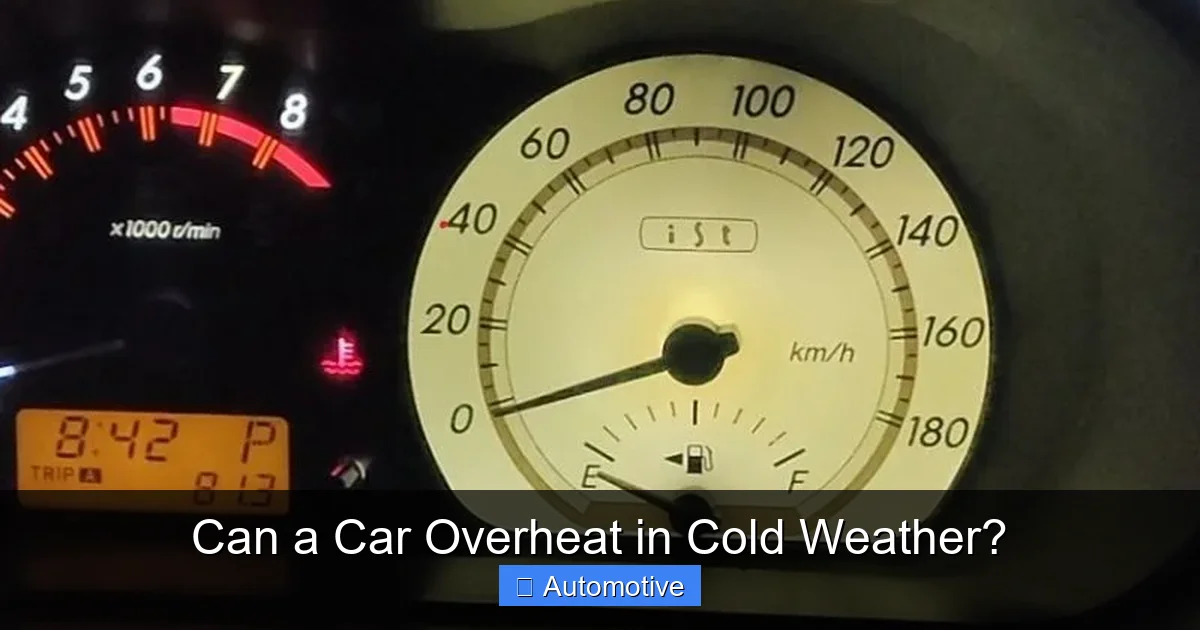
Visual guide about Can a Car Overheat in Cold Weather?
Image source: takeuroil.com
Now that you understand how the cooling system works, let’s explore the most common reasons a car can overheat in cold weather. These aren’t just summer problems—they can strike any time of year.
1. Faulty Thermostat
The thermostat is one of the most frequent culprits behind winter overheating. As mentioned, it’s designed to open and close based on engine temperature. When the engine is cold, it stays closed to help the engine warm up faster. Once the engine reaches about 195°F, it opens to allow coolant to flow.
But if the thermostat gets stuck in the closed position, coolant can’t reach the radiator. The engine heats up rapidly, and the temperature gauge spikes—even if it’s 20°F outside. This is especially dangerous because the problem isn’t obvious at first. You might not notice until you’re driving and the warning light comes on.
Example: Sarah started her car on a cold January morning. After 10 minutes of idling, she pulled out of her driveway. Within five minutes, her temperature gauge shot into the red. She pulled over and called a tow truck. The mechanic found a stuck thermostat—a $150 fix that could have been avoided with a routine inspection.
2. Low Coolant Levels
Coolant doesn’t just disappear, but it can leak out over time. Small leaks in hoses, the radiator, water pump, or heater core can slowly drain the system. In winter, low coolant is especially risky because the system relies on proper fluid levels to transfer heat and prevent freezing.
When coolant is low, there’s not enough liquid to absorb and dissipate heat. The engine overheats, and in extreme cases, the remaining coolant can boil, creating steam and pressure that damages seals and gaskets.
Tip: Check your coolant reservoir regularly. It should be between the “MIN” and “MAX” marks. If it’s low, top it off with the correct type of coolant (check your owner’s manual). But don’t ignore recurring low levels—this could signal a leak that needs repair.
3. Water Pump Failure
The water pump is the heart of the cooling system. If it fails, coolant stops circulating, and the engine overheats—no matter the weather. Common signs of a failing water pump include coolant leaks near the front of the engine, a whining noise from the pump, or steam coming from under the hood.
In cold weather, a failing pump can be harder to detect because the engine takes longer to warm up. But once it reaches operating temperature, the lack of coolant flow becomes critical.
Real-life scenario: Mark noticed a small puddle of green fluid under his car after parking overnight. He assumed it was just condensation. A week later, his car overheated on the highway in December. The mechanic found a cracked water pump impeller—likely weakened by age and cold stress.
4. Blocked Radiator or Cooling System
Your radiator needs airflow to cool the coolant. In winter, snow, ice, or road salt can accumulate on the radiator fins, blocking airflow. Additionally, sludge or rust buildup inside the radiator or coolant passages can restrict flow, reducing cooling efficiency.
Even a partially blocked radiator can cause overheating, especially during long drives or when idling. The cooling fan may run constantly, but it can’t compensate for poor airflow or internal blockages.
Prevention tip: After driving in snowy or salty conditions, rinse the front of your car—including the radiator grille—with water to remove debris. Avoid high-pressure washes directly on the radiator, as they can bend the delicate fins.
5. Cooling Fan Malfunction
The electric cooling fan kicks in when the engine gets hot or when the air conditioning is on. In cold weather, the fan may not run as often, but it’s still essential during idling or slow traffic.
If the fan motor fails, the relay is faulty, or the temperature sensor doesn’t trigger it, the radiator won’t get enough airflow. This can lead to overheating, especially in stop-and-go driving.
Example: Lisa’s car started overheating every time she was stuck in traffic during a cold snap. The fan wasn’t turning on. A mechanic tested the fan motor and found it dead. Replacing it cost $200, but it saved her engine from serious damage.
6. Head Gasket Failure
While less common, a blown head gasket can cause overheating in any season. The head gasket seals the engine block and cylinder head. If it fails, combustion gases can leak into the cooling system, creating pressure and boiling the coolant.
In winter, a head gasket failure might be mistaken for a simple overheating issue. But symptoms like white smoke from the exhaust, coolant loss without visible leaks, or a sweet smell from the engine bay are red flags.
This is a serious repair—often costing $1,000 or more—but catching it early can prevent engine destruction.
Signs Your Car Is Overheating in Cold Weather
Visual guide about Can a Car Overheat in Cold Weather?
Image source: s26551.pcdn.co
Knowing the warning signs can help you act before serious damage occurs. Overheating doesn’t always happen suddenly—there are often clues along the way.
Dashboard Warning Lights
The most obvious sign is the temperature warning light or a gauge in the red zone. Modern cars have sensors that monitor engine temperature and alert you when it’s too high. Don’t ignore this light—pull over safely and turn off the engine.
Some vehicles also have a separate “check engine” light that may illuminate if the cooling system is under stress.
Steam or Smoke from Under the Hood
If you see steam or smoke rising from the engine bay, your coolant may be boiling. This is a serious sign of overheating. Turn off the engine immediately and let it cool before opening the hood.
Caution: Never open the radiator cap when the engine is hot. The system is pressurized, and hot coolant can spray out, causing severe burns.
Unusual Smells
A sweet, syrupy smell often indicates a coolant leak. If you smell this inside the cabin, it could mean coolant is leaking into the heater core and evaporating into the air vents.
Burning smells, on the other hand, might signal oil or belt issues, but they can also accompany overheating if components are stressed.
Reduced Engine Performance
An overheating engine may run rough, lose power, or stall. This happens because excessive heat can cause parts to expand and seize, or the engine control unit may reduce power to protect the engine.
If your car feels sluggish or hesitant, especially after idling or driving in traffic, check the temperature gauge.
Coolant Leaks or Puddles
Look under your car after it’s been parked. Green, orange, or pink puddles are signs of coolant leaks. Even small leaks can lead to low levels and overheating over time.
How to Prevent Overheating in Cold Weather
The good news? Most winter overheating issues are preventable with regular maintenance and awareness.
Check Coolant Levels and Condition
At least once a month, check the coolant reservoir. Make sure it’s full and the coolant looks clean—not rusty or sludgy. If it’s dirty, it may be time for a coolant flush.
Use the correct coolant type for your vehicle (usually specified in the owner’s manual). Mixing different types can cause corrosion or reduce effectiveness.
Inspect Hoses and Belts
Look for cracks, bulges, or soft spots in coolant hoses. Replace any that look worn. Also, check the serpentine belt for fraying or looseness—it drives the water pump and fan.
Test the Thermostat
If your engine takes a long time to warm up or overheats quickly, the thermostat may be faulty. A mechanic can test it by heating it in water to see if it opens at the correct temperature.
Keep the Radiator Clean
After winter storms, gently clean snow and ice from the radiator grille. Use a soft brush or low-pressure water. Avoid using salt or de-icers near the engine bay.
Use a Block Heater in Extreme Cold
In very cold climates, a block heater can help the engine start more easily and reduce stress on the cooling system. It warms the engine block and coolant, making cold starts smoother.
Don’t Skip Routine Maintenance
Follow your manufacturer’s recommended service schedule. This includes coolant flushes (typically every 30,000 to 100,000 miles), water pump inspections, and thermostat checks.
What to Do If Your Car Overheats in Cold Weather
If you find yourself with an overheating engine, stay calm and act quickly.
Step 1: Pull Over Safely
Turn on your hazard lights and pull over to a safe location. Do not continue driving—this can cause severe engine damage.
Step 2: Turn Off the Engine
Let the engine cool for at least 30 minutes. Do not open the radiator cap while it’s hot.
Step 3: Check Coolant Levels
Once the engine is cool, check the coolant reservoir. If it’s low, add coolant or water (as a temporary fix) to the reservoir—not the radiator.
Step 4: Call for Help
If you’re not sure what’s wrong or can’t safely add coolant, call a tow truck or roadside assistance. Driving with an overheating engine can warp the cylinder head or destroy the engine.
Step 5: Get It Inspected
Even if the car seems fine after cooling, have a mechanic inspect it. Overheating can cause hidden damage that leads to problems later.
Conclusion
So, can a car overheat in cold weather? Absolutely. While it may seem counterintuitive, the same mechanical failures that cause summer overheating can strike in winter—and sometimes with less warning. A stuck thermostat, low coolant, or a failing water pump don’t care about the temperature outside.
The key to avoiding winter overheating is proactive maintenance. Regular checks of your coolant, hoses, thermostat, and radiator can prevent most issues. And if you do notice warning signs—like a rising temperature gauge or steam from under the hood—act quickly to avoid costly repairs.
Your car’s cooling system works hard year-round to keep the engine at the right temperature. By understanding how it works and staying on top of maintenance, you can drive confidently through every season—even when the snow is falling.
Frequently Asked Questions
Can a car overheat in freezing temperatures?
Yes, a car can overheat in freezing temperatures. Cold weather doesn’t prevent overheating—mechanical issues like a stuck thermostat or low coolant can still cause the engine to overheat, even when it’s below freezing outside.
Why does my car overheat when it’s cold outside?
Common causes include a faulty thermostat that stays closed, low coolant levels, a failing water pump, or a blocked radiator. These issues prevent proper coolant circulation, leading to overheating regardless of the weather.
Is it safe to drive with the temperature gauge in the red?
No, it’s not safe. Driving with an overheating engine can cause severe damage, including warped cylinder heads or a blown head gasket. Pull over immediately, turn off the engine, and call for assistance.
Can I use water instead of coolant in an emergency?
Yes, in an emergency, you can add water to the coolant reservoir to temporarily lower the temperature. However, coolant also prevents freezing and corrosion, so replace it with the proper mixture as soon as possible.
How often should I check my coolant?
Check your coolant level at least once a month, especially before long trips or during seasonal changes. Also inspect for leaks, discoloration, or sludge, which may indicate the need for a coolant flush.
Can a blown head gasket cause overheating in winter?
Yes, a blown head gasket can cause overheating in any season. It allows combustion gases to enter the cooling system, increasing pressure and causing the coolant to boil. Look for white exhaust smoke, coolant loss, or a sweet smell as warning signs.