
Common Car Starting Issues Explained

Car won’t start? You’re not alone. This guide breaks down the most common car starting issues explained in plain English, from dead batteries to faulty starters. Get practical tips and quick fixes to get back on the road fast.
Key Takeaways
- Dead battery: The #1 cause of starting problems—often due to age, extreme weather, or leaving lights on.
- Faulty starter motor: A clicking sound with no engine turnover usually points to a bad starter.
- Bad alternator: If your battery keeps dying, the alternator may not be charging it properly.
- Fuel system issues: Clogged filters, weak fuel pumps, or empty tanks can prevent ignition.
- Ignition switch problems: Worn switches may fail to send power to the starter or accessories.
- Spark plug failure: Worn or fouled spark plugs disrupt the combustion process needed to start the engine.
- Prevention is key: Regular maintenance and early diagnosis can save time, money, and stress.
📑 Table of Contents
- Why Won’t My Car Start? A Friendly Guide to Common Car Starting Issues Explained
- Dead Battery: The #1 Culprit Behind Starting Failures
- Starter Motor Failure: When the Engine Won’t Turn Over
- Alternator Problems: The Silent Battery Killer
- Fuel System Issues: No Gas, No Go
- Ignition Switch and Spark Plug Troubles
- Other Possible Causes and When to Call a Mechanic
- Prevention Tips: Keep Your Car Starting Smoothly
- Conclusion
Why Won’t My Car Start? A Friendly Guide to Common Car Starting Issues Explained
You’re running late for work, you hop in the car, turn the key—and nothing happens. Or maybe it cranks slowly, sputters, and dies. Sound familiar? Car starting problems are one of the most frustrating experiences any driver can face. But here’s the good news: most of these issues have clear causes and often simple solutions.
In this guide, we’ll walk you through the most common car starting issues explained in everyday language. No mechanic jargon, no confusing diagrams—just practical advice you can use right away. Whether you’re a new driver or a seasoned road warrior, understanding what’s going on under the hood can save you time, money, and a whole lot of stress.
We’ll cover everything from dead batteries and faulty starters to fuel system hiccups and ignition troubles. By the end, you’ll know how to diagnose the problem, decide whether to fix it yourself or call a pro, and even prevent future breakdowns. So grab a cup of coffee, sit back, and let’s get your car back on the road.
Dead Battery: The #1 Culprit Behind Starting Failures
Visual guide about Common Car Starting Issues Explained
Image source: infozone24.com
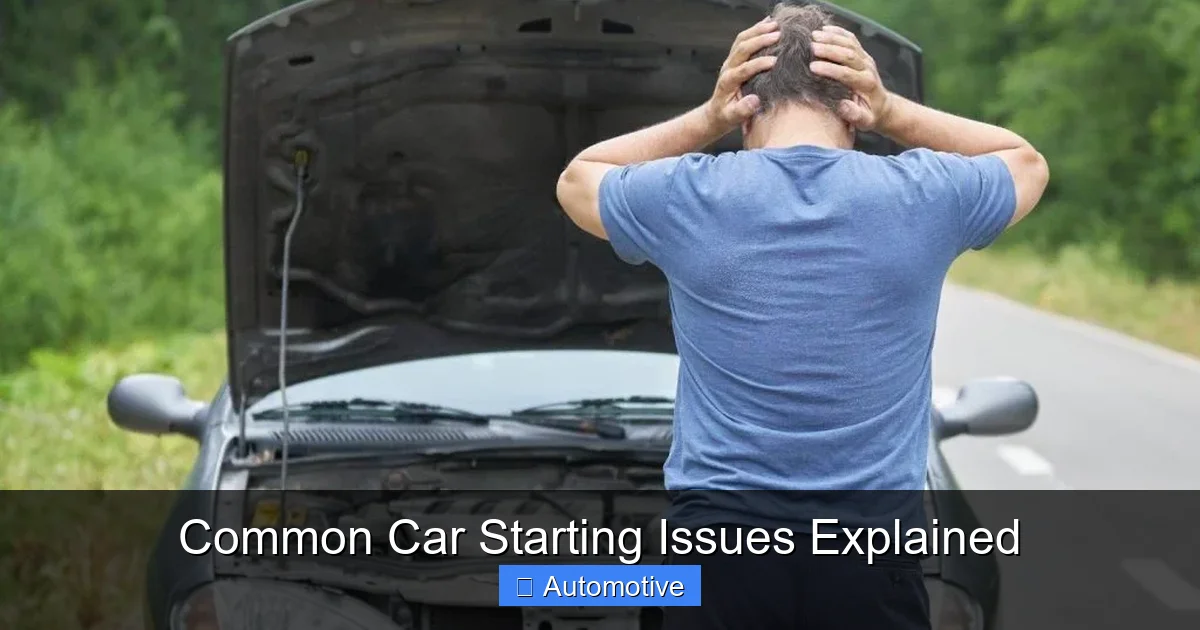
If your car won’t start and all you hear is a faint click or complete silence when you turn the key, there’s a strong chance your battery is dead. In fact, dead batteries are responsible for more than half of all starting problems. But why does this happen?
Car batteries are designed to deliver a burst of power to the starter motor, which then turns the engine over. Over time, batteries lose their ability to hold a charge. Most last between three to five years, but extreme temperatures, frequent short trips, and leaving lights or accessories on can shorten their lifespan.
Signs of a Dead or Dying Battery
One of the first signs is dim headlights or interior lights that flicker when you try to start the car. You might also notice that power windows, radio, or dashboard lights are sluggish or don’t work at all. Another clue? The engine cranks slowly—like it’s struggling to turn over—or doesn’t crank at all.
In cold weather, batteries are especially vulnerable. Cold temperatures slow down the chemical reactions inside the battery, reducing its power output. That’s why so many people wake up to a dead car on freezing winter mornings.
How to Test Your Battery
You don’t need to be a mechanic to check your battery. Many auto parts stores offer free battery testing. They’ll use a voltmeter to measure the voltage. A healthy battery should read around 12.6 volts when the car is off. If it’s below 12.4 volts, it may be weak. Below 12 volts? It’s likely dead.
You can also do a simple load test at home. Turn on your headlights for about two minutes, then try to start the car. If the lights dim significantly or go out, your battery probably can’t deliver enough power.
Jump-Starting: A Quick Fix
If your battery is dead, jump-starting is usually the fastest way to get going. You’ll need jumper cables and another vehicle (or a portable jump starter). Connect the red cable to the positive terminal (+) on both batteries, then the black cable to the negative terminal (-) on the good battery and a grounded metal part on your car (like the engine block). Start the working car, let it run for a few minutes, then try starting yours.
Once your car is running, keep it on for at least 20–30 minutes to let the alternator recharge the battery. But don’t assume the problem is solved. If your battery dies again soon after, it’s time for a replacement.
Preventing Battery Problems
To avoid future surprises, check your battery regularly. Look for corrosion around the terminals—white or greenish buildup that can interfere with connections. Clean it with a mix of baking soda and water and a wire brush.
Also, avoid leaving lights, phone chargers, or other accessories on when the engine is off. Even small drains can kill a weak battery overnight. If you don’t drive often, consider using a battery maintainer or trickle charger to keep it topped up.
Starter Motor Failure: When the Engine Won’t Turn Over
Visual guide about Common Car Starting Issues Explained
Image source: i.ytimg.com
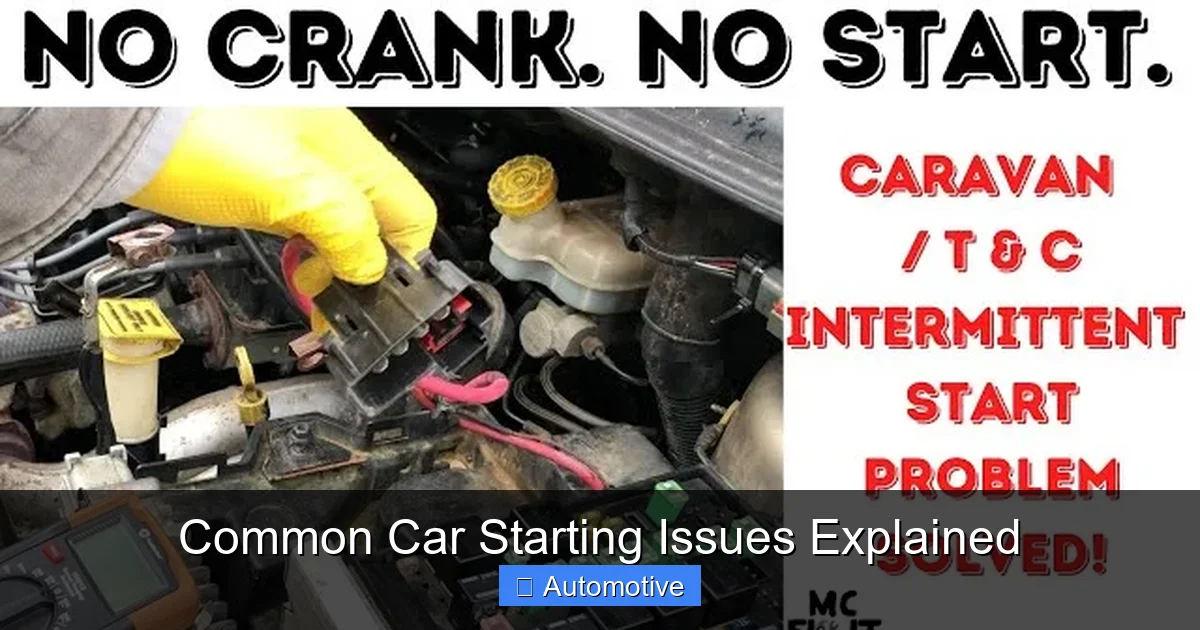
If your battery is fine but the engine still won’t start, the problem might be the starter motor. This small but powerful device is responsible for turning the engine over when you turn the key. If it fails, you’ll often hear a clicking sound—but the engine won’t crank.
How the Starter Works
When you turn the ignition key, a signal is sent to the starter solenoid, which then sends power to the starter motor. The motor spins a small gear (the pinion) that engages with the engine’s flywheel, causing the engine to turn over and start.
Over time, the starter motor can wear out. The brushes inside can degrade, the solenoid can fail, or the motor itself can burn out. High mileage, heat, and moisture can all contribute to starter failure.
Common Symptoms of a Bad Starter
The most obvious sign is a clicking noise when you turn the key—especially if the lights and electronics work fine. You might also hear a grinding sound, which could mean the starter gear isn’t engaging properly with the flywheel.
Another clue? The engine cranks slowly or inconsistently. If it starts sometimes but not others, the starter may be on its way out.
Testing the Starter
Testing a starter is trickier than checking a battery, but it’s doable. First, make sure the battery is fully charged. Then, try tapping the starter motor lightly with a hammer or wrench while someone turns the key. If the car starts, the starter is likely failing and needs replacement.
You can also use a multimeter to check for power at the starter when the key is turned. If power is reaching the starter but it’s not working, the starter is probably bad.
Replacing the Starter
Starter replacement is a job for someone with basic mechanical skills. It usually involves removing the old starter (often located near the transmission), installing the new one, and reconnecting the electrical cables. Most starters cost between $100 and $300, plus labor if you hire a mechanic.
If you’re doing it yourself, always disconnect the battery first to avoid shocks or short circuits. And be careful—some starters are heavy and awkward to handle.
Alternator Problems: The Silent Battery Killer
Visual guide about Common Car Starting Issues Explained
Image source: m.media-amazon.com
Your battery gets all the blame, but sometimes the real culprit is the alternator. This device charges the battery while the engine is running and powers the electrical system. If it fails, your battery will eventually die—even if it was fine when you started the car.
How the Alternator Works
The alternator uses a belt connected to the engine’s crankshaft to generate electricity. It converts mechanical energy into electrical energy, which charges the battery and runs lights, radio, AC, and other systems.
A healthy alternator should produce between 13.5 and 14.5 volts when the engine is running. If it drops below 13 volts, it’s not charging properly.
Signs of Alternator Failure
One of the first signs is a battery warning light on your dashboard. It looks like a battery symbol or says “ALT” or “GEN.” Other symptoms include dim or flickering lights, a burning smell (from a slipping belt), or electrical components acting up.
You might also notice that your car starts fine in the morning but dies after driving for a while. That’s a classic sign the alternator isn’t recharging the battery.
Testing the Alternator
You can test the alternator with a multimeter. With the engine off, check the battery voltage—it should be around 12.6 volts. Then start the car and check again. If the voltage doesn’t rise to at least 13.5 volts, the alternator may be faulty.
Many auto parts stores also offer free alternator testing. They’ll hook up a machine that checks output under load.
Repairing or Replacing the Alternator
Alternator repair can range from replacing a bad diode or voltage regulator to a full rebuild. But in most cases, it’s more cost-effective to replace the entire unit. New alternators cost $200 to $600, depending on the vehicle.
If you’re handy, you can replace it yourself. It usually involves removing the serpentine belt, disconnecting electrical connections, and unbolting the alternator. Just make sure to get the belt tension right when reinstalling.
Fuel System Issues: No Gas, No Go
Even with a good battery and starter, your car won’t start if it doesn’t have fuel. The fuel system includes the fuel tank, fuel pump, fuel filter, and fuel injectors. Any of these can cause starting problems.
The Role of the Fuel Pump
The fuel pump sends gasoline from the tank to the engine. Most modern cars have an electric pump inside the tank. When you turn the key to “on” (before starting), you should hear a faint hum or whir—that’s the pump priming.
If you don’t hear anything, the pump may be dead. A failing pump might also cause the engine to sputter or stall while driving.
Clogged Fuel Filter
The fuel filter removes dirt and debris from the gasoline before it reaches the engine. Over time, it can become clogged, restricting fuel flow. Symptoms include hard starting, poor acceleration, and engine hesitation.
Most manufacturers recommend replacing the fuel filter every 30,000 to 60,000 miles. It’s a relatively inexpensive part ($20–$50) and easy to replace on many vehicles.
Empty Fuel Tank or Bad Gauge
It sounds obvious, but sometimes the simplest explanation is the right one. If your fuel gauge is faulty, you might think you have gas when you don’t. Always double-check the gauge, especially if you’ve been driving a lot.
Also, avoid running your car on fumes. Letting the tank get too low can cause the fuel pump to overheat and fail prematurely.
Fuel Injector Problems
Fuel injectors spray gasoline into the engine’s combustion chambers. If they’re clogged or malfunctioning, the engine may not get the right fuel mixture. This can cause hard starting, rough idling, or misfires.
Cleaning injectors with a fuel additive can help, but severely clogged ones may need professional cleaning or replacement.
Ignition Switch and Spark Plug Troubles
Even with fuel and power, your car needs a spark to start. That’s where the ignition system comes in.
Ignition Switch Failure
The ignition switch sends power to the starter, fuel pump, and other systems when you turn the key. If it’s worn out, it may not make proper contact, causing intermittent starting problems or no start at all.
Symptoms include the car starting sometimes but not others, or accessories (like the radio) not working when the key is turned.
Replacing an ignition switch is usually straightforward but may require removing the steering column cover. Costs range from $50 to $200 for the part, plus labor.
Spark Plug Issues
Spark plugs create the spark that ignites the fuel-air mixture in the engine. Over time, they wear out, become fouled with carbon, or develop gaps that are too wide.
Signs of bad spark plugs include hard starting, rough idle, poor fuel economy, and engine misfires.
Most spark plugs need replacement every 30,000 to 100,000 miles, depending on the type (copper, platinum, or iridium). Replacing them is a common DIY job—just make sure to gap them correctly and torque them to spec.
Other Possible Causes and When to Call a Mechanic
Sometimes, the problem isn’t obvious. Here are a few other things that can prevent your car from starting:
– **Faulty crankshaft position sensor:** This sensor tells the engine computer when to fire the spark plugs. If it fails, the engine may not start at all.
– **Bad timing belt:** If the timing belt breaks, the engine’s valves and pistons can collide, causing serious damage. A broken belt usually means the engine won’t turn over.
– **Security system issues:** Some cars have anti-theft systems that disable the ignition if the key isn’t recognized. Try using a spare key or resetting the system.
– **Extreme weather:** Very cold or hot temperatures can affect battery performance, fuel delivery, and engine oil viscosity.
If you’ve checked the battery, starter, alternator, and fuel system and still can’t find the problem, it’s time to call a mechanic. Modern cars have complex computer systems that require specialized diagnostic tools.
Prevention Tips: Keep Your Car Starting Smoothly
The best way to avoid starting problems is regular maintenance. Here are a few tips:
– Check your battery and terminals every six months.
– Replace spark plugs and fuel filters on schedule.
– Keep your gas tank at least a quarter full.
– Listen for unusual sounds when starting.
– Use a battery tender if you don’t drive often.
A little attention now can save you a big headache later.
Conclusion
Car starting issues are frustrating, but they don’t have to leave you stranded. By understanding the most common causes—from dead batteries to faulty starters—you can diagnose problems faster and make smarter decisions about repairs.
Remember, regular maintenance is your best defense. And when in doubt, don’t hesitate to consult a professional. With the right knowledge and a little preparation, you’ll spend less time worrying about your car not starting and more time enjoying the drive.
Frequently Asked Questions
Why does my car make a clicking sound but won’t start?
This usually means the battery doesn’t have enough power to turn the starter. The click comes from the solenoid trying to engage. Try jump-starting the car or replacing the battery.
Can a bad alternator cause a car not to start?
Yes. If the alternator fails, the battery won’t recharge while driving. Eventually, the battery will die, and the car won’t start—even if it started fine earlier.
How often should I replace my car battery?
Most car batteries last 3 to 5 years. Have it tested annually after the third year, especially before winter.
What causes a car to crank but not start?
This could be due to fuel system issues (like a bad fuel pump), ignition problems (such as faulty spark plugs), or a failed crankshaft sensor.
Is it safe to jump-start my car frequently?
Occasional jump-starts are fine, but frequent jumps suggest a deeper issue—like a bad battery or alternator. Get it checked to avoid further damage.
Can extreme cold cause starting problems?
Yes. Cold weather reduces battery power and thickens engine oil, making it harder for the engine to turn over. Use a block heater or battery warmer in very cold climates.