
Can I Sleep in My Car at a Campsite?

Yes, you can often sleep in your car at a campsite, but rules vary by location, park policies, and land type. This guide covers everything from legality and safety to comfort and etiquette so you can camp confidently in your vehicle.
Key Takeaways
- Check local regulations first: Not all campsites allow overnight car sleeping—always verify rules with the managing authority.
- National and state parks have different policies: Some permit car camping in designated areas, while others require RVs or tents.
- Safety is a top priority: Choose well-lit, populated areas and avoid isolated spots to reduce risk.
- Comfort matters: Use window shades, a sleeping pad, and climate control to make car sleeping more enjoyable.
- Be respectful of others: Keep noise low, follow quiet hours, and leave no trace to maintain good camper etiquette.
- Prepare for weather and emergencies: Have blankets, water, a first-aid kit, and a backup power source on hand.
- Consider stealth camping carefully: While tempting, unauthorized overnight parking can lead to fines or towing.
📑 Table of Contents
- Can I Sleep in My Car at a Campsite? A Complete Guide
- Understanding the Rules: Where Can You Legally Sleep in Your Car?
- Safety First: Staying Secure While Sleeping in Your Car
- Making Your Car Comfortable for Sleeping
- Etiquette and Respect: Being a Good Car Camper
- Alternatives and Tips for Stealth Camping
- Final Thoughts: Is Sleeping in Your Car Right for You?
Can I Sleep in My Car at a Campsite? A Complete Guide
So, you’ve got a car, a sense of adventure, and a desire to sleep under the stars—but not in a tent. Maybe you’re traveling on a budget, your tent got rained out, or you just prefer the cozy, enclosed feel of your vehicle. Whatever the reason, you’re not alone. Sleeping in your car at a campsite is a growing trend among road trippers, van lifers, and minimalist campers. But before you crawl into the backseat with a blanket and call it a night, there are important things to know.
First things first: yes, you *can* sleep in your car at many campsites—but it’s not always allowed everywhere. Rules vary widely depending on whether you’re in a national park, state park, private campground, or Bureau of Land Management (BLM) area. Some places welcome car campers with open arms, while others strictly limit overnight stays to RVs or traditional tent setups. And even when it’s permitted, there are safety, comfort, and etiquette considerations that can make or break your experience.
This guide will walk you through everything you need to know about sleeping in your car at a campsite. From understanding the legal landscape to setting up a comfortable sleeping space, we’ll cover the essentials so you can camp smart, stay safe, and enjoy your outdoor adventure—no tent required.
Understanding the Rules: Where Can You Legally Sleep in Your Car?
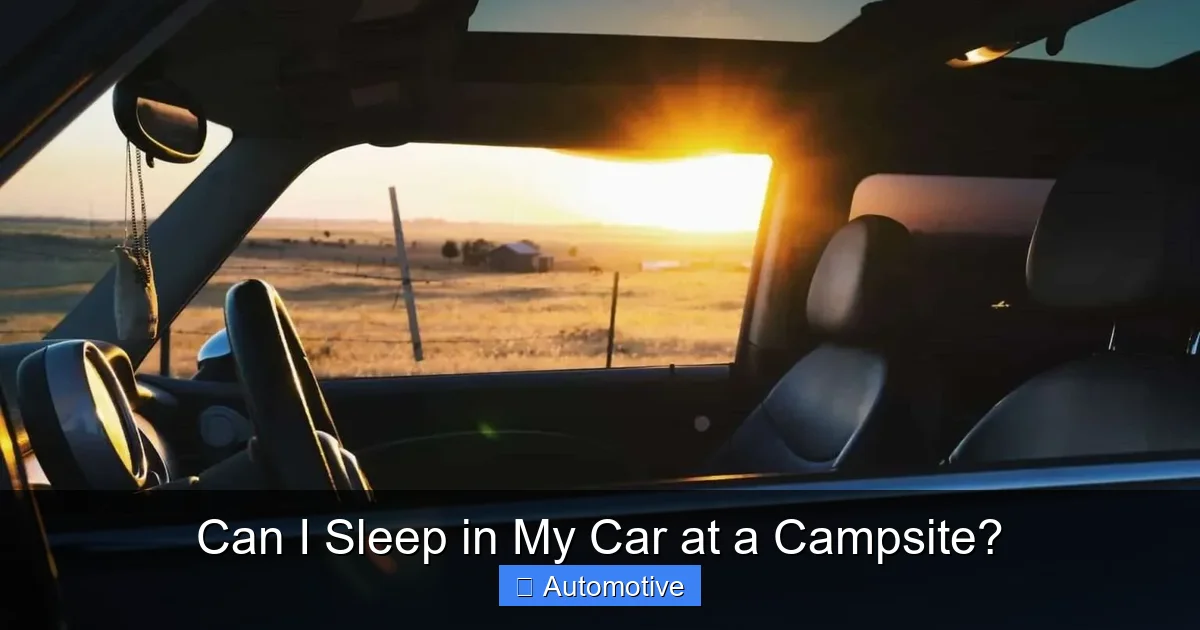
Visual guide about Can I Sleep in My Car at a Campsite?
Image source: agilecamping.com
Before you pack your bags and hit the road, it’s crucial to understand where sleeping in your car is actually allowed. The short answer? It depends. Different types of land and campsites have different rules, and ignoring them can lead to fines, warnings, or even being asked to leave.
National Parks and Federal Lands
National parks, such as Yosemite, Yellowstone, or the Grand Canyon, are managed by the National Park Service (NPS). These areas often have strict regulations about where and how you can camp. In most national parks, overnight stays are only permitted in designated campgrounds—and even then, sleeping in your car may not be allowed unless you’re in an RV site.
For example, in Yosemite National Park, you can sleep in your car *only* if you’re parked in a designated campsite that allows vehicle camping. Sleeping in your car in a parking lot or along a roadside is strictly prohibited and can result in a citation. However, some national parks do allow “dispersed camping” on adjacent BLM or national forest land, where car sleeping is often permitted—just not within the park boundaries.
State Parks and Local Campgrounds
State parks tend to be a bit more flexible than national parks, but rules still vary by state and even by individual park. Some state parks allow car camping in designated sites, especially if the site is not equipped for RVs. Others may require you to rent a tent site and still permit you to sleep in your car as long as you’re not blocking access or violating fire codes.
For instance, in California’s state parks, sleeping in your car is generally allowed in designated campsites, but you must pay the standard camping fee. In contrast, some parks in more rural areas may turn a blind eye to car sleeping in parking areas, but this is never guaranteed and can change without notice.
Private Campgrounds and RV Parks
Private campgrounds and RV parks are often the most welcoming to car campers. Many of these sites are designed to accommodate a variety of vehicles, from large motorhomes to compact cars. As long as you pay the nightly fee and follow the campground’s rules, sleeping in your car is usually fine.
Some private campgrounds even market themselves as “car-friendly” or “van life approved,” offering amenities like electrical hookups, Wi-Fi, and shower facilities. These can be great options if you want the comfort of a traditional campsite without the hassle of setting up a tent.
Bureau of Land Management (BLM) and National Forests
If you’re looking for more freedom, BLM land and national forests are your best bet. These areas often allow dispersed camping, which means you can camp (and sleep in your car) for free in undeveloped areas, as long as you follow Leave No Trace principles.
For example, in Utah’s Moab area, BLM land surrounds Arches and Canyonlands National Parks. Many travelers sleep in their cars on BLM land just outside the park boundaries to save money and avoid crowded campgrounds. Just remember: you must camp at least 200 feet from roads, water sources, and trails, and you can typically stay for up to 14 days in one location.
Safety First: Staying Secure While Sleeping in Your Car
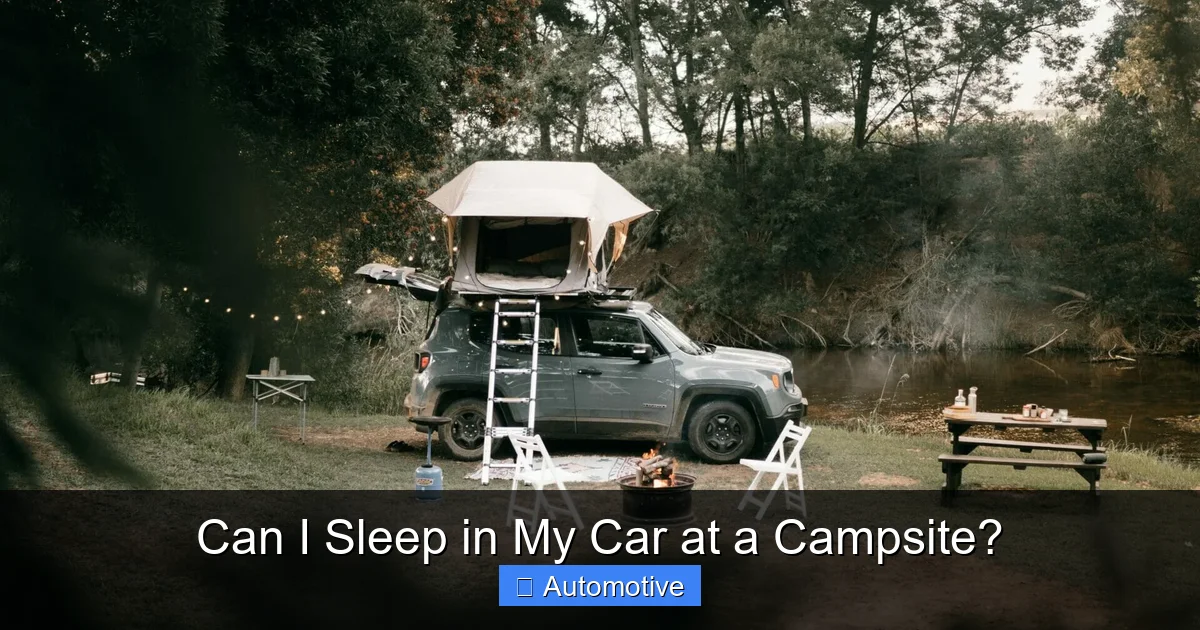
Visual guide about Can I Sleep in My Car at a Campsite?
Image source: drivinghome.co.uk
Sleeping in your car can feel safe and cozy, but it’s not without risks. Whether you’re in a remote forest or a busy campground, taking precautions is essential for your safety and peace of mind.
Choose the Right Location
Not all campsites are created equal when it comes to safety. Avoid isolated areas, especially at night. Instead, opt for well-lit, populated campgrounds where other campers are present. The presence of others can deter potential threats and ensure help is nearby if needed.
If you’re camping in a dispersed area, try to park near other vehicles or in areas with some visibility. Avoid sleeping in your car in urban areas, rest stops, or parking lots unless they’re known to be safe for overnight stays. Some Walmart parking lots, for example, allow overnight parking, but this varies by location and should be confirmed in advance.
Lock Your Doors and Windows
This might seem obvious, but it’s easy to forget when you’re tired. Always lock your car doors and close your windows before going to sleep. If you need ventilation, crack a window slightly, but avoid leaving large openings that could allow someone to reach inside.
Consider using window shades or reflective covers to block visibility into your car. This not only helps with privacy but also prevents curious onlookers from seeing valuables or your sleeping setup.
Be Aware of Your Surroundings
Take a few minutes to scan your environment before settling in for the night. Are there any signs of recent wildlife activity? Are there rangers or camp hosts nearby? Is the area prone to flooding or falling branches? Being aware of potential hazards can help you react quickly if something goes wrong.
If you’re camping in bear country, store all food and scented items (like toothpaste or deodorant) in a bear-proof container or your car’s trunk—never inside the passenger area. And never leave food wrappers or trash in your car, as the smell can attract animals.
Have an Emergency Plan
Even in the safest locations, emergencies can happen. Always carry a basic emergency kit that includes a flashlight, extra batteries, a first-aid kit, water, non-perishable snacks, and a fully charged phone. Consider investing in a portable power bank or a car charger to keep your devices powered.
If you’re traveling in remote areas, a satellite communicator like a Garmin inReach can be a lifesaver. These devices allow you to send SOS signals and text messages even when you’re out of cell range.
Making Your Car Comfortable for Sleeping
Visual guide about Can I Sleep in My Car at a Campsite?
Image source: malaysiacamping.com
Let’s face it—sleeping in a car isn’t always the most comfortable experience. But with a few smart upgrades and adjustments, you can turn your vehicle into a cozy, functional sleeping space.
Maximize Your Sleeping Space
The key to comfortable car sleeping is creating a flat, level surface. If your car has fold-down rear seats, you’re in luck—this gives you a much larger area to stretch out. If not, you may need to get creative.
Use a foam sleeping pad or an inflatable mattress designed for cars. These fit snugly in the footwell or backseat and provide cushioning that’s far superior to sleeping on hard plastic or metal. Some campers even build custom platforms using plywood and foam to create a flat bed across the entire rear area.
Don’t forget pillows and blankets. A good travel pillow can make a big difference, and layering blankets allows you to adjust for temperature changes throughout the night.
Control the Climate
Temperature regulation is one of the biggest challenges of car camping. Cars can get extremely hot during the day and freezing cold at night, especially in desert or mountain environments.
To stay cool, park in the shade whenever possible and use reflective window covers to block sunlight. At night, crack a window slightly for airflow, but be mindful of security and weather.
To stay warm, invest in a high-quality sleeping bag rated for the expected temperatures. You can also use a 12V electric blanket that plugs into your car’s cigarette lighter, or bring a portable heater—just make sure it’s safe for indoor use and doesn’t pose a fire risk.
Block Out Light and Noise
Light pollution and noise can disrupt your sleep, especially in busy campgrounds. Use blackout curtains or custom-fit window shades to darken your car’s interior. These can be purchased online or made at home using reflective insulation and Velcro.
For noise, consider wearing earplugs or using a white noise app on your phone. Some campers also use a small fan for both airflow and background noise.
Organize Your Gear
A cluttered car can make sleeping uncomfortable and stressful. Keep your essentials—water, snacks, toiletries, and clothing—organized in bins or bags. Use seatback organizers or hanging storage to maximize space.
If you’re camping for multiple nights, consider a rooftop cargo box or hitch-mounted carrier to free up interior space. This keeps your sleeping area clear and makes it easier to move around.
Etiquette and Respect: Being a Good Car Camper
Just because you’re sleeping in your car doesn’t mean you’re exempt from campsite etiquette. In fact, being a respectful camper is even more important when you’re in a vehicle, as your presence can be more noticeable to others.
Follow Quiet Hours
Most campgrounds have designated quiet hours, typically from 10 PM to 6 AM. During this time, keep noise to a minimum. Avoid running your engine, playing music, or having loud conversations. If you’re using a heater or fan, choose a quiet model to avoid disturbing others.
Respect Other Campers’ Space
Even if you’re in a car, you’re still sharing a communal space. Park neatly, avoid blocking roads or pathways, and give other campers plenty of room. If you’re in a dispersed camping area, try to minimize your impact by using existing campsites rather than creating new ones.
Leave No Trace
This principle applies to all campers, regardless of how you’re sleeping. Pack out all trash, dispose of wastewater properly, and avoid damaging vegetation. If you’re using a portable toilet or bucket system, make sure to dispose of waste at designated dump stations.
Be Mindful of Visibility
Some campers feel uncomfortable seeing someone sleeping in a car, especially if it’s not a common practice in that area. To avoid drawing unwanted attention, park discreetly and avoid leaving personal items visible through the windows. If you’re in a tent-only campground, consider whether your car sleeping might be seen as inappropriate—even if it’s technically allowed.
Alternatives and Tips for Stealth Camping
Sometimes, you might find yourself in a situation where sleeping in your car at a campsite isn’t allowed—or you simply want more privacy. In these cases, “stealth camping” might seem like an option. But proceed with caution.
What Is Stealth Camping?
Stealth camping refers to camping in a way that minimizes your visibility and impact, often in areas where overnight stays aren’t officially permitted. This might include parking in a quiet neighborhood, a rest area, or a remote forest road.
While stealth camping can be tempting for its freedom and low cost, it comes with significant risks. You could be fined, towed, or even arrested if caught. Additionally, stealth camping often means sacrificing safety, comfort, and access to amenities.
When Stealth Camping Might Be Acceptable
In some cases, stealth camping is tolerated—especially on BLM land or in rural areas where enforcement is minimal. However, it’s always better to seek permission or find a legal alternative.
If you must stealth camp, choose a location that’s safe, legal, and low-profile. Avoid private property, gated communities, and areas with “No Overnight Parking” signs. Park facing the direction of travel, and leave early in the morning to avoid suspicion.
Better Alternatives
Instead of risking stealth camping, consider these legal alternatives:
– Use apps like iOverlander, The Dyrt, or FreeRoam to find free or low-cost legal camping spots.
– Look for “boondocking” areas on public lands.
– Stay at a budget-friendly hostel, motel, or campground for a night.
– Join a van life or car camping community for tips and recommendations.
Final Thoughts: Is Sleeping in Your Car Right for You?
Sleeping in your car at a campsite can be a practical, affordable, and rewarding way to enjoy the outdoors. It’s perfect for solo travelers, budget-conscious adventurers, and anyone who wants to skip the tent setup. But it’s not without its challenges.
The key to success is preparation. Know the rules, prioritize safety, invest in comfort, and respect the environment and other campers. With the right mindset and gear, your car can become a cozy, mobile home away from home.
So, can you sleep in your car at a campsite? The answer is usually yes—but only if you do it responsibly. Whether you’re exploring national parks, cruising through national forests, or parking at a private campground, make sure you’re doing it the right way. Your adventure—and your safety—depend on it.
Frequently Asked Questions
Is it legal to sleep in my car at a campsite?
It depends on the location and managing authority. Many national and state parks allow car sleeping in designated campsites, but others restrict overnight stays to RVs or tents. Always check the specific rules before you go.
Can I sleep in my car for free at a campsite?
Most official campsites require a nightly fee, even if you’re sleeping in your car. However, dispersed camping on BLM or national forest land is often free and allows car sleeping.
Is it safe to sleep in my car at night?
It can be safe if you choose a well-lit, populated area and take precautions like locking doors and using window covers. Avoid isolated or urban areas unless they’re known to be safe for overnight stays.
Do I need a special permit to sleep in my car?
Some campgrounds require reservations or permits for overnight stays, regardless of your sleeping setup. Check with the campground or land manager in advance.
Can I run my car’s engine while sleeping to stay warm?
It’s not recommended due to the risk of carbon monoxide poisoning, especially in enclosed spaces. Use a safe heating alternative like a 12V blanket or insulated sleeping bag instead.
What should I do if I’m asked to leave a campsite?
Always comply politely and move to a legal alternative. Continuing to stay can result in fines or towing. Use apps or local resources to find a new, approved spot.