
What Is Comprehensive Car Insurance?

Comprehensive car insurance protects your vehicle from non-collision events like theft, vandalism, fire, and natural disasters. It’s optional but highly recommended for full financial protection, especially if you own a newer or financed car.
Key Takeaways
- Covers non-collision incidents: Comprehensive insurance pays for damage from theft, fire, hail, falling objects, and animal collisions.
- Not required by law: Unlike liability coverage, comprehensive insurance is optional but often required by lenders.
- Includes glass and windshield damage: Most policies cover windshield repairs or replacements without a deductible.
- Protects against vandalism and riots: If your car is damaged due to malicious acts, comprehensive coverage steps in.
- Works alongside collision coverage: Together, they provide full physical damage protection for your vehicle.
- Affordable for most drivers: Premiums are generally low compared to the high cost of repairs or replacement.
- Choose your deductible wisely: A higher deductible lowers your premium but increases out-of-pocket costs during a claim.
📑 Table of Contents
- What Is Comprehensive Car Insurance?
- What Does Comprehensive Car Insurance Cover?
- What Comprehensive Car Insurance Does NOT Cover
- How Much Does Comprehensive Car Insurance Cost?
- Comprehensive vs. Collision vs. Liability: What’s the Difference?
- When Should You Get Comprehensive Car Insurance?
- Tips for Choosing the Right Comprehensive Coverage
- Real-Life Examples of Comprehensive Claims
- Conclusion
What Is Comprehensive Car Insurance?
Imagine this: You park your car outside a coffee shop, grab your latte, and return to find a huge tree branch has crashed through your windshield. Or worse—your car is gone, stolen from the parking lot. These aren’t just bad dreams—they’re real-life scenarios that can leave you stressed and out of pocket. That’s where comprehensive car insurance comes in.
Comprehensive car insurance is a type of auto coverage that protects your vehicle from damage caused by events other than collisions. Unlike liability or collision insurance, which cover accidents involving other vehicles or objects, comprehensive insurance handles the “what ifs” you can’t predict—like theft, fire, hailstorms, or even hitting a deer. It’s often called “other-than-collision” coverage because it steps in when your car is damaged by something other than a crash.
While it’s not legally required in most states, comprehensive coverage is a smart choice for anyone who wants peace of mind. Whether you drive a brand-new sedan or a used SUV, this coverage acts like a safety net, helping you avoid massive repair bills or replacement costs. And if you’re financing or leasing your car, your lender will almost certainly require it.
What Does Comprehensive Car Insurance Cover?

Visual guide about What Is Comprehensive Car Insurance?
Image source: i1.wp.com
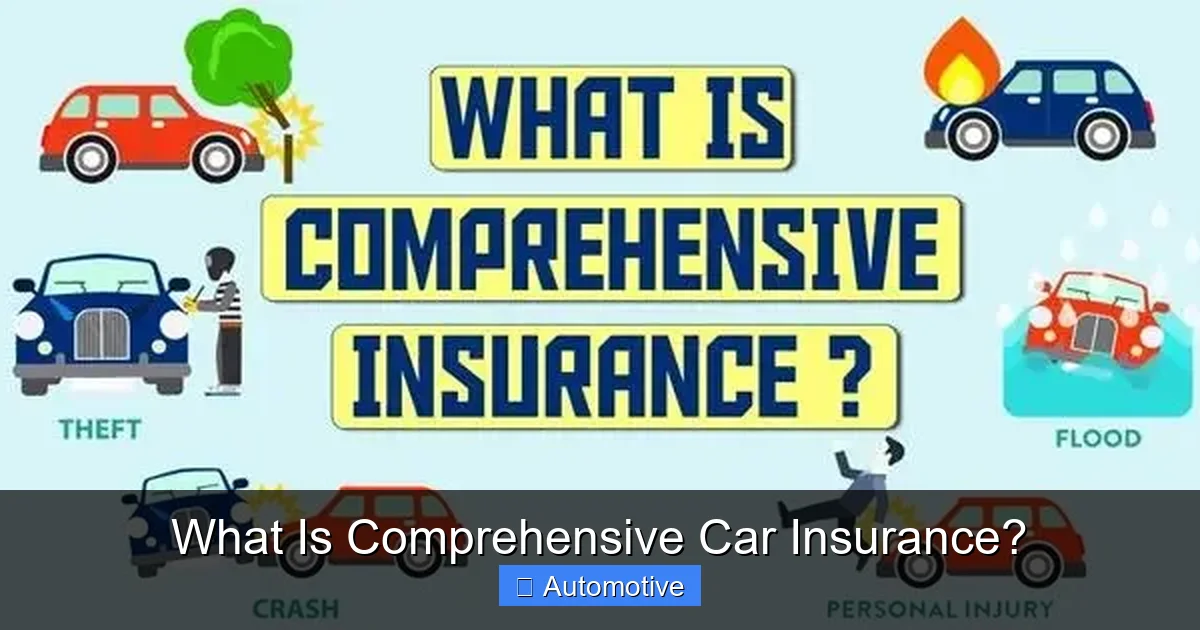
Comprehensive insurance covers a wide range of unexpected events that can damage or destroy your vehicle. Think of it as your car’s personal bodyguard against the unpredictable. Here’s a breakdown of the most common scenarios it protects against.
Theft and Vandalism
One of the biggest fears for car owners is theft. Whether your car is stolen outright or broken into, comprehensive insurance can help cover the loss. If your vehicle is stolen and not recovered, your insurer will typically pay you the actual cash value (ACV) of the car, minus your deductible. This amount is based on the car’s market value at the time of the theft.
Vandalism is another covered event. If someone keyes your car, spray-paints it, or smashes your windows out of spite, comprehensive insurance will pay for repairs. For example, if your car is parked overnight and someone breaks the side window to steal your stereo, your policy will cover both the window replacement and the stolen item (up to policy limits).
Natural Disasters and Weather Damage
Mother Nature doesn’t care about your insurance policy—but comprehensive coverage does. Damage from hurricanes, tornadoes, floods, hail, and wildfires are all covered under this policy. If a hailstorm dents your roof and hood, or a flood submerges your engine, comprehensive insurance will help cover the repairs.
Even falling objects like tree branches, rocks, or debris from construction sites are included. Picture this: A construction crane drops a beam onto your parked car. Without comprehensive coverage, you’d be stuck paying for thousands in bodywork. With it, your insurer handles the bill (minus your deductible).
Animal Collisions
Hitting a deer, moose, or even a large bird can cause serious damage to your vehicle. While collision insurance covers crashes with other vehicles or objects, comprehensive insurance specifically covers animal-related damage. So if you swerve to avoid a raccoon and end up with a cracked windshield, comprehensive will cover the repair.
This is especially important in rural or wooded areas where wildlife crossings are common. In fact, deer-vehicle collisions peak in the fall and early winter, making comprehensive coverage a wise investment during those months.
Fire and Explosions
Fires can start for many reasons—electrical faults, engine overheating, or even arson. If your car catches fire, whether it’s parked in your garage or on the street, comprehensive insurance will cover the damage. This includes both the cost of repairs and, if the car is totaled, the actual cash value.
Even if the fire starts elsewhere—like a house fire that spreads to your parked car—comprehensive coverage still applies. It’s one of the most overlooked but valuable protections in your policy.
Glass and Windshield Damage
Cracked or shattered windshields are more common than you think. A small rock kicked up by a truck can cause a chip that spreads into a crack. Many comprehensive policies cover windshield repairs or replacements with little or no deductible.
Some insurers even offer “full glass coverage” as an add-on, which means you won’t pay anything out of pocket for windshield repairs. This is especially helpful if you live in an area with gravel roads or frequent construction.
What Comprehensive Car Insurance Does NOT Cover
Visual guide about What Is Comprehensive Car Insurance?
Image source: i0.wp.com
While comprehensive insurance is broad, it’s not all-encompassing. It’s important to know what’s excluded so you don’t face surprises when filing a claim.
Collision Damage
If you hit another car, a pole, or a wall, that’s covered under collision insurance, not comprehensive. For example, if you skid on ice and crash into a guardrail, collision coverage pays for the damage. Comprehensive only kicks in if the same accident involved a falling tree branch or a flood.
Medical Expenses
Comprehensive insurance does not cover injuries to you, your passengers, or others. Medical costs are handled by medical payments coverage (MedPay) or personal injury protection (PIP), depending on your state.
Mechanical Breakdowns
If your engine fails due to wear and tear or a mechanical issue, that’s not covered. Comprehensive only covers sudden, external events—not gradual deterioration. For mechanical issues, you’d need an extended warranty or mechanical breakdown insurance.
Personal Belongings
While comprehensive covers damage to your car, it doesn’t typically cover personal items stolen from inside—like laptops, phones, or purses. Those are usually covered under your homeowner’s or renter’s insurance policy. However, some auto insurers offer limited personal property coverage as an add-on.
Normal Wear and Tear
Scratches, dents, or rust that develop over time aren’t covered. Comprehensive insurance is for sudden, unexpected events—not the natural aging of your vehicle.
How Much Does Comprehensive Car Insurance Cost?
Visual guide about What Is Comprehensive Car Insurance?
Image source: directautoinsurance.org
The cost of comprehensive car insurance varies based on several factors, but it’s generally affordable—especially when you consider the protection it offers. On average, comprehensive coverage costs between $100 and $300 per year, depending on your location, vehicle, and driving history.
Factors That Affect Your Premium
Several things influence how much you’ll pay for comprehensive coverage:
– **Your car’s value:** Newer or more expensive cars cost more to insure because they’re more costly to repair or replace.
– **Location:** If you live in an area with high theft rates, frequent storms, or wildlife activity, your premium may be higher.
– **Deductible:** Choosing a higher deductible (the amount you pay out of pocket before insurance kicks in) lowers your premium. A $500 deductible is common, but you can go as high as $1,000 to save money.
– **Driving record:** While comprehensive claims don’t affect your rates as much as at-fault accidents, a clean record can still help keep premiums low.
– **Insurance company:** Rates vary widely between providers, so it pays to shop around.
Is It Worth the Cost?
For most drivers, yes. Consider this: Replacing a windshield can cost $300–$1,000. Repairing hail damage might run $2,000 or more. If your car is stolen, you could lose $10,000–$30,000 overnight. Paying $150 a year for comprehensive coverage is a small price to avoid those financial shocks.
If you have an older car with low market value, you might consider dropping comprehensive coverage. But if your car is worth more than $4,000, it’s usually worth keeping.
Comprehensive vs. Collision vs. Liability: What’s the Difference?
It’s easy to get confused between the different types of auto insurance. Here’s a simple breakdown:
Liability Insurance
This is the only type of car insurance required by law in most states. It covers damage or injuries you cause to others in an accident. It does not cover your own vehicle or medical expenses.
Collision Insurance
Collision coverage pays for damage to your car when you hit another vehicle or object—like a tree, fence, or another car—regardless of fault. It’s essential if you want to repair or replace your car after a crash.
Comprehensive Insurance
As we’ve discussed, comprehensive covers non-collision events like theft, fire, weather, and animal damage. It’s often paired with collision coverage to provide “full coverage” protection.
Full Coverage Explained
When people say “full coverage,” they usually mean liability, collision, and comprehensive insurance combined. This trio gives you the most complete protection for your vehicle. If you’re financing or leasing, your lender will require full coverage to protect their investment.
When Should You Get Comprehensive Car Insurance?
Deciding whether to add comprehensive coverage depends on your situation. Here are some scenarios where it makes the most sense.
You’re Financing or Leasing Your Car
Lenders and leasing companies want to protect their asset. If you don’t own your car outright, they’ll require comprehensive (and collision) insurance. Skipping it could violate your loan agreement and lead to penalties or even repossession.
You Live in a High-Risk Area
If you’re in a region prone to hurricanes, wildfires, hailstorms, or high theft rates, comprehensive coverage is a no-brainer. For example, Florida drivers face frequent hurricanes, while urban areas like Chicago or Los Angeles have higher vehicle theft rates.
You Drive a Newer or Expensive Car
The more your car is worth, the more you stand to lose. Comprehensive insurance helps protect your investment. Even if you own your car outright, the cost of repairs after a fire or theft could be devastating.
You Park Outside or in Unsecured Areas
If you don’t have a garage and park on the street or in a lot, your car is more vulnerable to theft, vandalism, and weather damage. Comprehensive coverage gives you peace of mind.
You Want Maximum Protection
Even if your car is older, comprehensive insurance can still be worth it if you value financial security. It’s a small annual cost for protection against major losses.
Tips for Choosing the Right Comprehensive Coverage
Not all comprehensive policies are created equal. Here’s how to make sure you’re getting the best protection for your needs.
Compare Quotes from Multiple Insurers
Don’t settle for the first quote you get. Use online comparison tools or work with an independent agent to compare rates from at least three companies. Look beyond price—check customer service ratings and claims satisfaction.
Understand Your Deductible Options
Your deductible is the amount you pay before insurance covers the rest. A $250 deductible means lower premiums but higher out-of-pocket costs during a claim. A $1,000 deductible saves money monthly but costs more when you file. Choose based on what you can afford to pay in an emergency.
Check for Additional Benefits
Some insurers offer extras like roadside assistance, rental car reimbursement, or disappearing deductibles (where your deductible decreases over time with no claims). These can add real value to your policy.
Review Your Policy Annually
Your needs change over time. If you pay off your car, move to a safer area, or buy a new vehicle, revisit your coverage. You might be able to adjust your deductible or drop unnecessary add-ons.
Bundle for Discounts
Many insurers offer discounts if you bundle auto insurance with home, renters, or life insurance. You could save 10–25% just by combining policies.
Real-Life Examples of Comprehensive Claims
Still wondering how comprehensive insurance works in practice? Here are a few real-world scenarios.
Example 1: Hailstorm Damage
Sarah lives in Oklahoma, where spring hailstorms are common. One afternoon, a severe storm hits, and hail the size of golf balls damages her car’s roof, hood, and windows. She files a comprehensive claim, pays her $500 deductible, and receives $3,200 to cover repairs. Without comprehensive coverage, she’d have paid over $3,700 out of pocket.
Example 2: Car Theft
Mike’s car is stolen from a shopping mall parking lot. He reports it to the police and his insurer. After 30 days, the car isn’t found. His comprehensive policy pays him the actual cash value of $18,000 (minus his $250 deductible). He uses the money to buy a new vehicle.
Example 3: Deer Collision
Lisa hits a deer on a rural road at night. The impact cracks her windshield, damages the grille, and dents the hood. She files a comprehensive claim (since it’s an animal collision), pays her $500 deductible, and gets $2,800 for repairs.
Example 4: Vandalism
Tom parks his car overnight in a city lot. The next morning, he finds the windows smashed and the stereo stolen. His comprehensive policy covers the $1,200 in repairs and $400 for the stereo (up to policy limits), minus his deductible.
Conclusion
Comprehensive car insurance is more than just an optional add-on—it’s a smart financial decision that protects you from life’s unexpected curveballs. From hailstorms to theft, fire to fallen trees, this coverage ensures you’re not left footing the bill when disaster strikes.
While it’s not required by law, it’s often necessary if you’re financing your car or live in a high-risk area. And even if you own your vehicle outright, the peace of mind it provides is priceless. With premiums typically under $300 a year, comprehensive insurance offers incredible value for the protection it delivers.
Before you decide, compare quotes, understand your deductible, and assess your personal risk factors. And remember: when it comes to protecting your car, it’s better to have it and not need it than to need it and not have it.
Investing in comprehensive car insurance isn’t just about following the rules—it’s about taking control of your financial future. So the next time you park your car, you can rest easy knowing you’re covered, no matter what comes your way.
Frequently Asked Questions
Is comprehensive car insurance required by law?
No, comprehensive car insurance is not legally required in most states. However, if you’re financing or leasing your vehicle, your lender will typically require it to protect their investment.
Does comprehensive insurance cover flood damage?
Yes, comprehensive insurance covers damage from floods, hurricanes, and other natural disasters. If your car is submerged or damaged by rising water, your policy will help cover repairs or replacement.
Will filing a comprehensive claim raise my insurance rates?
Generally, no. Because comprehensive claims are not related to at-fault accidents, they’re less likely to increase your premiums. However, some insurers may adjust rates based on frequency of claims.
Can I get comprehensive insurance on an old car?
Yes, you can, but it may not be cost-effective. If your car’s value is low, the cost of coverage might exceed potential payouts. Weigh the cost against the car’s actual cash value.
Does comprehensive insurance cover rental cars?
It depends on your policy. Some insurers extend comprehensive coverage to rental cars used as a temporary replacement for your insured vehicle. Check your policy or ask your agent.
What happens if my car is totaled in a covered event?
If your car is declared a total loss, your insurer will pay you the actual cash value of the vehicle at the time of the incident, minus your deductible. This amount is based on market value, not replacement cost.
