
Does Car Insurance Cover Hail Damage

Yes, car insurance typically covers hail damage—but only if you have comprehensive coverage. This type of policy protects against non-collision events like storms, falling objects, and vandalism. Without it, you’ll likely pay out of pocket for repairs.
Key Takeaways
- Comprehensive coverage is essential: Hail damage is covered under comprehensive insurance, not liability or collision policies.
- Deductibles apply: You’ll pay your deductible before insurance covers the rest of the repair costs.
- Act quickly after a storm: Document damage immediately and file a claim promptly to avoid complications.
- Not all policies are the same: Coverage limits and exclusions vary by insurer and plan—review your policy details.
- Filing a claim may affect premiums: One hail claim usually won’t raise rates, but multiple claims could.
- DIY repairs aren’t always cheaper: Professional repair ensures safety and maintains your car’s value.
- Leased or financed cars often require comprehensive coverage: Lenders typically mandate it to protect their investment.
📑 Table of Contents
- Does Car Insurance Cover Hail Damage? A Complete Guide
- Understanding Comprehensive Coverage: The Key to Hail Protection
- How Hail Damage Occurs and Why It Matters
- Filing a Hail Damage Claim: Step-by-Step
- Will Filing a Hail Claim Increase Your Premium?
- What If You Don’t Have Comprehensive Coverage?
- Tips to Protect Your Car from Hail Damage
- Conclusion: Be Prepared, Not Surprised
Does Car Insurance Cover Hail Damage? A Complete Guide
Imagine this: You park your car outside during a spring storm, only to return and find it dented and pitted from a hailstorm. Your heart sinks. Is your car insurance going to help—or are you stuck with a hefty repair bill?
The good news? In most cases, yes—your car insurance can cover hail damage. But there’s a big “if” involved. It all comes down to the type of coverage you have. Most standard auto insurance policies include liability coverage, which pays for damage you cause to others. But that won’t help when Mother Nature takes a swing at your vehicle.
That’s where comprehensive coverage comes in. This often-overlooked part of your policy is specifically designed to protect your car from non-collision events—like theft, fire, falling trees, and yes, hail. So if you’ve got comprehensive coverage, you’re likely in the clear. But if you’ve skipped it to save money, you might be paying out of pocket.
In this guide, we’ll walk you through everything you need to know about hail damage and car insurance. From understanding your policy to filing a claim and getting repairs done, we’ve got you covered. Whether you’re dealing with dents the size of marbles or golf balls, knowing your rights and options can save you time, stress, and money.
Understanding Comprehensive Coverage: The Key to Hail Protection
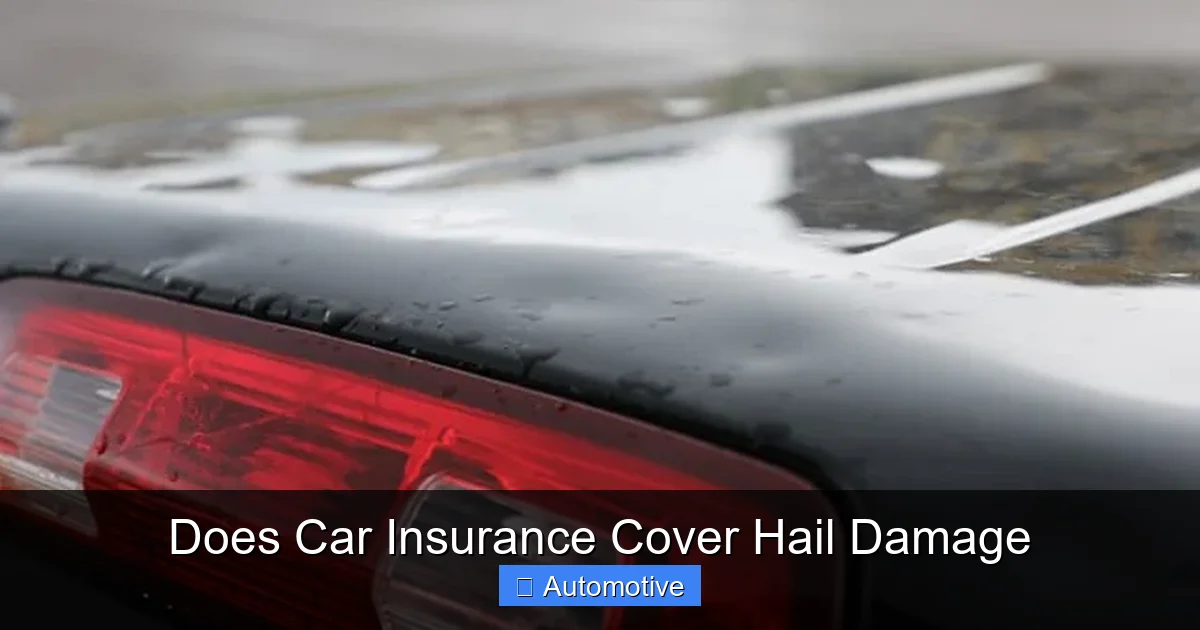
Visual guide about Does Car Insurance Cover Hail Damage
Image source: plymouthrock.com
So, what exactly is comprehensive coverage, and why is it so important when it comes to hail damage?
Comprehensive coverage is an optional part of most auto insurance policies that protects your vehicle from damage caused by events other than collisions. Think of it as your car’s umbrella policy—it shields you from the unexpected, whether it’s a fallen tree branch, a break-in, or a sudden hailstorm.
Unlike liability insurance (which covers damage you cause to others) or collision coverage (which pays for damage from crashes), comprehensive coverage steps in when your car is damaged by something outside your control. That includes weather-related incidents like hail, floods, lightning, and even animal collisions.
Here’s a quick breakdown of what comprehensive coverage typically includes:
- Hail and storm damage
- Theft or vandalism
- Fire or explosion
- Falling objects (like tree limbs or debris)
- Animal strikes (e.g., hitting a deer)
- Glass damage (windshield cracks from flying debris)
Now, here’s the catch: comprehensive coverage isn’t automatically included in every policy. It’s usually added as an extra, and it comes with its own deductible—typically ranging from $250 to $1,000. That means if your car suffers $2,000 in hail damage and your deductible is $500, your insurance will pay $1,500 toward repairs.
But why would anyone skip this coverage? Some drivers opt out to lower their monthly premiums, especially if they live in areas with mild weather. However, that decision can backfire during a severe storm. Hailstorms can strike unexpectedly, even in regions not traditionally known for severe weather. In fact, the National Oceanic and Atmospheric Administration (NOAA) reports that hail causes over $1 billion in damage to property and crops each year in the U.S.—and vehicles are a major part of that.
For example, imagine you live in Texas, where hailstorms are common. You decide to drop comprehensive coverage to save $30 a month. Then, a spring storm rolls through, and your car gets pummeled with hail. Repair estimates come in at $3,500. Without comprehensive coverage, you’re on the hook for the full amount. That $360 you saved over a year just vanished—and then some.
How Hail Damage Occurs and Why It Matters
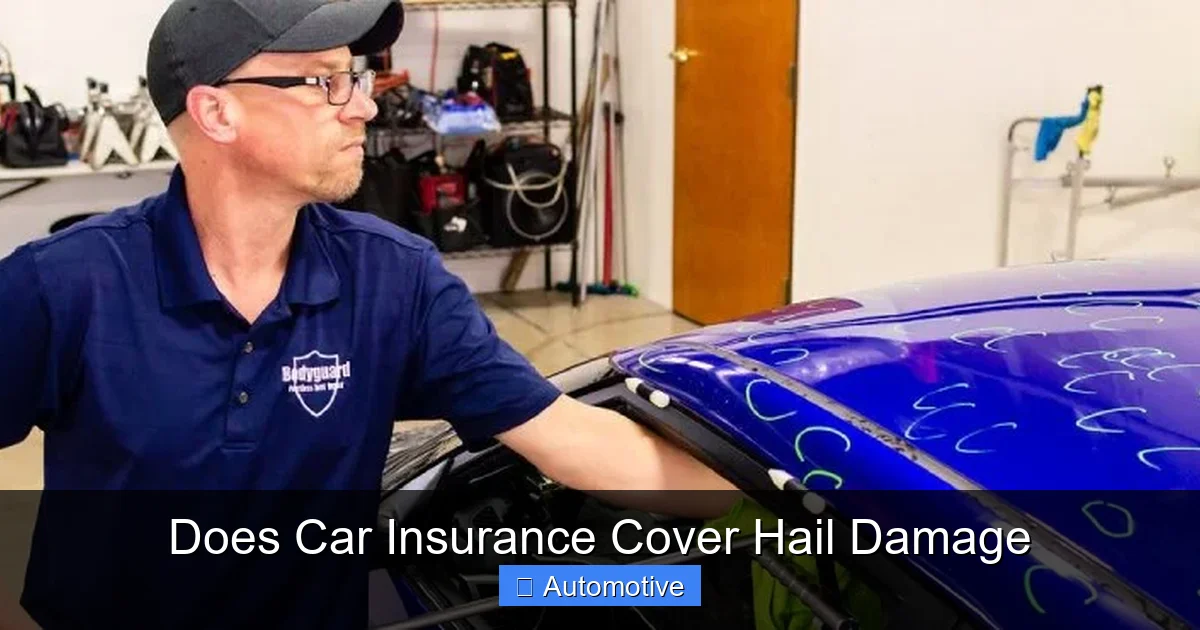
Visual guide about Does Car Insurance Cover Hail Damage
Image source: bodyguardpdr.com
Hail forms when updrafts in thunderstorms carry raindrops high into the atmosphere, where temperatures are below freezing. These droplets freeze and collect layers of ice as they’re tossed up and down by wind currents. When the hailstones become too heavy for the updrafts to support, they fall to the ground—sometimes at speeds exceeding 100 miles per hour.
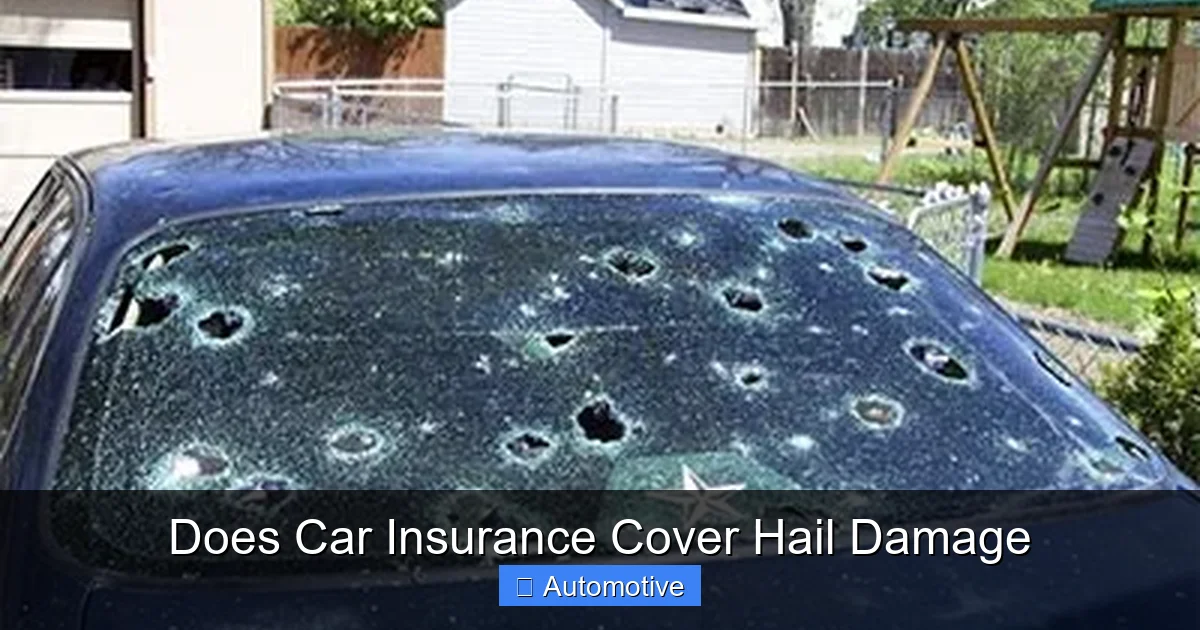
The size of hail can vary dramatically. Pea-sized hail (about ¼ inch) might cause minor cosmetic damage, while golf ball-sized hail (1.75 inches) can dent roofs, break windshields, and severely damage vehicles. In extreme cases, hail the size of softballs (4.5 inches) has been recorded, capable of totaling cars and causing structural damage to buildings.
When hail hits your car, it can cause:
- Dents on the hood, roof, trunk, and doors
- Cracked or shattered windshields and windows
- Damage to mirrors, lights, and trim
- Paint chipping or peeling
- Weakened structural integrity in severe cases
Even small dents can be problematic. They not only affect your car’s appearance but can also lead to rust if the paint is compromised. Over time, moisture can seep into the metal, causing corrosion that weakens the body and reduces your vehicle’s resale value.
Let’s look at a real-world example. In 2021, a hailstorm in Denver, Colorado, caused an estimated $2.3 billion in damage—the costliest in the state’s history. Thousands of vehicles were damaged, with repair bills averaging between $2,000 and $5,000 per car. Many drivers were shocked to learn that their standard liability-only policies didn’t cover the damage. Those with comprehensive coverage, however, were able to file claims and get their cars repaired with minimal out-of-pocket costs.
This highlights a crucial point: hail damage isn’t just a cosmetic issue. It can be expensive, disruptive, and even dangerous if it affects critical components like windshields or sensors. That’s why understanding your coverage—and acting quickly—is so important.
Filing a Hail Damage Claim: Step-by-Step
Visual guide about Does Car Insurance Cover Hail Damage
Image source: lowcostinsurancetx.com
If your car has been damaged by hail, the first thing to do is stay calm and assess the situation. Then, follow these steps to file a claim and get your vehicle repaired.
1. Document the Damage Immediately
As soon as it’s safe, take photos and videos of your car from multiple angles. Capture close-ups of dents, cracks, and any broken glass. If possible, note the time, date, and location of the storm. This documentation will be crucial when filing your claim.
Pro tip: Use your smartphone’s timestamp feature or include a newspaper or weather app screenshot in your photos to prove when the damage occurred.
2. Contact Your Insurance Company
Call your insurer as soon as possible—most companies allow you to file claims online or through a mobile app. Provide your policy number, describe the damage, and upload your photos. The insurer will assign a claims adjuster to evaluate the damage.
Most insurers have a time limit for filing claims after a storm (usually 30 to 90 days), so don’t delay.
3. Get a Repair Estimate
Your insurance company may recommend a repair shop, but you’re not required to use it. You can get estimates from multiple body shops to compare prices and services. Be sure to choose a reputable shop with experience in hail damage repair.
Some insurers use software like CCC One or Audatex to generate estimates based on photos, which can speed up the process.
4. Pay Your Deductible
Once the claim is approved, you’ll need to pay your deductible before repairs begin. For example, if your deductible is $500 and the repair cost is $3,000, you pay $500, and the insurer covers the remaining $2,500.
Keep in mind that if the repair cost is close to or exceeds your car’s actual cash value (ACV), the insurer may declare it a total loss. In that case, you’ll receive a payout equal to the ACV minus your deductible.
5. Choose Your Repair Method
There are two main ways to repair hail damage:
- Paintless Dent Repair (PDR): A technician uses specialized tools to massage dents out from the inside of the panel, preserving the original paint. This method is faster, cheaper, and maintains your car’s value. It works best for small to medium dents with no paint damage.
- Traditional Body Repair: If the paint is cracked or the metal is severely damaged, the panel may need to be replaced or repaired with body filler and repainted. This is more expensive and time-consuming but necessary for extensive damage.
Ask your repair shop which method they recommend based on the severity of the damage.
6. Keep Records
Save all receipts, repair invoices, and communication with your insurer. These records can be helpful if you sell the car later or need to file another claim.
Will Filing a Hail Claim Increase Your Premium?
One of the biggest concerns drivers have is whether filing a hail damage claim will cause their insurance rates to go up.
The short answer: It depends.
In most cases, a single hail claim—especially for a weather-related event—won’t significantly increase your premium. Insurance companies understand that hailstorms are acts of nature, not driver negligence. In fact, many insurers offer “no-fault” or “act of God” protections that prevent rate hikes for weather-related claims.
However, there are exceptions:
- If you have multiple claims in a short period, your insurer may view you as a higher risk.
- Some states allow insurers to consider claim frequency when setting rates, even for non-collision events.
- If the claim is large (e.g., $5,000 or more), it could trigger a review of your policy.
To minimize the impact on your premium:
- Only file a claim if the repair cost exceeds your deductible by a significant amount.
- Ask your insurer about claim forgiveness programs—some companies offer one free claim per year.
- Consider raising your deductible to lower your premium, but only if you can afford to pay it out of pocket.
For example, if your deductible is $250 and the repair cost is $400, you might decide to pay the $150 difference yourself to avoid filing a claim. But if the repair is $2,000, filing the claim makes financial sense.
What If You Don’t Have Comprehensive Coverage?
If you don’t have comprehensive coverage, you’re likely out of luck when it comes to hail damage. Standard liability and collision policies don’t cover weather-related damage, so you’ll have to pay for repairs yourself.
But all is not lost. Here are a few options:
- Pay out of pocket: If the damage is minor, you might be able to cover the cost yourself. Paintless dent repair can be surprisingly affordable—sometimes under $500 for multiple dents.
- Use a credit card or personal loan: For larger repairs, financing options can help spread the cost over time. Just be mindful of interest rates.
- Check for state or local assistance: In rare cases, government programs or disaster relief funds may help with storm damage—though this is more common for homes than vehicles.
- Negotiate with repair shops: Some body shops offer payment plans or discounts for cash payments.
However, the best long-term solution is to add comprehensive coverage to your policy—especially if you live in a hail-prone area. The average cost of comprehensive coverage is around $150 to $300 per year, depending on your location, vehicle, and driving history. Given that a single hailstorm can cause thousands in damage, it’s often a worthwhile investment.
Tips to Protect Your Car from Hail Damage
While you can’t control the weather, there are steps you can take to reduce your risk of hail damage:
- Park in a garage or covered area: This is the most effective way to protect your car. If you don’t have a garage, consider a carport or portable shelter.
- Use a hail blanket or car cover: These padded covers can absorb impact and prevent dents. They’re especially useful if you’re caught in a storm while traveling.
- Stay informed about weather forecasts: Use weather apps to monitor storm warnings. If a hailstorm is predicted, move your car to safety if possible.
- Install a hail alert system: Some smart car systems and apps send real-time alerts when hail is detected in your area.
- Consider comprehensive coverage: Even if you live in a low-risk area, adding comprehensive coverage provides peace of mind.
For example, a hail blanket costs around $50 to $150 and can be stored in your trunk. While it won’t stop all damage, it can significantly reduce the severity of dents—especially from smaller hailstones.
Conclusion: Be Prepared, Not Surprised
Hail damage can be a frustrating and expensive surprise—but it doesn’t have to be. With the right insurance coverage and a little preparation, you can protect your vehicle and your wallet.
The key takeaway is simple: comprehensive coverage is your best defense against hail damage. It’s not just for luxury cars or high-risk areas—it’s a smart investment for any driver who wants to avoid unexpected repair bills.
If you’re unsure about your current policy, now is the time to review it. Check whether you have comprehensive coverage, what your deductible is, and how much protection you actually have. Talk to your insurance agent if you have questions.
And remember: even if you’ve never seen hail in your area, storms can change quickly. Climate patterns are shifting, and extreme weather events are becoming more common. Being prepared today can save you a lot of stress tomorrow.
So, does car insurance cover hail damage? Yes—if you have comprehensive coverage. Don’t wait for the next storm to find out the hard way. Protect your car, protect your investment, and drive with confidence.
Frequently Asked Questions
Does liability insurance cover hail damage?
No, liability insurance only covers damage you cause to other people’s property or vehicles. It does not cover damage to your own car from hail or other non-collision events.
Will my insurance go up if I file a hail damage claim?
In most cases, a single hail claim won’t raise your rates, especially since it’s considered an act of nature. However, multiple claims or very high repair costs could affect your premium.
Can I choose my own repair shop after a hail claim?
Yes, you have the right to choose any licensed repair shop. Your insurer may recommend one, but you’re not required to use it.
What if my car is totaled by hail damage?
If the repair cost exceeds your car’s actual cash value, the insurer will declare it a total loss. You’ll receive a payout equal to the car’s value minus your deductible.
Is hail damage covered if my car is parked?
Yes, comprehensive coverage applies whether your car is parked or in motion. As long as the damage is from hail and not a collision, it’s covered.
How long do I have to file a hail damage claim?
Most insurers require you to file within 30 to 90 days of the damage. Check your policy or contact your agent to confirm the deadline.