
How to Cool Down a Car Engine Safely

Overheating can cause serious engine damage, but knowing how to cool down a car engine safely can save you time, money, and stress. This guide walks you through immediate actions, preventive maintenance, and long-term strategies to keep your engine running smoothly and safely.
Key Takeaways
- Pull over immediately if the engine overheats: Continuing to drive can warp engine components or cause a blown head gasket.
- Turn off the engine and let it cool naturally: Never open the radiator cap while hot—steam and boiling coolant can cause severe burns.
- Use the heater to draw heat away from the engine: Turning on the heater at full blast helps transfer heat from the engine to the cabin.
- Check coolant levels once the engine is cool: Low coolant is a common cause of overheating—top it off with the correct mixture.
- Inspect for leaks, radiator issues, or thermostat failure: Regular checks help prevent future overheating incidents.
- Maintain your cooling system annually: Flushing the coolant and inspecting hoses and belts extends engine life.
- Know when to call a professional: If overheating persists, it may signal a deeper mechanical issue requiring expert diagnosis.
📑 Table of Contents
- How to Cool Down a Car Engine Safely
- Recognizing the Signs of an Overheating Engine
- Immediate Steps to Cool Down an Overheating Engine
- How to Safely Check and Refill Coolant
- Common Causes of Engine Overheating and How to Fix Them
- Preventive Maintenance to Avoid Overheating
- When to Call a Professional
- Conclusion
How to Cool Down a Car Engine Safely
Driving on a hot summer day, stuck in traffic, or climbing a steep hill—any of these situations can push your car’s engine to its limits. When the temperature gauge starts creeping into the red zone, panic can set in. But knowing how to cool down a car engine safely isn’t just about avoiding a breakdown—it’s about protecting your vehicle from serious, costly damage.
An overheating engine is one of the most common automotive emergencies, and it can happen to any car, regardless of age or make. The good news? Most overheating incidents can be managed safely if you know what to do. This guide will walk you through the steps to cool down your engine the right way, explain why certain actions work, and help you prevent future problems. Whether you’re a new driver or a seasoned road warrior, these tips will keep you calm and in control when your engine starts to overheat.
Recognizing the Signs of an Overheating Engine
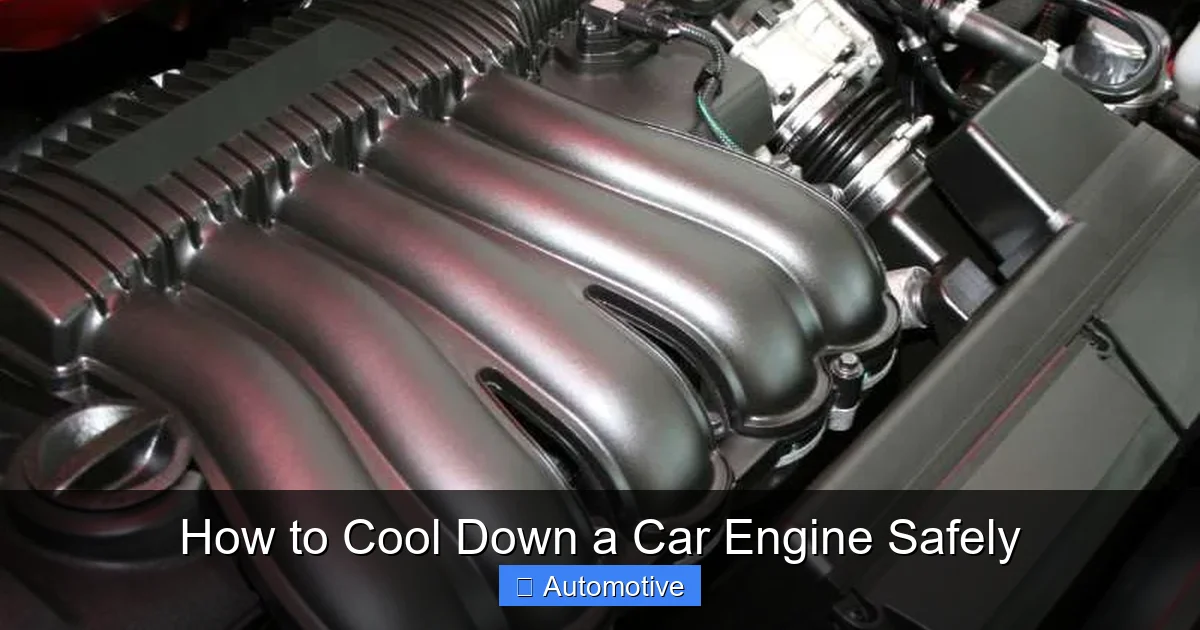
Before you can cool down a car engine safely, you need to know when it’s actually overheating. Ignoring the warning signs can lead to catastrophic engine failure. So, what should you look for?
Visual guide about How to Cool Down a Car Engine Safely
Image source: drivinglife.net
Dashboard Warning Lights
The most obvious sign is the temperature warning light on your dashboard. It usually looks like a thermometer submerged in waves or a red light shaped like a radiator. If this light comes on, don’t wait—take action immediately. Some vehicles also have a digital temperature gauge that shows real-time engine temperature. If it’s climbing toward the red zone, your engine is in trouble.
Steam or Smoke from Under the Hood
If you see steam or smoke billowing from under the hood, your engine is dangerously hot. Steam often indicates boiling coolant, while smoke could mean oil is leaking onto hot engine parts. In either case, pull over as soon as it’s safe to do so. Do not open the hood right away—wait at least 10–15 minutes to let things cool down.
Unusual Smells
A sweet, syrupy smell usually means coolant is leaking and burning off. A burning oil smell suggests oil is dripping onto hot components. Both are serious signs that your engine is overheating and needs immediate attention.
Loss of Power or Strange Noises
An overheating engine may lose power, hesitate, or make knocking or pinging sounds. These noises can indicate that internal parts are expanding due to excessive heat, which can lead to warping or seizing.
Coolant Leaks
Puddles of green, orange, or pink fluid under your car are a clear sign of a coolant leak. Coolant is essential for regulating engine temperature, so low levels can quickly lead to overheating.
Recognizing these signs early gives you the best chance to cool down your car engine safely and avoid major repairs. The moment you notice any of these symptoms, begin the cooling process right away.
Immediate Steps to Cool Down an Overheating Engine
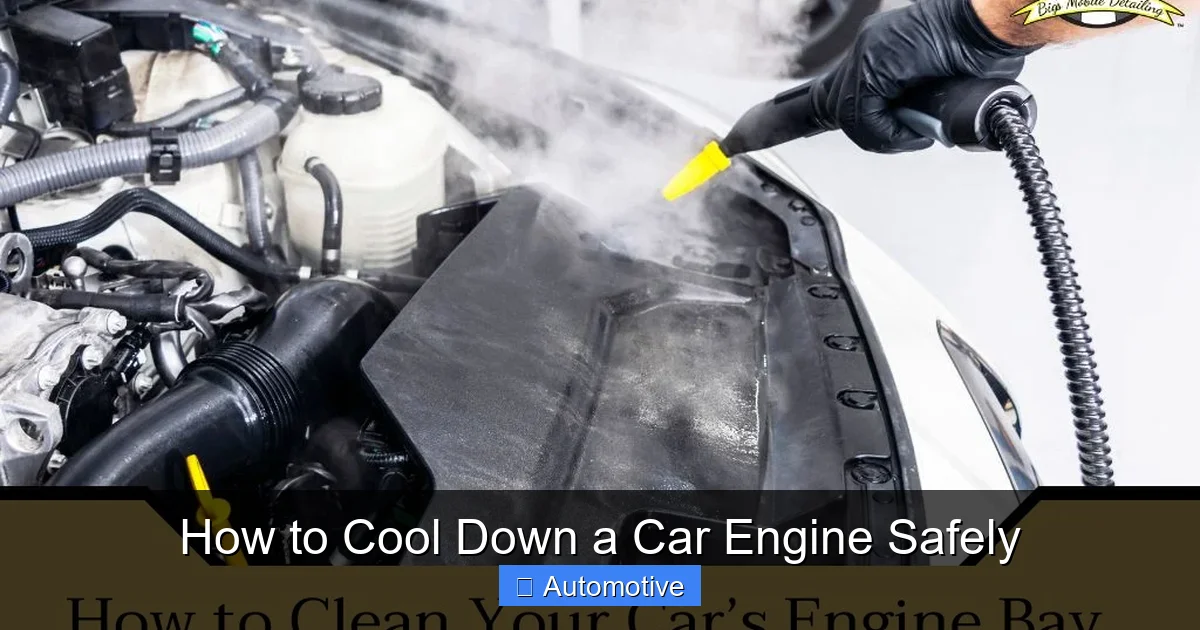
When your engine starts to overheat, every second counts. But rushing can be dangerous. Follow these steps in order to cool down your car engine safely and effectively.
Visual guide about How to Cool Down a Car Engine Safely
Image source: bigsmobile.com
1. Pull Over Safely
As soon as you notice the temperature gauge rising or see warning signs, find a safe place to pull over. Turn on your hazard lights to alert other drivers. Do not stop in the middle of the road or on a busy highway. If you’re on a freeway, drive slowly to the next exit or rest area. Continuing to drive, even for a short distance, can cause irreversible damage.
2. Turn Off the Engine
Once you’re safely stopped, turn off the engine immediately. This stops the combustion process, which is the main source of heat. Letting the engine idle will only make things worse. However, do not open the hood right away—hot coolant and steam can escape violently when the radiator cap is removed.
3. Let the Engine Cool Naturally
This is the most important step: patience. Allow the engine to cool for at least 15–30 minutes. The longer, the better. Opening the radiator cap while the engine is hot can cause a sudden release of pressure, leading to a geyser of boiling coolant that can cause severe burns. Never attempt to remove the cap until the engine is completely cool to the touch.
4. Turn On the Heater (While Driving, If Possible)
If you’re still driving when the overheating begins, turn on the heater to full blast and roll down the windows. This might sound counterintuitive—why add heat to the cabin?—but it actually helps draw heat away from the engine. The heater core acts as a secondary radiator, pulling heat from the coolant and releasing it into the cabin. This can buy you a few extra minutes to reach a safe stopping point.
5. Do Not Pour Cold Water on a Hot Engine
You might be tempted to pour cold water on the engine to cool it down quickly, but this is extremely dangerous. Rapid cooling can cause engine components like the cylinder head or engine block to crack due to thermal shock. Always let the engine cool naturally.
6. Check for Obvious Issues
Once the engine has cooled, carefully open the hood and inspect for visible problems. Look for leaking coolant, broken hoses, a loose serpentine belt, or a damaged radiator fan. Do not touch any parts until they’re cool. If you see a broken belt or major leak, do not attempt to drive the car—call for roadside assistance.
These immediate steps are your first line of defense when your engine overheats. Acting quickly and calmly can prevent a minor issue from becoming a major repair.
How to Safely Check and Refill Coolant
Coolant, also known as antifreeze, is the lifeblood of your engine’s cooling system. It absorbs heat from the engine and transfers it to the radiator, where it’s dissipated into the air. Low coolant levels are one of the most common causes of overheating. Here’s how to check and refill it safely.
Visual guide about How to Cool Down a Car Engine Safely
Image source: i.ytimg.com
Wait Until the Engine Is Cool
Never open the radiator cap while the engine is hot. The cooling system is pressurized when hot, and removing the cap can cause a sudden release of steam and boiling coolant. Wait at least 30 minutes after turning off the engine before inspecting the coolant.
Locate the Coolant Reservoir
Most modern cars have a translucent coolant overflow tank or reservoir near the radiator. This tank has “MIN” and “MAX” markings. Check the coolant level when the engine is cold. If the level is below the “MIN” line, you need to add coolant.
Use the Right Coolant
Not all coolants are the same. Check your owner’s manual to find the correct type for your vehicle. Using the wrong coolant can damage the cooling system or reduce its efficiency. Most cars use a 50/50 mix of coolant and distilled water. Pre-mixed coolant is available at auto parts stores and is convenient for top-offs.
Add Coolant Gradually
Slowly pour the coolant into the reservoir until it reaches the “MAX” line. Do not overfill. If the reservoir is empty and the radiator is also low, you may need to add coolant directly to the radiator. Only do this when the engine is completely cool. Remove the radiator cap slowly, turning it counterclockwise until it stops, then press down and turn further to release pressure.
Check for Leaks
After adding coolant, inspect the area around the radiator, hoses, water pump, and reservoir for signs of leaks. Look for wet spots, stains, or dried coolant residue. A leak could explain why your coolant level dropped in the first place.
Test the System
Once you’ve added coolant, start the engine and let it run for a few minutes. Turn on the heater to ensure coolant is circulating properly. Watch the temperature gauge to make sure it stays in the normal range. If the engine continues to overheat, there may be a deeper issue.
Regularly checking and maintaining your coolant level is one of the simplest ways to prevent overheating. Make it a habit during routine maintenance or before long trips.
Common Causes of Engine Overheating and How to Fix Them
Understanding why your engine overheats is key to preventing it from happening again. While low coolant is a common culprit, several other issues can cause your engine to overheat. Here are the most frequent causes and how to address them.
Low Coolant Level
As mentioned, low coolant is the most obvious cause. It can result from leaks, evaporation, or simply forgetting to top it off. Regularly check your coolant level and inspect for leaks. If you frequently need to add coolant, have a mechanic inspect the system for hidden leaks.
Faulty Thermostat
The thermostat regulates coolant flow between the engine and radiator. If it gets stuck in the closed position, coolant can’t circulate, causing the engine to overheat. Symptoms include the temperature gauge rising quickly and the upper radiator hose remaining cold. A mechanic can test and replace a faulty thermostat.
Radiator Problems
The radiator dissipates heat from the coolant. If it’s clogged with debris, damaged, or leaking, it can’t cool the engine effectively. Inspect the radiator for bent fins, leaks, or blockages. Cleaning the radiator with compressed air or a soft brush can help, but severe damage may require replacement.
Cooling Fan Failure
The radiator fan pulls air through the radiator when the car is idling or moving slowly. If the fan isn’t working, the engine can overheat in traffic. Check if the fan turns on when the engine is hot. If not, the issue could be a blown fuse, faulty relay, or bad motor. Have it diagnosed by a professional.
Water Pump Failure
The water pump circulates coolant through the engine and radiator. If it fails, coolant stops flowing, and the engine overheats. Signs include coolant leaks near the pump, a whining noise, or steam from the front of the engine. Water pump replacement is a complex job best left to mechanics.
Blown Head Gasket
A blown head gasket is a serious issue that allows combustion gases to enter the cooling system, causing overheating and white smoke from the exhaust. Other signs include milky oil, coolant loss without leaks, and bubbling in the coolant reservoir. This requires immediate professional repair.
Blocked or Collapsed Hoses
Coolant hoses can become blocked, kinked, or collapse under suction, restricting coolant flow. Inspect all hoses for cracks, bulges, or soft spots. Replace any damaged hoses promptly.
Identifying the root cause of overheating helps you take the right corrective action. While some fixes are simple, others require professional help. Don’t ignore recurring overheating—it’s a warning sign that something serious may be wrong.
Preventive Maintenance to Avoid Overheating
The best way to cool down a car engine safely is to prevent overheating in the first place. Regular maintenance keeps your cooling system in top shape and reduces the risk of breakdowns. Here’s how to stay ahead of the problem.
Check Coolant Levels Monthly
Make it a habit to check your coolant level at least once a month, especially before long trips. Look at the reservoir when the engine is cold and top off if needed. Keep a bottle of pre-mixed coolant in your trunk for emergencies.
Flush the Cooling System Annually
Over time, coolant breaks down and accumulates rust, scale, and debris. Most manufacturers recommend flushing the cooling system every 30,000 to 50,000 miles or every 2–3 years. This removes old coolant and replaces it with fresh fluid, improving efficiency and preventing corrosion.
Inspect Hoses and Belts
Check coolant hoses for cracks, leaks, or soft spots. The serpentine belt that drives the water pump should be tight and free of wear. Replace any damaged components promptly. A broken belt can stop the water pump, leading to instant overheating.
Clean the Radiator
Dirt, bugs, and debris can clog the radiator fins, reducing airflow. Use a soft brush or compressed air to clean the front of the radiator regularly. Be gentle—bent fins can restrict airflow even more.
Test the Thermostat
If your engine takes a long time to warm up or overheats frequently, the thermostat may be faulty. A mechanic can test it by heating it in water to see if it opens at the correct temperature.
Monitor the Temperature Gauge
Pay attention to your dashboard. If the temperature gauge starts to rise, even slightly, investigate immediately. Early detection can prevent major damage.
Use the Correct Coolant
Always use the coolant type specified in your owner’s manual. Mixing different types can cause chemical reactions that damage the cooling system. Never use plain water as a long-term substitute—it can cause corrosion and freeze in cold weather.
Preventive maintenance takes just a few minutes but can save you hundreds in repairs. A well-maintained cooling system keeps your engine running cool and efficient year-round.
When to Call a Professional
While many overheating issues can be managed with basic knowledge and tools, some problems require expert attention. Knowing when to call a mechanic can prevent further damage and ensure your safety.
Persistent Overheating
If your engine continues to overheat after topping off coolant and checking for obvious issues, there’s likely a deeper problem. A mechanic can perform a pressure test, check for internal leaks, and diagnose components like the water pump or head gasket.
Coolant Contamination
If you notice oil in the coolant or coolant in the oil, it could indicate a blown head gasket or cracked engine block. These are serious issues that require immediate professional repair.
Strange Noises or Smoke
Knocking, hissing, or excessive smoke from the engine are signs of major mechanical failure. Do not attempt to drive the car—call a tow truck and have it inspected by a qualified technician.
Electrical Issues
If the cooling fan isn’t working, the problem could be electrical—a blown fuse, bad relay, or faulty sensor. A mechanic can use diagnostic tools to pinpoint the issue.
After a Major Overheating Incident
Even if you’ve cooled down the engine safely, a severe overheating event can cause hidden damage. Have a mechanic inspect the engine, head gasket, and cooling system to ensure everything is intact.
Don’t take chances with your engine. When in doubt, call a professional. It’s better to spend a little on diagnostics than a lot on engine replacement.
Conclusion
Knowing how to cool down a car engine safely is an essential skill for every driver. Overheating can happen to anyone, but with the right knowledge, you can respond calmly and effectively. Remember to pull over immediately, turn off the engine, and let it cool naturally. Never open the radiator cap while hot, and avoid pouring cold water on the engine. Use the heater to draw heat away if you’re still driving, and always check coolant levels once the engine is cool.
Prevention is just as important as reaction. Regular maintenance—like checking coolant, inspecting hoses, and flushing the system—can keep your engine running smoothly for years. And if overheating persists or you notice serious symptoms like smoke or strange noises, don’t hesitate to call a professional.
Your car’s engine is a complex, hardworking machine. Treat it with care, and it will take you wherever you need to go—safely and reliably. Stay cool, stay informed, and drive with confidence.
Frequently Asked Questions
Can I drive my car if the engine is overheating?
No, you should not drive if the engine is overheating. Continuing to drive can cause severe damage, including a warped cylinder head or blown head gasket. Pull over safely and turn off the engine immediately.
Is it safe to open the radiator cap when the engine is hot?
No, it is not safe. The cooling system is pressurized when hot, and opening the cap can release steam and boiling coolant, causing serious burns. Always wait until the engine is completely cool before removing the cap.
Why does my engine overheat only in traffic?
This often indicates a problem with the cooling fan. At low speeds, the fan is responsible for pulling air through the radiator. If it’s not working, the engine can overheat in stop-and-go traffic.
Can I use water instead of coolant?
You can use distilled water in an emergency, but it’s not a long-term solution. Water lacks the antifreeze and corrosion protection of coolant and can freeze or boil more easily. Always replace it with the correct coolant as soon as possible.
How often should I check my coolant level?
Check your coolant level at least once a month, especially before long trips or during extreme weather. Make it part of your regular vehicle maintenance routine.
What should I do if my engine overheats and I’m far from help?
Pull over safely, turn off the engine, and let it cool for at least 30 minutes. If you have coolant, add it once the engine is cool. If the problem persists, call for roadside assistance or a tow truck. Do not attempt to drive if the engine continues to overheat.