
How Much Is Car Insurance in Indiana?

Car insurance in Indiana costs an average of $1,200 to $1,500 per year for full coverage, though rates vary by driver, location, and coverage level. Understanding state requirements, discounts, and shopping around can help you find affordable, reliable coverage.
Key Takeaways
- Average annual cost: Full coverage in Indiana averages $1,200–$1,500, while minimum liability coverage is around $400–$600 per year.
- State minimum requirements: Indiana mandates 25/50/25 liability coverage—$25,000 for bodily injury per person, $50,000 per accident, and $25,000 for property damage.
- Factors affecting rates: Age, driving record, credit score, vehicle type, and ZIP code all influence your premium.
- Discount opportunities: Safe driver, multi-policy, good student, and low-mileage discounts can significantly reduce costs.
- Shopping matters: Comparing quotes from at least three insurers can save hundreds annually.
- Credit-based pricing: Indiana allows insurers to use credit scores in rate calculations, so maintaining good credit helps lower premiums.
- Rural vs. urban differences: Drivers in cities like Indianapolis or Fort Wayne often pay more than those in rural areas due to higher traffic and theft rates.
📑 Table of Contents
How Much Is Car Insurance in Indiana?
If you’re driving in Indiana, you’re required by law to carry car insurance—but how much will it actually cost you? The answer isn’t one-size-fits-all. While the average annual premium for full coverage hovers around $1,350, your personal rate could be significantly higher or lower depending on a mix of factors. From your driving history to where you park your car at night, Indiana’s car insurance market is shaped by both state regulations and individual risk profiles.
Understanding what goes into your premium—and how you can influence it—is the first step toward getting fair, affordable coverage. Whether you’re a new driver, a seasoned commuter, or someone shopping for the first time, this guide breaks down everything you need to know about car insurance costs in the Hoosier State. We’ll explore average rates, state requirements, key pricing factors, and practical tips to help you save without sacrificing protection.
Indiana Car Insurance Requirements

Visual guide about How Much Is Car Insurance in Indiana?
Image source: general.com
Before diving into costs, it’s essential to know what kind of coverage Indiana law requires. The state follows a “fault-based” system, meaning the driver responsible for an accident pays for the damages. To ensure financial responsibility, Indiana mandates minimum liability coverage for all registered vehicles.
Minimum Liability Coverage
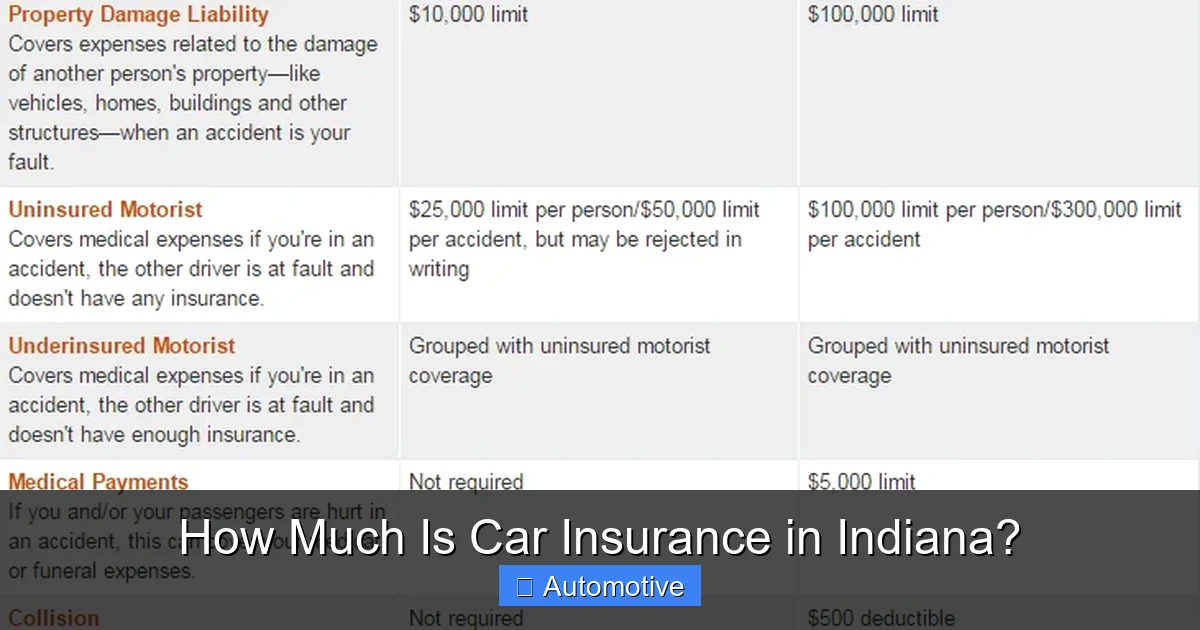
Indiana requires drivers to carry at least **25/50/25** liability insurance. This means:
– $25,000 for bodily injury per person
– $50,000 for total bodily injury per accident
– $25,000 for property damage per accident
This coverage pays for injuries and damage you cause to others in an accident. It does not cover your own injuries or vehicle repairs. For example, if you rear-end another car in Indianapolis and the driver needs $30,000 in medical care, your policy will only cover $25,000—leaving you personally responsible for the remaining $5,000.
Uninsured/Underinsured Motorist Coverage
While not mandatory, Indiana strongly encourages drivers to carry uninsured/underinsured motorist (UM/UIM) coverage. This protects you if you’re hit by a driver with no insurance or insufficient coverage. Given that nearly 13% of Indiana drivers are uninsured (according to the Insurance Research Council), this add-on is a smart investment.
Proof of Insurance
You must carry proof of insurance in your vehicle at all times. Law enforcement can request it during traffic stops, and failure to provide it may result in fines, license suspension, or vehicle impoundment. Indiana also uses an electronic insurance verification system, so insurers report your coverage directly to the BMV.
Average Car Insurance Rates in Indiana
Visual guide about How Much Is Car Insurance in Indiana?
Image source: wikitechy.com
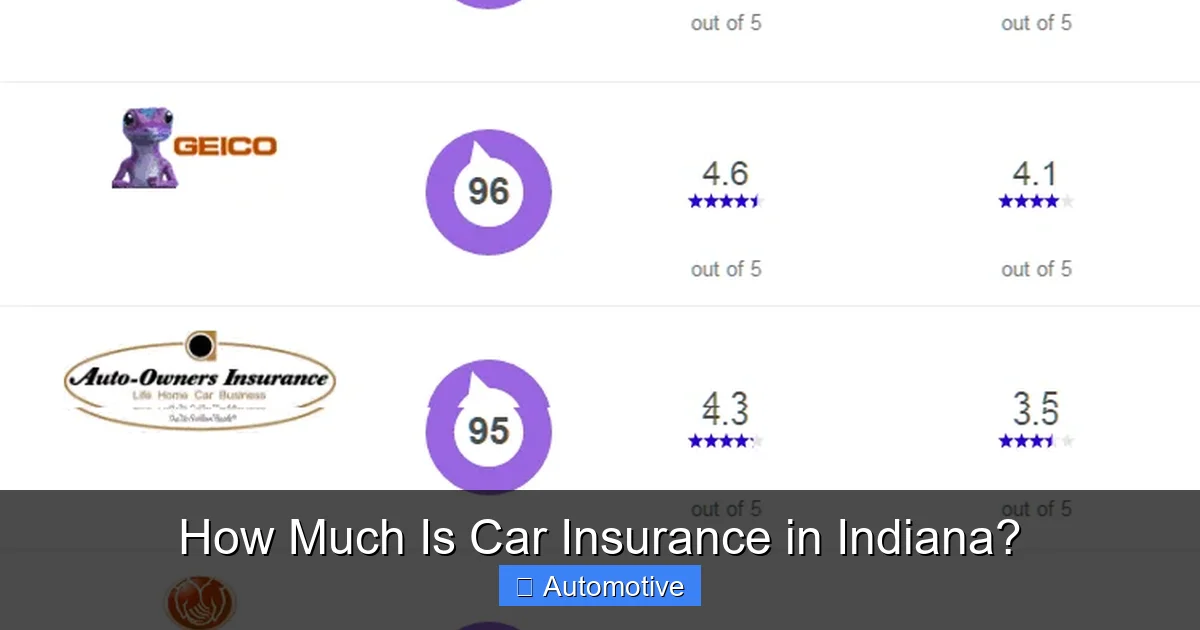
Now, let’s talk numbers. Car insurance premiums in Indiana are generally lower than the national average, but they’re not uniform. Rates vary widely based on personal and geographic factors.
Statewide Averages
According to data from the National Association of Insurance Commissioners (NAIC) and recent market analyses:
– **Full coverage (liability + collision + comprehensive):** $1,200–$1,500 per year
– **Minimum liability only:** $400–$600 per year
For context, the national average for full coverage is around $1,771 annually, making Indiana a relatively affordable state for car insurance. However, these are averages—your actual rate could be much different.
By Age and Gender
Younger drivers, especially teens, face the highest premiums due to inexperience. A 16-year-old male in Indiana might pay over $4,000 annually for full coverage, while a 35-year-old woman with a clean record could pay under $1,000. Gender also plays a role: men typically pay more than women, especially in younger age groups.
By Location
Where you live in Indiana makes a big difference. Urban areas like Indianapolis, Fort Wayne, and South Bend have higher rates due to increased traffic, accident frequency, and vehicle theft. For example:
– **Indianapolis:** Average full coverage premium is around $1,450/year
– **Bloomington:** Around $1,200/year
– **Rural counties (e.g., Greene or Owen):** As low as $900/year
Even within the same city, ZIP codes matter. A driver in a high-crime neighborhood may pay significantly more than someone in a safer suburb just a few miles away.
By Driving Record
Your history behind the wheel is one of the biggest rate determinants. A clean record can keep your premium low, but even one incident can cause a spike:
– **At-fault accident:** +20% to +50% increase
– **DUI conviction:** +80% to +150% increase
– **Speeding ticket:** +10% to +25% increase
For instance, a driver with a DUI might see their $1,300 annual premium jump to over $2,000—even after several years.
What Affects Your Car Insurance Rate in Indiana?
Visual guide about How Much Is Car Insurance in Indiana?
Image source: wikitechy.com
Insurance companies use complex algorithms to assess risk, but the core factors are consistent across most providers. Understanding these can help you anticipate your rate and take steps to lower it.
Age and Experience
Age is a major factor. Teen drivers are statistically more likely to be involved in accidents, so insurers charge them higher rates. Rates typically drop around age 25 and continue to decrease with experience—until age 70, when age-related risks begin to rise again.
Driving History
Your past behavior on the road directly impacts your premium. Insurers look at:
– Accidents (especially at-fault ones)
– Traffic violations (speeding, running red lights)
– DUIs or reckless driving convictions
A clean record for five years or more can qualify you for a “safe driver” discount, often reducing your rate by 10–25%.
Credit Score
Yes, your credit matters—even for car insurance. Indiana allows insurers to use credit-based insurance scores to determine rates. Studies show a correlation between credit history and claim frequency, so those with poor credit may pay more.
For example, a driver with excellent credit (750+) might pay $1,100/year, while someone with poor credit (under 580) could pay $1,600 or more for the same coverage.
Vehicle Type
The car you drive affects your premium. High-performance vehicles, luxury cars, and models with high theft rates cost more to insure. Conversely, safe, reliable sedans and SUVs with good safety ratings often qualify for lower rates.
For instance, insuring a Honda Civic will typically cost less than insuring a BMW X5 or a Ford Mustang. Newer cars may also have higher premiums due to repair costs, even if they have advanced safety features.
Annual Mileage
The more you drive, the higher your risk of an accident. Insurers ask for your annual mileage, and low-mileage drivers (under 7,500 miles/year) may qualify for discounts. If you work from home or use public transit, be sure to mention it—you could save 5–15%.
Coverage Level and Deductibles
The type and amount of coverage you choose directly affect your premium. Full coverage (liability + collision + comprehensive) costs more than minimum liability, but it offers far greater protection.
Your deductible—the amount you pay out of pocket before insurance kicks in—also matters. A higher deductible (e.g., $1,000 vs. $250) lowers your premium but increases your financial risk if you file a claim.
How to Save Money on Car Insurance in Indiana
The good news? There are many ways to reduce your car insurance costs without dropping essential coverage. A little effort can lead to big savings.
Shop Around and Compare Quotes
One of the most effective ways to save is to compare quotes from multiple insurers. Rates can vary by hundreds of dollars for the same coverage. Use online comparison tools or work with an independent agent to get quotes from companies like:
– State Farm
– Progressive
– GEICO
– Allstate
– Indiana Farm Bureau Insurance
Don’t just look at the price—check customer service ratings, claims handling, and financial stability.
Take Advantage of Discounts
Most insurers offer a variety of discounts. Common ones in Indiana include:
– **Safe driver discount:** For accident-free driving
– **Multi-policy discount:** Bundling auto and home insurance
– **Good student discount:** For students with B averages or higher
– **Low-mileage discount:** For driving less than 7,500 miles/year
– **Defensive driving course discount:** Completing an approved course
– **Anti-theft device discount:** For vehicles with alarms or tracking systems
Ask your insurer about available discounts—you might be missing out on savings you’ve already earned.
Improve Your Credit Score
Since Indiana allows credit-based pricing, improving your credit can lower your premium. Pay bills on time, reduce credit card balances, and check your credit report for errors. Even a 50-point increase can make a noticeable difference.
Raise Your Deductible (Carefully)
Increasing your deductible from $500 to $1,000 can reduce your premium by 15–30%. Just make sure you can afford the higher out-of-pocket cost if you need to file a claim.
Drive Safely and Maintain a Clean Record
The best long-term strategy is to avoid accidents and violations. Not only does this keep you safe, but it also qualifies you for lower rates over time. Some insurers offer “accident forgiveness” programs, which prevent your first at-fault accident from increasing your premium.
Consider Usage-Based Insurance
Many companies now offer telematics programs (like Progressive’s Snapshot or State Farm’s Drive Safe & Save). These track your driving habits—speed, braking, mileage—and reward safe behavior with discounts. If you’re a cautious driver, this could save you 10–20%.
Choosing the Right Car Insurance Company in Indiana
With so many options, picking the right insurer can feel overwhelming. Here’s what to consider beyond price.
Customer Service and Claims Handling
A low premium means little if the company makes it hard to file a claim. Check J.D. Power rankings, BBB ratings, and customer reviews. Look for insurers with 24/7 claims support and local agents.
Financial Strength
Choose a company with strong financial ratings (A or higher from AM Best). This ensures they can pay claims, even in tough economic times.
Local Presence
Some drivers prefer working with local or regional insurers like Indiana Farm Bureau or Erie Insurance. These companies often offer personalized service and understand Indiana-specific risks.
Digital Tools and Convenience
If you prefer managing your policy online, look for insurers with user-friendly apps, mobile ID cards, and digital claims submission.
Common Mistakes to Avoid
Even savvy shoppers can make errors that cost them money or leave them underinsured.
Buying Only the Minimum Coverage
While minimum liability meets legal requirements, it leaves you vulnerable. Medical bills and vehicle repairs can easily exceed $25,000. Consider raising your limits or adding collision and comprehensive coverage.
Not Updating Your Policy
Life changes—new job, new address, new car—should trigger a policy review. Failing to update your insurer could result in incorrect rates or coverage gaps.
Ignoring Discounts
Many drivers don’t realize they qualify for discounts. Always ask your agent or check your insurer’s website for available savings.
Letting Your Policy Auto-Renew Without Reviewing
Auto-renewal is convenient, but it can lead to missed savings. Set a reminder to compare quotes annually—you might find a better deal.
Conclusion
So, how much is car insurance in Indiana? On average, expect to pay between $1,200 and $1,500 per year for full coverage, with minimum liability plans starting around $400–$600. But your personal rate depends on a mix of factors—your age, driving record, credit, vehicle, and where you live.
The key to affordable car insurance isn’t just finding the cheapest policy—it’s finding the right balance of coverage, cost, and customer service. By understanding Indiana’s requirements, shopping around, and taking advantage of discounts, you can protect yourself on the road without breaking the bank.
Remember: a little research today can save you hundreds tomorrow. Whether you’re a new driver in Gary or a retiree in Lafayette, smart insurance decisions start with knowledge—and now, you’ve got it.
Frequently Asked Questions
What is the minimum car insurance required in Indiana?
Indiana requires drivers to carry at least 25/50/25 liability coverage: $25,000 for bodily injury per person, $50,000 per accident, and $25,000 for property damage. This covers injuries and damage you cause to others.
Why is my car insurance so high in Indiana?
Your premium may be high due to factors like a poor driving record, low credit score, young age, or living in a high-risk area. Shopping around and improving your risk profile can help lower costs.
Can I drive without insurance in Indiana?
No. Driving without insurance is illegal in Indiana and can result in fines, license suspension, or vehicle impoundment. You must carry proof of insurance at all times.
Do I need full coverage car insurance in Indiana?
Full coverage isn’t required by law, but it’s recommended if you have a newer car or a loan/lease. It includes collision and comprehensive coverage, protecting your vehicle from damage and theft.
How can I lower my car insurance premium in Indiana?
You can save by comparing quotes, maintaining a clean driving record, improving your credit, raising your deductible, and taking advantage of discounts like safe driver or multi-policy offers.
Does Indiana use credit scores to determine car insurance rates?
Yes, Indiana allows insurers to use credit-based insurance scores when setting premiums. Drivers with higher credit scores typically pay less for coverage.
