
Does Car Insurance Cover Hail Damage?

Yes, car insurance typically covers hail damage—but only if you have comprehensive coverage. This protection pays for repairs to dents, broken glass, and other storm-related damage, minus your deductible. Understanding your policy and acting quickly after a hailstorm can save you time and money.
Key Takeaways
- Comprehensive coverage is required: Hail damage is covered under comprehensive insurance, not liability or collision.
- Filing a claim may affect premiums: While necessary, frequent claims could lead to higher rates or non-renewal.
- Document damage immediately: Take photos and file a claim as soon as possible to avoid disputes.
- Choose your repair shop wisely: You’re not required to use insurer-recommended shops—pick one you trust.
- Check your deductible: Ensure repair costs exceed your deductible before filing a claim.
- Prevention helps: Park in garages or under cover during storms to reduce risk.
- State laws vary: Some regions with frequent hail have specific consumer protections.
📑 Table of Contents
- Does Car Insurance Cover Hail Damage?
- What Is Hail Damage and How Does It Happen?
- Types of Car Insurance: What Covers Hail Damage?
- How to File a Hail Damage Claim
- How Much Does Hail Damage Repair Cost?
- Will Filing a Hail Damage Claim Increase Your Premium?
- Tips to Protect Your Car from Hail Damage
- What to Do If Your Claim Is Denied
- Conclusion
Does Car Insurance Cover Hail Damage?
Imagine this: You pull into your driveway after a long day at work, only to find your car covered in dents and cracked windows. A sudden hailstorm rolled through while you were inside, leaving your vehicle looking like it went ten rounds with a golf ball cannon. Your first thought? “Will my car insurance cover this?”
The short answer is: yes—if you have comprehensive coverage. But like most things in the world of insurance, it’s not quite that simple. Hail damage isn’t automatically covered under every policy. It depends on the type of coverage you’ve purchased, the specifics of your insurance plan, and how quickly you act after the storm.
In this guide, we’ll walk you through everything you need to know about hail damage and car insurance. From understanding what comprehensive coverage really means to filing a claim and choosing the right repair shop, we’ve got you covered. Whether you’re a new driver or a seasoned car owner, knowing your rights and options can save you hundreds—or even thousands—of dollars when Mother Nature strikes.
Let’s dive in.
What Is Hail Damage and How Does It Happen?
Visual guide about Does Car Insurance Cover Hail Damage?
Image source: thefingain.com
Hail is a form of solid precipitation that forms inside thunderstorm updrafts. When raindrops are carried upward into extremely cold areas of the atmosphere, they freeze into ice pellets. These pellets can grow larger as they’re tossed around by wind currents, sometimes reaching the size of golf balls, baseballs, or even softballs.
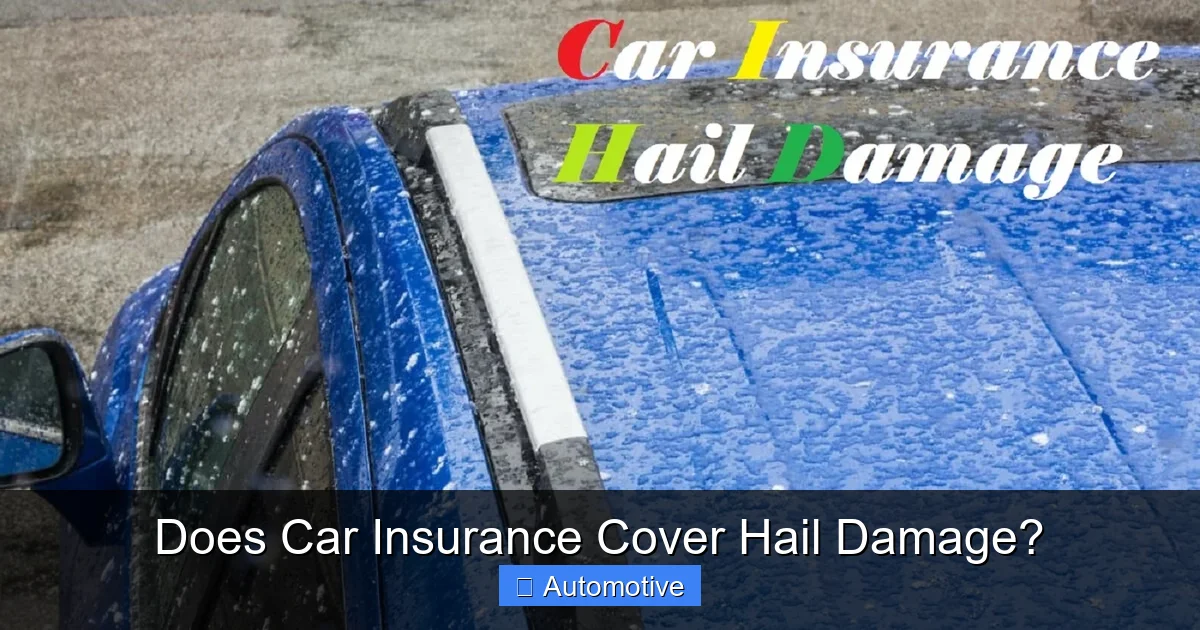
When hail falls to the ground, it can cause serious damage to vehicles left outside. Common types of hail damage include:
- Dents on the roof, hood, and trunk
- Cracked or shattered windshields and windows
- Damaged paint and body panels
- Broken side mirrors or lights
- Interior damage from water leaks
The severity of the damage depends on the size and speed of the hailstones, the angle at which they strike, and the materials of your vehicle. A light hail shower might only leave minor dimples, while a severe storm can total a car.
For example, in 2021, a hailstorm in Denver, Colorado, caused over $2.3 billion in damages, including thousands of vehicles with extensive body and glass damage. Many drivers were shocked by the extent of the destruction—and equally surprised to learn that their standard liability insurance wouldn’t cover repairs.
That’s why understanding your coverage is so important. Let’s break down what types of insurance actually protect you from hail.
Types of Car Insurance: What Covers Hail Damage?
Visual guide about Does Car Insurance Cover Hail Damage?
Image source: phillongbodyshop.com
Not all car insurance policies are created equal. In the U.S., most drivers are required to carry at least liability insurance, which covers damage you cause to others in an accident. But liability insurance does not cover damage to your own vehicle—especially not from natural events like hail.
So, which type of coverage does?
Comprehensive Coverage: Your Hail Damage Shield
Comprehensive coverage is the only type of auto insurance that protects your vehicle from non-collision events, including:
- Hail and other weather-related damage
- Theft
- Vandalism
- Fire
- Falling objects (like tree branches)
- Animal collisions
When you purchase comprehensive coverage, you’re essentially buying protection against “acts of God” and other unexpected incidents. This is why it’s often referred to as “other than collision” coverage.
For example, if a hailstorm dents your car’s roof and shatters the windshield, comprehensive insurance will typically cover the cost of repairs—minus your deductible.
Collision Coverage: Not for Hail
Collision coverage pays for damage to your car when you hit another vehicle or object, like a tree or guardrail. While it’s important for accident-related repairs, it does not apply to hail damage.
So, if you only have liability and collision coverage, you’re not protected against hail. That’s why many financial experts recommend adding comprehensive coverage, especially if you live in a hail-prone area.
Liability Insurance: What It Doesn’t Cover
Liability insurance covers bodily injury and property damage you cause to others. It does not cover your own vehicle under any circumstances. So, if hail damages your car, liability insurance won’t help—even if the storm was severe.
Optional Add-Ons That Can Help
Some insurers offer additional protections that can complement comprehensive coverage:
- Glass coverage: Covers windshield and window repairs without a deductible.
- New car replacement: Replaces your car with a new one if it’s totaled within a certain time frame.
- Diminished value coverage: Compensates for the loss in resale value after repairs.
These add-ons can be especially helpful after hail damage, which can affect a car’s appearance and resale value even after repairs.
How to File a Hail Damage Claim
Visual guide about Does Car Insurance Cover Hail Damage?
Image source: insurancespecialists.com
If your car is damaged by hail, acting quickly and correctly can make the claims process smoother and faster. Here’s a step-by-step guide to filing a hail damage claim.
Step 1: Assess the Damage Safely
After a storm, inspect your vehicle as soon as it’s safe to do so. Look for:
- Dents on the roof, hood, and trunk
- Cracks or chips in the windshield
- Broken windows or mirrors
- Paint damage or scratches
Avoid touching sharp edges or broken glass. If the damage is severe, consider having your car towed to a safe location.
Step 2: Document Everything
Take clear, high-resolution photos of all damage from multiple angles. Include close-ups of dents, cracks, and any interior damage. Also, take wide shots that show the entire vehicle.
If possible, note the time and location of the storm, and keep any weather reports or news articles that confirm the hail event. This documentation can help support your claim.
Step 3: Contact Your Insurance Company
Call your insurer as soon as possible. Most companies have 24/7 claims hotlines. Be ready to provide:
- Your policy number
- Date and location of the damage
- Description of the damage
- Photos and any other evidence
Your insurer will assign a claims adjuster to evaluate the damage. They may schedule an in-person inspection or use virtual tools like photo uploads or video calls.
Step 4: Get Repair Estimates
Once your claim is approved, you’ll need to get repair estimates from auto body shops. Most insurers allow you to choose your own shop, but some may recommend preferred providers.
Get at least two or three estimates to compare prices and services. Be sure the shops are certified and experienced in hail damage repair, especially paintless dent repair (PDR).
Step 5: Pay Your Deductible
Before repairs begin, you’ll need to pay your deductible—the amount you agreed to pay out of pocket when you purchased your policy. For example, if your deductible is $500 and the repair cost is $2,000, your insurer will pay $1,500.
Keep in mind that if the repair cost is close to or less than your deductible, it may not be worth filing a claim.
Step 6: Complete the Repairs
Once your claim is processed and your deductible is paid, you can proceed with repairs. Most insurers will pay the shop directly, but some may reimburse you.
After repairs are complete, inspect the work to ensure it meets your standards. If you’re not satisfied, contact your insurer or the repair shop to resolve any issues.
How Much Does Hail Damage Repair Cost?
The cost of hail damage repair varies widely depending on the severity of the damage, the make and model of your vehicle, and the repair method used.
Paintless Dent Repair (PDR)
PDR is the most common and cost-effective method for fixing hail dents. It involves using specialized tools to massage the metal back into shape without damaging the paint.
- Average cost: $50–$150 per dent
- Best for: Small to medium dents with intact paint
- Time: 1–3 days
For example, a car with 20 small dents might cost $1,000–$2,000 to repair using PDR.
Traditional Body Work
If the paint is damaged or the dents are large, traditional body work may be needed. This involves filling, sanding, and repainting the affected areas.
- Average cost: $300–$1,000 per panel
- Best for: Severe dents or paint damage
- Time: 3–7 days
Glass Replacement
Replacing a cracked or shattered windshield can cost:
- Standard windshield: $200–$400
- Advanced safety features (sensors, cameras): $500–$1,500
Some insurers offer glass coverage with no deductible, making this repair more affordable.
Total Loss
If the cost of repairs exceeds 70–80% of the car’s value, the insurer may declare it a total loss. In that case, you’ll receive a payout based on the car’s actual cash value (ACV), minus your deductible.
For example, if your car is worth $10,000 and repairs cost $8,500, it may be totaled. You’d receive a check for $9,500 (minus a $500 deductible).
Will Filing a Hail Damage Claim Increase Your Premium?
This is one of the most common concerns among drivers. The short answer: it depends.
In most cases, a single hail damage claim will not significantly increase your premium—especially if you weren’t at fault. Hail is considered an act of nature, not a driver error, so insurers are less likely to penalize you.
However, there are exceptions:
- Multiple claims: Filing several claims in a short period may raise red flags.
- High-cost repairs: Expensive claims (e.g., $5,000+) could lead to a rate review.
- State regulations: Some states limit rate increases for weather-related claims.
For example, in Texas—a state with frequent hailstorms—insurers cannot raise rates solely based on a single hail claim. But in other states, the rules may be different.
To minimize risk:
- Only file claims when repair costs exceed your deductible.
- Consider raising your deductible to lower premiums (but ensure you can afford it).
- Ask your insurer about claim forgiveness programs.
Tips to Protect Your Car from Hail Damage
While you can’t control the weather, you can take steps to reduce your risk of hail damage.
Park in a Garage or Covered Area
The best protection is a garage. If you don’t have one, consider parking under a carport, awning, or covered parking structure.
Use a Hail Car Cover
Hail car covers are padded tarps designed to absorb impact. They’re affordable (usually $50–$150) and can be stored in your trunk for emergencies.
Monitor Weather Forecasts
Use weather apps to stay alert for severe storms. If hail is predicted, move your car to safety as soon as possible.
Join a Car Club or Community Alert System
Some neighborhoods or car clubs share real-time storm alerts and safe parking locations.
Consider Comprehensive Coverage
If you live in a hail-prone area—like Colorado, Texas, or Kansas—comprehensive coverage is a smart investment. The average cost is $150–$300 per year, but it can save you thousands in repairs.
What to Do If Your Claim Is Denied
Unfortunately, not all hail damage claims are approved. If your insurer denies your claim, don’t panic. Here’s what to do:
Review the Denial Letter
Your insurer must provide a written explanation for the denial. Common reasons include:
- Lack of comprehensive coverage
- Damage not consistent with hail
- Late reporting
- Policy exclusions
Appeal the Decision
Contact your insurer to discuss the denial. Provide additional evidence, such as weather reports or expert opinions.
File a Complaint
If the issue isn’t resolved, you can file a complaint with your state’s insurance department. They can investigate and mediate disputes.
Consult an Attorney
In rare cases, legal action may be necessary—especially if the denial appears unfair or in bad faith.
Conclusion
So, does car insurance cover hail damage? Yes—but only if you have comprehensive coverage. This essential protection shields your vehicle from hail, storms, theft, and other non-collision events. Without it, you could be left paying thousands out of pocket for repairs.
Filing a claim is straightforward if you act quickly, document the damage, and work with a trusted repair shop. And while a single hail claim is unlikely to spike your premiums, it’s smart to weigh the cost of repairs against your deductible before proceeding.
Living in a hail-prone area? Consider investing in a hail car cover, parking under cover, and reviewing your policy annually. A little preparation can go a long way in protecting your vehicle—and your wallet.
Remember, insurance isn’t just about accidents. It’s about peace of mind. And when the skies turn dark and the hail starts falling, knowing you’re covered can make all the difference.
Frequently Asked Questions
Does liability insurance cover hail damage?
No, liability insurance only covers damage you cause to others. It does not cover damage to your own vehicle, including hail damage.
Can I choose my own repair shop after a hail claim?
Yes, you have the right to choose any licensed repair shop. Your insurer cannot force you to use a specific provider.
Will my premium go up after a hail damage claim?
Not necessarily. Hail is considered an act of nature, so a single claim usually doesn’t increase rates. However, multiple claims may affect your premium.
What if my car is totaled by hail?
If repair costs exceed 70–80% of your car’s value, it may be declared a total loss. You’ll receive a payout based on the car’s actual cash value, minus your deductible.
How long do I have to file a hail damage claim?
Most insurers require claims to be filed within 30–60 days, but act as soon as possible. Delays can lead to disputes or denial.
Is hail damage covered under warranty?
No, manufacturer warranties do not cover weather-related damage like hail. Only comprehensive insurance provides this protection.
