
How to Remove Acid Rain from Car Glass

Acid rain can leave stubborn stains and etchings on car glass, reducing visibility and damaging surfaces over time. This guide walks you through safe, effective removal techniques using household items and professional products, plus tips to prevent future buildup.
Have you ever noticed cloudy, streaky patches on your windshield after a rainy day—especially one that followed a period of high pollution or industrial activity? That might not just be ordinary grime. It could be the lingering effects of acid rain, a phenomenon that’s more common than many drivers realize. While it sounds like something out of a dystopian movie, acid rain is a real environmental issue caused by pollutants like sulfur dioxide and nitrogen oxides mixing with moisture in the atmosphere. When this acidic precipitation lands on your car’s glass—windshield, side windows, or rear glass—it doesn’t just bead up and roll off. Instead, it leaves behind mineral deposits and can slowly etch the surface, compromising clarity and safety.
Ignoring these stains isn’t just an aesthetic issue. Over time, acid rain residue can weaken the structural integrity of your glass, create glare under headlights, and make nighttime driving hazardous. Worse, if left untreated, the etching becomes permanent, requiring costly professional restoration or even glass replacement. But here’s the good news: with the right approach, you can remove acid rain from car glass effectively—and often with items you already have at home. Whether you’re dealing with light hazing or more stubborn spots, this guide will walk you through step-by-step methods, safety precautions, and long-term prevention strategies to keep your windows crystal clear.
Key Takeaways
- Understanding How to Remove Acid Rain From Car Glass: Provides essential knowledge
📑 Table of Contents
- What Is Acid Rain and Why Does It Damage Car Glass?
- Immediate Steps to Take After Acid Rain Exposure
- DIY Methods to Remove Acid Rain from Car Glass
- Professional Products and Tools for Tough Stains
- Prevention: How to Protect Your Car Glass from Future Acid Rain Damage
- Common Mistakes to Avoid When Cleaning Acid Rain Stains
- When to Call a Professional
- Conclusion
What Is Acid Rain and Why Does It Damage Car Glass?
Before diving into removal techniques, it’s important to understand what acid rain actually is and how it interacts with your vehicle’s glass. Acid rain forms when emissions from vehicles, factories, and power plants release sulfur dioxide (SO₂) and nitrogen oxides (NOₓ) into the air. These gases react with water vapor, oxygen, and other chemicals to form sulfuric and nitric acids. When it rains, snows, or even hails, these acidic compounds fall to the ground—and onto your car.
How Acid Rain Affects Automotive Glass
Unlike regular rainwater, which is slightly acidic due to dissolved carbon dioxide (pH around 5.6), true acid rain has a much lower pH—sometimes as low as 4.0 or even 3.0 in heavily polluted areas. This increased acidity accelerates the breakdown of minerals on glass surfaces. Most automotive glass is made of silica (sand), soda ash, and limestone, all of which are vulnerable to acidic corrosion.
When acid rain dries on your windshield, it leaves behind mineral residues—mainly calcium, magnesium, and other hard water deposits—that bond tightly to the glass. Over time, repeated exposure causes microscopic pitting and etching. You’ll notice this as a foggy or hazy appearance, especially when light hits the glass at certain angles. In severe cases, the etching becomes deep enough to scatter light, creating glare that impairs visibility.
Common Signs of Acid Rain Damage
How do you know if your car glass has been affected by acid rain? Look for these telltale signs:
- Cloudy or milky patches: Especially near the edges or where water tends to pool.
- Streaking or spotting: After wiping with a cloth, the glass still looks uneven or smeared.
- Difficulty seeing at night: Headlights from oncoming traffic appear blurry or haloed.
- Rough texture: Running your finger over the glass feels gritty or uneven in certain areas.
- Persistent water spots: Even after washing, white or gray marks remain.
If you live in an urban area, near industrial zones, or frequently drive through regions with high air pollution, your risk of acid rain damage increases significantly. However, even rural drivers aren’t immune—wind can carry acidic particles hundreds of miles from their source.
Immediate Steps to Take After Acid Rain Exposure
The key to minimizing damage is acting fast. The longer acid residue sits on your glass, the deeper it penetrates and the harder it becomes to remove. Here’s what to do right after you notice signs of acid rain exposure:
Visual guide about How to Remove Acid Rain from Car Glass
Image source: autoglasswarehouse.com.au
Rinse Thoroughly with Clean Water
As soon as possible, rinse your car—especially the glass surfaces—with clean, lukewarm water. Use a hose or bucket to flush away loose contaminants. Avoid hot water, as rapid temperature changes can stress the glass, especially if it’s already weakened by etching.
Don’t skip this step, even if you plan to wash your car later. Rinsing removes surface acids and prevents them from bonding further to the glass. If you’re on the road and don’t have access to water, use a spray bottle filled with distilled water to gently mist the affected areas until you can get home.
Avoid Wiping Dry Immediately
Resist the urge to grab a towel and start rubbing. Dry wiping can push abrasive particles into the glass, causing micro-scratches that worsen over time. Instead, let the glass air-dry or blot gently with a clean, dry microfiber cloth if absolutely necessary.
Inspect for Early Damage
Once the glass is dry, inspect it under good lighting. Shine a flashlight at an angle across the surface to reveal fine etching or hazing. Early detection means easier removal and less risk of permanent damage.
Pro tip: Keep a small inspection flashlight in your glove compartment. It’s a simple tool that can help you catch problems before they escalate.
DIY Methods to Remove Acid Rain from Car Glass
For mild to moderate acid rain stains, you can often restore clarity using household ingredients and basic tools. These methods are affordable, eco-friendly, and safe when used correctly.
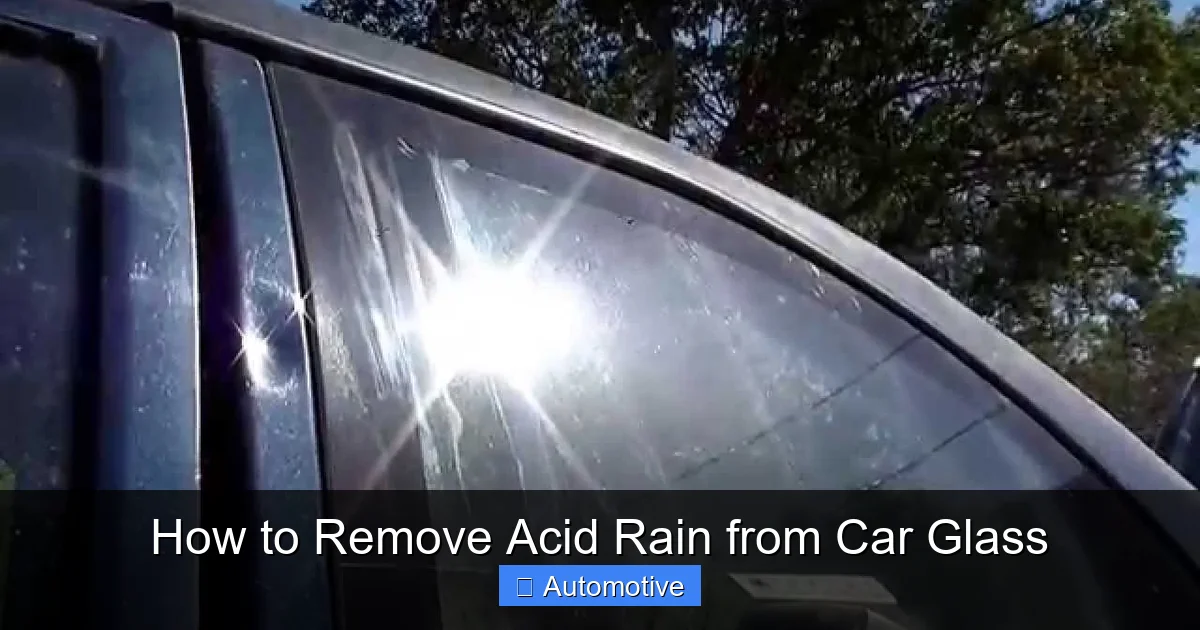
Visual guide about How to Remove Acid Rain from Car Glass
Image source: i.ytimg.com
Baking Soda Paste (Best for Light Etching)
Baking soda is a mild abrasive that gently lifts mineral deposits without scratching glass. It’s ideal for light hazing or water spots.
What you’ll need:
- 2–3 tablespoons of baking soda
- 1–2 tablespoons of water
- Microfiber cloth or soft sponge
- Distilled water (for rinsing)
Steps:
- Mix baking soda and water to form a thick paste.
- Apply the paste to the affected glass using a damp microfiber cloth or sponge.
- Gently rub in circular motions for 1–2 minutes per section. Avoid pressing too hard.
- Rinse thoroughly with distilled water to remove all residue.
- Dry with a clean microfiber cloth.
For best results, work in small sections and avoid direct sunlight, which can cause the paste to dry too quickly and leave streaks.
Vinegar-Water Solution (Great for Mineral Buildup)
White distilled vinegar is naturally acidic (pH ~2.5), which might seem counterintuitive—but its mild acidity helps dissolve alkaline mineral deposits left by acid rain.
What you’ll need:
- Equal parts white vinegar and distilled water
- Spray bottle
- Microfiber cloths
Steps:
- Fill a spray bottle with the vinegar-water mixture.
- Spray generously onto the stained glass.
- Let it sit for 2–3 minutes to break down deposits.
- Wipe with a microfiber cloth using gentle, overlapping strokes.
- Rinse with distilled water and dry thoroughly.
Note: Never use undiluted vinegar on glass, as it can degrade rubber seals and trim over time. Always dilute and rinse well.
Clay Bar Treatment (For Stubborn Residue)
Automotive clay bars are designed to remove embedded contaminants from paint and glass. They’re especially useful for sticky mineral films that resist liquid cleaners.
What you’ll need:
- Glass-safe clay bar (look for “glass-specific” or “non-abrasive” labels)
- Lubricant spray (or diluted car wash soap)
- Microfiber towels
Steps:
- Spray the glass with lubricant to prevent the clay from sticking.
- Knead the clay bar to expose a clean surface.
- Glide the clay gently over the glass in straight lines—no circular motions.
- Wipe away residue with a microfiber towel.
- Repeat if necessary, re-lubricating frequently.
Clay bars are reusable but discard them if they pick up dirt or debris that could scratch the glass.
Professional Products and Tools for Tough Stains
When DIY methods fall short—or if you’re dealing with deeper etching—it’s time to turn to specialized automotive glass cleaners and tools.
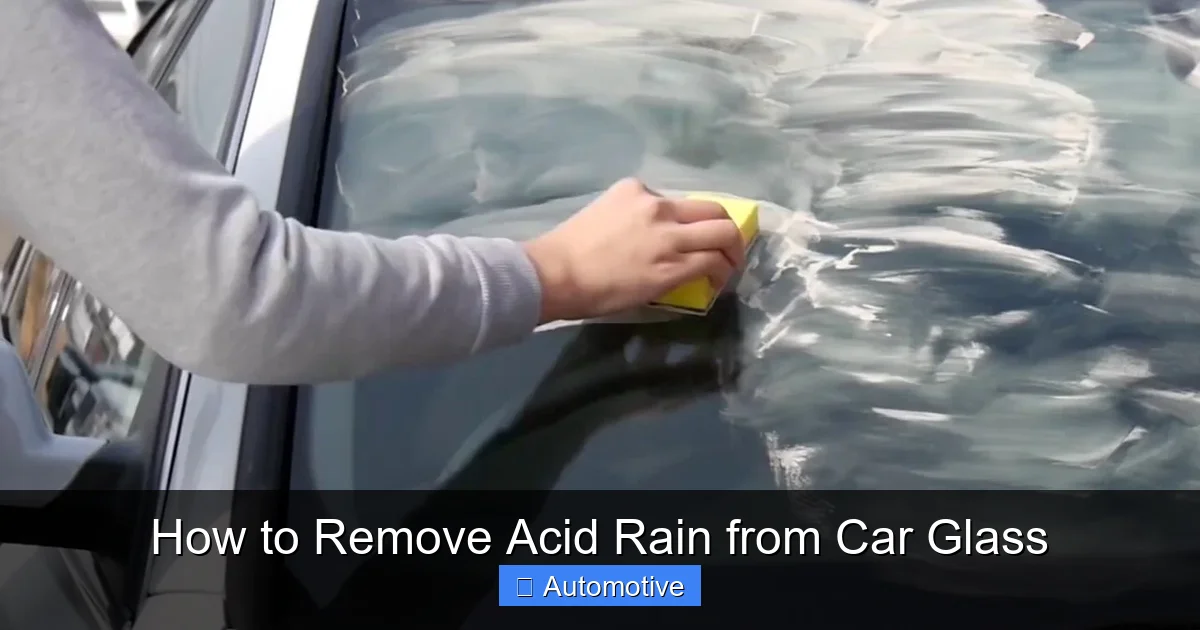
Visual guide about How to Remove Acid Rain from Car Glass
Image source: i.ytimg.com
Glass Polish Compounds
Commercial glass polishes contain fine abrasives that level out microscopic etchings. Brands like Rain-X Glass Polish, Mothers California Gold Glass Cleaner, and Meguiar’s Perfect Clarity Glass Polish are popular choices.
How to use:
- Apply a small amount to a foam applicator pad.
- Work in 12-inch sections using overlapping circular motions.
- Buff until haze disappears, then wipe clean.
- Follow with a glass sealant for protection.
Always test on a small, inconspicuous area first. Over-polishing can thin the glass, so limit use to once every few months.
Dual-Action Polisher (For Severe Etching)
For deep, widespread etching, a dual-action (DA) polisher with a glass-specific pad can restore clarity more efficiently than hand polishing.
Tips for safe use:
- Use a low-speed setting (under 3,000 RPM).
- Keep the pad flat and moving to avoid heat buildup.
- Work in thin layers—don’t try to remove all etching in one pass.
- Wear safety goggles and work in a well-ventilated area.
This method requires practice. If you’re unsure, consider hiring a professional detailer.
Glass Resealing and Coatings
After cleaning, apply a hydrophobic glass sealant like Rain-X Original or Glass Science Hydrophobic Coating. These products repel water, reduce future staining, and make future cleanings easier.
Application is simple: spray on, wipe evenly, and buff to a shine. Reapply every 2–3 months or after heavy rain.
Prevention: How to Protect Your Car Glass from Future Acid Rain Damage
An ounce of prevention is worth a pound of cure—especially when it comes to your windshield. Here’s how to minimize acid rain’s impact long-term.
Wash Your Car Regularly
Aim to wash your vehicle at least once a week, especially after rainy or polluted weather. Use a pH-neutral car shampoo and a two-bucket method (one for soap, one for rinsing) to avoid reintroducing dirt.
Apply a Protective Wax or Sealant
While wax is typically used on paint, some ceramic coatings and glass sealants offer broad-spectrum protection. Products like Opti-Glass Protect create a barrier that repels water and resists chemical adhesion.
Use Quality Windshield Wipers
Worn wiper blades can smear acidic residue across the glass, accelerating etching. Replace wipers every 6–12 months or at the first sign of streaking.
Park Smart
Whenever possible, park in a garage or under cover. If outdoors, use a car cover rated for UV and chemical resistance. Avoid parking under trees or near industrial sites where runoff may be more acidic.
Monitor Local Air Quality
Check air quality indexes (AQI) in your area. On high-pollution days, consider washing your car sooner after rain to remove acidic residues before they dry.
Common Mistakes to Avoid When Cleaning Acid Rain Stains
Even with the best intentions, it’s easy to make errors that worsen the problem. Steer clear of these pitfalls:
- Using steel wool or abrasive pads: These scratch glass permanently.
- Cleaning in direct sunlight: Causes cleaners to dry too fast, leaving streaks.
- Skipping rinsing: Residual cleaner can attract more dirt.
- Using household glass cleaners with ammonia: Ammonia can degrade rubber seals and isn’t effective on mineral deposits.
- Over-polishing: Excessive abrasion weakens glass over time.
- Ignoring small spots: What starts as a minor haze can become deep etching.
Remember: gentle, consistent care beats aggressive, infrequent scrubbing every time.
When to Call a Professional
Sometimes, despite your best efforts, acid rain damage is too severe for DIY fixes. Seek professional help if:
- The glass feels rough to the touch.
- Etching scatters light significantly, especially at night.
- DIY methods haven’t improved clarity after multiple attempts.
- You notice cracks or chips that may have been worsened by acid exposure.
Professional glass technicians use industrial-grade polishers, diamond abrasives, and resin fillers to restore clarity. In extreme cases, full windshield replacement may be the safest option—especially if visibility is compromised.
Conclusion
Acid rain might sound like a distant environmental concern, but its effects on your car’s glass are very real—and potentially dangerous if ignored. From cloudy windshields to nighttime glare, the damage can compromise both aesthetics and safety. The good news? With prompt action, the right tools, and consistent prevention, you can effectively remove acid rain from car glass and keep your windows clear for years to come.
Start by rinsing immediately after exposure, then choose a removal method that matches the severity of the stain—whether it’s a simple vinegar rinse or a professional polish. Most importantly, make glass care part of your regular car maintenance routine. A little effort now saves you time, money, and stress down the road. And remember: when in doubt, consult a professional. Your vision—and your safety—are worth it.
Frequently Asked Questions
Can acid rain permanently damage car glass?
Yes, if left untreated, acid rain can cause permanent etching by corroding the glass surface. Deep pitting may require professional resurfacing or replacement.
Is vinegar safe for cleaning car windshields?
Yes, when diluted with equal parts water. Undiluted vinegar can damage rubber seals and trim, so always rinse thoroughly after use.
How often should I clean my car glass to prevent acid rain damage?
Wash your car at least once a week, especially after rainy or high-pollution days. Quick rinses after acid rain exposure are also recommended.
Can I use Windex to remove acid rain stains?
Standard Windex contains ammonia, which isn’t effective on mineral deposits and can harm seals. Use a dedicated glass cleaner or DIY vinegar solution instead.
Will waxing my car protect the glass from acid rain?
Regular wax protects paint, but for glass, use a hydrophobic sealant like Rain-X. These create a protective barrier that repels water and contaminants.
Do clay bars work on windshields?
Yes, but only use glass-safe clay bars with proper lubrication. Avoid aggressive rubbing, and always follow up with a glass polish if needed.